Close Menu

    Subscribe to Updates

    Get the latest creative news from FooBar about art, design and business.

    What's Hot

    What Garage Door Styles Suit Modern Homes in Las Vegas?

    May 5, 2026

    How to Design a Modern Home in the Woods

    May 5, 2026

    How to Calculate Water Heater Replacement Costs in the UK

    May 4, 2026
    Facebook X (Twitter) Instagram
    Facebook X (Twitter) Instagram
    Crazzy Homes
    Button
    • HOME
    • HOME IMPROVEMENT
      • HOME DECOR
      • ARCHITECTURE
      • FURNITURE
      • FLOORING
      • CLEANING
      • INTERIOR
        • BEDROOM
        • BATHROOM
        • DOORS
        • WINDOW
      • EXTERIOR
        • GARDENING
    • CELEBRITY HOME

      Inside Tyra Banks’ Luxurious Home: A Visual Journey

      May 1, 2026

      Inside Jimbo Fisher’s House: A Glimpse of Luxury Living

      May 1, 2026

      Inside Sophie Turner’s House: A Stunning Look at Her Luxury Home

      April 30, 2026

      Inside Kate Walsh’s Stunning House:

      April 30, 2026

      Inside Cynthia Nixon’s House: A Glimpse of Celebrity Life

      April 29, 2026
    • Real Estate
    • PLUMBING
    • KITCHEN
      • APPLIANCES
    • LIFE STYLE
    Crazzy Homes
    Home » How to Design a Modern Home in the Woods
    CONSTRUCTION

    How to Design a Modern Home in the Woods

    Stella VictoriaBy Stella VictoriaMay 5, 2026No Comments22 Mins Read
    Facebook Twitter Pinterest LinkedIn Tumblr Email
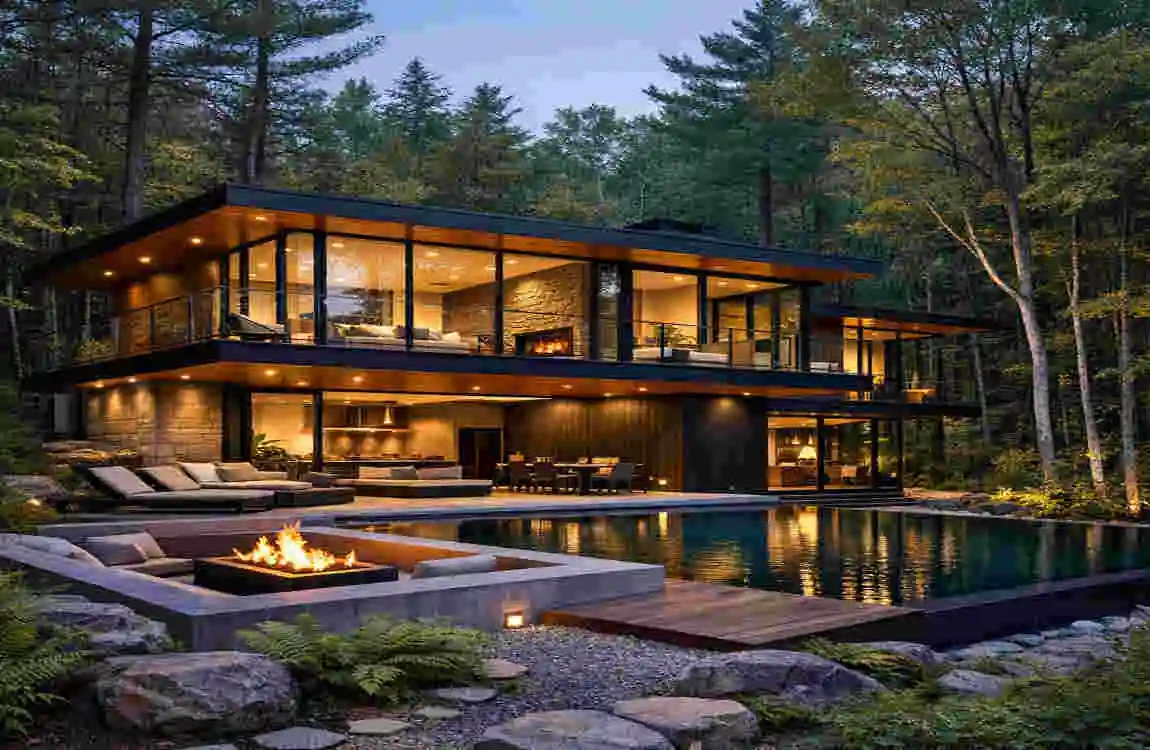
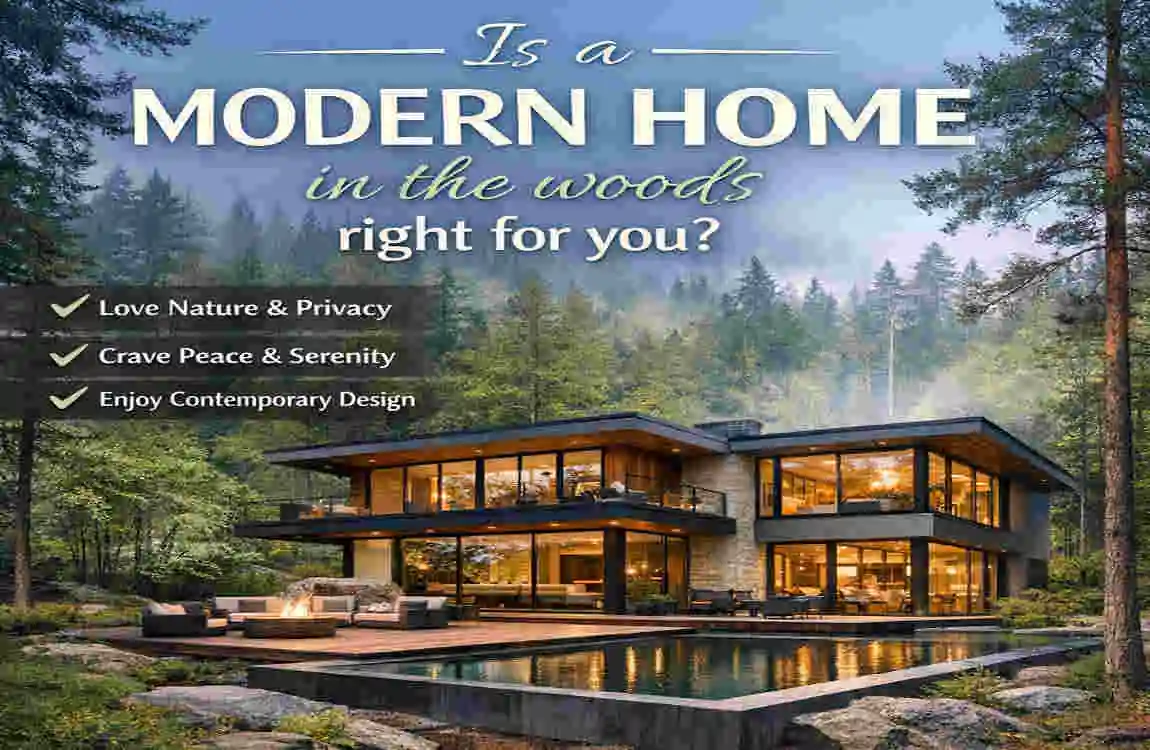
    Modern Home in the Woods
    Share
    Facebook Twitter LinkedIn Pinterest Email

    Imagine waking up in a modern home in the woods where the first thing you see is morning light filtering through tall trees. The walls are sleek and calm, the windows are wide, and the whole space feels open to nature. Outside, the forest is quiet. Inside, everything feels warm, clean, and modern.

    That is the beauty of a modern home in the woods. It gives you the best of both worlds: the peace of a woodland setting and the comfort of smart, modern design. More and more homeowners are choosing this style because they want privacy, fresh air, better wellness, and a home that feels connected to the land.

    A well-designed modern home in the woods is not just about looks. It is about making smart choices from the start. You need the right site, the right foundation, the right materials, and a layout that works with the forest rather than against it. You also need to think about energy, water, access, and long-term upkeep.

    Table of Contents

    Toggle
    • Why Choose a Modern Home in the Woods?
      • The Main Benefits
      • The Challenges You Should Expect
        • Who This Style Works Best For
    • Selecting the Perfect Woodland Site
      • Assessing Terrain and Accessibility
      • Environmental and Legal Checks
        • A few smart questions to ask before buying land
    • Crafting a Sustainable Foundation and Structure
      • Foundation Options for Uneven Ground
      • Framing with Modern Materials
      • Why Structure Planning Matters So Much
    • Exterior Design for Seamless Nature Integration
      • Material Choices: Durable and Eco-Friendly
      • Roof and Entryway Innovations
        • Exterior design ideas that work well in the woods
    • Interior Layout and Biophilic Elements
      • Open-Plan Spaces with Natural Flow
      • Incorporating Wood and Greenery Indoors
      • Why Biophilic Design Matters
    • Off-Grid Utilities and Smart Tech
      • Energy Solutions
        • Energy systems to consider
      • Water and Waste Systems
      • Tech for Remote Living
    • Landscaping and Outdoor Living
      • Working with Native Plants
      • Outdoor Living Spaces
      • Fire Safety and Long-Term Care
    • Budgeting and Timeline for Your Modern Home in the Woods
      • Typical Cost Range
      • Sample Budget Breakdown
      • Timeline Expectations
    • Case Studies: Real Modern Homes in the Woods
      • A Treehouse-Inspired Cabin in the Pacific Northwest
      • A Glass Pavilion in the Adirondacks
      • What These Homes Teach Us
    • Common Mistakes to Avoid in Woodland Builds
      • Ignoring Insulation
      • Forgetting Pest Protection
      • Overbuilding the Site
      • Poor Water Management
      • Treating the Forest Like a Backdrop
    • FAQ
      • What makes a modern home in the woods sustainable?
      • How much does a modern home in the woods cost?
      • Can I build a modern home in the woods off-grid?
      • Is a modern home in the woods hard to maintain?
      • What style works best for a woodland home?

    Why Choose a Modern Home in the Woods?

    Modern Home in the Woods

    A modern home in the woods has become a dream home for many people who want more than a standard house in a crowded neighbourhood. The appeal is easy to understand. You get privacy, quiet, and a daily connection to nature. In a world that feels noisy and fast, that matters more than ever.

    Many people also turned toward rural and forest settings after the pandemic. Work changed, routines changed, and home started to mean something different. Many buyers began looking for places that felt safe, spacious, and peaceful. That shift helped drive interest in woodland properties and woodland cabin design.

    But this style is not only about escape. It also supports a better way of living.

    The Main Benefits

    A modern home in the woods often brings these advantages:

    • Privacy: Trees act as natural screens, offering you a quiet, hidden retreat.
    • Wellness: Natural views, fresh air, and daylight can help reduce stress.
    • Energy savings: Smart placement and passive solar design can lower heating and cooling costs.
    • Timeless beauty: A clean modern structure can look stunning when balanced with raw natural surroundings.
    • Better focus: Many people find forest settings helpful for creativity, remote work, and rest.

    This is why so many architects now design homes that feel like sustainable forest homes rather than houses dropped into the woods by force. The goal is harmony. The house should feel like it belongs there.

    The Challenges You Should Expect

    Of course, building in the woods also brings real challenges. The land may be sloped, rocky, damp, or hard to access. Wildlife may be active. Local rules may be strict. You may also need to think about fire risk, snow load, drainage, and long-term maintenance.

    That may sound like a lot, but do not let it scare you. These issues are manageable when you plan well. In the sections below, I’ll show you how to handle them step by step so your modern home in the woods feels both beautiful and practical.

    Who This Style Works Best For

    A modern home in the woods is a strong fit for people who want:

    • a weekend escape from city life,
    • a private full-time residence,
    • a wellness-focused home,
    • an energy-efficient forest property,
    • or a rustic modern retreat with simple, elegant design.

    If that sounds like you, this style may be a perfect match.

    Selecting the Perfect Woodland Site

    Your site shapes everything. A beautiful home can fail if the land is wrong. That is why choosing the right place for your modern home in the woods is one of the most important decisions you will make.

    Assessing Terrain and Accessibility

    Start with the land itself. Walk the site if you can. Look at the slope, the soil, the drainage, and the natural features around you. In a forest setting, the ground is often uneven. Some areas may be firm and stable, while others may stay soft after rain.

    A soil test is a smart first move. It helps you learn whether the ground can support the structure you want. If the soil is weak or too wet, you may need a different foundation system. Slope analysis is also important because steep land can create erosion and water flow problems if you do not plan for them.

    Accessibility matters too. A site deep in the woods may offer privacy, but you still need a practical way to reach it. Think about how construction trucks will get in, how you will bring in materials, and how you will access the house in winter or during storms. A modern home in the woods should feel secluded, but not impossible to live in.

    A well-balanced site often offers the best of both worlds: enough distance from the road to feel peaceful, yet enough access for daily life and emergency needs.

    Environmental and Legal Checks

    Before you fall in love with the land, check the legal side. Zoning laws, forest rules, setback limits, and building permits can all shape what you can build. Some wooded properties have special restrictions because of protected trees, wetlands, wildlife corridors, or fire safety requirements.

    You should also think about the wider ecosystem. A biodiversity survey can help you understand what lives on the land before you clear anything. If the property has nesting birds, small animals, or sensitive plants, you may need to adjust your plan. That does not mean you cannot build. It just means you need to build with care.

    This approach is a big part of good woodland cabin design and modern forest architecture. The best homes respect the environment instead of trying to erase it.

    A few smart questions to ask before buying land

    • Is the site buildable year-round?
    • What are the local zoning rules?
    • Is the land in a flood zone or fire-risk zone?
    • How far is the nearest road, utility line, or emergency service?
    • Are there protected trees, wetlands, or habitat concerns?

    These questions can save you from expensive problems later.

    Crafting a Sustainable Foundation and Structure

    Once you choose the site, the next big step is building a base that can handle the land. A modern home in the woods often sits on uneven, sensitive, or hard-to-access ground. Hence, the foundation matters greatly.

    Foundation Options for Uneven Ground

    In many forest settings, a standard slab foundation is not the best choice. It may require too much grading and disturb the land more than necessary. Instead, many designers use foundations that work with the terrain.

    Helical piles are one option. These are screwed into the ground and can support the house while causing less disturbance. Pier foundations are another good choice, especially when you want the home lifted slightly above the ground. This can help with drainage, frost, and uneven land.

    Another strong option is insulated concrete forms (ICF). These create a durable, energy-efficient base with strong insulation. For a sustainable forest home, this can be a smart long-term choice because it helps reduce heat loss and improves comfort through the seasons.

    Each option has strengths. The right one depends on soil, slope, climate, and budget.

    Framing with Modern Materials

    The structure above the foundation should also reflect your goals. Many homeowners now choose steel, engineered timber, or other modern framing systems because they provide strength, flexibility, and cleaner lines.

    Steel framing works well when you want large open spaces and strong structural support. It is also stable and long-lasting. Engineered timber can be a wonderful option if you want a warmer feel while still keeping the performance benefits of modern building methods. It works especially well for open spans and dramatic ceilings.

    Prefab and modular systems are also worth considering. These methods can speed up construction and reduce waste. In woodland settings, shorter build times matter because they can mean less disruption to the site.

    For many people building a modern home in the woods, prefab is appealing because it combines design quality with efficiency. You can still create a custom look, but the process may move faster and stay more organised.

    Why Structure Planning Matters So Much

    A well-planned structure does more than hold the house up. It also improves energy use, reduces maintenance, and creates a more comfortable living experience. In a forest environment, you want a house that feels light, strong, and in tune with the land.

    That is the heart of a good modern home in the woods. It should feel stable without feeling heavy. It should look elegant without being fragile.

    Exterior Design for Seamless Nature Integration

    The outside of your house is where your home starts speaking to the landscape. If you want a truly successful modern home in the woods, the exterior should blend with the trees, the light, and the surrounding natural textures.

    Material Choices: Durable and Eco-Friendly

    Exterior materials need to do two jobs at once. They must look good and withstand the weather. In wooded areas, moisture, shade, insects, snow, and falling debris can all affect the building over time.

    That is why many designers use cedar siding, corten steel, fibre cement panels, or other long-lasting finishes. Cedar gives a warm, natural feel and fits beautifully in a forest setting. Corten steel adds a bold, modern edge and develops a protective surface over time. Both can work well in a modern home in the woods if used thoughtfully.

    Low-VOC sealants are a smart choice, too. They help reduce indoor air pollution and support healthier living. This matters in a sustainable forest home, where the goal is often to create a cleaner and more natural living environment.

    Large glass walls are another signature feature in this style. Triple-pane windows are especially useful because they reduce heat loss and block outside noise while still giving you the wide-open forest views you want. In a rustic modern retreat, this kind of transparency makes the home feel calm and immersive.

    Roof and Entryway Innovations

    The roof is more than just a cover. It shapes the look, performance, and character of your house.

    A green roof can be a wonderful feature in the woods. It blends visually with the environment and can help with insulation and stormwater control. Native plants on the roof can also support local biodiversity. Just make sure the structure is designed for the added load.

    Solar-integrated shingles are another modern option. They keep the roof line clean while helping generate power. For a modern home in the woods, that clean look can be especially appealing because it preserves the architecture’s simple form.

    Entryways should be designed with equal care. In many cases, a hidden or partially screened entrance works beautifully. It gives the house a sense of mystery and keeps the focus on the natural setting. A walkway lined with stone, gravel, or wood can guide visitors gently into the home without breaking the forest mood.

    Exterior design ideas that work well in the woods

    • Use natural or muted colours instead of bright finishes.
    • Keep rooflines simple and clean.
    • Match material textures to the trees and ground around you.
    • Frame key views with windows rather than covering every wall with glass.
    • Add deep overhangs to protect the house from the weather.

    These small decisions make a big difference in how your modern home in the woods feels from the outside.

    Interior Layout and Biophilic Elements

    The inside of your home should continue the same story as the outside. A great modern home in the woods does not stop at the front door. It carries the feeling of nature through the whole living space.

    Open-Plan Spaces with Natural Flow

    Open-plan layouts are popular for good reason. They make the home feel spacious, bright, and easy to live in. In a forest home, an open plan can help the interior feel connected to the landscape beyond the windows.

    A large, open great room often works well as the centre of the house. This space can include the kitchen, dining area, and living room in one open layout. It creates a relaxed flow that suits both everyday life and gatherings with family or friends.

    That said, open spaces should still have some quiet zones. You may want private bedrooms, a separate office, a reading nook, or a den. This balance is important because a modern home in the woods should feel peaceful, not empty.

    Think of the layout like a series of soft transitions. The home can open up where you want connection and close down where you want rest.

    Incorporating Wood and Greenery Indoors

    Natural materials help bring the forest inside. Reclaimed wood beams, oak floors, stone walls, and timber accents can all add warmth and texture. These details stop a modern space from feeling too cold or too bare.

    Living walls and indoor plants can also strengthen the link between home and nature. Even small touches, like a planter in the kitchen or a green wall near the stairwell, can change the mood of the room. They make the space feel fresh and alive.

    Atria can be especially powerful in a modern home in the woods. They bring light to the centre of the home and create a dramatic sense of openness. If you can combine an atrium with a skylight or tall window, the result can be stunning.

    Humidity control matters here, too. Forest homes can experience damp air, so smart zoning systems help protect wood finishes, furniture, and indoor comfort. This is one of those quiet details that makes a big difference over time.

    Why Biophilic Design Matters

    Biophilic design is the practice of designing in ways that keep people close to nature. In practice, that means using natural light, wood, greenery, views, fresh air, and gentle textures.

    For a modern home in the woods, biophilic design is almost essential. It makes the house feel like part of the site instead of something placed on top of it. It also supports better rest, focus, and an everyday experience.

    Off-Grid Utilities and Smart Tech

    A beautiful forest house still needs power, water, heating, and reliable technology. Modern living depends on systems that work quietly in the background. In a modern home in the woods, those systems should be efficient, resilient, and easy to manage.

    Energy Solutions

    Solar power is one of the most common choices for woodland homes. Roof-mounted solar arrays can lower energy bills and reduce dependence on the grid. In areas with good sun exposure, they can be a strong foundation for a more independent lifestyle.

    Geothermal heat pumps are another excellent option. They use the stable temperature underground to heat and cool the home more efficiently. Over time, this can reduce energy use significantly and improve comfort in both summer and winter.

    If you are designing a sustainable forest home, energy planning should happen early. It is much easier to integrate these systems from the start than to add them later.

    Energy systems to consider

    1. Solar panels or solar shingles
    2. Geothermal heating and cooling
    3. Battery storage for backup power
    4. Energy-efficient windows and insulation
    5. Smart thermostats and zoned climate control

    These systems can work together to make your modern home in the woods more efficient and more reliable.

    Water and Waste Systems

    Remote homes often need smart water planning. Rainwater harvesting can collect and store water for landscape use or other approved household needs. In some areas, it can become an important part of daily operations.

    You may also need a well and septic system, depending on the location. These should be carefully designed, especially in forest areas where soil conditions and drainage matter greatly.

    Some owners consider composting toilets or other low-water waste systems. These can work in certain settings, but they must be chosen with local rules and practical use in mind.

    Water systems are a quiet part of the design, but they are essential. Without them, even the most beautiful modern home in the woods will not function well.

    Tech for Remote Living

    Technology can make a forest home much easier to live in. Reliable internet is often a top concern, especially if you work from home. Satellite internet systems can be a strong choice in remote areas where standard service is limited.

    Smart security cameras are another useful tool. Some modern systems can be tuned to detect movement while reducing false alarms from wildlife. This helps you stay informed without turning your home into a nervous machine.

    Remote lighting, temperature controls, and app-based monitoring can also make life smoother. You can check the house, adjust comfort settings, or manage energy use even when you are away.

    That is one of the best things about a modern home in the woods. It can feel calm and remote while still being connected and convenient.

    Landscaping and Outdoor Living

    The land around the house is just as important as the house itself. In fact, for a modern home in the woods, outdoor design is part of the architecture.

    Working with Native Plants

    Native plants are a smart and beautiful choice. They usually need less water, support local wildlife, and fit naturally into the environment. They also help the house feel like it belongs in the forest.

    You may want to create buffer zones around the home with low plants, gravel, or fire-resistant species. This can improve safety and create a clear space without ruining the woodland feel.

    Instead of forcing a formal garden into the forest, work with the existing ecosystem. That approach makes the property feel more natural and easier to maintain.

    Outdoor Living Spaces

    Decks, terraces, and patios can turn the woods into part of your daily living experience. A well-placed deck may become your favourite place to drink coffee, read, or enjoy sunset views.

    Infinity-edge decks and outdoor kitchens can make a modern home in the woods feel luxurious without losing its natural charm. If the views are strong, keep the design simple so the landscape remains the star.

    Fire pits, seating areas, and covered outdoor rooms can extend the season and make the home useful year-round. Just make sure the materials are weather-resistant and appropriate for the climate.

    Fire Safety and Long-Term Care

    In wooded areas, fire safety deserves special attention. Keep flammable materials away from the house, maintain defensible space, and choose outdoor finishes that can better withstand heat and sparks, as required by local codes.

    Long-term care also matters. Trees grow, the weather changes, and leaves collect. A modern home in the woods needs a maintenance plan to keep it looking and performing well.

    Budgeting and Timeline for Your Modern Home in the Woods

    Budgeting is one of the most practical parts of the process. A beautiful design is exciting, but it still has to fit real-world costs. The price of a modern home in the woods can vary widely depending on location, site difficulty, materials, and the level of customisation.

    Typical Cost Range

    In many markets, you might expect something in the range of $300 to $500 per square foot for a well-designed custom forest home, and sometimes much more for high-end finishes or very remote land. Land costs, utility access, and foundation work can quickly raise the final number.

    Prefab or modular construction may help save money by reducing labour time and waste. It can also shorten the build schedule, which is a big help when weather windows are limited.

    Sample Budget Breakdown

    Category Approximate Share of Budget Notes

    Land preparation 10%–15% Clearing, grading, access, soil work

    Foundation 10%–20% Depends on slope and soil conditions

    Structure and framing 20%–25% Steel, timber, or modular systems

    Exterior finishes 10%–15% Siding, roofing, glazing

    Interior finishes 15%–20% : Flooring, cabinetry, fixtures

    Utilities and tech 10%–15% Power, water, HVAC, internet

    Landscaping and outdoor areas 5%–10% Decks, native planting, fire zones

    This table is only a guide, but it can help you see where the money tends to go in a modern home in the woods.

    Timeline Expectations

    A full build may take 6 to 12 months, sometimes longer if the site is difficult or the weather is harsh. Planning, permits, and design work can take time before construction even begins.

    A helpful approach is to think in phases:

    1. Site review and concept planning
    2. Permits and approvals
    3. Foundation and structure
    4. Exterior envelope
    5. Interior finishes
    6. Landscaping and final systems testing

    A good architect or builder with woodland experience can help you avoid delays and make better choices early. That is especially valuable when building a sustainable forest home in a remote setting.

    Case Studies: Real Modern Homes in the Woods


    Real examples help show how these ideas come together. Every modern home in the woods is different. Still, the best ones usually share the same principles: simple forms, smart materials, and a strong connection to nature.

    A Treehouse-Inspired Cabin in the Pacific Northwest

    This kind of home often sits lightly on the land, with raised supports and large windows facing the trees. The structure may use engineered timber, dark exterior finishes, and a compact footprint to keep the site feeling open.

    One lesson from this style is that restraint works well. The house does not try to dominate the forest. Instead, it lets the forest shape the experience. This makes the home feel more peaceful and more immersive.

    A Glass Pavilion in the Adirondacks

    A glass-heavy home in a cold wooded climate can be beautiful. Still, it also teaches an important lesson: design must support comfort. High-performance glazing, strong insulation, and careful solar orientation become critical.

    This kind of modern home in the woods often succeeds because it balances transparency with performance. The house feels open to nature, but it still stays warm and efficient in winter.

    What These Homes Teach Us

    Both examples show that a great forest home is not just about style. It is about thoughtful decisions. The best results come when the structure, materials, and site all work together.

    That is the real secret behind a successful rustic modern retreat. It feels effortless from the outside, but that feeling comes from careful planning behind the scenes.

    Common Mistakes to Avoid in Woodland Builds

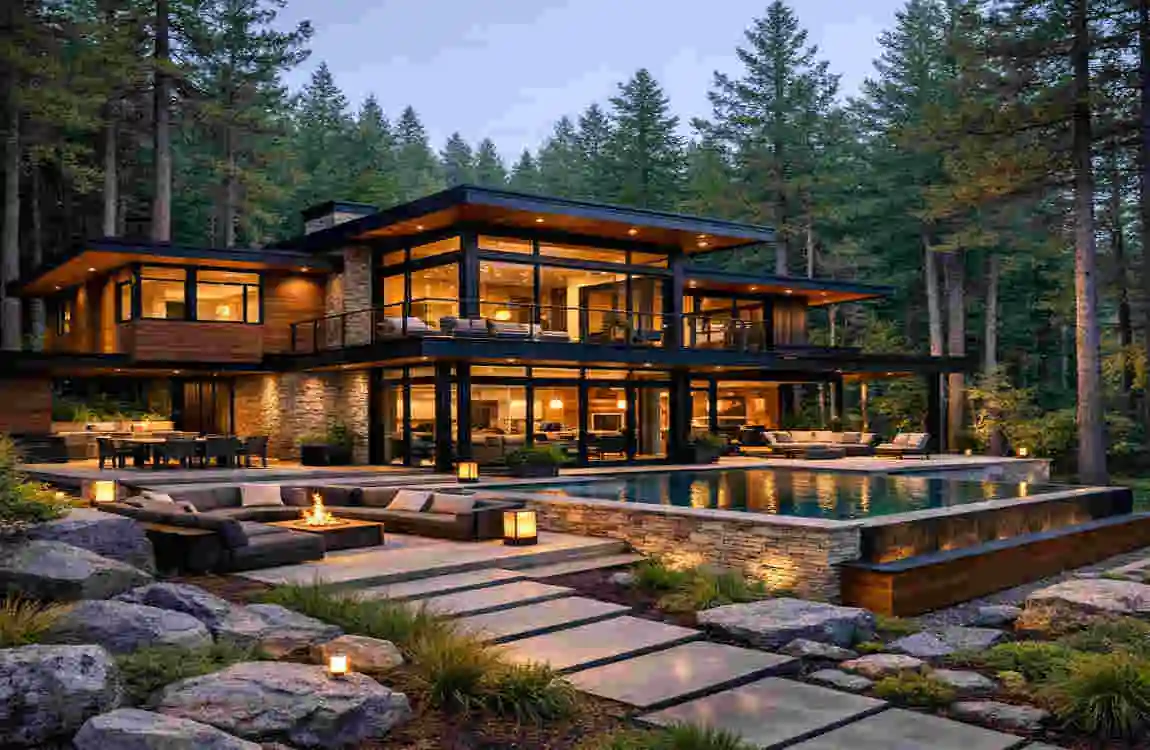
    Modern Home in the Woods

    Even a beautiful concept can go wrong if you miss the basics. When planning a modern home in the woods, try to avoid these common mistakes.

    Ignoring Insulation

    A wooded site may look calm, but the weather can be harsh. If you do not insulate properly, you may end up with cold drafts, high energy bills, and uncomfortable rooms. Good insulation is one of the smartest investments you can make.

    Forgetting Pest Protection

    Woodland properties often attract insects, rodents, and other wildlife. If you do not plan for pest-proofing early, you may face problems later. Seal entry points, use durable materials, and think carefully about storage and ventilation.

    Overbuilding the Site

    It is tempting to clear too much land or build too large. But a modern home in the woods usually works best when it respects the scale of the setting. A smaller, more thoughtful design often feels richer than a giant structure that overwhelms the trees.

    Poor Water Management

    Drainage is critical. If water pools near the foundation or runs toward the house, you may face long-term damage. Always think about how rain and snowmelt will move across the site.

    Treating the Forest Like a Backdrop

    The forest is not just scenery. It is part of the home. When you design with that in mind, your modern home in the woods will feel more natural, more durable, and more inspiring.

    FAQ

    What makes a modern home in the woods sustainable?

    A modern home in the woods becomes more sustainable when it uses passive design, efficient insulation, renewable energy, local or reclaimed materials, and a layout that respects the land. Native plants and low-impact foundations also help.

    How much does a modern home in the woods cost?

    The cost can vary widely, but many homes in this style fall between $300,000 and $1 million or more, depending on size, location, finishes, and the site’s difficulty.

    Can I build a modern home in the woods off-grid?

    Yes, many people do. A modern home in the woods can be designed with solar power, battery storage, a well, a septic system, rainwater systems, and satellite internet. The key is planning early and matching the systems to the site.

    Is a modern home in the woods hard to maintain?

    It can require more planning than a suburban home, but it is not impossible to manage. Good materials, strong drainage, pest protection, and regular upkeep make a big difference.

    What style works best for a woodland home?

    The best style is simple, durable, and connected to nature. Many people choose a modern home in the woods with clean lines, natural textures, large windows, and a modest footprint.

    Design Area What to Focus On Why It Matters
    Site Selection Choose a stable, scenic plot with good access and drainage. Helps avoid structural issues and makes the home practical to use.
    Exterior Materials Use wood, stone, glass, and weather-resistant finishes. Blends the home with nature while staying durable.
    Window Design Add large windows and glass walls for natural light and forest views. Creates an open, modern feel and connects indoor space with nature.
    Sustainable Features Include solar panels, rainwater systems, and energy-efficient insulation. Reduces environmental impact and lowers utility costs.
    Interior Style Keep the layout open, simple, and filled with natural textures. Supports a clean modern look while feeling warm and inviting.
    Landscaping Use native plants and minimal disturbance to the land. Preserves the woodland setting and maintains natural beauty.
    Share. Facebook Twitter Pinterest LinkedIn Tumblr Email
    Stella Victoria

    Related Posts

    What Are the Best Roofing Options for Your Home?

    May 4, 2026

    How Big is a 4000 Square Feet House? Real Size Comparisons to Apartments, Pools & More

    March 9, 2026

    Florida Pool Addition House Costs: Complete Price Guide

    March 5, 2026
    Leave A Reply Cancel Reply

    Top Posts

    Blueface House costs how much?

    May 24, 2024

    What Garage Door Styles Suit Modern Homes in Las Vegas?

    May 5, 2026

    Unveiling the Secret of Luke Combs House in Nashville

    June 16, 2024
    Stay In Touch
    • Facebook
    • YouTube
    • TikTok
    • WhatsApp
    • Twitter
    • Instagram
    Latest Reviews

    Stay Connected

    Fill the form below and get early updates.

    Most Popular

    Blueface House costs how much?

    May 24, 2024

    What Garage Door Styles Suit Modern Homes in Las Vegas?

    May 5, 2026

    Unveiling the Secret of Luke Combs House in Nashville

    June 16, 2024
    Latest Posts

    What Garage Door Styles Suit Modern Homes in Las Vegas?

    May 5, 2026

    How to Design a Modern Home in the Woods

    May 5, 2026

    How to Calculate Water Heater Replacement Costs in the UK

    May 4, 2026

    Did we make a mistake?

    Submit a correction suggestion and help us fix it!

    Facebook X (Twitter) Instagram Pinterest
    • About us
    • Contact us
    • Privacy Policy
    • Disclaimer
    • Terms And Conditions
    © 2026 ThemeSphere. Designed by ThemeSphere.

    Type above and press Enter to search. Press Esc to cancel.