
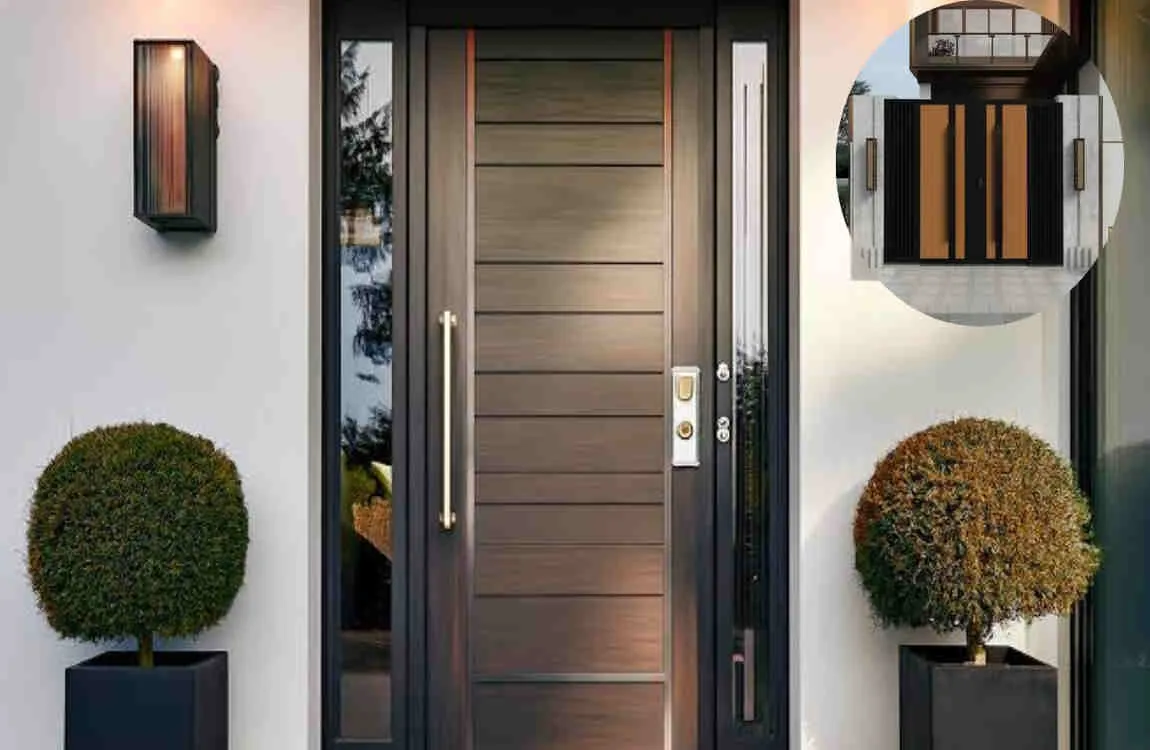
Think about your front door for a second. It is the main gateway to your sanctuary, welcoming friends and family while keeping unwanted guests out. Because of this, home security truly starts at the front door. If your entry point is weak, your entire home is vulnerable.
Choosing a secure entry door is one of the most important decisions you can make as a homeowner. It is not just about picking a color that matches your siding. It is about building a strong, reliable barrier that protects the people and things you love most.
What Is a Security Door?
Definition and Purpose
A security door is a heavily reinforced barrier designed to resist forced entry. While standard doors often use hollow wood or thin fiberglass, security doors rely on tough materials and advanced engineering.
How do security doors differ from standard doors? A normal door is built primarily for privacy and weather protection. A security door, on the other hand, is built to stop intruders in their tracks. They feature heavy-duty cores, specialized locking mechanisms, and shatter-proof glass that work together to form a highly defensive shield.
Why Modern Homes Need Better Door Security
Unfortunately, rising security concerns are a reality in many neighborhoods today. Burglars look for easy targets, and a flimsy front door is an open invitation.
You need a home that feels safe. Investing in a high-quality security door offers improved safety and peace of mind. When you know your front door can withstand heavy impacts and picking attempts, you sleep better at night. You can leave for vacation knowing your home is well-protected while you are away.
Top Security Door Features for Modern Homes
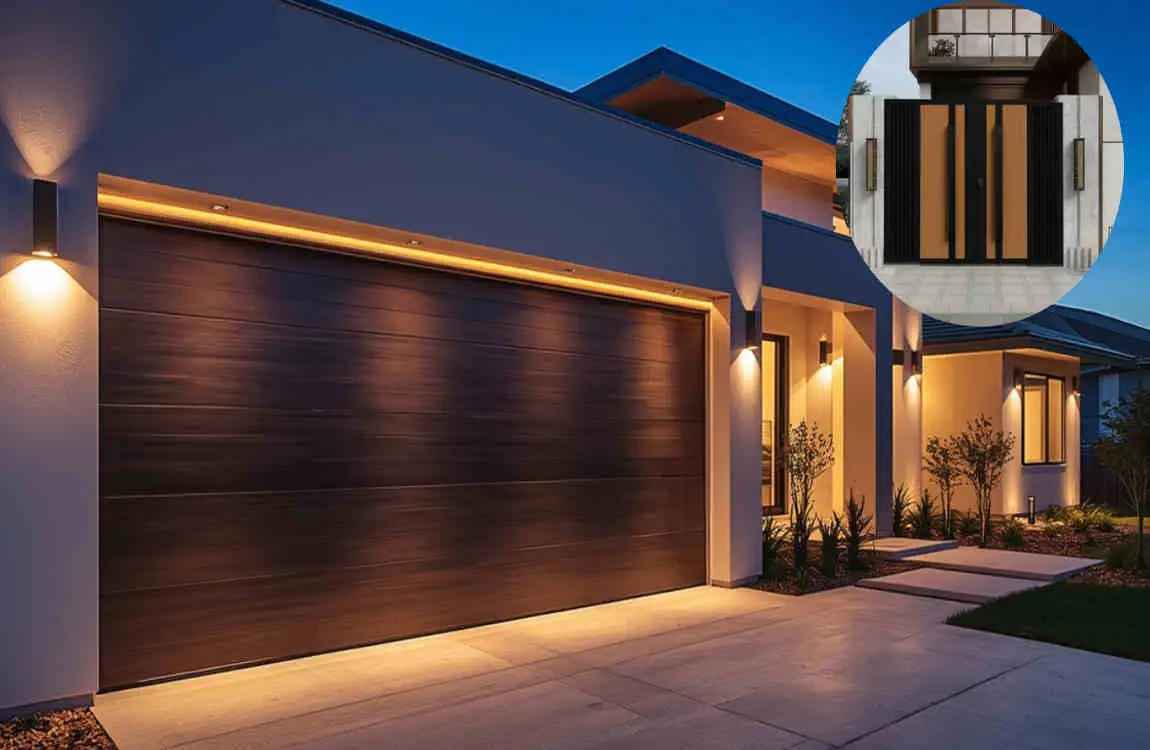
Reinforced Steel or Aluminum Construction
When it comes to building a tough door, materials matter. The foundation of any great security door is its core structure.
Strong materials like heavy-gauge steel and architectural-grade aluminum lead the pack. Steel offers raw, unmatched strength, making it incredibly difficult to kick in or break. Aluminum provides a lighter, rust-proof alternative that still delivers excellent defense. Both options offer long-lasting durability, ensuring your investment protects your home for decades.
Multi-Point Locking System
Forget the old days of relying on a single, flimsy lock. A multi-point locking system secures the door into the frame at three or more different points simultaneously.
When you turn the key, heavy metal hooks or bolts extend into the top, middle, and bottom of the door frame. This provides much better protection than single locks. By distributing the locking strength across the entire height of the door, you get increased resistance to forced entry and prying attempts.
Heavy-Duty Deadbolt Locks
Even if you do not opt for a multi-point system, you absolutely need a top-tier deadbolt. The importance of high-quality deadbolts cannot be overstated. A standard spring latch is easily defeated with a simple credit card, but a solid deadbolt holds strong.
Always look for ANSI security ratings when shopping. The American National Standards Institute (ANSI) grades locks from Grade 1 (highest security) to Grade 3 (basic security). For the best protection, always choose a Grade 1 deadbolt for your exterior doors.
Impact-Resistant Door Frame
A strong door is useless if the frame holding it crumbles under pressure. Many break-ins happen because the wooden door frame splinters, not because the door itself breaks.
Strong frames improve overall security by anchoring the door deeply into the structural studs of your house. Using a reinforced metal frame or heavy-duty strike plates prevents door kick-ins, effectively stopping one of the most common burglary methods.
Tamper-Resistant Hinges
Intruders are sneaky. If they cannot get past your lock, they might try to remove the door entirely by popping out the hinge pins.
To stop this, look for doors with hidden hinges that sit completely inside the door frame. If the hinges must be exposed, make sure they feature security hinge pins. These specialized pins cannot be removed when the door is closed, keeping your entryway completely secure.
Laminated or Tempered Security Glass
Glass looks beautiful on a front door, but it can be a major security flaw if it is easily broken. Fortunately, modern engineering offers safe glass options.
Security doors use laminated or tempered glass. Tempered glass crumbles into harmless pebbles instead of sharp shards, while laminated glass features a tough plastic interlayer that holds the glass together even when smashed. This break-resistant technology prevents thieves from shattering the glass and reaching inside to unlock the door.
Smart Lock Compatibility
The future of home security is here, and it is incredibly convenient. Integrating electronics is one of the most popular security door features for modern homes.
Keyless entry allows you to unlock your door with a simple code. Mobile app access lets you check if your door is locked from anywhere in the world. You can even set up temporary guest codes for dog walkers or family members, eliminating the need to hide a spare key under the welcome mat.
Weather Resistance
A great security door does more than stop burglars; it stops the elements. Your front door faces rain, snow, and beating sun all year long.
Look for doors with strong rust protection, especially if you choose steel. Excellent water and wind resistance keeps your home dry and comfortable. Furthermore, high-quality weatherstripping contributes to energy efficiency, keeping your warm air inside during winter and your cool air inside during summer.
Fire-Rated Door Options
For added home safety, consider a fire-rated security door. These doors are specially constructed to withstand extreme heat and flames for a set period, usually ranging from 20 to 90 minutes.
This gives your family precious time to escape during a fire and slows the spread of flames. Keep in mind your local building code considerations, as some areas require fire-rated doors between the house and the attached garage.
Security Screen Panels
You should not have to sacrifice fresh air for safety. Security screen doors are built with tightly woven stainless steel mesh.
This mesh is nearly impossible to cut or tear. It allows for brilliant ventilation without sacrificing security. You can leave your main door open to catch the breeze while keeping bugs, debris, and intruders securely outside.
Benefits of Installing Modern Security Doors
Upgrading your entryway provides a massive return on investment. Here are a few key benefits you can expect:
Better Home Protection
The most obvious benefit is an immediate upgrade to your personal safety. A heavy-duty door acts as a major visual deterrent. When thieves see a tough barrier, they usually skip your house and look for an easier target elsewhere.
Increased Property Value
Home buyers love safety. When it is time to sell, having top-tier security door features for modern homes makes your property highly attractive. It boosts your curb appeal and allows you to ask for a higher selling price.
Improved Energy Efficiency
Older doors warp and leak air, causing your heating and cooling bills to skyrocket. Modern security doors feature thick insulating cores and tight weather seals. This keeps your indoor climate perfectly regulated, saving you money every month.
Lower Maintenance Costs
Standard wood doors require constant sanding, painting, and sealing to avoid rot. Security doors made of metal or fiberglass are virtually maintenance-free. A quick wipe down with a damp cloth is usually all it takes to keep them looking brand new.
Enhanced Privacy
Many security doors feature tinted glass, mirrored finishes, or specialized mesh. These features allow you to easily see out into your yard, but stop strangers from peering into your home.
Materials Used in Security Doors
Choosing the right material dictates how your door will perform. Let’s break down the most popular options.
Steel
Steel is the undisputed king of strength. It is heavy, dense, and incredibly tough to dent or break. If your primary goal is maximum protection against brute force, a steel door is your best bet. Just be sure it has a good anti-rust coating to prevent corrosion over time.
Aluminum
Aluminum is a fantastic alternative to steel. It is naturally resistant to rust, making it perfect for coastal homes or areas with heavy rain. While it is slightly lighter than steel, modern architectural aluminum is still exceptionally strong and provides a great barrier against forced entry.
Fiberglass
If you love the warm, traditional look of wood but want the strength of modern engineering, choose fiberglass. Fiberglass can be molded with realistic wood grain textures. It will not warp, rot, or expand like real wood, and it hides a tough, reinforced core that stands up to heavy impacts.
Solid Wood with Steel Core
Real solid wood is beautiful but can be vulnerable to splitting. To solve this, manufacturers now create beautiful solid wood doors hidden around a heavy-duty steel core. You get the stunning, classic aesthetic of natural timber with the unyielding strength of metal hidden inside.
Smart Features Available in Modern Security Doors
Technology has completely transformed how we interact with our homes. Here is how smart tech makes your front door better.
Fingerprint Recognition
Imagine unlocking your door just by touching it. Biometric scanners read your unique fingerprint in a fraction of a second. It is fast, highly secure, and means you never have to fumble for your keys in the dark again.
Wi-Fi Enabled Locks
By connecting your door to your home’s Wi-Fi network, you gain total control. You can lock or unlock your door using a smartphone app, no matter where you are. You can also connect it to voice assistants like Alexa or Google Home.
Video Doorbell Integration
Seeing exactly who is at your door is a massive security upgrade. Many modern doors seamlessly integrate with smart video doorbells. When someone approaches, you get a high-definition video feed sent straight to your phone, allowing you to speak to visitors safely from the inside.
Remote Locking and Monitoring
Did you forget to lock the door on your way to work? No problem. Remote monitoring allows you to check your door’s status from your phone. You can lock it with a single tap, ensuring your home is always protected.
How to Choose the Right Security Door
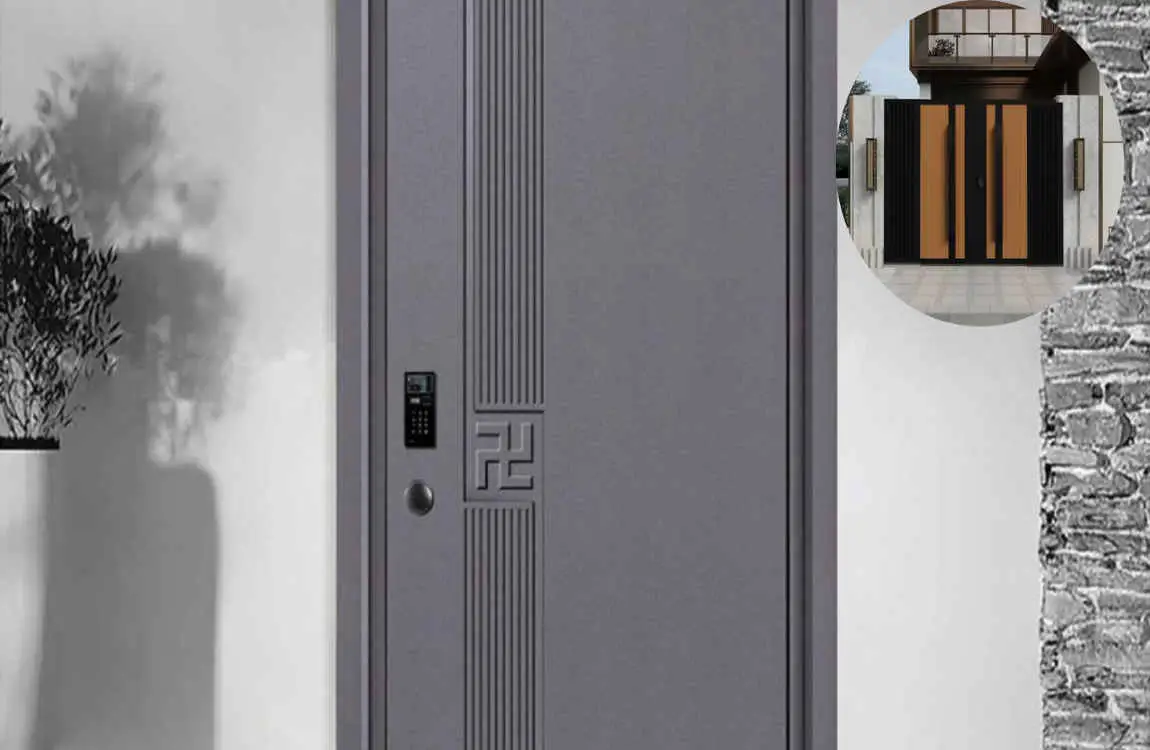
Ready to upgrade? Here is a simple guide to finding the perfect fit for your home.
Assess Your Security Needs
Take a look at your neighborhood and your specific house. Do you live on a busy street? You might want extra privacy glass. Do you have a dark, hidden porch? Focus heavily on brute-force protection and smart lighting integrations.
Consider Door Certifications
Do not just take a salesperson’s word for it. Look for doors that have been independently tested. Check for certifications against forced entry, impact resistance, and weather durability.
Compare Locking Systems
Pay close attention to the hardware. Compare standard deadbolts against multi-point locking systems. Decide early on if you want traditional keys or if you prefer the convenience of smart locks.
Check Warranty and Durability
A high-quality door should come with a strong warranty. Look for guarantees that cover the structural integrity of the door, the finish, and the mechanical parts. A long warranty proves the manufacturer stands behind their product.
Hire Professional Installation
Even the toughest door will fail if it is installed incorrectly. Always hire a trained professional to handle the installation. They will ensure the frame is anchored properly, the hinges are perfectly aligned, and the locks engage smoothly.
Common Mistakes to Avoid
When shopping for a security door, try to avoid these common pitfalls:
Buying Based Only on Appearance
It is tempting to buy a door just because it looks beautiful. However, a pretty door with a weak core will not protect you. Always prioritize strong security door features for modern homes over pure aesthetics.
Ignoring Door Frame Strength
Never put a heavy security door into an old, rotting wooden frame. The frame is the anchor point. If you upgrade your door, make sure you upgrade and reinforce the surrounding frame as well.
Choosing Cheap Locks
A heavy steel door is completely useless if it is secured with a bargain-bin lock. Thieves will bypass the door entirely and just pick or break the cheap lock. Always invest in Grade 1 deadbolts or high-end smart locks.
Skipping Professional Installation
Installing a heavy security door is not a simple weekend DIY project. If it is slightly off-balance, the locks will not align, and the weather seals will fail. Save yourself the headache and hire a professional.
Maintenance Tips for Security Doors
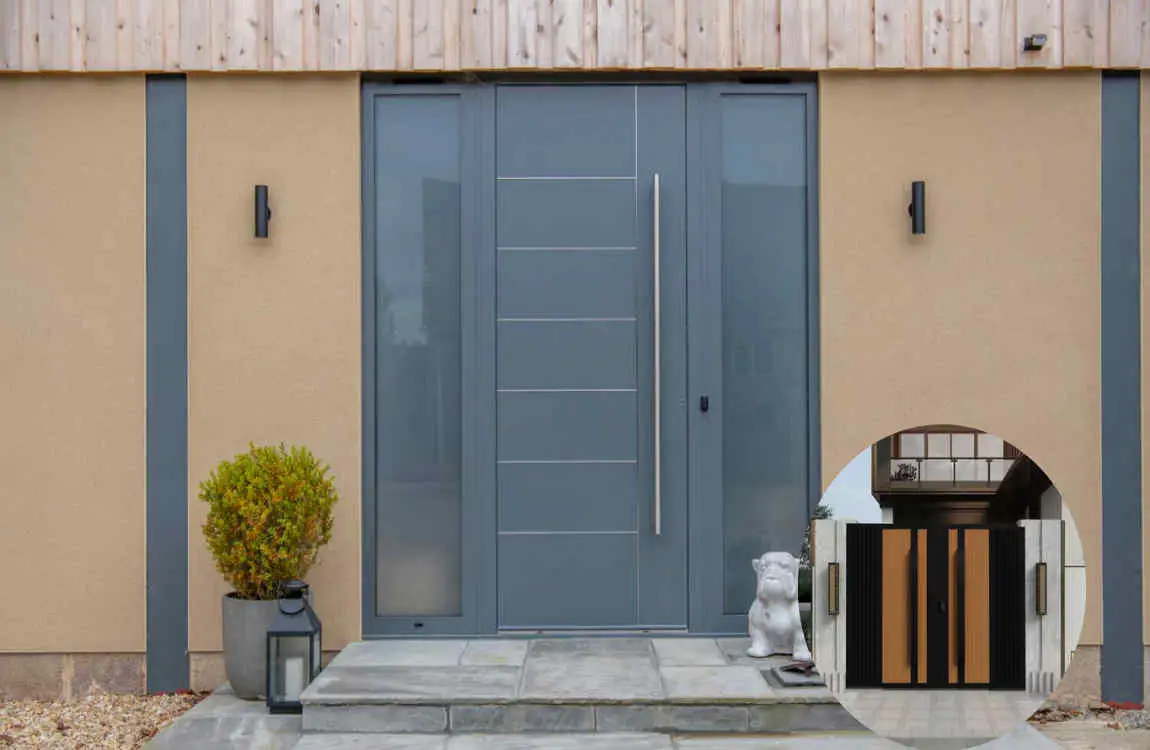
Keep your new door functioning perfectly with these easy maintenance steps:
Lubricate Locks Regularly
Over time, dust and dirt can make your locks feel sticky. Every six months, spray a dry Teflon or graphite lubricant into the keyhole. This keeps the internal pins moving smoothly and prevents your key from getting stuck.
Inspect Hinges
Check your hinges periodically to make sure the screws are tight. If the door starts to sag or squeak, tighten the hardware and apply a little bit of silicone spray to the hinge pins.
Clean Door Surface
Protect your door’s finish by wiping it down regularly. Use a mild soap and warm water with a soft cloth. Avoid harsh chemical cleaners or abrasive sponges, as these can scratch the protective coating.
Test Smart Lock Batteries
If you use a smart lock, keep an eye on the battery level via your mobile app. Change the batteries as soon as the low-power warning appears so you never get locked out.
Check Weather Seals
Inspect the rubber or foam weatherstripping around the edges of your door once a year. If it looks cracked, flattened, or torn, replace it immediately to maintain your home’s energy efficiency.
Frequently Asked Questions (FAQs)
What are the most important security door features for modern homes?
The key features include reinforced steel construction, multi-point locking systems, strong door frames, tamper-resistant hinges, and smart lock compatibility.
Are steel security doors better than wood doors?
Steel doors generally provide greater strength, durability, and resistance to forced entry than standard wood doors.
Do security doors increase home value?
Yes. A high-quality security door can improve curb appeal, enhance safety, and increase property value.
Can I install a smart lock on a security door?
Most modern security doors are designed to support smart locks, keyless entry systems, and home automation features.
How long do security doors last?
With proper maintenance, quality security doors can last 20–30 years or more, depending on the material and environmental conditions.
| Security Door Feature | Why It Matters |
|---|---|
| Solid Core Construction | Provides greater strength and resists forced entry better than hollow doors. |
| Steel or Reinforced Frame | Increases the overall durability and prevents the door from being kicked in. |
| Multi-Point Locking System | Locks the door at several points for enhanced security. |
| High-Security Deadbolt | Offers stronger protection against lock picking and forced entry. |
| Reinforced Hinges | Prevents the door from being removed by intruders. |
| Impact-Resistant Glass | Reduces the risk of break-ins through glass panels. |
| Smart Lock Compatibility | Enables keyless entry, remote access, and activity monitoring. |
| Peephole or Smart Door Viewer | Lets homeowners identify visitors before opening the door. |
| Tamper-Resistant Strike Plate | Strengthens the lock area and improves resistance to forced entry. |
| Weather-Resistant Materials | Protects the door from rust, moisture, and harsh weather, extending its lifespan. |
