
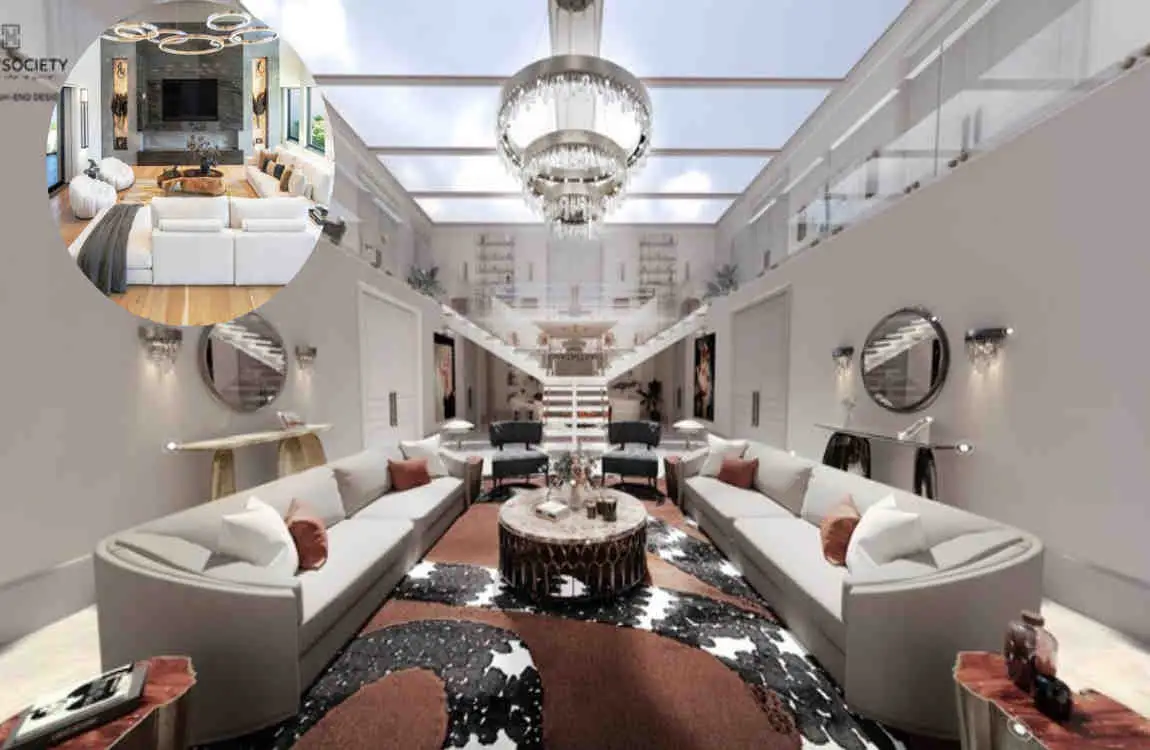
Have you ever tried to picture your dream home, only to feel overwhelmed by all the choices? Whether you are building a house from the ground up or planning a major renovation, making design decisions can be tough. That is exactly where a modern home design showroom steps in to save the day.
A modern home design showroom is a dedicated space where you can see, touch, and experience complete room layouts before you buy. Instead of guessing how a countertop will look next to your cabinets based on tiny internet photos, you get to see the real deal. Homeowners flock to these showrooms to explore layouts, furniture, building materials, and smart home ideas in a real-world setting.
What Is a Modern Home Design Showroom?
Definition and Purpose
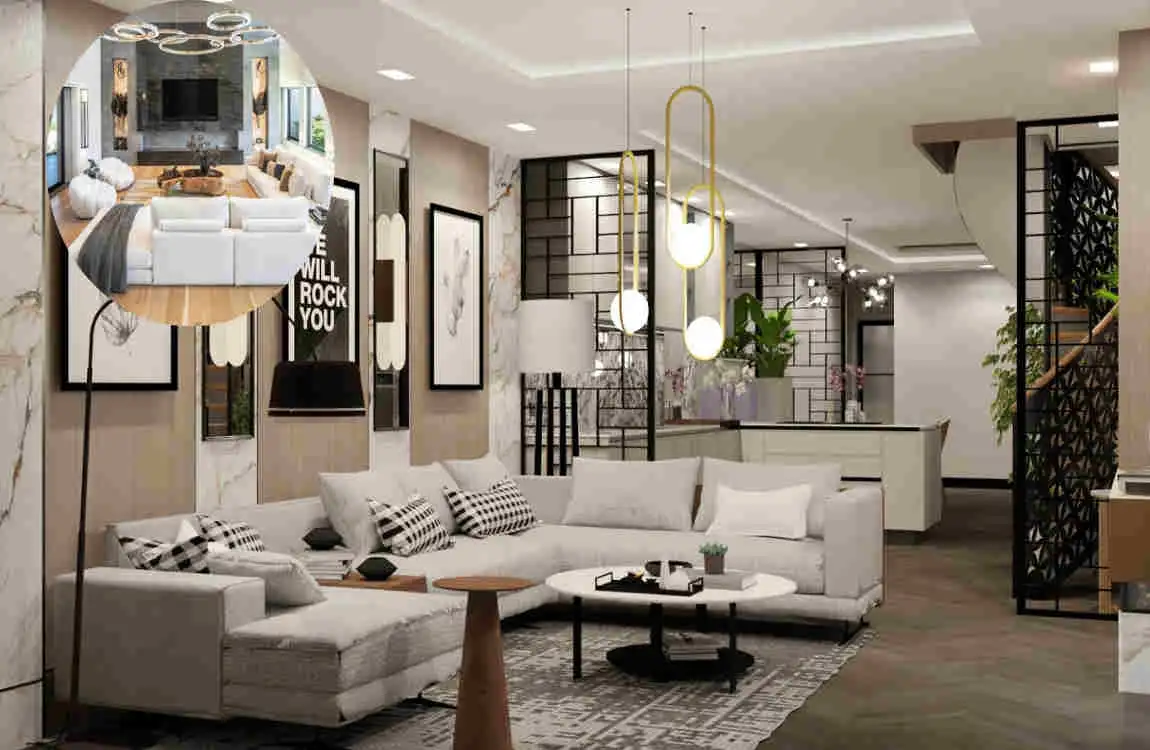
A modern home design showroom is much more than a simple retail store. It is a curated, immersive environment designed to showcase fully built room settings. The main purpose of these spaces is to help you visualize how different materials, colors, and furniture pieces work together in a real home.
You might wonder about the difference between a standard furniture showroom and a complete home design showroom. A furniture showroom just sells couches, tables, and beds. A complete home design showroom, on the other hand, features everything from the flooring and wall textures to the lighting fixtures, kitchen cabinets, and even the plumbing hardware. It is a one-stop shop for your entire home vision.
Who Should Visit One?
You might think these spaces are only for professionals, but they are open to anyone involved in a property project.
- Homeowners: If you are remodeling your kitchen or building a custom house, you need to visit one. It helps you bring your personal vision to life.
- Builders: Construction professionals use these showrooms to show their clients exactly what materials will go into their new homes.
- Interior Designers: Designers often bring their clients here to finalize color palettes, select fixtures, and agree on an overall theme.
- Property Investors: If you flip houses or manage rental properties, walking through a showroom helps you pick durable, trendy materials that increase property value.
Benefits of Visiting a Modern Home Design Showroom
Experience Real-Life Room Layouts
Online pictures can trick your eyes. In a showroom, you can walk through actual room layouts. You can see exactly how much space you need between a kitchen island and the cabinets. This hands-on experience helps you understand spatial flow and functionality.
Compare Materials and Finishes
Nothing beats touching a product with your own hands. You can run your fingers over natural stone countertops, feel the grain of hardwood floors, and test the smooth finish of custom cabinets. Comparing these materials side-by-side helps you choose the perfect textures for your home.
Discover Current Design Trends
Showrooms constantly update their displays to feature the latest styles in the interior design world. If you want to know what colors, metals, or lighting fixtures are trending this year, a modern home design showroom will show you exactly what is popular right now.
Test Smart Home Features
Modern homes rely heavily on technology. Many showrooms now feature fully integrated smart home setups. You can test voice-controlled lighting, try out smart thermostats, and see motorized window shades in action before you decide to install them in your house.
Get Professional Design Advice
Most showrooms employ knowledgeable design experts. These professionals walk the floor and answer your questions. They can help you mix and match materials, suggest alternatives that fit your budget, and guide you through the entire design process.
What You’ll Find Inside a Modern Home Design Showroom
Living Room Displays
When you walk into the living room section, expect to see fully styled spaces. You will find comfortable seating arrangements, modern entertainment centers, and creative lighting solutions. These setups help you figure out how to create a cozy yet stylish gathering space.
Kitchen Designs
The kitchen is the heart of the home, and showrooms treat it like one. You will see working islands, various styles of cabinetry, beautiful backsplashes, and high-end appliances. You can open the drawers, test the hinges, and see how different storage solutions actually work.
Bathroom Inspirations
Bathroom displays feature everything from sleek floating vanities to luxurious walk-in showers and freestanding soaking tubs. You will get to compare different tile patterns, showerheads, and lighting options that turn a basic bathroom into a spa-like retreat.
Bedroom Concepts
Bedroom displays focus on comfort and tranquility. You will discover modern wardrobe systems, creative bed frames, and layered lighting options that help you design a peaceful personal sanctuary.
Outdoor Living Spaces
Modern living extends beyond the four walls of your house. Many showrooms now feature outdoor patios, built-in barbecue grills, fire pits, and weather-resistant furniture to help you design the perfect backyard oasis.
Smart Home Technology
Tucked seamlessly into these room displays, you will find cutting-edge tech. Look out for hidden speakers, smart mirrors in the bathroom, and advanced security systems that blend perfectly with modern decor.
Popular Modern Home Design Styles
Minimalist Design
Minimalism focuses on the idea that “less is more.” This style uses clean lines, neutral colors, and clutter-free spaces. If you love a tidy, peaceful environment with a few high-quality furniture pieces, you will naturally gravitate toward minimalist displays.
Scandinavian Style
Scandinavian design blends modern simplicity with warm, cozy elements. You will notice plenty of light-colored woods, soft textured fabrics, and bright, airy spaces that make a room feel inviting and comfortable.
Contemporary Homes
Contemporary style is always changing because it reflects what is popular right now. Currently, it features a mix of curved furniture, bold contrast, and a blend of natural materials like wood and metal.
Industrial Interiors
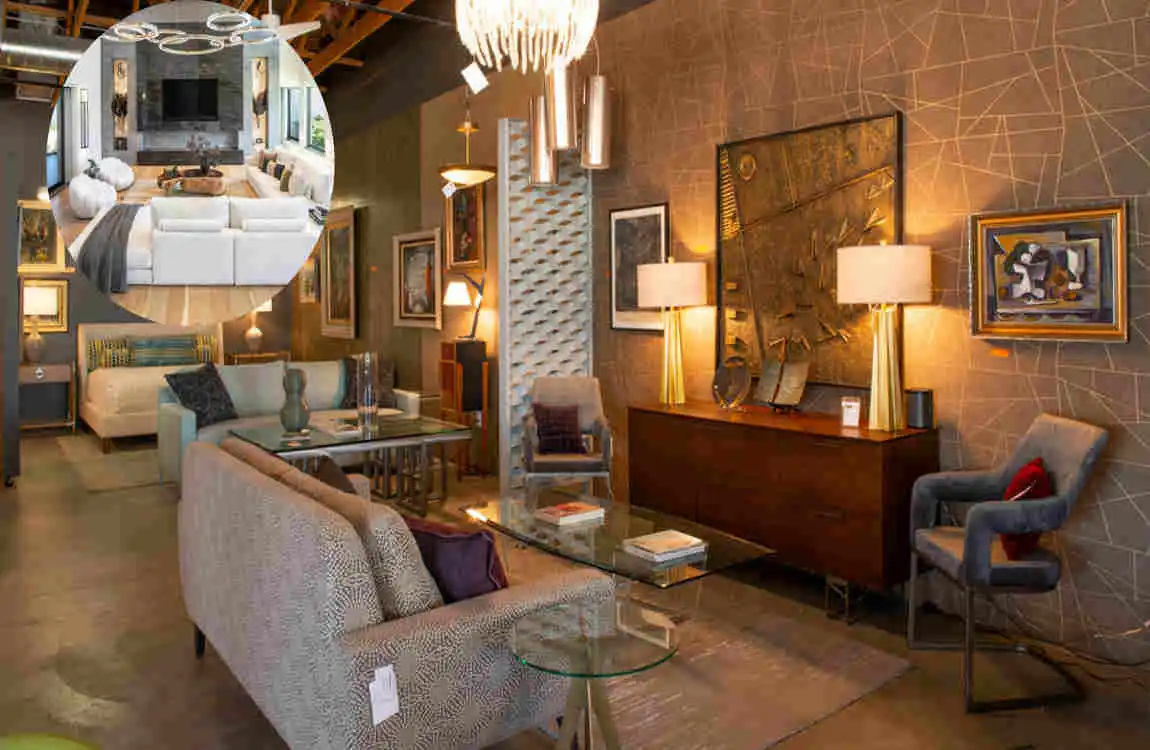
Inspired by old factories and warehouses, industrial design leaves structural elements exposed. Expect to see brick walls, concrete floors, visible ductwork, and black metal accents that create a cool, urban vibe.
Luxury Modern Design
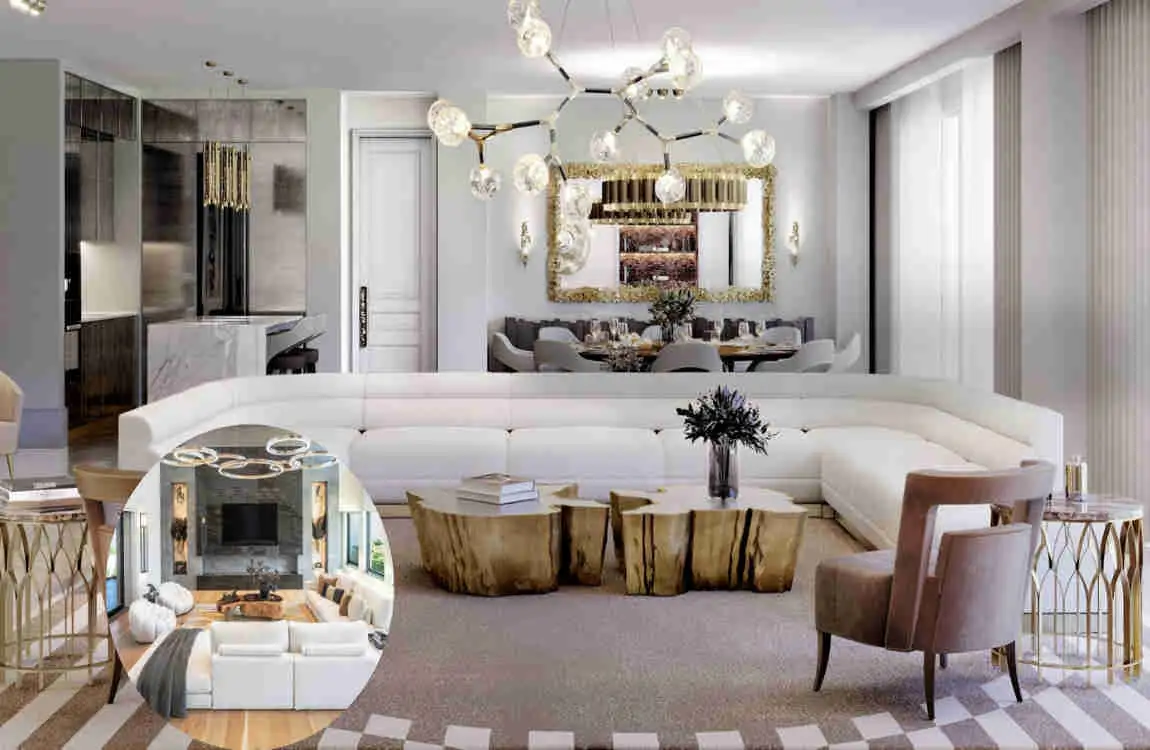
If you want an upscale feel, luxury modern design is for you. This style incorporates high-end materials like marble, brass, and velvet. It focuses on large, statement-making pieces and custom, built-in features that scream elegance.
How to Choose the Right Modern Home Design Showroom
Check Design Variety
You want to visit a place that offers plenty of options. Look for a showroom that features multiple different design styles under one roof. This variety allows you to explore different aesthetics before locking in your choice.
Read Customer Reviews
Before you drive across town, check online reviews. Look for feedback from past customers regarding the helpfulness of the staff, the quality of the displays, and the overall shopping experience.
Compare Pricing
Some showrooms cater only to high-end, luxury budgets, while others offer beautiful, budget-friendly options. Make sure the showroom you choose aligns with your financial plan for the project.
Ask About Customization
Your home should reflect your unique personality. Check if the showroom offers customizable options for cabinetry, furniture fabrics, and layouts, rather than just selling pre-packaged, cookie-cutter designs.
Look for Experienced Designers
A great showroom is only as good as the people who work there. Look for locations that employ certified interior designers or experienced project managers who can offer you expert, personalized advice.
Questions to Ask During Your Visit
To get the most out of your trip, do not be afraid to speak up. Here is a handy list of questions you should ask the showroom staff:
- Are custom designs available? Find out if you can tweak the displays to fit your exact room measurements.
- What materials are recommended? Ask what holds up best for your specific lifestyle, especially if you have kids or pets.
- Can I see 3D visualizations? Many modern showrooms can take the materials you pick and create a 3D computer model of your room.
- What is the estimated project timeline? Ask how long it takes to order and deliver the materials you like.
- Are installation services included? Find out if the showroom has a team to install your items, or if you need to hire an outside contractor.
Mistakes to Avoid
Visiting a modern home design showroom is exciting, but it is easy to get carried away. Avoid these common pitfalls:
- Visiting without a budget: It is very easy to fall in love with a kitchen that costs three times what you can afford. Know your numbers before you walk in.
- Ignoring room measurements: Falling for a massive sectional sofa does you no good if it will not fit through your front door.
- Choosing style over functionality: A glass dining table might look gorgeous, but it could be a nightmare to keep clean if you have toddlers.
- Skipping warranty details: Always ask how long the products are guaranteed to last.
- Not comparing multiple showrooms: Do not just visit one place. Shop around to ensure you are getting the best ideas and the best prices.
Tips for Getting the Most from Your Visit
Set yourself up for a successful shopping trip by following these simple tips:
- Bring your floor plan. Having your exact room dimensions helps the designers give you accurate advice.
- Carry inspiration photos. Bring a folder or a phone gallery full of styles you like. This gives the staff a great starting point.
- Set a realistic budget. Be honest with the designers about what you can spend so they can show you the right products.
- Ask plenty of questions. There are no silly questions when it comes to your modern home. Ask about durability, cleaning, and lead times.
- Take notes and photos (if permitted). Snap pictures of the price tags and materials you love so you do not forget them when you go back home.
Frequently Asked Questions (FAQ)
What is a modern home design showroom?
A modern home design showroom is a space where homeowners can explore complete home layouts, interior designs, furniture, materials, and smart home solutions in a realistic setting.
Is visiting a home design showroom free?
Many showrooms allow free entry, while some offer premium design consultations for an additional fee. It is always best to call ahead and check.
Can I customize the designs shown?
Yes. Most modern home design showrooms provide customization options based on your budget, space, and personal style. You rarely have to buy exactly what is on the floor.
How long should I spend at a showroom?
A typical visit lasts between 1 and 3 hours, depending on the size of the showroom and the level of consultation you need. Give yourself plenty of time so you do not feel rushed.
Are showrooms useful for home renovations?
Absolutely. They help you compare materials, explore layouts, and make highly informed design decisions before starting your renovation project.
| Feature | Details |
|---|---|
| What Is a Home Design Showroom? | A space where homeowners can explore modern home layouts, materials, furniture, and finishes before building or renovating. |
| Purpose | To compare design styles, test products, and gather ideas for a new or remodeled home. |
| Popular Displays | Modern kitchens, bathrooms, living rooms, bedrooms, flooring, lighting, and smart home systems. |
| Design Styles | Contemporary, minimalist, Scandinavian, industrial, modern farmhouse, and luxury modern. |
| Key Features | Open floor plans, large windows, energy-efficient materials, sleek cabinetry, and smart technology. |
| Benefits | Helps visualize designs, compare products, and make informed purchasing decisions. |
| Who Should Visit? | Homeowners, builders, architects, interior designers, and renovation planners. |
| Things to Look For | Material quality, functionality, storage solutions, color combinations, and lighting options. |
| Typical Cost to Visit | Most home design showrooms offer free entry, while some premium design centers may require appointments. |
| Best Time to Visit | Weekdays or during new product launches for personalized assistance and fewer crowds. |
