
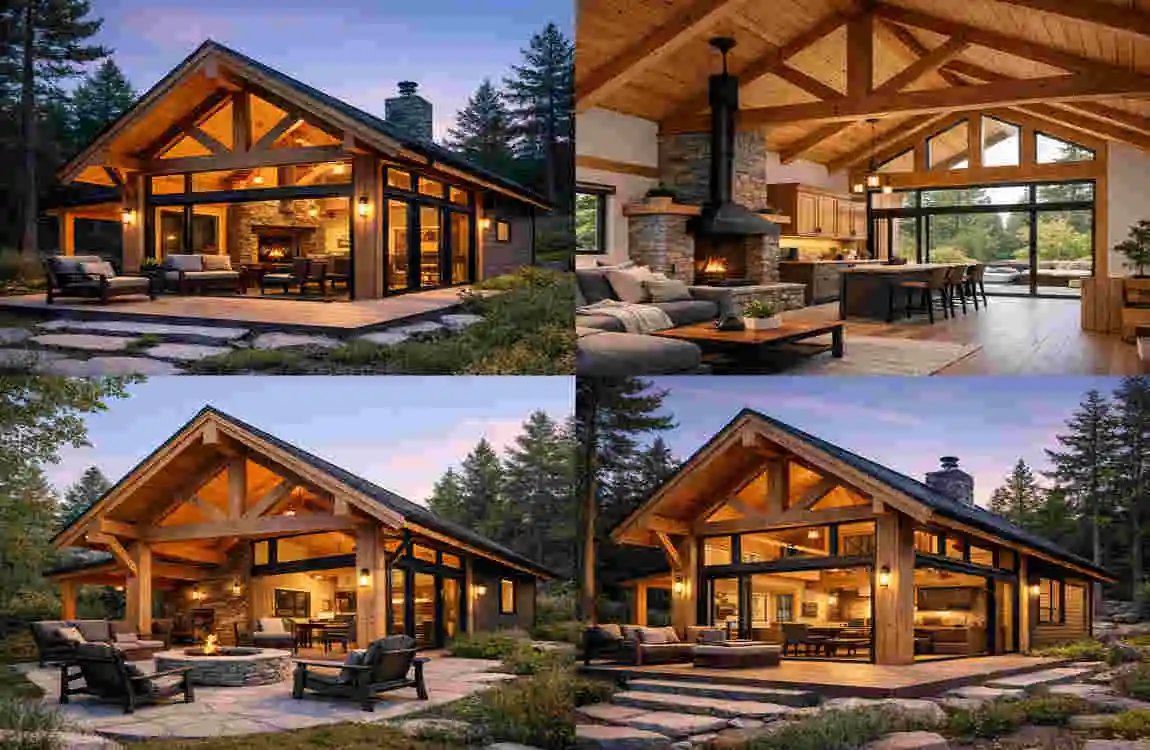
A Small Modern Timber Frame Home brings together two things many homeowners want today: smart space use and warm natural style. These homes feel clean, modern, and practical, but they also keep the comfort and character that timber can bring. That is a big reason they are becoming so popular.
If you are thinking about building or designing one, you probably want a home that feels open, bright, and easy to live in. You may also want something that costs less to build and is simpler to maintain. A timber frame home can do all of that when it is planned well.
What Is a Small Modern Timber Frame Home?
Definition and Key Features
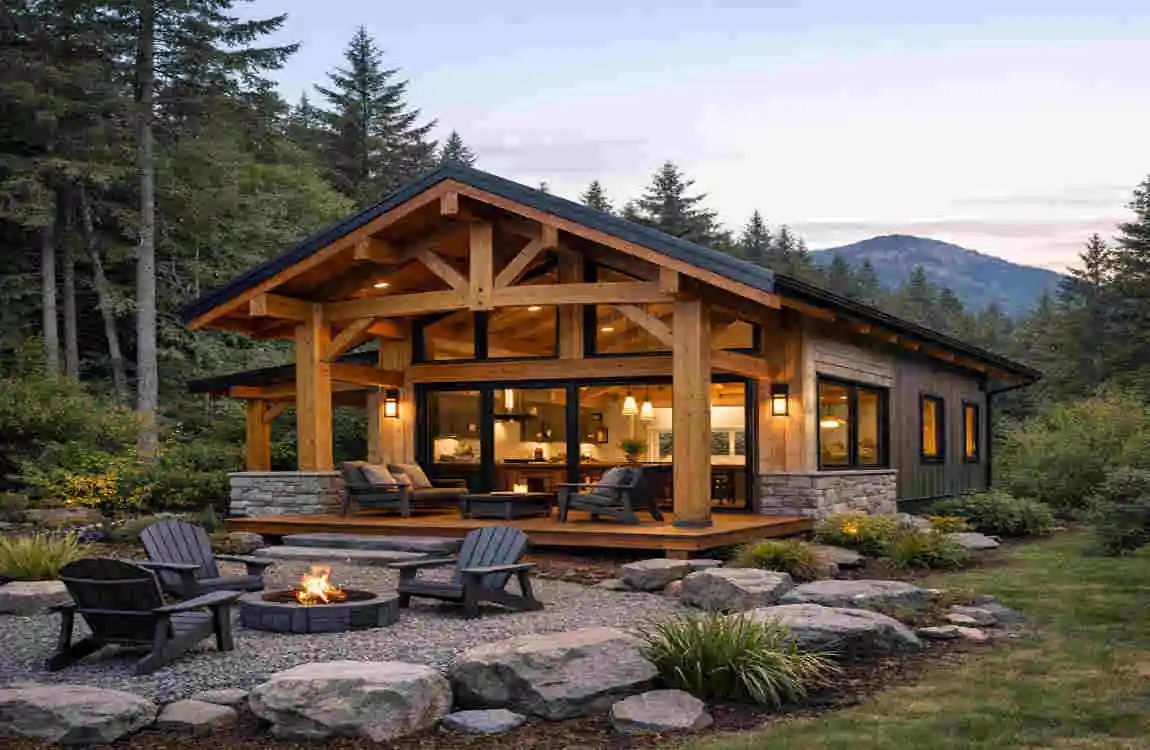
A Small Modern Timber Frame Home is a compact house built with a strong timber structure and shaped with modern design ideas. The frame supports the home, while the layout focuses on clean lines, open areas, and practical living.
These homes usually include simple shapes, large windows, and efficient floor plans. Instead of wasting space, every part of the home serves a purpose. That makes them a smart choice for couples, small families, or anyone who wants a simpler lifestyle.
The timber frame also gives the house a natural look that feels warm and inviting. At the same time, the modern design keeps it stylish and fresh.
Why Homeowners Love Small Timber Homes
Many people love timber homes because they feel different from standard houses. The wood adds beauty, texture, and comfort.
They are also attractive because they can be energy efficient, especially when paired with good insulation and quality windows. Timber is also a more sustainable material than many other building options, which appeals to eco-conscious homeowners.
Another big advantage is lower maintenance in the long run when the home is built properly. A small layout also means less cleaning and easier upkeep, which is a real benefit in everyday life.
Benefits of Choosing a Small Modern Timber Frame Home
Energy-Efficient Design
A well-designed timber frame home can help keep heating and cooling costs under control. When you use proper insulation and good sealing, the home holds temperature better.
This means your home stays more comfortable across the seasons. It also means you may use less energy over time, which can support both your budget and the environment.
Affordable Building Costs
Smaller homes usually cost less to build than larger homes. That is one of the strongest reasons people choose a compact timber frame design.
You may spend less on materials, labor, and finishing work. Even better, a smaller home can often be easier to furnish and maintain after construction is complete.
Faster Construction Time
Because the home is smaller and the structure is often simpler, the building process can move faster. That is helpful if you want to move in sooner.
A faster build also means fewer delays and less stress during construction. For many homeowners, that makes the whole process feel easier to manage.
Eco-Friendly Living
Timber is a renewable material, which makes it a strong choice for greener building. Small homes also use fewer resources overall.
When you combine a timber frame with efficient design, you can reduce waste and create a home that feels better for the planet. If sustainability matters to you, this style fits well.
Long-Term Durability
A properly built timber frame home can last for many years. Timber frames are strong, stable, and capable of supporting a lasting structure.
When the materials are good, and the upkeep is regular, a timber frame home can stay beautiful and durable for a very long time.
Popular Design Ideas for Small Modern Timber Frame Homes
Open-Concept Living Spaces
Open-concept layouts are a natural fit for smaller homes. They make the space feel larger, lighter, and easier to move through.
Instead of cutting the home into too many small rooms, open layouts connect the kitchen, dining, and living areas. This creates a smooth flow and a more relaxed feel.
Large Glass Windows
Large windows are one of the best ways to brighten a small home. They let in natural light and help the space feel more open.
They also connect the inside of the home with the outdoors. That creates a calm, airy feeling that works beautifully with timber design.
Vaulted Ceilings
Vaulted ceilings can make a small home feel much bigger than it is. They add height and give the room a more dramatic look.
When timber beams are visible, the space feels even more stylish. It is a simple design choice that can make a big difference.
Natural Wood Interiors
Timber interiors bring warmth and character into the home. You do not need too much decoration when the wood itself already looks beautiful.
You can leave some areas natural, stain them lightly, or mix wood with simple modern finishes. That balance creates a clean but cozy home.
Minimalist Exterior Designs
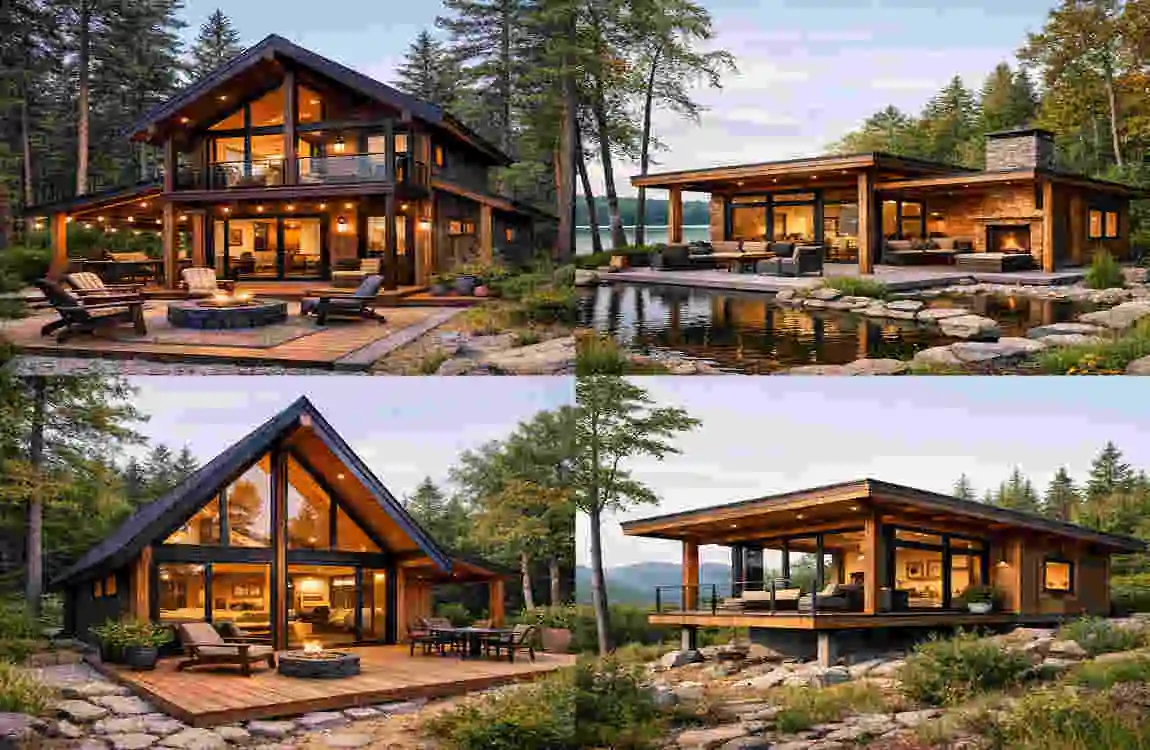
A modern timber frame home often looks best when the exterior stays simple. Clean lines, neat roof shapes, and limited ornamentation keep the look fresh.
Minimalist design also helps highlight the timber itself. The result feels modern, uncluttered, and timeless.
Best Floor Plan Ideas
One-Bedroom Layout
A one-bedroom layout works well for singles or couples. It gives you enough privacy while keeping the home compact and efficient.
This plan usually includes one main bedroom, one bathroom, and a shared living area. It is simple, practical, and easy to maintain.
Loft-Style Floor Plan
Loft-style layouts are popular because they use vertical space wisely. The main living area stays open, while the sleeping area sits above or partly above the main level.
This design works especially well in smaller homes where every square foot matters. It also adds a modern and stylish feeling.
Two-Bedroom Family Design
A two-bedroom plan is a smart choice for small families or homeowners who want a guest room or office. It gives more flexibility without making the home too large.
You can keep the layout open while still creating private zones for sleeping and quiet time. That balance makes daily living much easier.
Studio Cabin Layout
A studio-style layout works best for very small timber homes or vacation spaces. Everything is arranged in one connected space, with smart separation through furniture or design elements.
This type of layout feels efficient and cozy. It is a great option if you want something simple and budget-friendly.
Interior Design Inspiration
Scandinavian Style
Scandinavian design fits a small modern timber home very well. It uses light colors, clean shapes, and simple furniture.
This style helps the home feel calm and open. It also works nicely with natural wood because it does not compete with the timber.
Rustic Modern Decor
Rustic modern style mixes old and new in a balanced way. You may use wood, soft fabrics, black metal details, and simple décor.
This style creates warmth without making the home feel heavy. It is a good choice if you want comfort with a modern edge.
Neutral Color Palette
Neutral colors such as white, beige, gray, and soft brown help a small home feel larger and brighter. They also make the wood details stand out.
A neutral palette is easy to live with because it stays calm and flexible. You can change accents later without redoing the whole space.
Space-Saving Furniture
In a small home, furniture should work hard for you. Think about storage benches, fold-out tables, slim shelving, and compact seating.
These pieces save space and help keep the home organized. That makes everyday life feel less crowded and more comfortable.
Exterior Design Inspiration
Black Timber Exterior
A black timber exterior creates a bold and modern look. It stands out without needing many extra details.
This finish works especially well with large windows and simple roof lines. It gives the home a strong, elegant character.
White Modern Facades
White exteriors look clean, bright, and timeless. They pair well with timber accents and natural surroundings.
If you want a fresh and simple style, this is a strong choice. It also helps the home feel light and open from the outside.
Metal Roofing
Metal roofing is a practical choice for a modern timber frame home. It looks sleek and usually performs well in different weather conditions.
It also adds to the modern style. When combined with timber, the look feels balanced and refined.
Covered Outdoor Decks
A covered deck extends your living space outdoors. It gives you a place to relax, eat, or enjoy fresh air in comfort.
For a small home, this is a valuable addition. It makes the home feel larger without adding too much indoor space.
Planning Before Building
Selecting the Right Location
The location matters just as much as the design. You want a site that suits your lifestyle, climate, and budget.
Think about sunlight, privacy, land slope, and access to utilities. A good location supports both comfort and long-term value.
Budget Planning
A clear budget helps you stay in control. Small homes may cost less than larger ones, but design choices can still raise expenses.
Plan for the structure, materials, labor, finishing, and a small cushion for surprises. That way, you stay prepared.
Choosing the Best Timber
Not all timber is the same. You want strong, reliable wood that fits your climate and design goals.
Good timber should be properly treated and sourced with care. This helps protect the home and improve its lifespan.
Hiring an Experienced Builder
A builder with timber frame experience can save you time, money, and stress. They understand the details that matter most.
This is important because timber frame construction needs careful planning. The right builder helps bring your idea to life the right way.
Common Mistakes to Avoid
Some mistakes can make a small home feel less comfortable than it should.
- Ignoring insulation can lead to energy waste and poor comfort.
- Poor space planning can make the home feel cramped.
- Choosing low-quality timber can affect strength and durability.
- Overlooking natural lighting can make the space feel dark and small.
If you avoid these problems early, your home will work much better for daily living.
Estimated Cost of a Small Modern Timber Frame Home
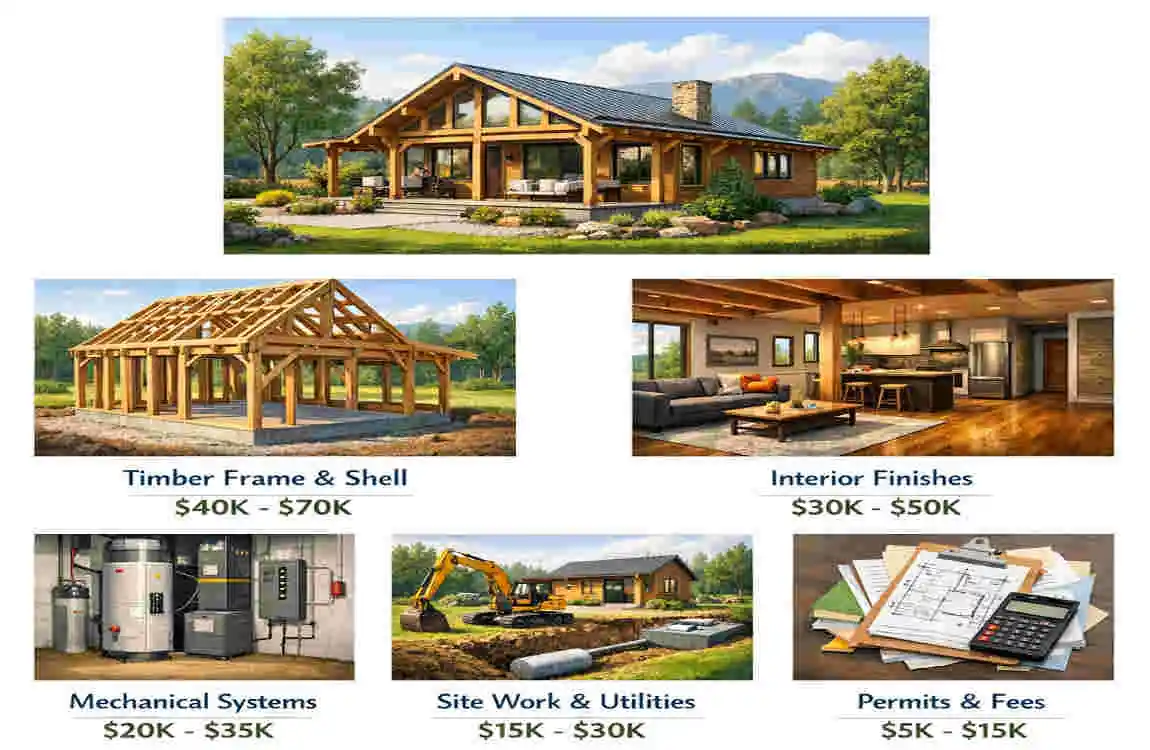
Home Size Estimated Cost (USD)Ideal For
600–800 sq ft $120,000–$220,000 Couples
800–1,000 sq ft $180,000–$300,000 Small families
1,000–1,200 sq ft $250,000–$400,000 Growing families
These prices can change based on location, materials, labor, and custom design choices. Still, the table gives you a useful starting point.
Frequently Asked Questions
What is a Small Modern Timber Frame Home?
It is a compact home built with a timber structure and designed with modern features like open layouts, clean lines, and efficient use of space.
Are timber frame homes energy efficient?
Yes. With proper insulation and quality windows, they can be very energy efficient and help lower heating and cooling costs.
How much does a small modern timber frame home cost?
Most small timber frame homes cost between $120,000 and $400,000, depending on size, materials, and design choices.
How long do timber frame homes last?
A well-built and well-maintained timber frame home can last 100 years or more.
Are small timber frame homes environmentally friendly?
Yes. Timber is renewable, and small homes usually use fewer materials and less energy overall.
Is a timber frame home suitable for year-round living?
Absolutely. With good insulation, heating, and ventilation, it can be comfortable in all seasons.
| Feature | Details |
|---|---|
| Home Style | Small Modern Timber Frame Home |
| Typical Size | 600–1,800 sq. ft. |
| Design Style | Modern, minimalist, open-concept |
| Frame Material | Exposed timber beams with engineered wood or solid timber |
| Exterior Finish | Wood siding, metal panels, stone accents, or fiber cement |
| Roof Style | Gable, shed, or flat roof |
| Interior Features | Vaulted ceilings, exposed beams, large windows, loft spaces |
| Energy Efficiency | High insulation, energy-efficient windows, passive solar design |
| Popular Colors | Natural wood, black, white, charcoal gray, and earthy tones |
| Best For | Small families, couples, vacation cabins, and downsizing |
| Key Benefits | Durable, eco-friendly, bright interiors, timeless appearance |
| Estimated Cost | Around $180–$400+ per sq. ft. (varies by location and finishes) |
| Popular Additions | Covered porch, deck, skylights, fireplace, and smart home features |
