Close Menu

    Subscribe to Updates

    Get the latest creative news from FooBar about art, design and business.

    What's Hot

    Why Hybrid Resilient Flooring Is Trending in Modern Homes Full Guide

    April 18, 2026

    Tour Alexia Nepola’s New House: Smaller Space, Bigger Style in Sunny Isles Beach

    April 17, 2026

    Optimal Spot for Whole House Water Filter Installation

    April 17, 2026
    Facebook X (Twitter) Instagram
    Facebook X (Twitter) Instagram
    Crazzy Homes
    Button
    • HOME
    • HOME IMPROVEMENT
      • HOME DECOR
      • ARCHITECTURE
      • FURNITURE
      • FLOORING
      • CLEANING
      • INTERIOR
        • BEDROOM
        • BATHROOM
        • DOORS
        • WINDOW
      • EXTERIOR
        • GARDENING
    • CELEBRITY HOME

      Tour Alexia Nepola’s New House: Smaller Space, Bigger Style in Sunny Isles Beach

      April 17, 2026

      Rickie Fowler’s House Tour: Inside the Golfer’s Stunning Luxury Home

      April 16, 2026

      Jeffrey Gundlach House: Architecture, Location & Net Worth Lifestyle Explained

      April 15, 2026

      Harvey Weinstein’s Real Estate: Inside His Houses, Mansions & Property Deals

      April 14, 2026

      Erin Andrews House Tour: Inside the $9M Hermosa Beach Mansion with Jarrett Stoll

      April 13, 2026
    • Real Estate
    • PLUMBING
    • KITCHEN
      • APPLIANCES
    • LIFE STYLE
    Crazzy Homes
    Home » What Lies Under Vinyl Flooring in Your Home: Subfloor, Underlayment & Must-Know Secrets
    FLOORING

    What Lies Under Vinyl Flooring in Your Home: Subfloor, Underlayment & Must-Know Secrets

    Stella VictoriaBy Stella VictoriaApril 16, 2026No Comments20 Mins Read
    Facebook Twitter Pinterest LinkedIn Tumblr Email
    What Lies Under Vinyl Flooring
    Share
    Facebook Twitter LinkedIn Pinterest Email

    Have you ever walked into a room, admired a beautifully laid floor, and wondered what exactly is keeping it so stable, quiet, and comfortable? When it comes to home renovations, it is incredibly easy to get distracted by the beautiful top layer of your new floor. You spend weeks agonising over the perfect shade of grey oak, the realistic wood-grain texture, and the exact width of the planks. However, the true secret to a floor that lasts for decades does not lie on the surface. To ensure a perfect installation, you need to know exactly what lies beneath the the vinyl flooring.

    Understanding the hidden layers beneath your feet matters just as much—if not more—than the vinyl planks themselves. Think of your floor as a layered sandwich. If the bread at the bottom is soggy or uneven, the whole sandwich falls apart. In the flooring world, this system consists of three main layers: the structural subfloor, the protective underlayment, and the visible vinyl flooring itself.

    Getting this base combination right will dictate everything about your daily living experience. It affects the overall durability of the planks, how comfortable the floor feels when you walk barefoot, how much noise the floor echoes, and how well it resists dangerous moisture.

    Layer Description Common Materials Key Benefits in Homes When Required
    Subfloor Structural base that supports the entire flooring system. Plywood, OSB, concrete slabs. Provides stability; must be flat, dry, and clean. Always required as the foundation.
    Underlayment Cushioning layer between subfloor and vinyl. Foam, cork, rubber, felt. Adds comfort, reduces noise, smooths minor imperfections. Optional for some click-lock vinyl; recommended for sound/moisture control.
    Moisture Barrier Protective sheet against dampness from below. 6-mil polyethylene, built-in vapor retarders. Prevents mold/warping, especially over concrete. Essential in basements, bathrooms, or humid areas.
    Pre-Attached Pad Thin foam bonded directly to vinyl planks. IXPE foam or similar. Simplifies install; built-in cushioning. Comes with many modern luxury vinyl planks (LVP).

    Table of Contents

    Toggle
    • What Is Under Vinyl Flooring?
    • The Role of the Subfloor
      • The Foundation of Your Flooring
      • Common Subfloor Materials
      • The Golden Rules of Subfloors
    • Why Underlayment Matters
      • The Unsung Hero of the Flooring World
      • The Five Main Purposes of Underlayment
      • Do You Always Need It?
    • Types of Underlayment for Vinyl Flooring
      • Foam Underlayment
      • Cork Underlayment
      • Rubber Underlayment
      • Felt Underlayment
      • Making the Right Choice
    • Moisture Barriers and Vapour Protection
      • The Invisible Enemy
      • The Problem with Concrete Subfloors
      • Vapour Barriers to the Rescue
      • High-Risk Zones in Your Home
      • Vapour Barrier vs Underlayment
    • What Is Under Vinyl Flooring in Different Rooms?
      • Kitchens: The Spill Zone
      • Bathrooms: The Wet Zone
      • Basements: The Damp Zone
      • Living Rooms and Bedrooms: The Comfort Zone
    • Can You Install Vinyl Flooring Over Existing Floors?
      • When You Can Keep the Old Floor
      • When the Existing Floor Must Go
      • The Danger of Telegraphing
    • Common Mistakes Homeowners Make
      • Installing Over a Dirty Subfloor
      • Ignoring Moisture Problems
      • Skipping the Floor Levelling Process
      • Assuming Every Vinyl Product is the Same
      • Overlooking Manufacturer Instructions
    • Must-Know Secrets Before Installing Vinyl Flooring
      • Flatness Matters Way More Than Levelness
      • Not Every Vinyl Floor Needs Extra Padding
      • Moisture Testing Can Prevent Expensive Failures
      • A Small Subfloor Problem Always Shows Through
      • Manufacturer Guidelines are the Ultimate Rulebook
    • How to Inspect What Is Under Your Vinyl Flooring
      • Clever Ways to Peek Underneath
      • Warning Signs of Hidden Subfloor Damage
      • The Evaluation Checklist
    • Professional Installation vs DIY
      • When DIY is Highly Manageable
      • When a Professional is the Better Choice
      • The True Value of the Pros
    • FAQ
      • What is typically under vinyl flooring?
      • Do you need underlayment for vinyl flooring?
      • Can vinyl flooring be installed directly on concrete?
      • What is the purpose of underlayment?
      • What happens if the subfloor is uneven?
      • Is a vapor barrier necessary under vinyl flooring?
      • Can you install vinyl flooring over existing floors?
      • What type of subfloor is best for vinyl flooring?

    What Is Under Vinyl Flooring?

    What Lies Under Vinyl Flooring

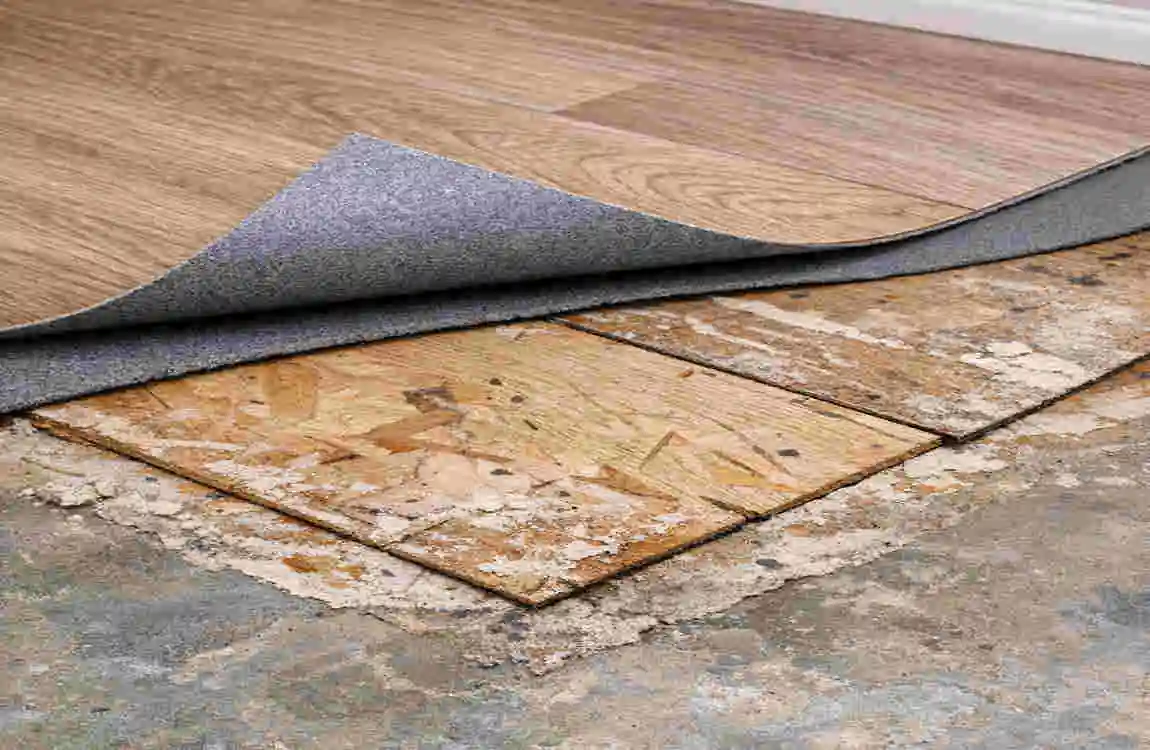
    If you were to take a crowbar and rip up a plank of luxury vinyl right now, what would you actually see? The answer might surprise you, because it is not always the same. To put it simply, homeowner-friendly language: what sits beneath your vinyl flooring is a specialised support system designed to keep your floor flat, dry, and structurally sound.

    However, this support system can vary significantly depending on the age of your home, the specific room you are in, and the exact type of vinyl product you purchased.

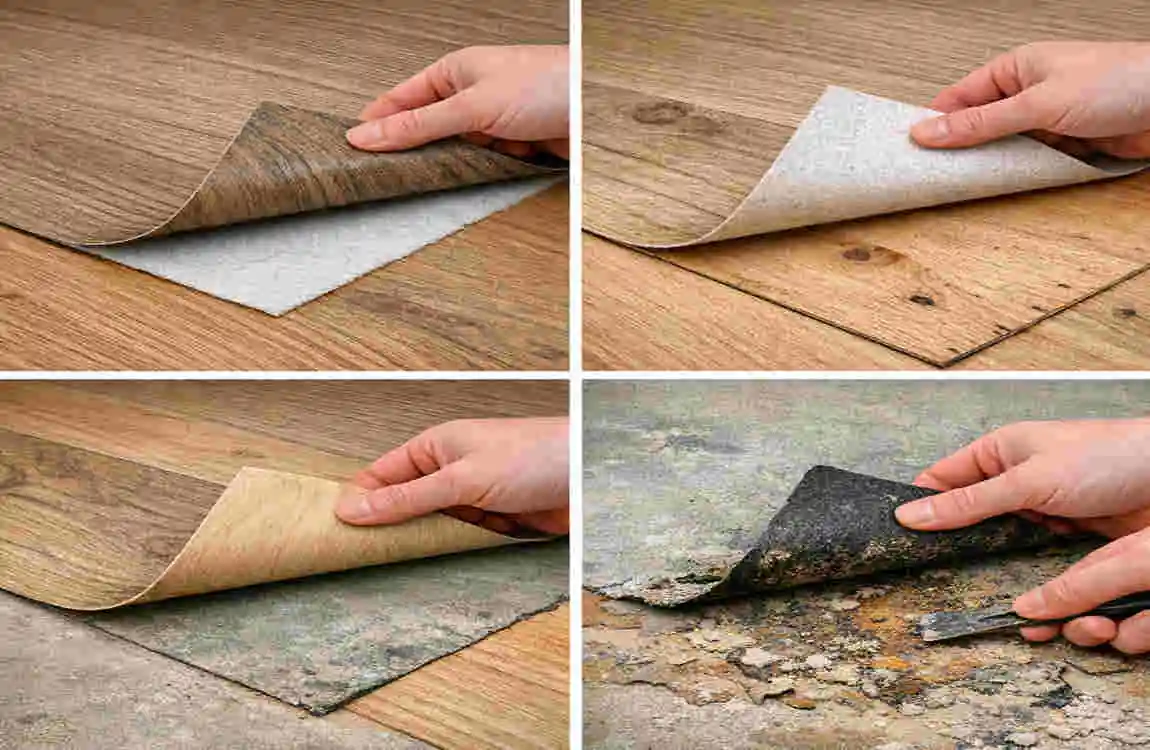
    Generally speaking, when you ask what is under vinyl flooring, you are going to find a combination of the following common layers:

    • The Subfloor: This is the absolute bottom layer. It is the structural wood or concrete base that holds up your entire house.
    • The Underlayment: This thin, cushioning layer sits right above the subfloor. It acts as a shock absorber and a sound muffler.
    • A Moisture Barrier (or VapourVapour Barrier): This is a thin sheet of plastic designed to prevent moisture from rising into your living space.
    • Existing Floor Coverings: In many modern renovation projects, you might just find an old layer of 1990s linoleum, ceramic tile, or worn-out hardwood sitting directly beneath your new vinyl!

    As you can see, the answer is not a simple “one-size-fits-all” equation for every single home. The hidden layers in a basement will look entirely different from those in a second-story bedroom.

    The Role of the Subfloor

    The Foundation of Your Flooring

    Let us start at the very bottom. The subfloor is the structural base that supports your entire flooring system. It is physically attached to the floor joists of your house. Without a solid subfloor, you would literally fall right through into the basement or crawlspace!

    Because it is the foundation, the subfloor is arguably the most critical component of any flooring project.

    Common Subfloor Materials

    Depending on how your house was built, your subfloor is likely made of one of the following materials:

    • Concrete: Found in basements, ground-level homes, and sunny climates where houses are built on concrete slabs. Concrete is incredibly strong but notoriously prone to hiding hidden moisture.
    • Plywood: The traditional choice for upper-level floors. Large sheets of thick wood are nailed or screwed directly to the joists.
    • Oriented Strand Board (OSB): A modern, engineered wood product made of compressed wood flakes. It is commonly used in newer constructions as a highly cost-effective alternative to plywood.
    • Existing Tile or Wood: In remodelling projects, the existing floor actually acts as the new subfloor, provided it is perfectly stable.

    The Golden Rules of Subfloors

    For your vinyl flooring to survive its expected lifespan, the subfloor must be perfect. Industry professionals have a mantra for this: the subfloor must be dry, clean, level, and stable.

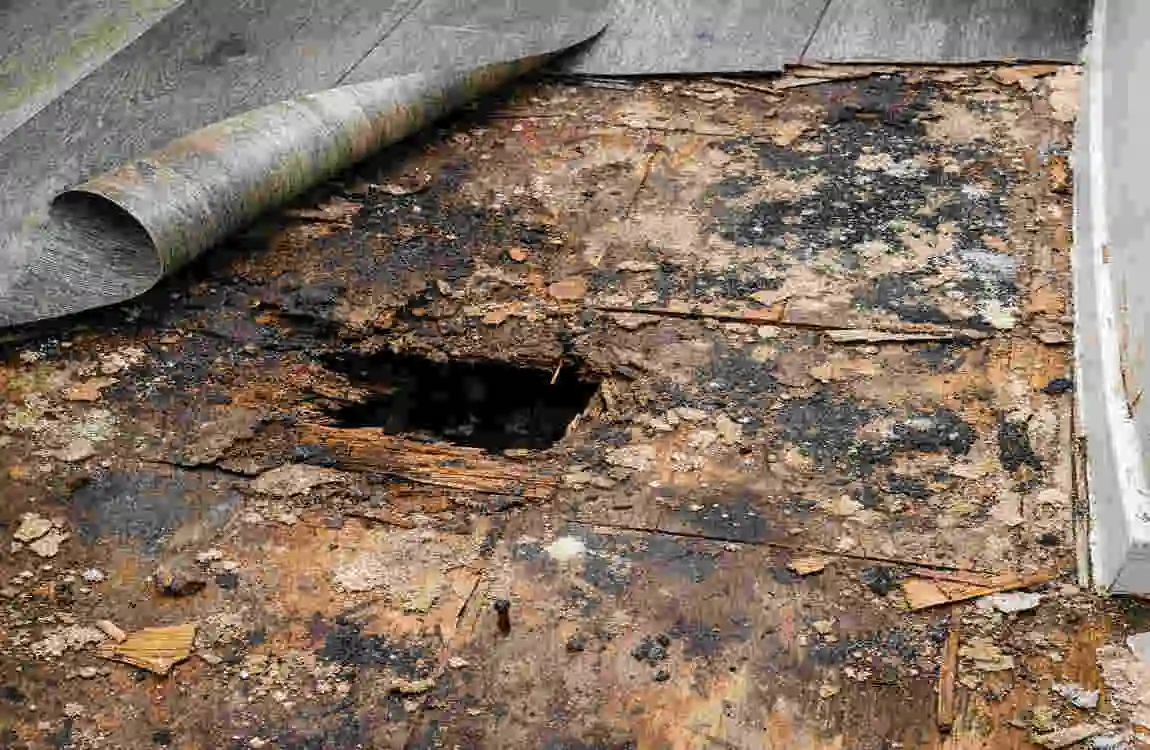
    If you ignore these rules, you will encounter major problems. Common subfloor issues include uneven, wavy surfaces, wide cracks, annoying squeaks when you step on loose nails, and hidden moisture damage that causes the wood to rot from the inside out.

    If your subfloor is bouncing or dipping, your vinyl planks will eventually bend, snap, and unlock at the seams. The quality of your subfloor directly and undeniably affects the overall lifespan of your expensive new vinyl.

    Why Underlayment Matters

    The Unsung Hero of the Flooring World

    Now that we have established the structural foundation, let us move to the next layer. Underlayment is the specialised layer placed directly between the raw subfloor and your brand-new vinyl flooring.

    Many homeowners ask if they can just skip this layer to save a few dollars. The answer is usually a resounding no. Underlayment serves several critical purposes that dramatically improve your daily life.

    The Five Main Purposes of Underlayment

    1. Sound Reduction: Have you ever walked through a house where every footstep sounded like a high-heeled shoe clicking on hard plastic? That is what happens without underlayment. It muffles the hollow, echoing sound of footsteps.
    2. Comfort Underfoot: Vinyl is naturally quite hard. A good underlayment adds a subtle, pleasant cushion that makes standing for long periods much easier on your joints.
    3. Minor Surface Smoothing: While it will not fix a heavily damaged subfloor, a good underlayment can smooth out minor imperfections, such as tiny wood splinters or small concrete pits.
    4. Moisture Protection: Many premium underlayments feature a built-in moisture-blocking film.
    5. Thermal Insulation: It acts as a blanket, keeping your floors feeling noticeably warmer during those freezing winter months.

    Do You Always Need It?

    Here is the catch: not all vinyl flooring requires a separate underlayment roll. The flooring industry has evolved rapidly. Today, many Luxury Vinyl Plank (LVP) products come with an “attached pad.”

    If your vinyl planks already have a foam or cork backing pre-glued to the bottom, this attached pad changes your installation needs. Adding a second underlayment layer is often unnecessary. It can actually harm the floor by making it too soft and bouncy!

    Types of Underlayment for Vinyl Flooring

    If your chosen vinyl does not have an attached pad, you will need to purchase separate underlayment rolls. You will quickly notice there are dozens of options in the hardware store aisles.

    Let us break down the most common materials so you can make the smartest choice for your home.

    Foam Underlayment

    This is the most common and budget-friendly option. Basic foam provides excellent baseline comfort and basic sound control. It is incredibly easy to unroll and tape together. However, standard foam does not offer much moisture protection unless it specifically has a plastic vapour barrier attached to one side.

    Cork Underlayment

    If you want an eco-friendly option, cork is phenomenal. It is harvested naturally from the bark of cork oak trees. Cork offers top-tier thermal insulation, keeping your toes warm in the winter. It also provides outstanding sound-absorbing qualities. The only downside? Cork is organic, meaning it can absorb water. It is not recommended for damp basements or heavily flooded bathrooms.

    Rubber Underlayment

    Rubber is the heavy-duty champion of the underlayment world. It provides supreme durability, unmatched soundproofing, and complete moisture resistance. If you are installing vinyl flooring in a second-story apartment and want to ensure your downstairs neighbours never hear your footsteps, heavy rubber is the way to go.

    Felt Underlayment

    While more commonly used under carpet or hardwood, thick felt is sometimes used under certain types of sheet vinyl. It is incredibly dense and heavy, offering great sound reduction. Still, it lacks the moisture-blocking capabilities of foam or rubber.

    Making the Right Choice

    Keep in mind that thickness and density drastically affect performance. A thicker underlayment is not always better! If the pad is too thick, your vinyl planks will flex when you step on them, which can cause the locking mechanisms to crack. Always add a note to your shopping list: the best underlayment option depends entirely on the room’s environment and your specific subfloor type.

    Underlayment Type: Best Feature: Best Used Over: Moisture Resistance

    Foam Budget-friendly Plywood / OSB Low (unless lined)

    Cork Insulation & Sound Plywood / OSB Low (Can absorb water)

    Rubber Heavy-duty soundproofing Concrete / Plywood High

    Felt Dense cushioning Plywood Low

    Moisture Barriers and Vapour Protection

    The Invisible Enemy

    We need to have a serious conversation about water. Moisture is the absolute worst enemy of any flooring installation. Even if your house feels perfectly dry, moisture could be silently attacking your floors right now.

    You need to know exactly when specific moisture protection is required beneath your vinyl flooring.

    The Problem with Concrete Subfloors

    If you are installing over a concrete slab, you must understand how concrete breathes. Concrete acts just like a massive, hard sponge. Even if it looks dry on the surface, concrete naturally wicks moisture up from the dirt deep underground.

    If you trap that hidden moisture under a waterproof vinyl floor, it has nowhere to go. It will sit there, stagnate, and eventually breed dangerous mould and mildew. If you used any glues or adhesives that trap moisture, they will break down, causing your beautiful planks to lift and peel.

    Vapour Barriers to the Rescue

    How do we solve this? We use a vapour barrier. A vapour barrier is typically a simple, 6-mil-thick sheet of polyethene plastic. You roll it out directly over the concrete and tape the seams shut.

    This creates a completely waterproof shield. The moisture rises through the concrete, hits the plastic barrier, and comes to a dead stop. It never touches your vinyl flooring.

    High-Risk Zones in Your Home

    Basements are the most obvious high-risk areas, but you should also utilise vapour barriers in bathrooms, dedicated laundry rooms, and any ground-floor installations built directly on concrete slabs.

    Vapour Barrier vs Underlayment

    Let us clarify a common point of confusion. A moisture barrier is not the same thing as an underlayment! A vapourvapour barrier is just a thin sheet of plastic designed to prevent water vapour. It provides absolutely no cushion or soundproofing. However, many modern, premium underlayments are sold as “2-in-1” products, meaning they feature a soft foam cushion on the top and a built-in plastic vapour barrier on the bottom.

    What Is Under Vinyl Flooring in Different Rooms?

    Because every room in your house serves a different purpose, the layer system beneath your feet will adapt to each room’s unique environment.

    Kitchens: The Spill Zone

    Kitchens see a massive amount of foot traffic, dropped pots, and spilt liquids. In a kitchen, the subfloor often needs extra attention to level. Because kitchens are heavily trafficked, any dips or bumps in the subfloor will become obvious fast. A high-density underlayment is ideal here to support the heavy weight of kitchen islands and refrigerators without compressing.

    Bathrooms: The Wet Zone

    In full bathrooms, moisture resistance is everything. You are dealing with daily steam from the shower, splashing water from the tub, and the occasional overflowing toilet. In a bathroom, you must ensure that whatever is beneath your vinyl is 100% waterproof. If you have a wood subfloor, sealing the seams and using a high-quality moisture barrier is absolutely critical.

    Basements: The Damp Zone

    As we mentioned earlier, basements are notorious for unseen moisture. Concrete prep is incredibly critical here. Before anything goes down, the concrete must be patched, levelled, and thoroughly swept. A thick, 6-mil plastic vapour barrier is mandatory in a basement, followed by an underlayment that provides strong thermal insulation to combat the freezing concrete temperatures in the winter.

    Living Rooms and Bedrooms: The Comfort Zone

    In these cosy spaces, water is rarely an issue. Instead, your primary focus should shift toward sound control and comfort. If your bedroom is on the second floor, a high-quality cork or rubber underlayment will prevent your heavy footsteps from echoing into the living room below. Comfort is key when you step out of bed in the morning!

    By evaluating the specific needs of each space, you ensure that the conditions determine exactly what is installed beneath your vinyl flooring.

    Can You Install Vinyl Flooring Over Existing Floors?

    This is one of the most exciting questions for DIY homeowners. Demolition is messy, expensive, and exhausting. So, can you skip the demolition and just lay your new vinyl right over the old floor?

    The short answer is yes! But there are very strict rules you must follow.

    When You Can Keep the Old Floor

    You can successfully install luxury vinyl plank or sheet vinyl over hard, flat surfaces.

    • Tile: You can install over existing ceramic or porcelain tile. However, if the grout lines are deep or wide, you must fill those grout lines with a self-levelling concrete compound first.
    • Laminate: You can occasionally install over laminate, but only if it’s glued down. If the old laminate is a “floating” floor (not glued or nailed), you cannot put a new floating vinyl floor on top of it. Two floating floors will shift and pull apart.
    • Old Vinyl: You can install over old linoleum or sheet vinyl, provided it is a single layer and firmly glued to the subfloor below.

    When the Existing Floor Must Go

    You absolutely must remove the existing flooring if it is carpet. Carpet is far too soft and bouncy; it will instantly destroy the locking mechanisms of your new vinyl. You must also remove any old flooring that is severely water-damaged, rotting, heavily cracked, or peeling away from the subfloor.

    The Danger of Telegraphing

    Even if you install over an existing hard floor, the surface must still be perfectly smooth, clean, level, and structurally sound.

    Why? Because of a phenomenon known in the flooring industry as “telegraphing.”

    Think of taking a piece of thin paper, placing it over a coin, and rubbing a pencil over it. The exact shape of the coin magically appears on the paper. Vinyl flooring does the same thing! If you leave a stray staple, a deep tile grout line, or a cracked piece of old linoleum beneath your new vinyl, that imperfection will eventually “telegraph” through. After a few months of walking on it, you will literally see the shape of the bump straight through the top of your beautiful new floor.

    Common Mistakes Homeowners Make

    When trying to save time or cut corners, homeowners often make critical mistakes about what goes under their vinyl flooring. Let us look at the most common pitfalls so you can avoid them entirely.

    Installing Over a Dirty Subfloor

    It may seem minor, but leaving sawdust, drywall clumps, or tiny pebbles on the subfloor is a major mistake. As we just learned about telegraphing, that tiny pebble will eventually create a noticeable bump, and then a hole, right through your expensive vinyl planks. Always vacuum the subfloor meticulously before installation!

    Ignoring Moisture Problems

    We cannot stress this enough. If you see a dark, damp stain on your plywood, or if your concrete smells musty, do not just cover it up and hope it goes away. Installing a waterproof floor over a moisture problem just traps the water, accelerating the rot and encouraging severe black mould growth. Fix the leak before Using the Wrong Underlayment

    Using a thick, squishy carpet pad under luxury vinyl planks is a guaranteed recipe for disaster. The floor will feel like a trampoline, and the rigid locking joints will snap under the pressure of your footsteps.

    Skipping the Floor Levelling Process

    Vinyl flooring requires a highly level surface. Most manufacturers state that the floor cannot slope or dip more than 3/16 of an inch over a 10-foot span. If you skip pouring self-levelling compound into the low spots, your floor will permanently bounce and squeak.

    Assuming Every Vinyl Product is the Same

    Some planks are rigid core, some are flexible. Some have attached pads, some need glue. Assuming that every vinyl product requires the same setup is a fast way to ruin your investment.

    Overlooking Manufacturer Instructions

    This is the biggest mistake of all. Every box of flooring comes with an instruction manual. If you ignore the manufacturer’s specific installation instructions, you will almost certainly void your 25-year warranty. These simple mistakes directly lead to annoying squeaks, massive gaps between planks, permanent damage, and completely voided warranty coverage.

    Must-Know Secrets Before Installing Vinyl Flooring

    If you want your floor to look like a million bucks and last for decades, you need insider knowledge. Here are five practical, must-know secrets that professional installers use every single day.

    Flatness Matters Way More Than Levelness

    Many homeowners confuse the terms “flat” and “level.” A floor can technically be slightly sloped (unlevel). Still, as long as it is completely flat (no sudden dips, bumps, or birdbaths), the vinyl will install beautifully. Focus heavily on grinding down the high spots and filling in the low spots. Flatness is your ultimate goal.

    Not Every Vinyl Floor Needs Extra Padding

    We mentioned this briefly earlier, but it is a vital secret. If you spend top dollar on premium Luxury Vinyl Planks featuring a thick, attached cork or rubber pad on the back, do not add another roll of foam underlayment. Doubling up the padding makes the floor dangerously soft and voids your warranty immediately.

    Moisture Testing Can Prevent Expensive Failures

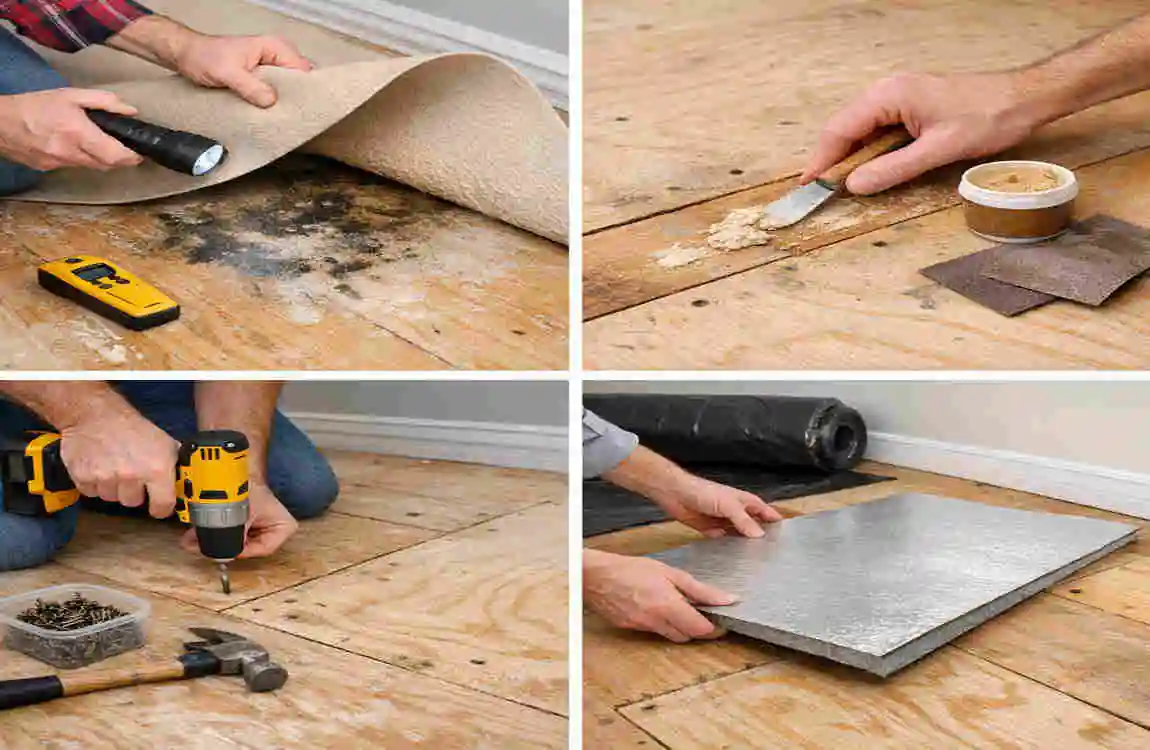
    You do not need to hire an expensive scientist to test your concrete for moisture. You can do a simple DIY test! Tape a 2-foot-by-2-foot square of clear plastic sheeting tightly to your bare concrete floor using duct tape. Leave it there for 48 hours. If condensation droplets form on the inside of the plastic, or if the concrete turns dark, you have a major moisture problem and absolutely must use a vapour barrier. This cheap trick can save you from an expensive failure.

    A Small Subfloor Problem Always Shows Through

    Do not try to convince yourself that a “small” crack or a “minor” squeak will just go away once the heavy vinyl is placed on top. It will not. The heavy vinyl actually amplifies squeaks! If the subfloor is damaged, fix it now.

    Manufacturer Guidelines are the Ultimate Rulebook

    You can watch a hundred DIY videos on the internet. Still, the printed paper manual inside your specific box of flooring is the only rulebook that matters. Manufacturer guidelines should always be checked before installation. If they say to leave a 1/4-inch expansion gap around the edges, do exactly that.

    How to Inspect What Is Under Your Vinyl Flooring

    If you are buying a new home or preparing to rip up an old floor, you might want to know what you are dealing with before the heavy demolition begins. How can homeowners safely identify the hidden layers beneath existing vinyl?

    Clever Ways to Peek Underneath

    You do not need to tear up the middle of your living room just to take a peek. Instead, try these non-destructive methods:

    • Check the Floor Vents: If you have forced-air heating, simply lift a metal floor register vent out of the ground. Look at the exposed cross-section of the floor. You can easily count the layers of subfloor, underlayment, and flooring like rings on a tree.
    • Look at the Edges and Transitions: Check the transition strips where your vinyl meets the bedroom carpet. You can often pry up a tiny corner of the transition piece to see the underlayment peaking out.
    • Check the Closets: If you need to peel back a small section of the floor, do it in a dark, hidden back corner of a coat closet where no one will ever notice it.

    Warning Signs of Hidden Subfloor Damage

    Even if you cannot see the subfloor, your feet and ears will tell you if there is a problem. Describe the signs to yourself. Does the floor feel distinctly soft or spongy when you walk near the dishwasher? That indicates hidden water damage and rotting wood. Do you feel sudden movement or hear loud grinding noises when you step in a specific hallway? That indicates a loose subfloor that has detached from the joists.

    The Evaluation Checklist

    Before tearing anything up, use this simple checklist for evaluation:

    • Does the floor bounce when I jump?
    • Are there unexplained musty smells in the room?
    • Are the current vinyl planks separating at the seams?
    • Is there an exposed floor vent I can use to inspect the layers?

    If you check multiple boxes, professional inspection is always the safer, smarter option before you start ripping up materials.

    Professional Installation vs DIY

    What Lies Under Vinyl Flooring

    The internet is filled with videos making floor installation look incredibly easy. Should you grab a hammer and do it yourself, or hire a professional flooring crew?

    When DIY is Highly Manageable

    Installing click-and-lock floating vinyl planks is genuinely one of the most accessible DIY projects available. If you live in a newer home, your subfloor is already perfectly flat, and you are just laying planks in a simple, square bedroom, you can absolutely do this yourself in a single weekend!

    When a Professional is the Better Choice

    However, laying the planks is the easy part. The hard part is the preparation. If you pull up your old carpet and discover that your wood subfloor is severely warped, rotting, or massively unlevel, you need to step back.

    Subfloor repair, pouring messy liquid levelling compounds, and managing complex moisture control often require years of hands-on experience.

    The True Value of the Pros

    Professionals have the heavy grinding tools needed to flatten concrete. They know exactly how much expansion gap to leave so your floor doesn’t buckle in the summer heat. Most importantly, professionals help completely reduce costly installation errors.

    While hiring a pro costs more upfront for the labour, their proper preparation can save you immense amounts of money long term by ensuring your expensive flooring materials are not destroyed by a botched DIY prep job. Keep this in mind when making your final decision!

    FAQ

    What is typically under vinyl flooring?

    Under vinyl flooring, you’ll usually find a subfloor (like concrete, plywood, or OSB) and sometimes an underlayment for extra support and comfort.

    Do you need underlayment for vinyl flooring?

    It depends on the type. Luxury vinyl planks (LVP) often come with built-in underlayment, but some installations still benefit from an additional layer.

    Can vinyl flooring be installed directly on concrete?

    Yes, vinyl flooring can be installed directly on concrete, but a moisture barrier is often recommended to prevent damage.

    What is the purpose of underlayment?

    Underlayment helps with sound reduction, cushioning, moisture protection, and smoothing uneven surfaces.

    What happens if the subfloor is uneven?

    An uneven subfloor can cause vinyl flooring to warp, crack, or wear unevenly, so it should be leveled before installation.

    Is a vapor barrier necessary under vinyl flooring?

    In moisture-prone areas (like basements), a vapor barrier is important to protect the flooring from dampness.

    Can you install vinyl flooring over existing floors?

    Yes, vinyl can often be installed over surfaces like tile or hardwood, as long as the surface is clean, dry, and level.

    What type of subfloor is best for vinyl flooring?

    Smooth, dry, and stable surfaces like plywood or concrete are ideal for vinyl flooring installation.

    Share. Facebook Twitter Pinterest LinkedIn Tumblr Email
    Stella Victoria

    Related Posts

    Why Hybrid Resilient Flooring Is Trending in Modern Homes Full Guide

    April 18, 2026

    Can You Wax Vinyl Flooring? Home Hacks for a Shiny, Durable Floor

    April 15, 2026

    Can You Glue Down Laminate Flooring in Your Home? Expert Guide

    April 2, 2026
    Leave A Reply Cancel Reply

    Top Posts

    Blueface House costs how much?

    May 24, 2024

    Unveiling the Secret of Luke Combs House in Nashville

    June 16, 2024

    Inside the Historical Charm of the Cecil B. DeMille House

    July 10, 2025
    Stay In Touch
    • Facebook
    • YouTube
    • TikTok
    • WhatsApp
    • Twitter
    • Instagram
    Latest Reviews

    Stay Connected

    Fill the form below and get early updates.

    Most Popular

    Blueface House costs how much?

    May 24, 2024

    Unveiling the Secret of Luke Combs House in Nashville

    June 16, 2024

    Inside the Historical Charm of the Cecil B. DeMille House

    July 10, 2025
    Latest Posts

    Why Hybrid Resilient Flooring Is Trending in Modern Homes Full Guide

    April 18, 2026

    Tour Alexia Nepola’s New House: Smaller Space, Bigger Style in Sunny Isles Beach

    April 17, 2026

    Optimal Spot for Whole House Water Filter Installation

    April 17, 2026

    Did we make a mistake?

    Submit a correction suggestion and help us fix it!

    Facebook X (Twitter) Instagram Pinterest
    • About us
    • Contact us
    • Privacy Policy
    • Disclaimer
    • Terms And Conditions
    © 2026 ThemeSphere. Designed by ThemeSphere.

    Type above and press Enter to search. Press Esc to cancel.