
Vinyl flooring is popular because it looks good, feels comfortable, and is easy to care for. But even a strong floor can develop problems over time. One issue many homeowners notice is separation between planks or tiles.
If you have ever seen small gaps, lifted edges, or loose seams, you may already be asking what causes vinyl flooring to separate. The answer usually comes down to a mix of movement, moisture, heat, poor installation, or wear over time.
The good news is that many separated vinyl floor problems can be fixed without replacing the whole floor. In some cases, you can repair the gap yourself. In other cases, a professional may need to step in.
What Causes Vinyl Flooring to Separate?
If you want to fix the problem the right way, start with the cause. That is the key. When people ask what causes vinyl flooring to separate, the answer is often one of the issues below.
Temperature Changes and Expansion
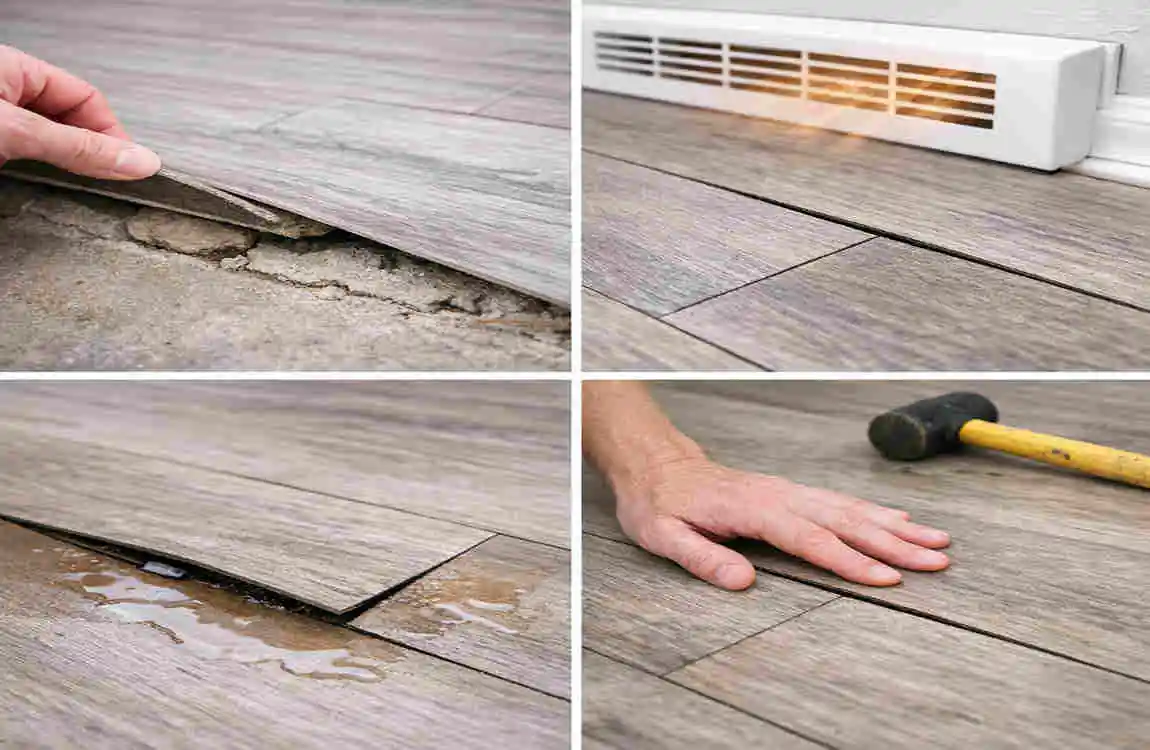
Vinyl flooring expands and contracts as the temperature changes. This is normal. The problem starts when the room gets too hot, too cold, or changes temperature too quickly.
When vinyl expands, the planks may push against each other. When it contracts, gaps can appear. This happens more often near windows, doors, or in rooms with poor climate control.
If your floor separates only during certain seasons, temperature changes are likely part of the problem.
Moisture and Humidity Problems
Moisture is one of the biggest causes of floor movement. High humidity can cause the subfloor to swell, and water spills can weaken the bond beneath the vinyl.
Bathrooms, kitchens, basements, and laundry rooms are common trouble spots. Even a small leak can slowly lead to floor separation.
If you notice gaps, dampness, musty smells, or warping, moisture may be the real cause.
Poor Installation Techniques
Sometimes the floor separates because it was not installed properly in the first place. If the planks were not locked tightly, the adhesive was weak, or the expansion space was incorrect, gaps can form later.
This is especially common in DIY installations where the surface was not fully prepared.
A floor can look fine at first and still fail early if the installation was rushed or uneven.
Uneven or Damaged Subfloor
The subfloor is the layer underneath the vinyl. If it is not flat, strong, and dry, the vinyl above it may shift or lift.
Small bumps, dips, cracks, or soft spots can create pressure points. Over time, those pressure points can cause seams to open.
A damaged subfloor often creates repeated problems, even after a repair. That is why it should never be ignored.
Heavy Furniture Movement
Dragging heavy furniture across vinyl can pull at the seams. It can also stress the locking system or adhesive underneath.
Tables, sofas, refrigerators, and dressers can all create pressure if they slide or move often.
If your floor separates in the same spots where furniture sits or moves, this may be the reason.
Aging Flooring Materials
Vinyl flooring does not last forever. As it gets older, it can become less flexible and more likely to shift or crack at the seams.
Adhesive can weaken. Click-lock edges can wear out. Peel-and-stick backing can lose grip.
Older flooring may still look decent on the surface but fail at the joints. That is why age matters.
Signs Your Vinyl Flooring Is Separating
Sometimes the problem is easy to see. Other times, the signs are subtle at first. Knowing what to look for helps you act early.
Visible Gaps Between Planks
This is the most obvious sign. You may see thin lines or wider spaces between flooring pieces.
Small gaps can grow larger if you ignore them. They can also collect dirt and moisture.
Raised or Curling Edges
If the edges begin to lift, curl, or bend upward, the floor is no longer lying flat.
This can create a tripping risk and may also mean the adhesive or lock system has failed.
Loose Flooring Sections
You may notice that one part of the floor moves when you step on it. It may feel soft, hollow, or loose compared to the rest.
That usually means the bond underneath has weakened.
Clicking or Shifting While Walking
Vinyl flooring should feel stable. If you hear clicking, popping, or shifting when you walk across it, the planks may not be sitting properly.
That sound is often a warning sign that the seams are under stress.
Tools and Materials Needed
Before you fix the floor, gather the right tools. Having everything ready will make the repair smoother and faster.
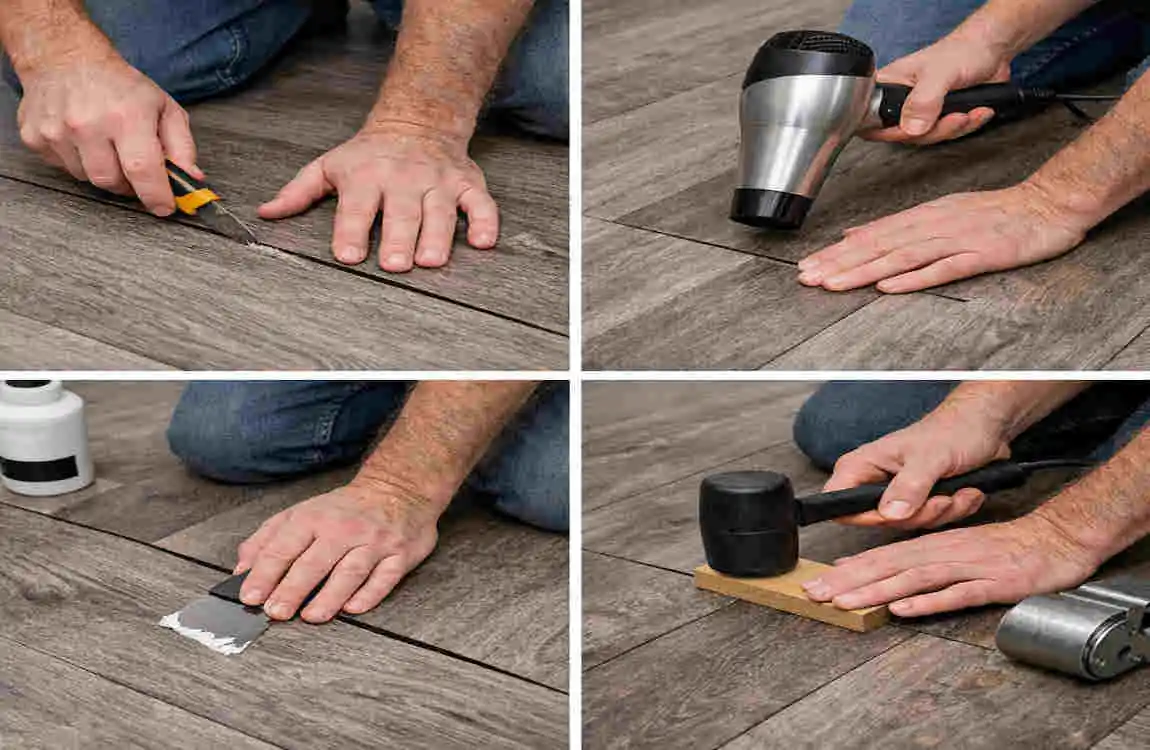
Utility Knife
A utility knife helps trim damaged edges or carefully cut away old adhesive.
Vinyl Floor Adhesive
Use adhesive only if your flooring type needs it. Make sure it is compatible with vinyl.
Floor Roller
A roller helps press the floor back into place and improve contact with the subfloor.
Rubber Mallet
A rubber mallet is useful for gently tapping planks into position without damaging them.
Putty Knife
A putty knife helps lift edges or remove debris and old glue.
Cleaning Supplies
You will need a broom, a vacuum, a soft cloth, and a mild cleaner to remove dust and dirt before the repair.
How to Fix Separated Vinyl Flooring
Now let’s move into the repair process. This is where you turn the problem into a solution.
Inspect the Damaged Area
Start by checking how bad the separation is. Look at the gap, the surrounding planks, and the subfloor if possible.
Ask yourself:
- Is the gap small or large?
- Is the floor dry?
- Are the planks damaged?
- Is the problem in one place or several?
This inspection helps you decide whether the repair is simple or more involved.
Clean the Gap
Before you try to close the seam, clean the area well. Dust, crumbs, pet hair, and old adhesive can stop the planks from reconnecting properly.
Use a vacuum and a soft cloth. If needed, use a gentle cleaner and let everything dry completely.
Reconnect the Planks
If you have click-lock vinyl flooring, gently press the planks back together. Sometimes you can realign them by lifting slightly and locking the edges back into place.
Work slowly. Do not force the pieces, or you could damage the locking edge.
Apply Adhesive if Needed
For glue-down or loose sections, apply the correct vinyl adhesive. Use only a small amount. Too much glue can create a mess and may affect the finish.
Follow the product instructions carefully. This step matters a lot.
Roll and Secure the Floor
Once the planks are back in place, use a floor roller or apply firm pressure to secure them.
This helps the floor bond properly and removes trapped air.
Allow Proper Drying Time
Do not walk on the area too soon. Let the adhesive or repair settle fully.
If you rush this step, the gap may open again.
Repair Methods for Different Vinyl Flooring Types
Not all vinyl floors are the same. The best repair method depends on the type you have.
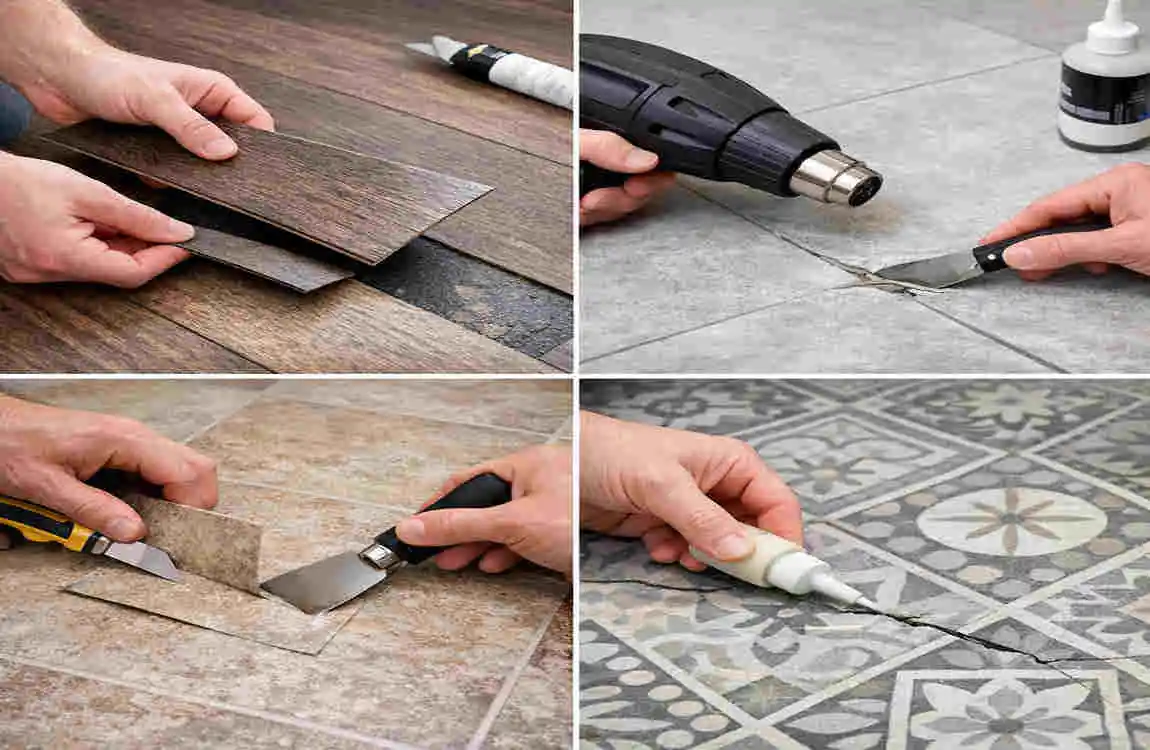
Click-Lock Vinyl Planks
These planks lock together without glue. If they separate, the problem may be caused by movement, bad installation, or temperature changes.
Usually, you can lift and reconnect the planks if the locking tabs are still intact.
Glue-Down Vinyl Flooring
Glue-down floors need adhesive to stay in place. If they separate, the adhesive may have failed, or the floor may have been exposed to moisture.
A fresh layer of the right adhesive may help, but severe damage may need professional repair.
Peel-and-Stick Vinyl Tiles
These are more likely to lift if the surface underneath was not clean or smooth. Old peel-and-stick floors can also lose grip with age.
You may need to replace the loose tile if the backing no longer sticks well.
Sheet Vinyl Flooring
Sheet vinyl can separate at seams or edges. This often happens due to moisture, poor installation, or subfloor movement.
Repairing sheet vinyl can be trickier because the material is continuous and may require seam sealer or patchwork.
Common Repair Mistakes to Avoid
A bad repair can make the problem worse. Here are the mistakes you should avoid:
- Using too much adhesive
- Ignoring moisture issues
- Forcing planks together
- Skipping subfloor inspection
- Walking on repairs too soon
Each of these can shorten the life of the repair. If you fix the symptom but not the cause, the floor will likely separate again.
How to Prevent Vinyl Flooring from Separating
Repairing the floor is only half the job. The real win is preventing the problem from coming back.
Maintain Indoor Temperature
Try to keep your home at a stable temperature. Big swings in heat and cold can cause the flooring to expand and contract.
This matters most in rooms with lots of sunlight or weak insulation.
Control Humidity Levels
Use fans, dehumidifiers, or proper ventilation to manage moisture. This is especially helpful in bathrooms, basements, and kitchens.
A dry, balanced environment supports a more stable floor.
Leave Expansion Gaps
Vinyl flooring often needs a small expansion space around the edges. This gives the material room to move naturally.
If the floor was installed too tightly, it may buckle or separate later.
Install Flooring Correctly
Good installation is one of the best forms of prevention. The subfloor should be smooth, dry, and level before the vinyl goes down.
If you are not confident in the installation process, hiring a pro can save money in the long run.
Protect Floors from Heavy Furniture
Use furniture pads and move heavy pieces carefully. Never drag them across the floor if you can avoid it.
This simple step can protect the seams and the surface.
Clean and Maintain Regularly
A clean floor lasts longer. Dirt and moisture can damage seams over time if left unchecked.
Regular care helps you notice small problems before they become big ones.
DIY Repair vs Hiring a Professional
Some floor problems are easy to handle on your own. Others need expert help.
DIY Repair Professional Repair
Lower cost Expert installation
Good for small gaps Best for major damage
Basic tools required Long-lasting results
Quick repairs Warranty may apply
When DIY Makes Sense
DIY works best for small gaps, loose edges, or simple click-lock repairs. If the damage is limited and you understand the cause, you may be able to handle it yourself.
When to Call a Pro
A professional is a better choice if the gap keeps coming back, the subfloor is damaged, or the floor has widespread lifting.
If moisture is involved, a pro can help find the deeper issue.
Which Option Is Best?
That depends on the size of the problem. Small repairs can often be done at home. Larger or repeating issues are better left to an expert.
Vinyl Flooring Maintenance Tips
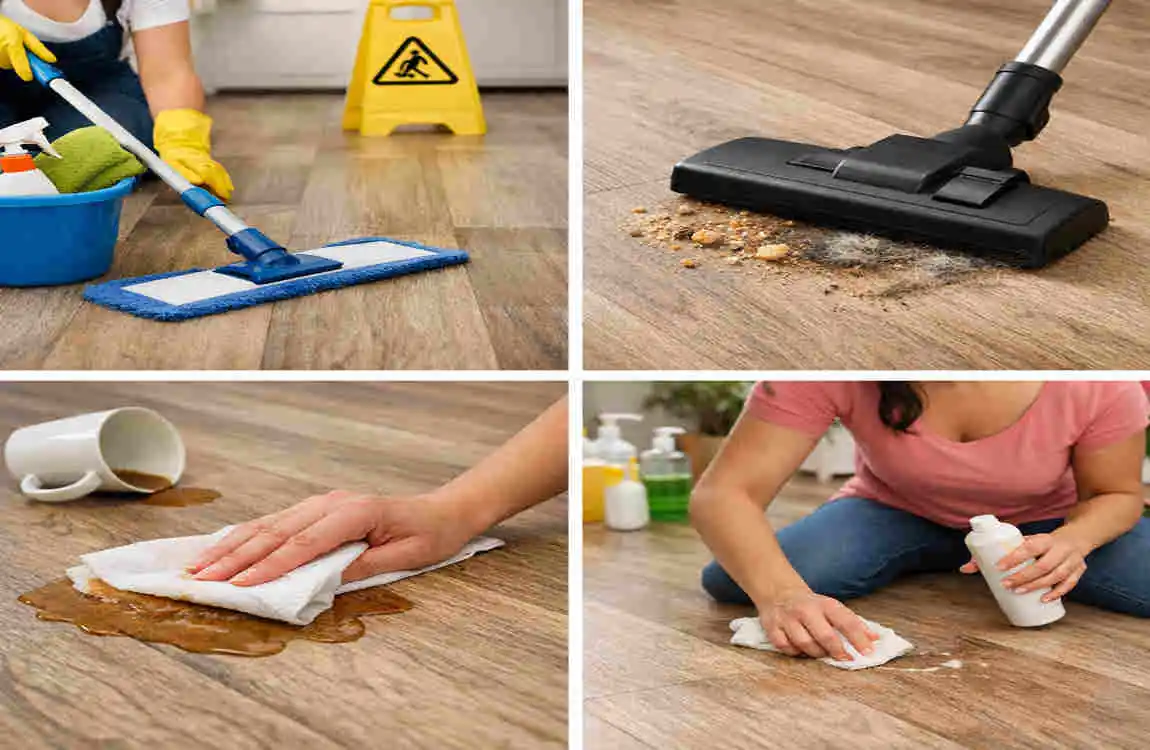
Good maintenance helps your floor stay tight, clean, and attractive.
Regular Cleaning
Sweep or vacuum often so dirt does not get trapped in seams. Use a damp mop when needed, but avoid soaking the floor.
Use Furniture Pads
Furniture pads reduce scraping and shifting. They also protect the vinyl from pressure marks.
Avoid Excess Water
Water and vinyl do not mix well when water sits too long. Wipe spills quickly and keep the floor as dry as possible.
Inspect Flooring Periodically
Check the seams, corners, and high-traffic areas every so often. Small repairs are much easier than major ones.
Frequently Asked Questions
What causes vinyl flooring to separate?
Common causes include temperature fluctuations, moisture, poor installation, heavy furniture movement, and an uneven subfloor.
Can separated vinyl flooring be repaired?
Yes. Small gaps can often be repaired by reconnecting planks or using vinyl flooring adhesive.
Why does my vinyl floor keep opening at the seams?
Recurring seam gaps usually result from improper installation, expansion issues, or subfloor movement.
Should I use glue to fix separated vinyl planks?
Only use the adhesive recommended by the flooring manufacturer and only when it is right for your flooring type.
Can humidity cause vinyl flooring gaps?
Yes. Changes in humidity can cause flooring materials to expand and contract, leading to separation.
When should I replace vinyl flooring instead of repair it?
Replacement is best if the floor has major damage, severe warping, or repeated separation even after repairs.
| Topic | Information |
|---|---|
| Problem | Vinyl flooring planks or sheets have separated, leaving visible gaps. |
| Common Causes | Temperature changes, humidity, poor installation, heavy furniture, subfloor movement, or natural expansion and contraction. |
| Signs | Gaps between planks, lifted edges, uneven floor surface, or loose flooring. |
| Tools Needed | Rubber mallet, pull bar, double-sided flooring tape, vinyl adhesive, utility knife, heat gun (optional), measuring tape, and cleaning cloth. |
| Quick Fix | Clean the gap, gently tap planks back together with a rubber mallet, and secure loose sections with vinyl adhesive if needed. |
| For Click-Lock Vinyl | Reconnect the locking edges by removing nearby planks if necessary and reinstalling them correctly. |
| For Glue-Down Vinyl | Apply fresh vinyl flooring adhesive beneath the loose section, press firmly, and allow it to cure. |
| Avoid | Using excessive force, applying the wrong adhesive, or ignoring moisture issues beneath the floor. |
