
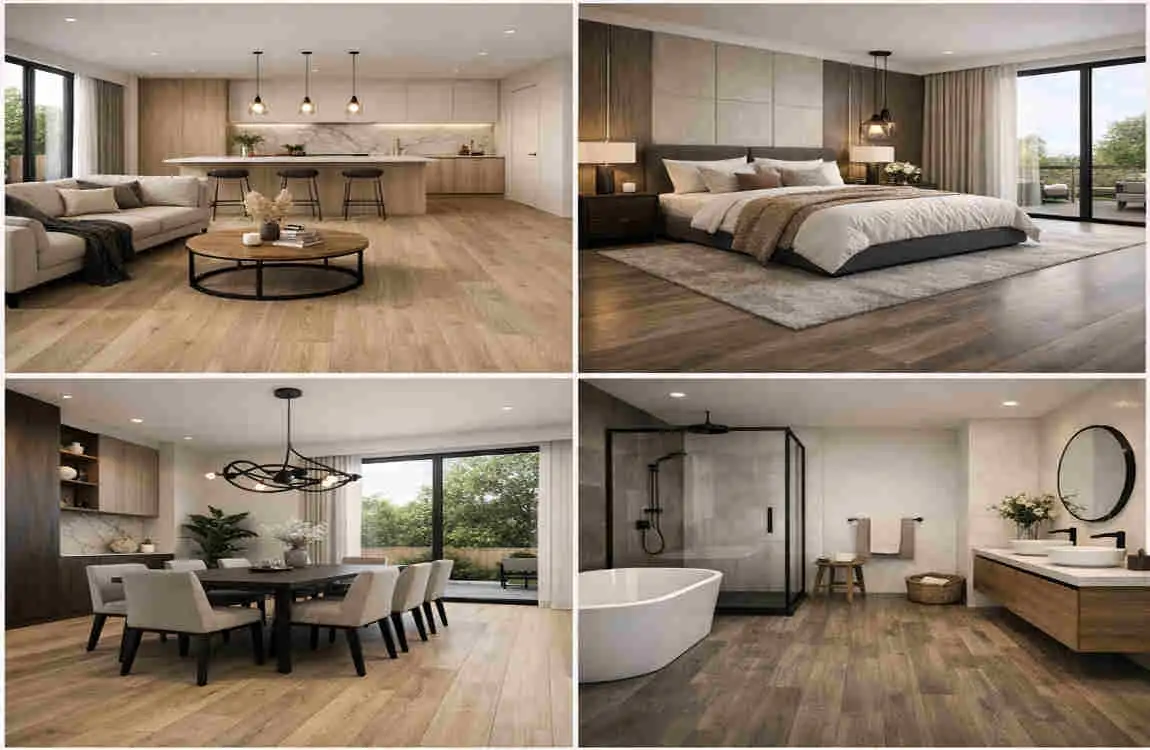
Hybrid resilient flooring has become a popular choice in modern homes, and it is easy to see why. It gives you the look of wood, the strength of rigid flooring, and the water resistance many families need today. If you are comparing flooring options, you may already be asking what hybrid resilient flooring is and whether it is right for your home.
The simple answer is that hybrid resilient flooring is a modern floor made by blending the best parts of laminate and vinyl. It is designed to be tough, comfortable, stylish, and easier to care for than many traditional flooring types. That makes it a strong option for busy homes, pet owners, and anyone who wants a practical floor without losing style.
What Is Hybrid Resilient Flooring?
Definition
Hybrid resilient flooring is a multilayered flooring product that combines features of laminate and vinyl flooring. It is made to be durable, water-resistant or fully waterproof, and comfortable underfoot.
It is called “resilient” because it is built to handle daily wear without feeling overly hard or fragile. Many homeowners like it because it offers the look of natural materials without the same level of upkeep.
How It Is Made
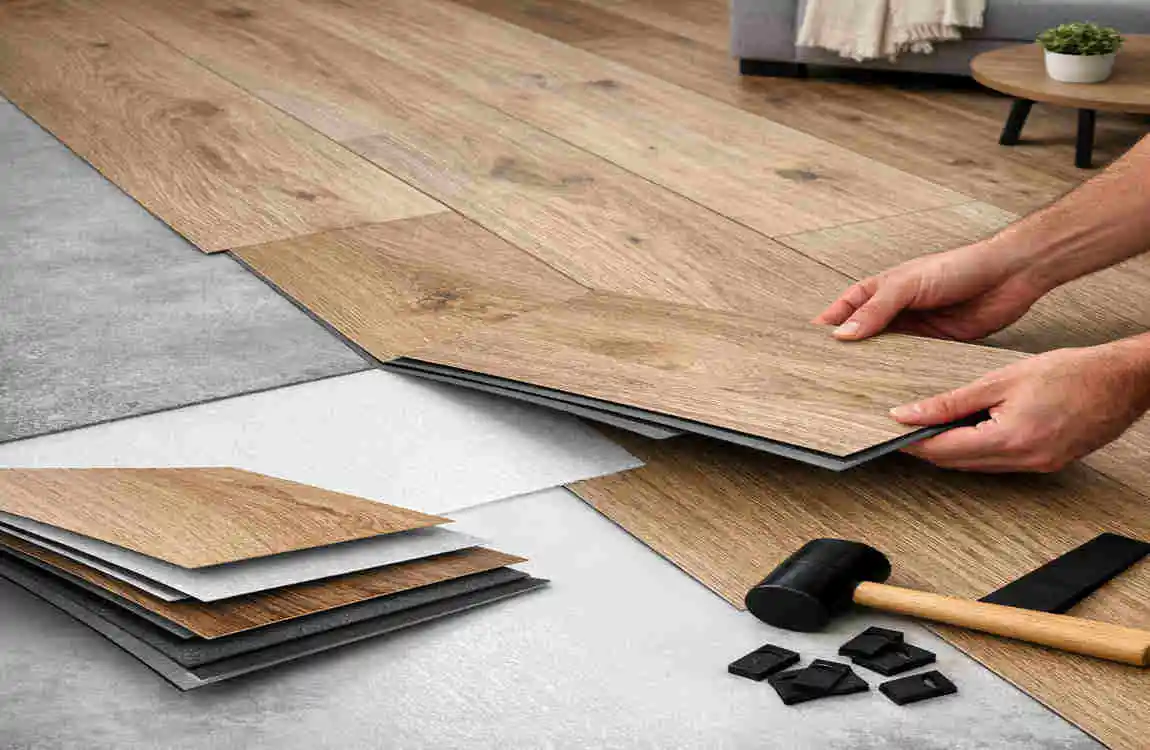
Hybrid flooring usually has several layers working together:
- Wear layer: This is the protective top layer that helps resist scratches and scuffs.
- Decorative layer: This is the printed design layer that gives the floor its wood, stone, or tile look.
- Rigid core: This is the strong inner layer that gives the plank stability.
- Underlayment: Some products include a built-in backing for comfort and sound reduction.
Each layer has a job. Together, they create a floor that is practical, attractive, and easier to live with than many older flooring options.
Why It Is Called “Hybrid”
The word hybrid means mixed or combined. In this case, the flooring combines the durability of rigid flooring with the moisture resistance of vinyl-style materials.
That is what makes it so appealing. It is designed for homes that need a floor to handle real life — spills, pets, kids, heavy traffic, and everyday mess.
How Hybrid Resilient Flooring Works
Waterproof Construction
One of the biggest reasons people choose this flooring is its water performance. Many hybrid floors are fully waterproof, which makes them suitable for kitchens, bathrooms, and laundry rooms.
The layers are built to stop moisture from seeping in easily. That helps protect the floor from swelling or damage in places where other materials may struggle.
Scratch and Dent Resistance
The top wear layer helps guard against scratches, shoe marks, and small dents. This is useful in busy households where furniture is often moved, or pets run around a lot.
It is not indestructible, but it is much tougher than many soft flooring surfaces. That makes it a practical choice if you want something that still looks good after daily use.
Comfort Underfoot
Hybrid flooring feels more comfortable than some harder floors like tile. It has a slight give, which can make standing for long periods easier.
This can be a big plus in kitchens, hallways, or home offices where you spend a lot of time on your feet. You get a balance of firmness and comfort.
Noise Reduction Features
Many hybrid floors are designed to reduce sound. Some have built-in underlayment that softens footsteps and helps lower echo.
That makes them a good choice for apartments, multi-level homes, or any room where you want a quieter feel. It is one of those small details that makes a home feel more comfortable.
Benefits of Hybrid Resilient Flooring
100% Waterproof
Many hybrid flooring products are built to handle water very well. This makes them ideal for rooms where spills and moisture are common.
If you want peace of mind in kitchens, bathrooms, or basements, this is a major advantage. You do not have to worry as much about everyday splashes.
Easy Installation
Many hybrid flooring options use a click-lock system, which means the planks snap together without glue. This makes installation simpler and faster.
For confident DIY homeowners, this can be a huge plus. Even if you hire a professional, the process is usually quicker than more traditional flooring jobs.
Pet-Friendly
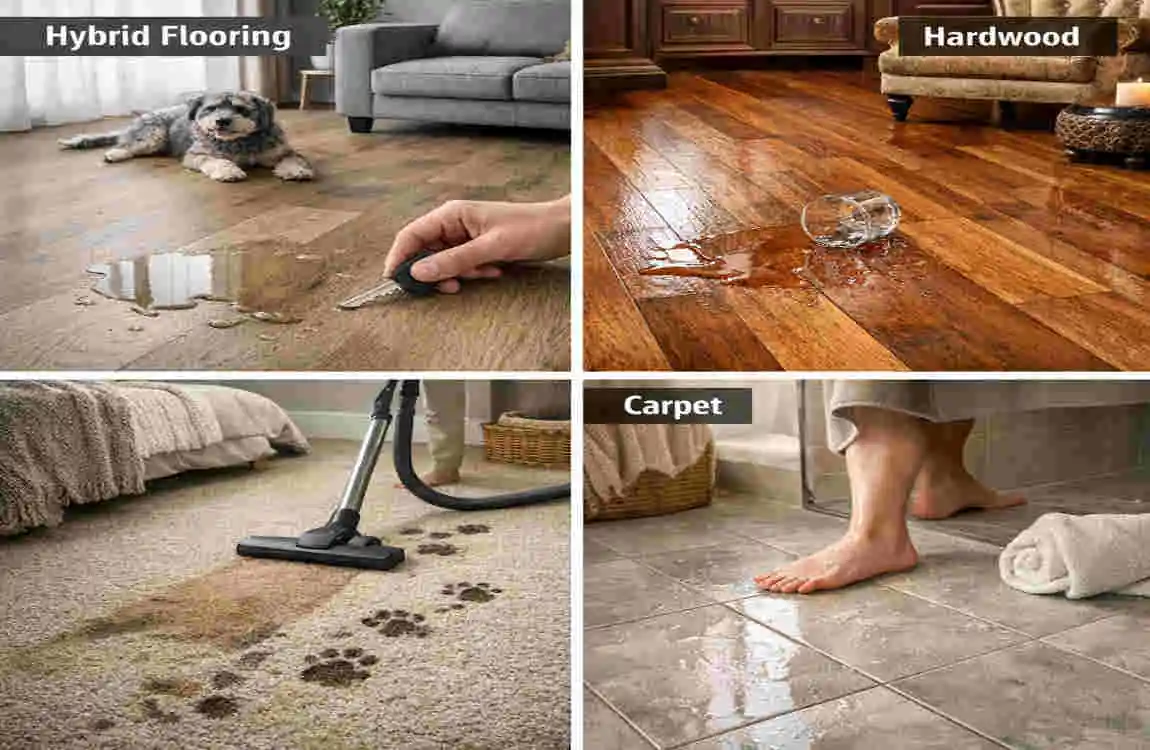
If you live with pets, you already know how important durable flooring can be. Hybrid floors handle paw traffic, minor scratches, and the occasional accident better than many alternatives.
They are also easier to clean after muddy paws or spills. That makes life less stressful for pet owners.
Kid-Friendly
Children are not exactly gentle with floors. They drop toys, spill drinks, and run around without much warning.
Hybrid flooring gives you a surface that can keep up with family life. It withstands daily use while still looking neat and modern.
Low Maintenance
This is one of the strongest selling points. Hybrid flooring does not need sanding, polishing, or sealing like some natural materials.
Usually, a quick sweep and simple mop are enough. That saves time and makes upkeep easier for busy households.
Stylish Appearance
Hybrid flooring comes in many finishes, from warm oak looks to cool stone designs. This gives you plenty of style choices.
You can match it to modern, traditional, or minimalist interiors with minimal effort. It helps your home look polished without a huge price tag.
Long Lifespan
With the right care, hybrid resilient flooring can last for many years. Its layered build gives it strength and stability.
That means it can offer good value over time, especially if you want a floor that looks good and performs well for the long run.
Pros and Cons
Like any flooring choice, hybrid resilient flooring has strengths and weaknesses. It helps to look at both sides before you decide.
Advantages
- Waterproof
- Durable
- Comfortable
- Affordable compared with hardwood
- Easy to clean
- Attractive design options
Disadvantages
- Costs more than standard vinyl
- Planks can be heavy
- Individual board repair can be difficult
- Premium brands may be expensive
Overall, the advantages often outweigh the downsides for many households, especially if you want a single floor that can handle heavy daily activity.
Hybrid Flooring vs Other Flooring Types
Hybrid vs Vinyl Plank
Vinyl plank flooring is also water-resistant and budget-friendly, but hybrid flooring often feels more solid and stable. It usually has a stronger core, which gives it a firmer feel.
If you want a little more strength and a more premium finish, hybrid may be the better choice.
Hybrid vs Laminate
Laminate flooring looks similar, but it is usually less water-friendly. That is the biggest difference.
Hybrid flooring is often the better option in areas where spills or moisture are common. Laminate still works well in dry rooms, but hybrid offers more flexibility.
Hybrid vs Hardwood
Hardwood is beautiful, but it is more expensive and needs more care. It can scratch, dent, and react badly to water.
Hybrid flooring gives you a similar look with less stress. If you want style with easier upkeep, hybrid has a clear advantage.
Hybrid vs Tile
Tile is very durable and waterproof, but it can feel cold and hard underfoot. It also tends to be more difficult to install.
Hybrid flooring is warmer and more comfortable. It is often a better choice if you want a softer feel with less hassle.
Flooring Type Waterproof Durability Comfort Maintenance Cost
Hybrid Excellent High High Easy Medium
Vinyl Excellent Medium Good Easy Low
Laminate Limited Medium Medium Easy Low
Hardwood Poor High Excellent High High
Tile Excellent High Hard Easy Medium-High
Where Can You Install Hybrid Resilient Flooring?
Living Rooms
Hybrid flooring works well in living rooms because it looks stylish and handles foot traffic easily. It gives the room a neat, modern finish.
Bedrooms
Bedrooms are another great fit. The floor feels more comfortable than tile and still gives a clean, attractive look.
Kitchens
Kitchens are one of the best places for hybrid flooring because spills are common. The water-resistant surface makes everyday cleanup simple.
Bathrooms
If the product is fully waterproof, it can work well in bathrooms too. That gives you design freedom without too much worry about moisture.
Laundry Rooms
Laundry rooms often deal with dampness and spills. Hybrid flooring can handle those conditions better than many standard floors.
Basements
Basements can be tricky because they may have moisture issues. Hybrid flooring is often a better option than wood in these spaces.
Home Offices
If you work from home, you want a floor that looks good and feels comfortable. Hybrid flooring creates a smart, tidy setting for your workspace.
Installation Guide
Tools Needed
You usually need a few basic tools:
- Tape measure
- Spacers
- Rubber mallet
- Utility knife
- Saw for cuts
- Pull bar
Preparing the Subfloor
The subfloor should be clean, flat, and dry before installation. If the base is uneven, the finished floor may feel unstable.
Taking time here matters. A good base helps the new floor last longer and look better.
Click-Lock Installation
Most hybrid floors use a click-lock system. You line up the planks, press them into place, and let the edges lock together.
This system makes installation easier for many homeowners. It also avoids the mess of glue in most cases.
Expansion Gaps
Leave a small gap around the edges of the room so the floor can move naturally. This helps prevent buckling later.
It may seem like a small detail, but it is very important. A tiny gap can protect the entire floor.
Finishing Touches
Once the floor is down, add trim or skirting to cover the edges. Then clean the surface and check that all planks are secure.
A neat finish gives the whole room a more professional look.
Maintenance Tips
Daily Cleaning
Sweep or vacuum regularly to remove dust and grit. This helps protect the surface from tiny scratches.
Weekly Maintenance
Use a damp mop with a gentle cleaner made for hard floors. Avoid soaking the surface.
Preventing Scratches
Place pads under furniture legs and use mats near entrances. These small habits can help keep the floor looking fresh.
Handling Spills
Wipe up spills quickly, especially in kitchens and bathrooms. Even though the floor is water-resistant, quick cleanup is always best.
Long-Term Care
Avoid harsh chemicals and dragging heavy items across the floor. With simple care, hybrid flooring can stay attractive for years.
Common Mistakes to Avoid
- Installing on an uneven floor
- Skipping underlayment when required
- Ignoring expansion gaps
- Using harsh cleaners
- Dragging heavy furniture across the surface
These mistakes are easy to avoid if you plan carefully. A little attention upfront can save you trouble later.
How Much Does Hybrid Resilient Flooring Cost?
Material Cost
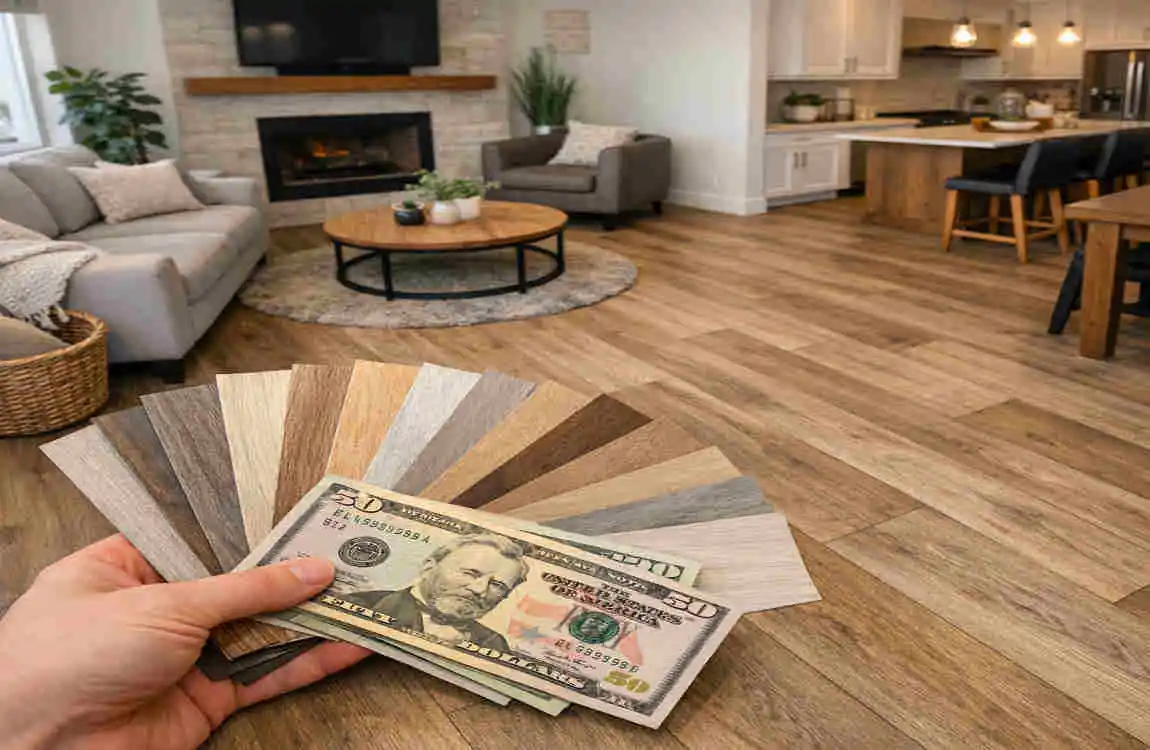
Material prices vary by brand, style, and thickness. Basic options are more affordable, while premium collections cost more.
Installation Cost
If you hire a professional, installation adds to the total. DIY installation can save money, but only if you feel confident doing the job.
Maintenance Expenses
Hybrid flooring usually has low maintenance costs. You do not need special treatments or expensive cleaning routines.
Long-Term Value
This is where hybrid flooring often shines. The floor may cost more than basic vinyl, but its durability and water resistance can offer better value over time.
Is Hybrid Resilient Flooring Worth It?
For many homeowners, the answer is yes. It is especially useful for busy families, pet owners, and homes where moisture is a concern.
It also works well if you want a floor that looks stylish but requires little upkeep. That balance is a big reason for its growing popularity.
If you are looking for a long-lasting surface that performs well in real life, hybrid flooring is worth serious consideration. It gives you comfort, strength, and design flexibility in one package.
Buying Guide
Thickness
Thicker planks often feel more solid underfoot. They may also offer better stability and comfort.
Wear Layer
A stronger wear layer helps protect against scratches and daily wear. This is an important detail if your home gets a lot of traffic.
Warranty
A good warranty can show that the brand trusts its product. Always check what is covered and for how long.
Color and Style
Choose a finish that suits your home’s look. Light colors can make a room feel bigger, while darker tones add warmth and depth.
Waterproof Rating
Not all hybrid floors offer the same level of water protection. If you plan to use it in bathrooms or kitchens, check the rating carefully.
Brand Reputation
Choose a brand with a strong track record. Good reviews and reliable support can make the buying process much easier.
Frequently Asked Questions (FAQ)
What is hybrid resilient flooring?
Hybrid resilient flooring is a modern flooring type that combines the best parts of laminate and vinyl. It is designed to be durable, comfortable, and water-resistant.
Is hybrid resilient flooring waterproof?
Many hybrid flooring products are fully waterproof. Always check the product details to be sure.
Is hybrid flooring better than laminate?
In many cases, yes. Hybrid flooring usually performs better in wet areas and offers stronger water resistance than laminate.
How long does hybrid resilient flooring last?
With proper care, it can last many years. The exact lifespan depends on the brand, the level of use, and how well you maintain it.
Can hybrid flooring be installed in bathrooms?
Yes, if the product is rated for waterproof use. It is a popular choice for bathrooms and other moisture-prone rooms.
Does hybrid flooring scratch easily?
It is more scratch-resistant than many soft flooring options, but no floor is completely scratch-proof. Using pads and mats helps protect it.
Is hybrid flooring good for pets?
Yes. It is a strong choice for homes with pets because it handles foot traffic, mess, and everyday wear well.
Can I install hybrid flooring myself?
Yes, many homeowners can install it themselves if the subfloor is prepared properly and the product uses a click-lock system.
How much does hybrid resilient flooring cost?
Costs vary by brand and quality. It usually sits in the middle range — more than basic vinyl, but often less than hardwood.
Is hybrid flooring worth buying?
For many homes, yes. It offers a strong mix of style, comfort, durability, and easy care.
| Feature | Details |
|---|---|
| What Is Hybrid Resilient Flooring? | A durable flooring type that combines the strength of rigid core flooring with the comfort and appearance of luxury vinyl. |
| Core Material | Usually made with a stone-plastic composite (SPC) or wood-plastic composite (WPC) core. |
| Top Layer | Features a protective wear layer that resists scratches, stains, and fading. |
| Water Resistance | 100% waterproof, making it suitable for kitchens, bathrooms, and basements. |
| Durability | Highly resistant to dents, impacts, and everyday wear. |
| Comfort | Softer and quieter underfoot than traditional tile or hardwood. |
| Installation | Easy click-lock floating installation with no glue required in most cases. |
| Maintenance | Simple to clean with regular sweeping and damp mopping. |
| Best Uses | Living rooms, bedrooms, kitchens, bathrooms, offices, and commercial spaces. |
