
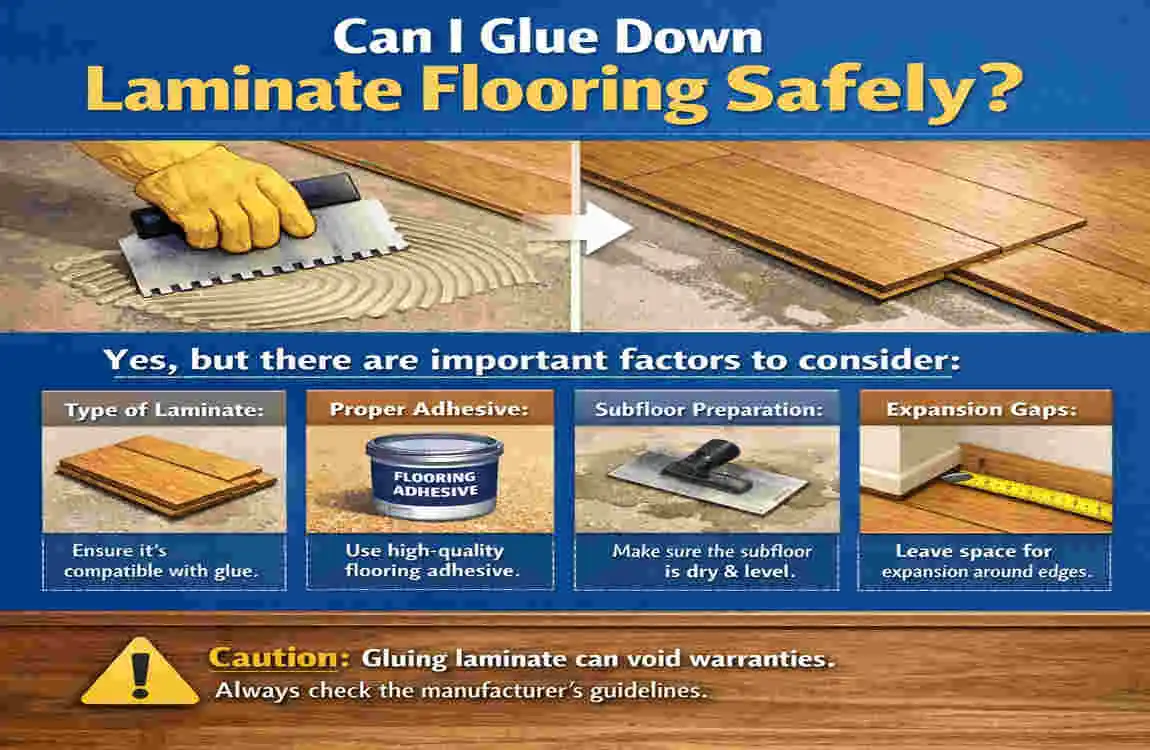
Many homeowners ask, ” Can I glue down laminate flooring when they want a floor that feels more stable and secure. The short answer is yes, sometimes—but only if the product is made for it or the manufacturer clearly allows it.
Most laminate floors are designed to float, not be glued. That means the planks lock together and rest over the subfloor without being attached. This helps the floor expand and contract naturally when temperature or humidity changes.
What Is Laminate Flooring?
How Laminate Flooring Is Made
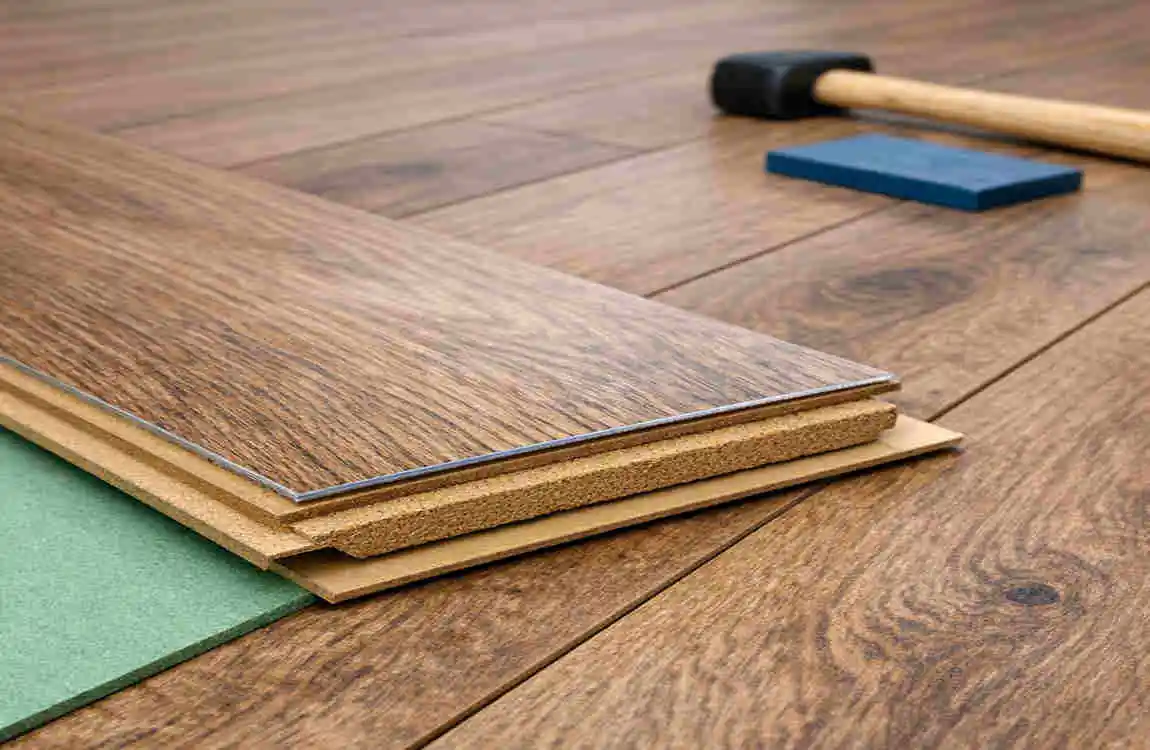
Laminate flooring has several layers:
- Wear layer: protects the surface from scratches and stains
- Decorative layer: gives the floor its wood or stone look
- Core board: provides strength and shape
- Backing layer: adds balance and support
This layered design makes laminate durable, but it also means it needs room to move a little.
Floating vs. Glue-Down Installation
A floating floor clicks together and sits above the subfloor. A glue-down floor is attached with adhesive.
The big difference is simple: floating floors move more easily with the room, while glued floors stay more fixed in place.
Can I Glue Down Laminate Flooring?
The Short Answer
Yes, but only if the manufacturer allows it. That is the most important rule.
Why Most Laminate Floors Aren’t Glued Down
Most laminate floors are not meant to be glued because they expand and shrink slightly with changes in moisture and temperature. If you glue the wrong type down, the floor may buckle, lift, or gap.
Another reason is the click-lock system. These planks are designed to fit together, not stick to the subfloor. Also, gluing the wrong product can void the warranty.
When Is It Safe to Glue Down Laminate Flooring?
Approved Products
Some laminate products are made for glue-down use. If the box or instructions say it is allowed, then you can follow that method.
Commercial Applications
In some busy areas, glue-down installation may help reduce movement and keep the floor feeling more solid.
Small Repair Areas
Sometimes glue is used in a small section during a repair, but only when needed and only with approval.
Manufacturer Recommendations
Always check the product guide first. If the instructions do not mention glue-down installation, do not assume it is safe.
Benefits of Gluing Down Laminate Flooring
Improved Stability
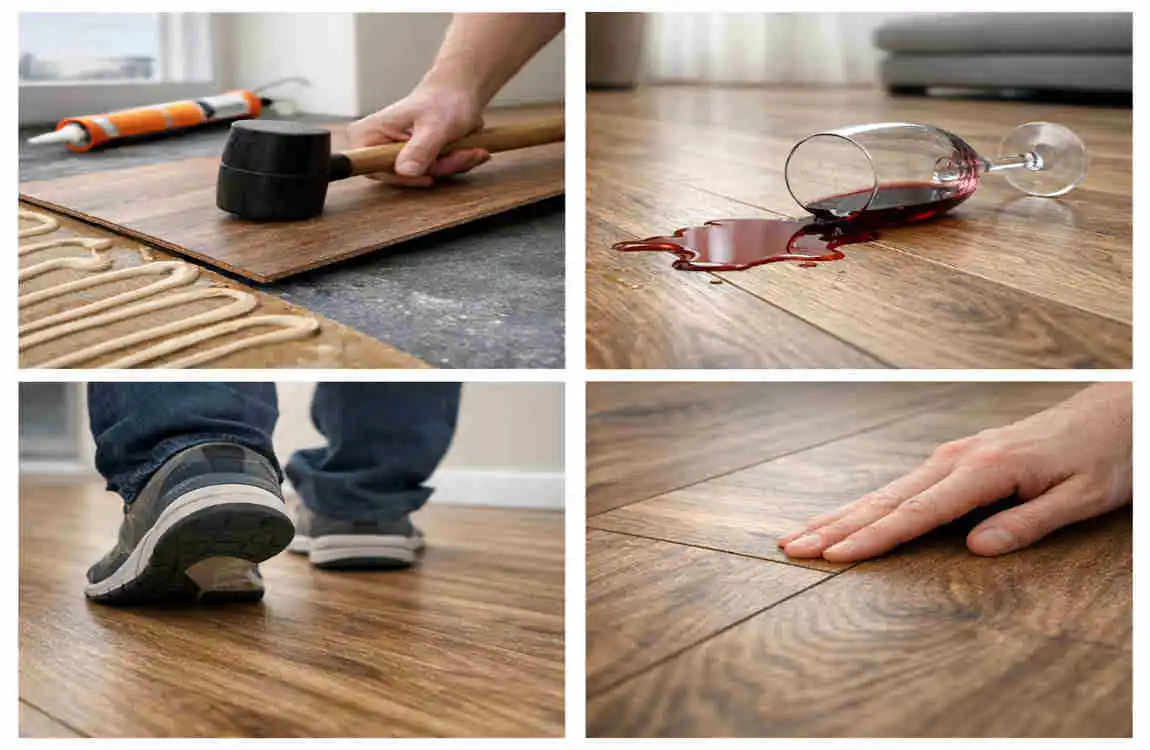
A glued floor may feel more solid underfoot.
Reduced Movement
Less shifting can mean fewer squeaks and less motion in certain spaces.
Better Sound Performance
In some rooms, glued flooring may sound less hollow.
Stronger Bond in High-Traffic Areas
Busy areas may benefit from extra hold, especially in commercial settings.
Risks of Gluing Down Laminate Flooring
Expansion Problems
Laminate needs room to expand. Glue can block that movement and cause damage.
Difficult Repairs
If a glued plank gets damaged, replacing it can be harder.
Higher Installation Cost
Glue, prep work, and labor can raise the total cost.
Warranty May Become Void
If the maker does not approve glue-down installation, you may lose warranty protection.
Best Alternatives to Gluing Laminate Flooring
- Floating installation for easier fit and movement
- Quality underlayment for comfort and sound control
- Transition strips for clean room-to-room edges
- Moisture barriers in areas where dampness is a concern
For most homes, these options work very well without adhesive.
Glue-Down vs Floating Laminate Flooring
Feature Glue-Down Floating Floor
Installation More difficult Easier
Cost Higher Lower
Repairs Harder Easier
Stability Excellent Very Good
DIY Friendly Limited Excellent
Expansion Limited Better
Warranty May be affected Usually protected
Expert Tips for Long-Lasting Laminate Floors
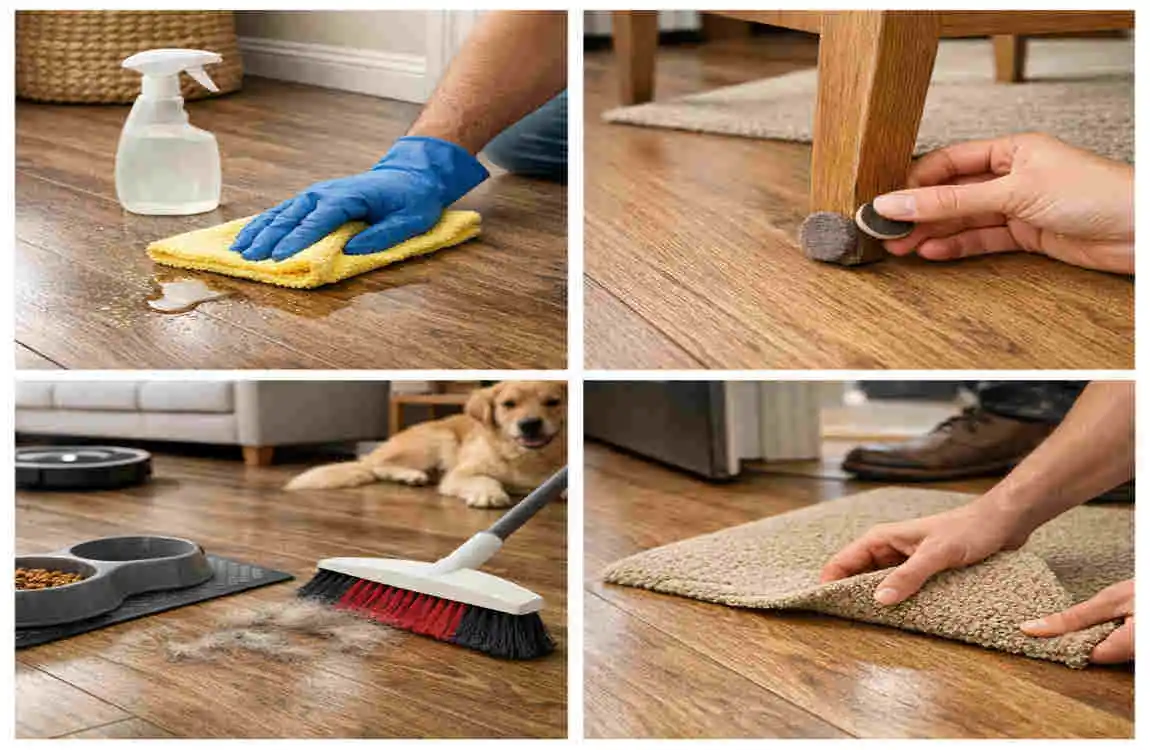
To get the best results, keep these simple tips in mind:
- Follow manufacturer guidelines
- Keep the subfloor clean and dry
- Leave proper expansion gaps
- Use good underlayment
- Avoid harsh cleaners
- Protect the floor from excess moisture
FAQ
Can I glue down laminate flooring instead of floating it?
Only if the manufacturer specifically allows it.
Does gluing laminate flooring make it stronger?
It can improve stability, but it may also cause expansion problems.
Can I glue click-lock laminate flooring?
Usually no, unless the product instructions say it is okay.
Will gluing laminate flooring void the warranty?
It can, if glue-down installation is not approved.
Is floating laminate better than glue-down?
For most homes, yes. It is easier, safer, and more flexible.
| Topic | Information |
|---|---|
| Can You Glue Down Laminate Flooring? | Most laminate flooring is designed as a floating floor and should not be glued to the subfloor unless the manufacturer specifically allows it. |
| Is It Safe? | Yes, but only if the laminate product is approved for glue-down installation and the correct adhesive is used. |
| Best Installation Method | Floating installation with click-lock planks is the safest and most common method. |
| When Glue Is Recommended | Glue may be used on plank joints or with specialty commercial laminate products that require adhesive. |
| Benefits of Glue-Down | Can reduce movement, improve stability, and minimize gaps in approved flooring systems. |
| Potential Risks | Incorrect gluing can cause buckling, expansion issues, void the warranty, and make future repairs difficult. |
| Suitable Subfloors | Clean, dry, level concrete or plywood subfloors approved by the flooring manufacturer. |
| Avoid Gluing Over | Uneven floors, damp surfaces, existing carpet, or subfloors not recommended by the manufacturer. |
| Expert Tip | Always read the manufacturer’s installation instructions before deciding to glue down laminate flooring. |
