
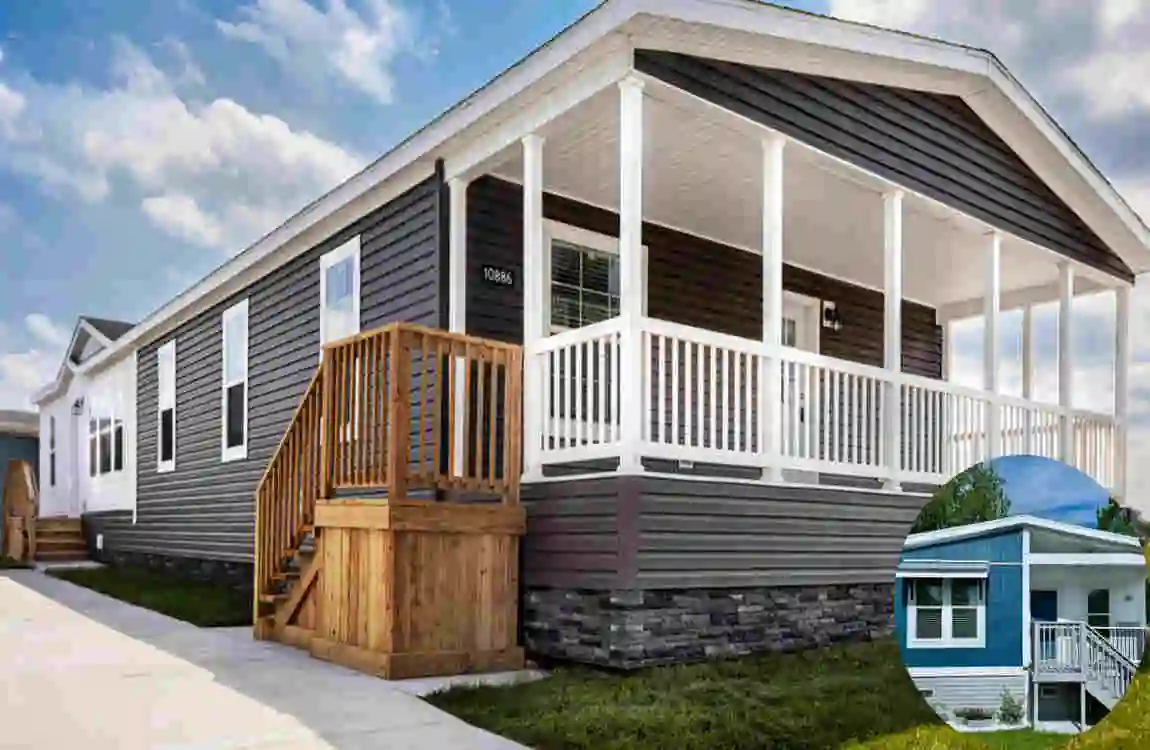
Upgrading your living situation can be exciting but also overwhelming, especially when it comes to mobile homes. If you’re wondering how to trade in a mobile home for top dollar without the hassle of selling it outright, you’re in the right place. Did you know that 1 in 5 mobile homeowners upgrade via trade-in every year? This smart option lets you transfer equity and simplify the process, making your next move smoother and more affordable.
What Is a Mobile Home Trade-In?
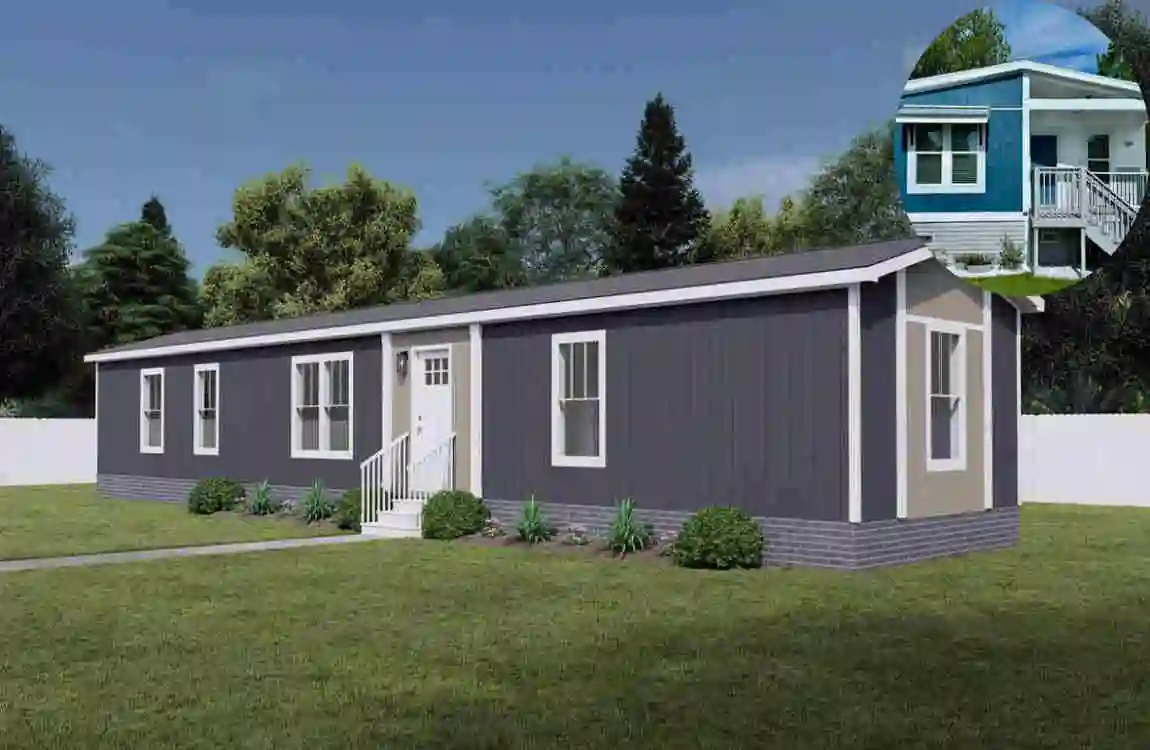
Trading in a mobile home means exchanging your current unit for credit toward a new or used mobile home at a dealer. Instead of selling your home privately, you hand it over to a dealer who applies its value as a down payment or credit on your next purchase.
How Is Trade-In Different from Selling Outright?
- Speed: Trade-ins usually take 1 to 4 weeks, while private sales can drag on for months.
- Convenience: Dealers handle most of the paperwork and logistics, so you avoid staging, showings, and negotiations with strangers.
- Value: You might get 70-90% of your home’s market value in a trade-in, compared to potentially full market value in a private sale.
- Costs: Trade-ins often have minimal fees, whereas private sales might require repairs, commissions, and marketing expenses.
Types of Trade-Ins
- Dealer-Direct Trade-Ins: You work directly with a mobile home dealer who offers you credit toward another home.
- Park-Approved Trade-Ins: Some mobile home parks have arrangements allowing trade-ins within the community, which can simplify lease transfers.
Here’s a quick comparison table to help you see the differences clearly:
AspectTrade-InPrivate Sale
Speed 1-4 weeks , 2-6 months
Hassle Low (dealer handles) High (marketing, showings)
Value 70-90% market value Full market value
Costs : Minimal fees , Repairs, commissions
Trading in your mobile home is a faster, less stressful option, but it may yield a slightly lower payout. It’s perfect if you want to upgrade quickly and avoid the headaches of selling privately.
Why Trade In Your Mobile Home?
You might be asking yourself, “Why should I trade in my mobile home instead of selling it?” Here are some top reasons:
- Upgrade to Modern Features: Mobile homes have come a long way. Trading in lets you upgrade to a newer model with better insulation, improved energy efficiency, and a stylish interior.
- Relocate Easily: If you’re moving for work or lifestyle changes, trade-ins speed up the process without the uncertainty of a private sale.
- Avoid Market Slumps: The mobile home market can fluctuate. Trading in helps you avoid waiting for the perfect buyer during slow periods.
- Take Advantage of Trends: With more people working remotely, demand for spacious, comfortable mobile homes is rising. Plus, eco-friendly upgrades can qualify you for rebates and incentives.
Trading in your mobile home is a smart move if you want to save time, reduce stress, and get into a better home faster.
Step-by-Step: How to Trade In a Mobile Home
Ready to trade in your mobile home? Here’s a detailed, easy-to-follow process to guide you through every step.
Assess Your Mobile Home’s Value
Before you start, it’s crucial to know what your mobile home is worth. Several factors influence value:
- Age and Condition: Newer homes or those in excellent shape fetch higher trade-in credits.
- Location: Homes in desirable parks or regions have better value.
- Park Fees and Lease Terms: Some parks have transferable leases that add value.
- Market Demand: Current trends can push prices up or down.
Use tools like the NADA Mobile Home Guide or check comparable listings on Zillow or MHVillage. You can also do a simple 10-point inspection checklist:
- Roof condition
- Flooring and walls
- Plumbing and electrical systems
- Appliances included
- Heating and cooling systems
- Exterior siding and foundation
- Windows and doors
- Cleanliness and maintenance
- Park rules compliance
- Any recent upgrades
Knowing your home’s value helps you negotiate better and avoid surprises.
Research Dealers and Options
Not all dealers are created equal. Look for reputable dealers through:
- MHVillage: A trusted marketplace for mobile homes.
- Local Mobile Home Parks: They often have preferred dealers.
- Online Reviews: Check ratings and testimonials.
Get quotes from at least 3 to 5 dealers to compare offers. This research ensures you get the best deal possible.
Prepare Documentation
Having your paperwork ready speeds up the trade-in process. Make sure you have:
- Title or ownership documents
- Loan payoff information (if applicable)
- Park lease agreement
- Utility bills (to prove payments)
- Maintenance records
Organizing these documents upfront shows you’re serious and helps avoid delays.
Get Quotes and Negotiate
Submit photos and any appraisal reports to dealers. When negotiating:
- Use your comparable sales research to justify your price.
- Time your trade-in during peak seasons (spring and early summer) for better offers.
- Don’t hesitate to ask for a higher credit or additional perks.
Negotiation is key to maximizing your trade-in value.
Finalize the Trade
Once you agree on terms:
- Sign the trade-in agreement.
- Transfer any equity or loan balances.
- Schedule your move-out date.
Most trade-ins wrap up within a few weeks. A timeline graphic here would show the smooth flow from offer to closing.
Close and Upgrade
After the trade:
- Inspect your new mobile home carefully.
- Arrange financing for any remaining balance.
- Complete a post-trade checklist: utilities, address changes, and park registration.
Congratulations! You’ve successfully traded in your mobile home and upgraded your lifestyle.
Factors Affecting Trade-In Value
Understanding what affects your trade-in value helps you prepare and negotiate more effectively. Here’s a breakdown:
FactorImpact LevelHow to Maximize It
Condition High (+20%) Make quick repairs under $1,000
Age/Model Medium Highlight recent upgrades
Location/Park High Transfer lease if it’s favorable
Market Trends Variable Sell during market booms (2026+)
Market Insight: Mobile home values rose about 15% in 2026 due to supply shortages and increased demand. This trend favors sellers and trade-ins alike.
Common Mistakes to Avoid When Trading In
Trading in your mobile home can be smooth if you avoid these pitfalls:
- Skipping Inspections: Hidden issues can lower your offer or cause delays.
- Ignoring Loan Balances: Know your payoff amount to avoid surprises.
- Neglecting Prep Work: Cleaning and minor fixes can significantly boost value.
- Dealer Lock-In Without Shopping Around: Always get multiple quotes before committing.
Avoiding these mistakes saves you money and stress.
Maximizing Value: Pro Tips
Want to get the most from your trade-in? Here are some expert tips:
- Time It Right: Avoid winter months when demand slows.
- Bundle Upgrades: Adding solar panels can increase equity by 10%.
- Tax Perks: Check if you qualify for tax benefits similar to IRC Section 1031 exchanges.
- Financing Hacks: Compare dealer financing rates with banks to save on interest.
Case Study: John traded his 2015 double-wide mobile home and received a $45,000 credit toward his new home, saving $10,000 compared to selling privately.
Costs and Financing in Mobile Home Trade-Ins

While trade-ins reduce hassle, some costs remain:
- Appraisal Fees: Around $300 on average.
- Transport Costs: Moving your home can cost about $2,000.
- Financing: Chattel loans for mobile homes typically carry APRs of 8-12%, higher than those for traditional mortgages.
Knowing these costs upfront helps you budget effectively.
FAQs: How to Trade In a Mobile Home
Can I trade in a mobile home with an existing loan?
Yes, but you’ll need to pay off or roll over the loan balance during the trade.
What’s the average trade-in value?
Typically 70-90% of market value, depending on condition and location.
Can I trade in a mobile home on rented land?
Yes, but lease transferability affects value and approval.
How long does the trade-in process take?
Usually, 1 to 4 weeks from assessment to closing.
Are there tax benefits to trading in?
Sometimes, especially if you qualify for specific local or federal programs.
