
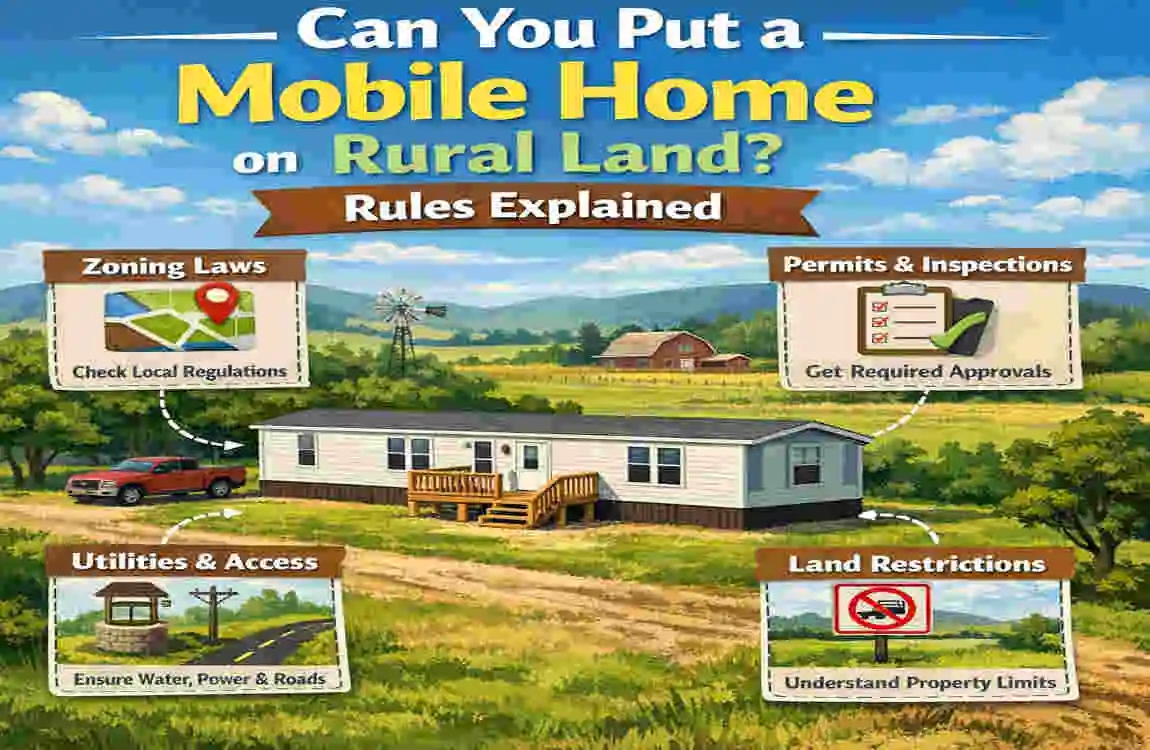
Yes, you may be able to put a mobile home on rural land, but owning the land does not automatically mean you can place a home there.
That is where many buyers get surprised. A property may look open and ready, but local rules can still limit what you can build or set on it. If you are asking whether you can put a mobile home on your own land, the real answer depends on zoning laws, permits, building codes, utility rules, and land-use restrictions.
These rules can change from one state, county, or town to another. So, before you buy a home or prepare the site, you need to check the local requirements.
Understand Local Zoning Rules for Mobile Homes
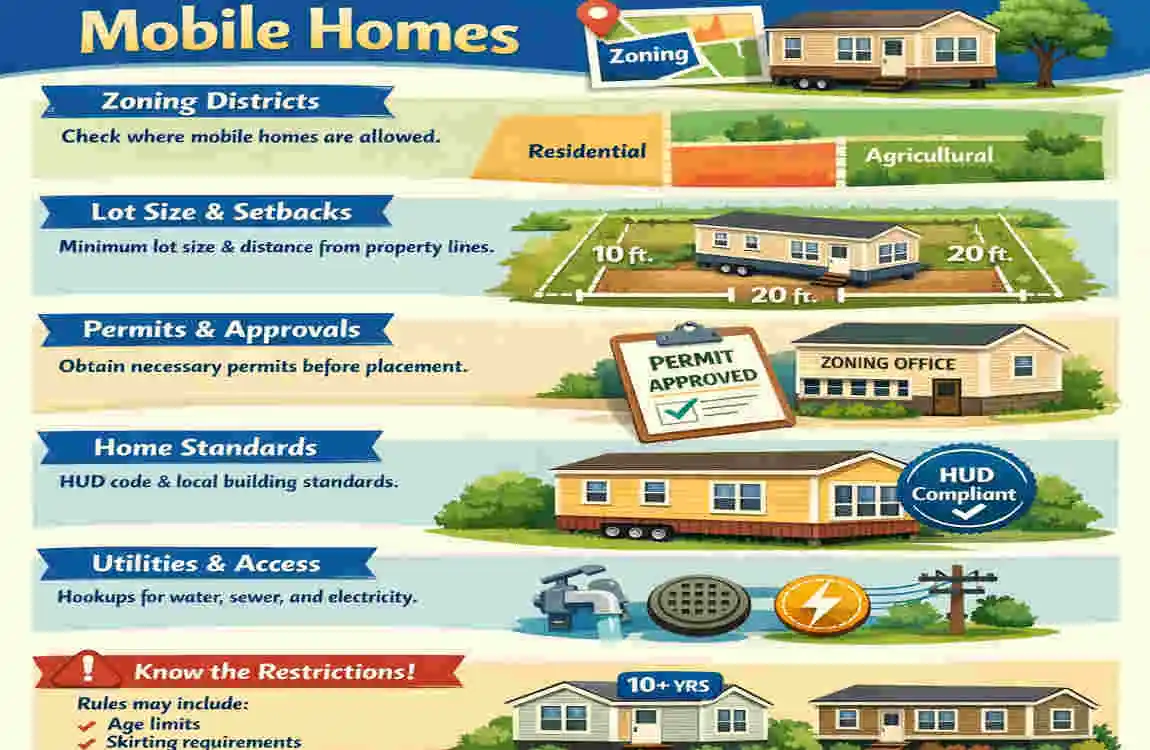
Check Whether Mobile Homes Are Allowed
Zoning is usually the first thing to check. It tells you how land can be used.
Some rural areas allow manufactured homes or mobile homes on residential, agricultural, rural residential, or mixed-use land. Others do not. Even if the land looks perfect, zoning may still block placement.
That is why you should never assume rural land is automatically open to a mobile home.
Check Minimum Lot and Home Requirements
Many areas have rules about:
- Minimum lot size
- Setbacks from property lines
- Frontage requirements
- Home size or width requirements
These rules can affect whether the home fits legally and physically on the property. A lot may be large enough in your eyes, but still fail local standards.
Look for HOA and Deed Restrictions
Private restrictions can matter just as much as public rules. Some properties have deed restrictions, covenants, or HOA rules that limit the use of mobile homes.
Always review the title documents before you buy. A lot can appear unrestricted but still have private rules that prevent placement.
Mobile Home vs. Manufactured Home: Why the Difference Matters
The terms mobile home and manufactured home are often mixed, but they do not always mean the same thing.
A manufactured home is a modern factory-built home made under federal standards. Older mobile homes may have different construction rules because they were built before modern standards were in place.
That difference matters because the age, certification, foundation, and build quality can affect whether the local government allows it on your land. Some areas may allow one type and not the other.
Permits You May Need Before Moving a Mobile Home
Zoning or Land-Use Approval
In many places, you may need approval before installation even begins. Some areas use conditional-use or special-use permits for manufactured homes.
This step helps the local government confirm that the home fits the zoning rules.
Building and Installation Permits
You may also need permits for:
- Home installation
- Foundation or support system
- Electrical work
- Plumbing
- Driveway or site work
Do not skip this step. A local building department can tell you exactly what is required.
Septic and Well Permits
If your rural land is not connected to city water or sewer, you may need a septic system and a private well.
That often means soil testing, health department approval, and separate permits. These systems can add time and cost, so it helps to check early.
Prepare the Rural Property for a Mobile Home
Choose a Suitable Site
Not every spot on rural land is a good place for a home. You should think about:
- Drainage
- Slope
- Flooding
- Soil conditions
- Access for delivery trucks
A poor site can make the project more expensive and may even stop installation.
Prepare the Foundation or Support System
Manufactured homes usually need an approved support or foundation system. The exact setup depends on local rules and the type of home.
Anchoring may also be required. This helps keep the home safe and stable, especially in windy areas.
Plan Driveway and Utility Access
A home also needs access for delivery and utility setup. That includes electricity, water, septic, propane, or other services.
Rural utility work can get expensive fast. So even if the land is cheap, the full project may cost much more than expected.
What Can Stop You From Putting a Mobile Home on Rural Land?
Several things can block placement. Here are the most common:
- Zoning restrictions
- Minimum home-size rules
- Setback violations
- Floodplain or environmental limits
- No legal road access
- Bad soil for septic
- Utility problems
- Deed restrictions or private covenants
- Age or appearance rules for homes
If any one of these fails, the project may not be allowed.
Costs to Consider Before Buying Rural Land
A low-cost lot may not remain low-cost once you factor in the real expenses.
Common Cost Items
- Land purchase price
- Permits and zoning fees
- Site preparation
- Foundation or support system
- Transportation and setup
- Septic system
- Well or water connection
- Electrical service
- Driveway and grading
- Skirting, stairs, and decks
- Property taxes and insurance
This is why buyers should always look at the total cost, not just the land price.
How to Find Out If You Can Put a Mobile Home on Your Land
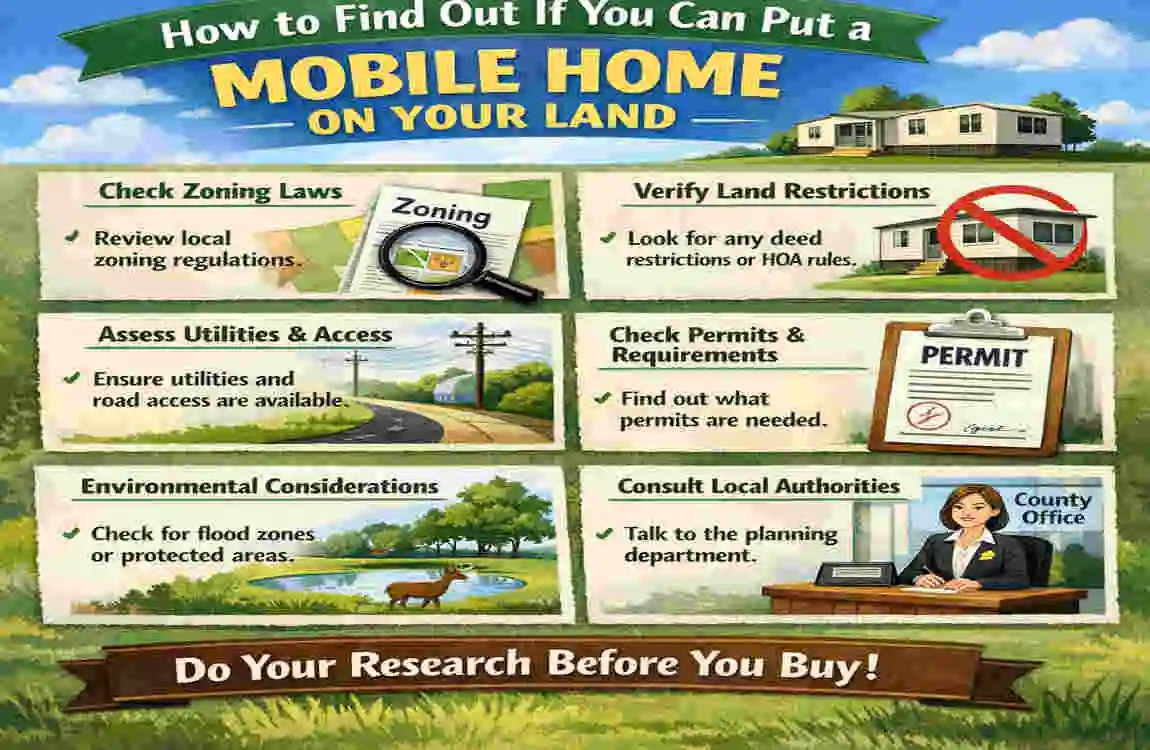
The best way to know for sure is to check with the local office before you spend money.
Start With These Steps
- Find the parcel number
- Contact the planning or zoning office
- Ask if a manufactured home is allowed on the parcel
- Request the setback and lot-size rules
- Ask which permits are needed
- Review deed restrictions and title documents
- Check floodplain status
- Confirm road and utility access
Questions to Ask the Zoning Office
Use clear questions like these:
- Is a manufactured home allowed on this parcel?
- What zoning district is the property in?
- Are there minimum lot-size rules?
- What setbacks apply?
- Do I need a permit first?
- Are there age or size limits?
- What foundation rules apply?
- Are septic and well permits required?
- Are there extra rules for agricultural land?
Pros and Cons of Putting a Mobile Home on Rural Land
Advantages
- Lower housing cost
- More privacy and open space
- Chance to own land and a home
- Flexible rural living
- Room for future improvements if allowed
Disadvantages
- Zoning can stop the project
- Utilities may be costly
- Rural roads can make delivery harder
- Septic and well systems need planning
- Permitting can take time
- Resale value depends on the area
Practical Steps Before You Move a Mobile Home
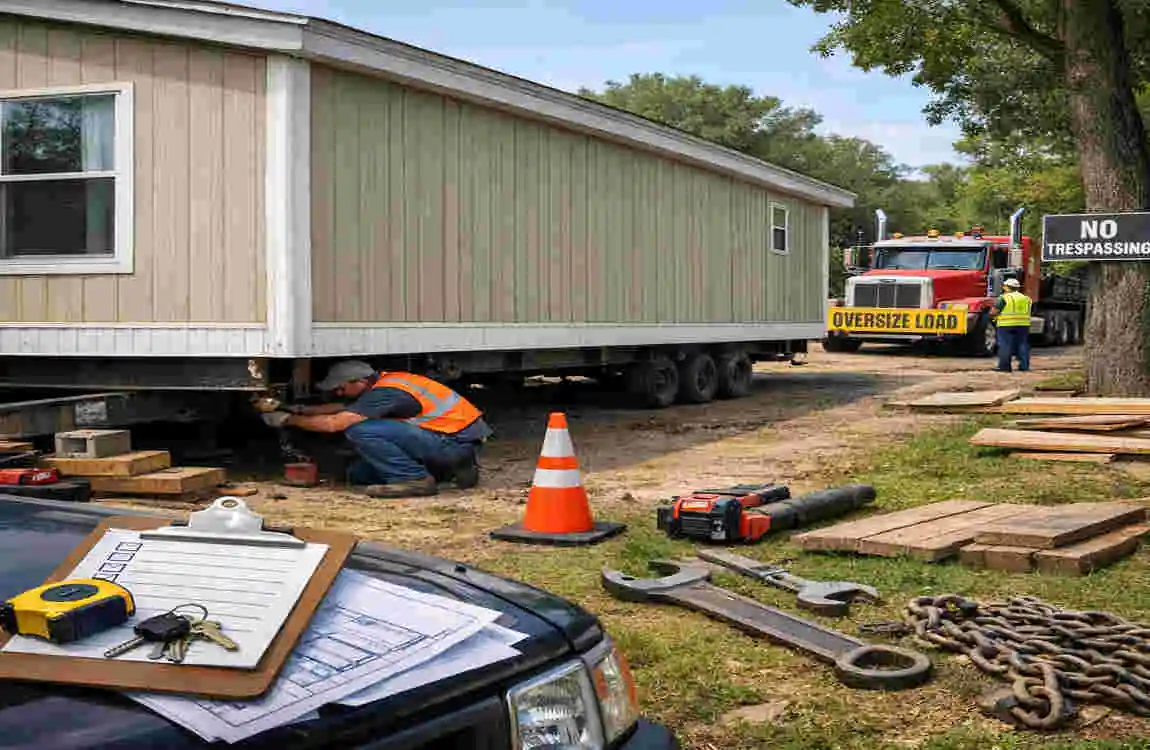
Here is a simple order to follow:
- Verify zoning
- Check deed restrictions
- Confirm setbacks and lot rules
- Find out which permits are needed
- Test the site for septic suitability
- Plan utilities and access
- Prepare the foundation and site
- Hire professional transport and installation
- Complete inspections and final approval
FAQ: Can You Put a Mobile Home on Rural Land?
Can you put a mobile home on your own land?
In many areas, yes. But zoning, permits, setbacks, and local rules can still limit what you can do.
Do you need permission to put a manufactured home on rural land?
Usually, yes. You may need local approval, permits, or both.
Can I put a mobile home on agricultural land?
Sometimes. It depends on the local zoning rules and any extra restrictions for agricultural properties.
What permits are needed for a mobile home?
You may need zoning approval, installation permits, foundation permits, septic permits, well permits, and utility permits.
Can I live in a mobile home on land without utilities?
That depends on local rules. Many places require approved water, wastewater, and electricity before legal occupancy.
Is a manufactured home the same as a mobile home?
Not exactly. The terms are often used loosely, but manufactured homes usually follow modern federal standards.
How do I know if my rural land allows a mobile home?
Contact the local planning or zoning office with your parcel information and ask about allowed housing types, setbacks, permits, and restrictions.
Can zoning laws prevent me from placing a mobile home on my property?
Yes. Zoning rules can block placement even if you own the land.
| Key Point | Quick Information |
|---|---|
| Can you do it? | Yes, but local rules may restrict mobile homes on rural land. |
| Zoning | Check whether the property allows manufactured or mobile homes. |
| Building Permits | A permit may be required before placing the home. |
| Land Access | Roads, driveway access, and utility connections may need approval. |
| Utilities | Verify water, septic, electricity, and sewage requirements. |
| Foundation | Some areas require an approved permanent foundation or anchoring system. |
| Property Taxes | A manufactured home may be taxed differently depending on local regulations. |
| Best First Step | Contact the local planning or zoning department before buying the land or home. |
