
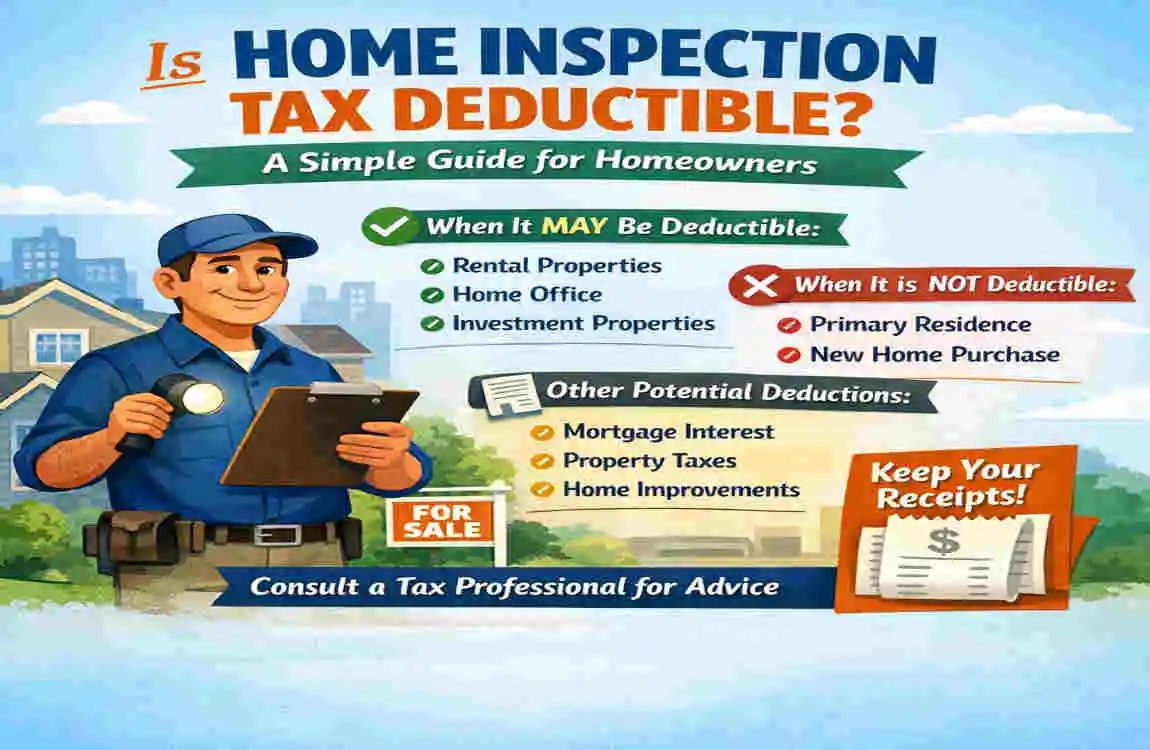
If you are buying or managing a home, you may ask whether a home inspection is tax-deductible. It is a common question, and the answer matters because home inspection costs can add to your moving or investment expenses.
A home inspection helps you understand the condition of a property before you buy it. It can reveal roof issues, plumbing problems, electrical concerns, and more. Many homeowners hope this cost can be written off at tax time, but the rules are not always that simple.
What Is a Home Inspection?
Purpose of a Home Inspection
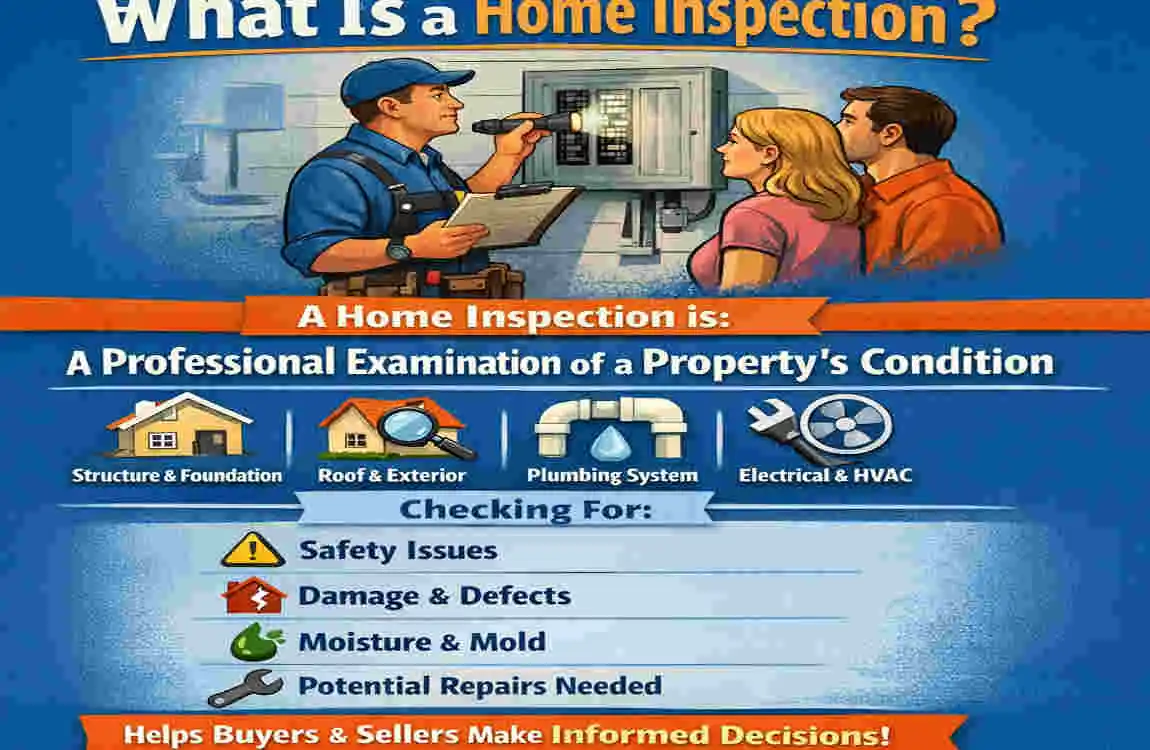
A home inspection is a checkup for a house. A licensed inspector looks at the property and points out possible problems.
The goal is to help you make a smarter decision before buying. It also gives you a better picture of the home’s condition so you know what repairs may be needed later.
What a Home Inspector Checks
A home inspector usually reviews:
- Roof condition
- Plumbing
- Electrical system
- Heating and cooling
- Windows and doors
- Foundation
- Walls, ceilings, and floors
The inspector does not fix the problems. They only report what they see.
Average Cost of a Home Inspection
The cost depends on the home size, location, and inspector experience. In many cases, a standard inspection costs a few hundred dollars.
Larger homes or older homes may cost more because they take longer to inspect.
Is Home Inspection Tax Deductible?
Short Answer
For most people, no. If you are buying a primary residence, the cost of a home inspection is usually not tax deductible.
That said, there are some exceptions. If the inspection is tied to a rental property, business property, or investment property, the tax treatment may be different.
Why the IRS Treats It This Way
The IRS usually separates costs into two types:
- Personal expenses
- Business or investment expenses
A home inspection for your own house is usually seen as a personal expense. Personal expenses are generally not deductible.
On the other hand, if the inspection is part of a business or income-producing property, it may count as a business cost or a capital expense.
A capital expense is a cost incurred to buy, improve, or add value to property. It may not always be deductible right away, but it can affect your tax basis.
When a Home Inspection May Be Tax Deductible
Rental Properties
If you buy a property to rent out, the inspection may qualify as a business-related expense in some cases.
This often depends on how the inspection is used. If it helps you evaluate a rental investment, the cost may be treated differently from a personal home inspection.
Investment Properties
If you are buying property as an investment, the inspection may be tied to the cost of acquiring that property.
In some cases, it may not be deducted right away, but it can still matter for tax purposes.
Home Used for Business
If you use part of your home for business, some inspection-related costs may be considered under business rules. This depends on how the home is used and how the expense is documented.
Property Flipping Businesses
If you buy homes to repair and resell them, home inspection costs may be considered business expenses.
In that situation, the inspection is not personal. It is part of your profit-making activity.
Situations Where Home Inspection Costs Are Not Deductible
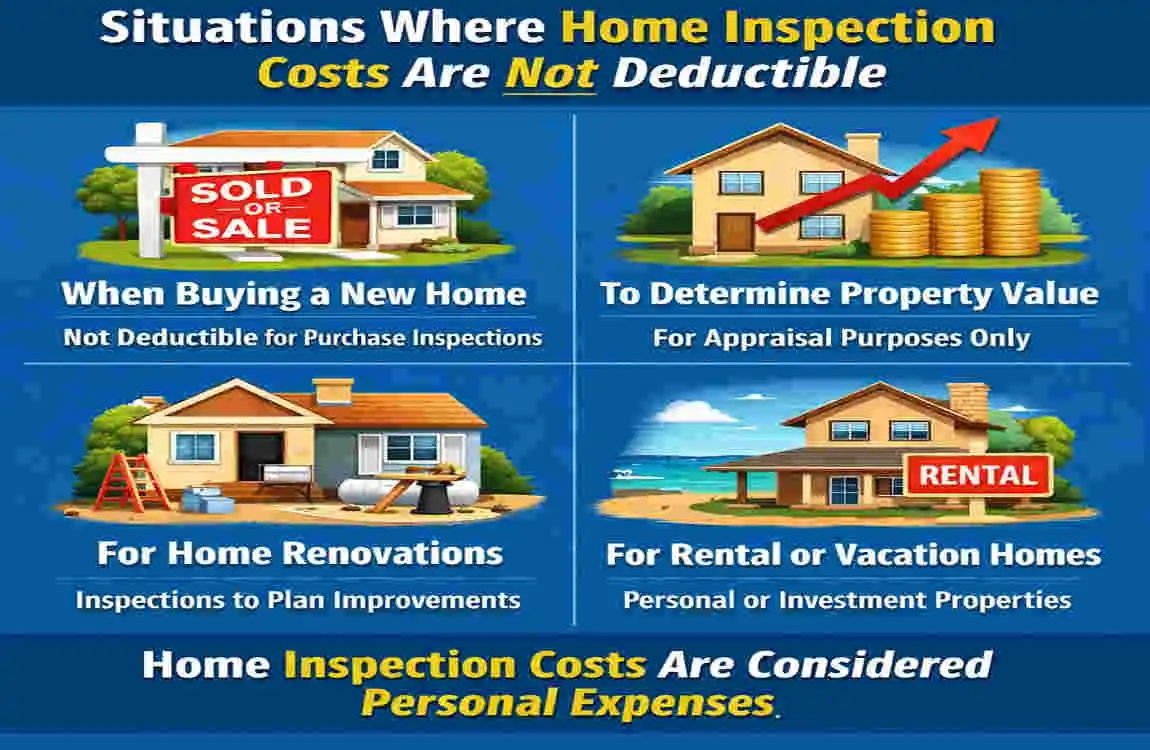
Buying a Primary Residence
If you are buying a home to live in yourself, the inspection is usually not deductible.
That is because the IRS sees it as part of your personal buying decision, not a business expense.
Selling Your Home
A home inspection done while selling your home is also usually not deductible for most homeowners.
It may help with the sale, but it is still generally treated as a personal cost.
Routine Personal Maintenance
If you hire an inspector to check your own home for peace of mind, that expense is not usually deductible either.
Can Home Inspection Costs Be Added to Your Home’s Cost Basis?
Understanding Cost Basis
Your cost basis is the amount you use to figure profit when you sell a property. It usually starts with the price you paid for the home, plus certain buying costs and improvements.
Why It Matters When Selling a Home
If a cost is added to your basis, it may reduce your taxable gain when you sell.
This does not mean you get a direct deduction now. It means the expense may help lower taxes later when you sell the property.
Examples
For example, if some purchase-related costs are added to the basis of a rental property, they may help reduce future taxable gain.
However, home inspection fees alone usually do not create a separate personal tax deduction for your main home.
Other Home Buying Costs That May Have Tax Benefits
Some home-related costs may have tax value, even if the inspection does not.
Mortgage Interest
Mortgage interest can often be deductible for many homeowners, depending on current tax rules and personal situation.
Property Taxes
Property taxes may also offer a tax benefit, though limits and rules can apply.
Mortgage Points
Some buyers pay mortgage points to lower their loan interest rate. In some cases, these may be deductible.
Energy-Efficient Home Credits
If you make certain energy-saving upgrades, you may qualify for tax credits in some situations.
These are separate from home inspections, but they are worth keeping in mind.
Tax Rules for Rental Property Owners
Deductible Inspection Costs
If you own a rental property, inspection costs may be treated as a business expense or a startup cost, depending on the situation.
This is why rental property owners should save every receipt and document every expense carefully.
Repairs vs. Improvements
This is an important tax idea.
- Repairs fix something broken.
- Improvements make the property better or more valuable.
A repair may be deductible faster, while an improvement may need to be added to the property’s basis and recovered over time.
Recordkeeping Tips
Good records make tax time much easier.
Keep:
- Inspection invoices
- Inspection reports
- Closing documents
- Rental property records
- Dates and notes for each expense
These papers can help you or your tax professional decide how to handle the cost.
Tips for Keeping Tax Records
Here are a few simple habits that help:
- Save all receipts
- Keep inspection reports in one folder
- Store closing documents safely
- Separate personal and rental expenses
- Ask a tax professional when in doubt
These steps can save you time and confusion later.
Common Mistakes Homeowners Make
Many people make the same tax mistakes after a home inspection.
- Assuming every home-buying expense is deductible
- Mixing personal and rental expenses
- Losing important paperwork
- Not understanding cost basis
- Claiming deductions without checking the rules
If you avoid these mistakes, you will have a much easier time handling your taxes.
Home Inspection Tax Deduction at a Glance

Situation Tax Deductible?Notes
Primary home purchase No Usually considered a personal expense
Rental property Sometimes May qualify as a business expense
Investment property Sometimes Depends on tax treatment
House flipping business Possible Business rules may apply
Home office business property Limited Depends on business use
This table gives you a quick summary, but your actual tax result depends on your full situation.
Frequently Asked Questions
Is home inspection tax deductible for a primary residence?
Usually no. It is normally treated as a personal expense.
Can landlords deduct home inspection costs?
Often yes, if the inspection relates to managing a rental property and fits tax rules.
Can I deduct a home inspection after buying a house?
Most homeowners cannot deduct it for a personal residence.
Is a pre-purchase inspection tax deductible?
Usually not for personal homebuyers.
Can inspection fees increase my home’s cost basis?
In some cases, certain acquisition costs may affect basis, but inspection fees alone usually do not create a direct deduction.
Should I keep my home inspection report for tax purposes?
Yes. Keep it with your other real estate records.
| Question | Answer |
|---|---|
| Is a home inspection tax deductible? | Usually No for homeowners buying a primary residence. |
| When can it be deductible? | It may be deductible if the inspection is for a rental property, investment property, or certain business-related real estate expenses, subject to tax rules. |
| Primary home purchase | Inspection costs are generally considered a personal expense and are not tax deductible. |
| Rental property | Inspection fees may qualify as a deductible operating expense or be added to the property’s basis, depending on the purpose and timing. |
| Home office | A standard home inspection is generally not deductible solely because you have a home office. |
| Selling a home | Pre-listing inspection costs are generally not directly tax deductible, though they may affect your overall selling expenses. |
