
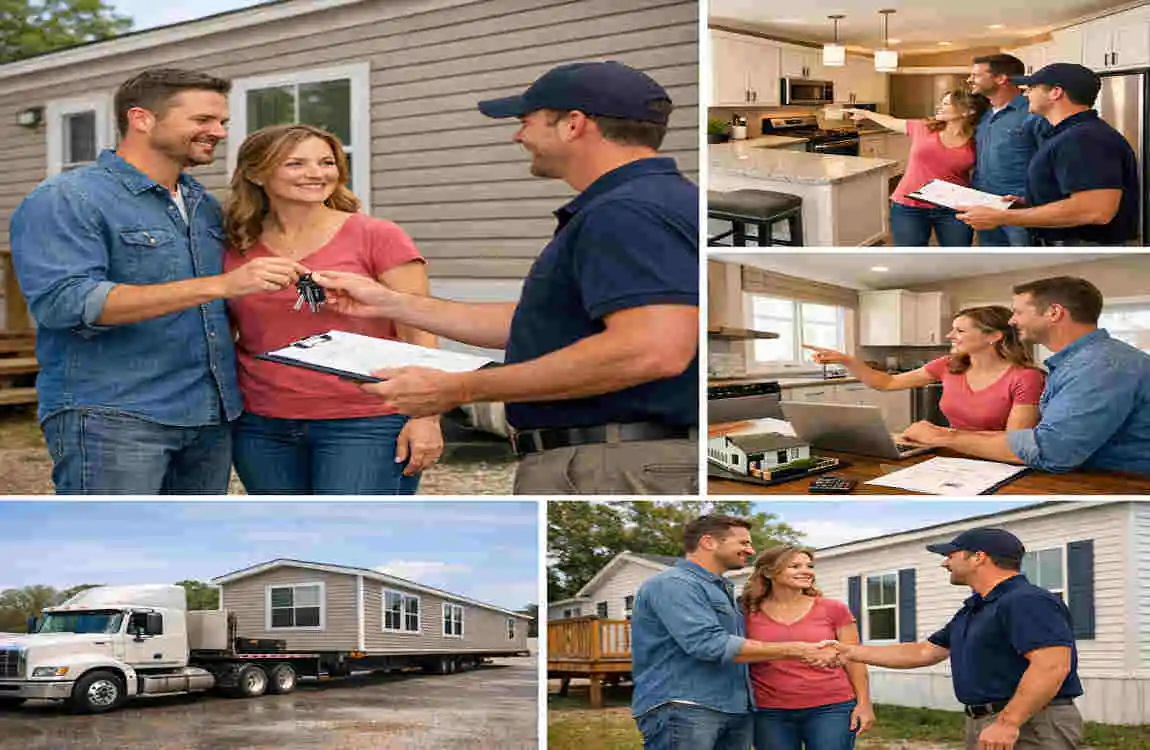
If you own a mobile home and want to move into something newer, bigger, or simply different, a trade-in can be a practical option. Instead of trying to sell the home on your own, you work with a dealer or retailer who checks the home’s condition and offers a value that can go toward your next purchase.
Many homeowners choose this route because it saves time and reduces stress. You do not have to handle endless calls, showings, or private buyer negotiations. You also get a clearer path toward your next home.
Still, getting a fair offer matters. If you are learning how to trade in a mobile home, the goal is to understand the process, improve your home’s appeal, and avoid leaving money on the table. A little preparation can make a big difference.
What Does It Mean to Trade In a Mobile Home?
How Mobile Home Trade-Ins Work
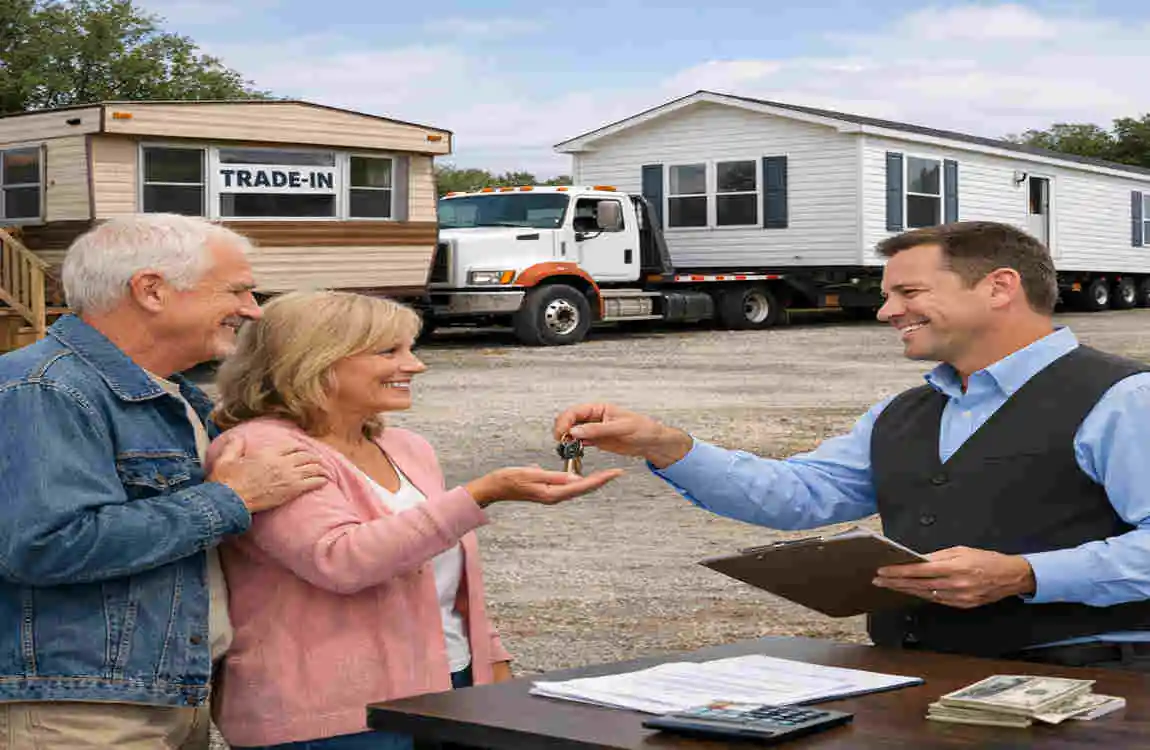
A mobile home trade-in works a lot like trading in a car. A dealer looks at your home, checks its condition, age, size, and market appeal, then gives you an offer. If you accept, that value is applied toward the purchase of another mobile home.
Sometimes the offer becomes a down payment or partial credit on your next home. In other cases, it helps lower the amount you need to finance. That is why many people like the trade-in process. It keeps things simple.
Who Accepts Mobile Home Trade-Ins?
Not every business handles trade-ins, but several types of sellers may accept them:
- Mobile home dealers
- Manufactured home retailers
- Community operators
Some dealers focus on new homes, while others may work with used homes or moving packages. Before you start, it helps to ask whether the dealer accepts trade-ins and what kind of homes they want.
Why Trade In a Mobile Home?
Save Time and Effort
Selling a mobile home privately can take a lot of work. You may need to advertise, answer questions, schedule visits, and wait for the right buyer.
A trade-in removes much of that burden. You deal with fewer steps and can often move ahead faster.
Reduce Paperwork
Private sales often involve more back-and-forth. Trade-ins are usually more straightforward. The dealer handles much of the process, which makes things easier for you.
Easier Financing
If you are buying another home, the trade-in value can help with financing. That can lower the amount you need to borrow and may make the new purchase more manageable.
Convenient Upgrade Process
A trade-in is often the smoothest way to move from one home to another. If you want to upgrade without delay, this option can save time and keep the process moving.
Factors That Affect Mobile Home Trade-In Value
Age of the Home
Older homes often bring lower trade-in values. That does not mean an older home has no value, but age can affect buyer interest and financing options.
Newer homes usually look more attractive because they may need fewer repairs and often have more updated features.
Overall Condition
Condition matters a lot. A clean, well-kept home often gets a better offer than one with visible damage.
Dealers look at:
- Floors
- Walls
- Roof
- Plumbing
- Windows
- Appliances
- Exterior condition
The better your home looks and functions, the stronger your offer may be.
Size and Floor Plan
A roomy, practical layout can make a home more desirable. Homes with good flow, open living spaces, and useful room arrangements tend to stand out.
Smaller homes can still trade well if they are in good shape and match current demand.
Brand and Manufacturer
Some manufacturers have better reputations than others. Well-known brands may hold value better because buyers trust the quality and design.
Location
Where the home is placed also matters. A mobile home in a desirable park or strong market may be worth more than one in a weaker location.
If the home must be moved, transport costs can also affect the final offer.
Market Demand
Trade-in value often changes with demand. If many buyers want mobile homes in your area, the offer may improve.
Upgrades and Renovations
Updates can help, but only if they are useful and tasteful. Simple improvements often work better than expensive custom changes.
Good upgrades may include:
- New flooring
- Fresh paint
- Updated fixtures
- Better appliances
- Improved lighting
These changes can make your home feel newer and more appealing.
How to Prepare Your Mobile Home Before Trading It In
Deep Clean Every Room
A clean home creates a stronger first impression. Wash walls, clean floors, dust shelves, and make the whole space look cared for.
Do not overlook bathrooms, kitchens, and corners. Buyers notice details fast.
Complete Minor Repairs
Fixing small problems can help your home appear better maintained. Even simple repairs can improve how the dealer sees the home.
Try to handle things like:
- Loose handles
- Leaky faucets
- Broken trim
- Squeaky doors
- Small wall damage
You do not always need a major remodel. Small fixes often matter more than you think.
Improve Curb Appeal
The outside of the home is the first thing anyone sees. A neat exterior can help your home look more valuable right away.
You might:
- Cut the grass
- Clean the skirting
- Remove clutter
- Wash the siding
- Add a fresh coat of paint if needed
Gather Important Documents
Having your paperwork ready makes the trade-in process much smoother. It also shows that you are organised and serious.
Remove Personal Belongings
A clutter-free home feels larger and cleaner. When the space is open and simple, the dealer can focus on the condition of the home itself.
Step-by-Step Guide on How to Trade In a Mobile Home
Determine Your Home’s Value
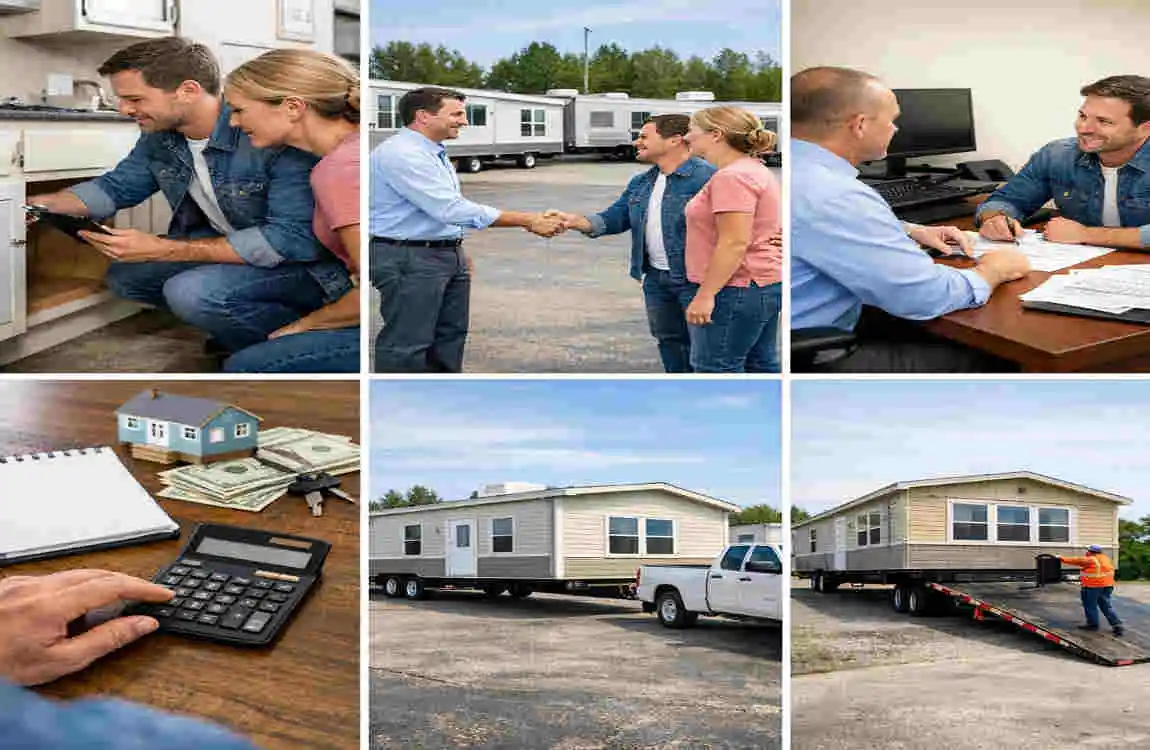
Start by learning what your home may be worth. You can compare similar homes in your area, look at market trends, and ask a few dealers for rough estimates.
This gives you a realistic starting point before you negotiate.
Contact Multiple Dealers
Do not rely on just one offer. Contact several dealers or retailers and ask whether they accept trade-ins.
Comparing offers helps you understand the range and spot lowball deals more easily.
Schedule an Inspection
Most dealers will want to inspect the home before giving a final offer. They will look at the condition, features, size, and possible repair needs.
Be honest about the home’s condition, but also make sure it looks its best before the visit.
Compare Trade-In Offers
Once you get offers, compare them carefully. Look at the full value, not just the monthly payment on the new home.
Negotiate the Best Deal
You can often negotiate. If you have proof of recent repairs, upgrades, or strong market demand, use that information to support your case.
Be polite, clear, and confident.
Finalize Paperwork
After you agree on a deal, review all documents carefully. Make sure the numbers, payoff details, and trade-in terms are correct before you sign.
Tips to Get the Best Trade-In Value
To improve your results, keep these simple tips in mind:
- Keep maintenance records
- Upgrade key features
- Repair visible damage
- Compare multiple offers
- Know current market prices
- Trade during high-demand seasons
These steps can help you present the home in the best possible light.
Common Mistakes to Avoid
Accepting the First Offer
The first offer is not always the best. If you skip comparison shopping, you may lose value.
Skipping Repairs
Small repairs can have a big impact. If the home shows obvious damage, the offer may drop.
Ignoring Market Research
Knowing what similar homes are selling for helps you judge whether an offer is fair.
Forgetting Loan Payoff Information
If you still owe money on the home, you need exact payoff details. Without them, you may not know how the trade-in truly affects your finances.
Not Reading the Contract Carefully
Always read the paperwork fully. Understand the trade value, fees, and any conditions before you agree.
Trade-In vs Selling Your Mobile Home
Here is a simple comparison:
FeatureTrade-InPrivate Sale
Speed Fast Slower
Convenience High Moderate
Selling Price Usually Lower Often Higher
Paperwork Minimal More Extensive
Negotiation Simple More Complex
A trade-in is usually best if you want speed and simplicity. A private sale may bring more money, but it also takes more work.
Can You Trade In a Mobile Home With an Existing Loan?
Understanding Loan Payoff
Yes, you can often trade in a home that still has a loan. The key question is whether the trade-in value covers what you still owe.
If the dealer pays off the balance, the process can move forward smoothly. If not, you may need to cover the difference.
Positive vs Negative Equity
If your luxury home is worth more than the loan balance, you have positive equity. That is the easier situation.
If you owe more than the home is worth, that is negative equity. In that case, the extra amount may need to be rolled into the new deal or paid separately.
Financing Options
Some buyers use financing to cover the remaining balance or combine the trade-in with the purchase of another home. The exact option depends on the dealer and lender.
Documents You’ll Need
Before starting, gather the basics:
- Title
- Registration
- Loan information
- Maintenance records
- Identification
- Insurance documents
When everything is ready, the process usually goes faster.
Is Trading In a Mobile Home Worth It?
When a Trade-In Makes Sense
A trade-in makes sense when you want speed, convenience, and a smooth path to your next modern home. It is also helpful if you do not want to manage a private sale.
When Selling Privately May Be Better
A private sale may be better if your home is in excellent condition, demand is strong, and you want the highest possible sale price. It may take longer, but the payout can be higher.
Expert Tips for a Successful Mobile Home Trade-In
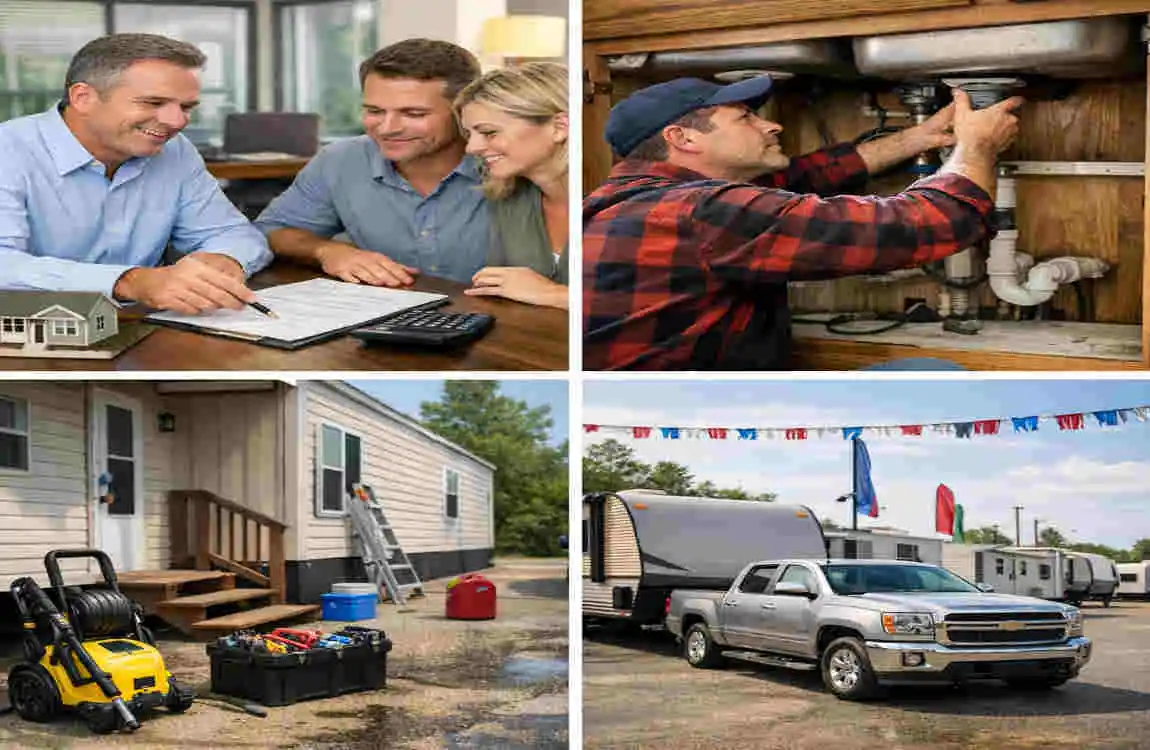
Here are a few final tips that can help you do better:
- Get multiple appraisals
- Improve first impressions
- Negotiate confidently
- Understand dealer incentives
- Read every document carefully
If you stay prepared, you will have a much better chance of getting fair value.
Frequently Asked Questions
How do you trade in a mobile home?
You contact a dealer, schedule an inspection, get an offer, and apply the value toward another mobile home purchase.
Can I trade in a mobile home with a loan?
Yes. If the trade-in value covers the balance or the financing setup allows it, the trade can still happen.
How is a mobile home trade-in value calculated?
Dealers look at age, condition, size, location, manufacturer, upgrades, and local demand.
Is trading in better than selling privately?
Trade-ins are usually faster and easier. Private sales may bring a higher price but take more effort.
What documents are needed to trade in a mobile home?
You usually need the title, registration, loan details, identification, and maintenance records.
How can I increase my mobile home’s trade-in value?
Clean thoroughly, repair visible issues, improve curb appeal, and compare offers from multiple dealers.
| Step | Expert Tip | Why It Matters |
|---|---|---|
| Know Your Home’s Value | Research recent sales and get a professional appraisal. | Helps you negotiate a fair trade-in offer. |
| Make Minor Repairs | Fix leaks, damaged flooring, and cosmetic issues. | Improves your home’s appearance and value. |
| Clean and Stage | Deep clean and remove clutter before inspection. | Creates a better first impression for dealers. |
| Gather Documents | Have the title, maintenance records, and warranty papers ready. | Speeds up the trade-in process and builds buyer confidence. |
| Compare Dealer Offers | Request quotes from multiple mobile home dealers. | Increases your chances of getting the best trade-in value. |
| Pay Down Existing Loan | Reduce or clear any remaining loan balance if possible. | Prevents negative equity from affecting your trade. |
| Negotiate the Deal | Discuss both the trade-in value and the price of the new home separately. | Ensures you receive the most favorable overall deal. |
| Time Your Trade | Trade in when market demand for mobile homes is strong. | Higher demand can result in better offers. |
