
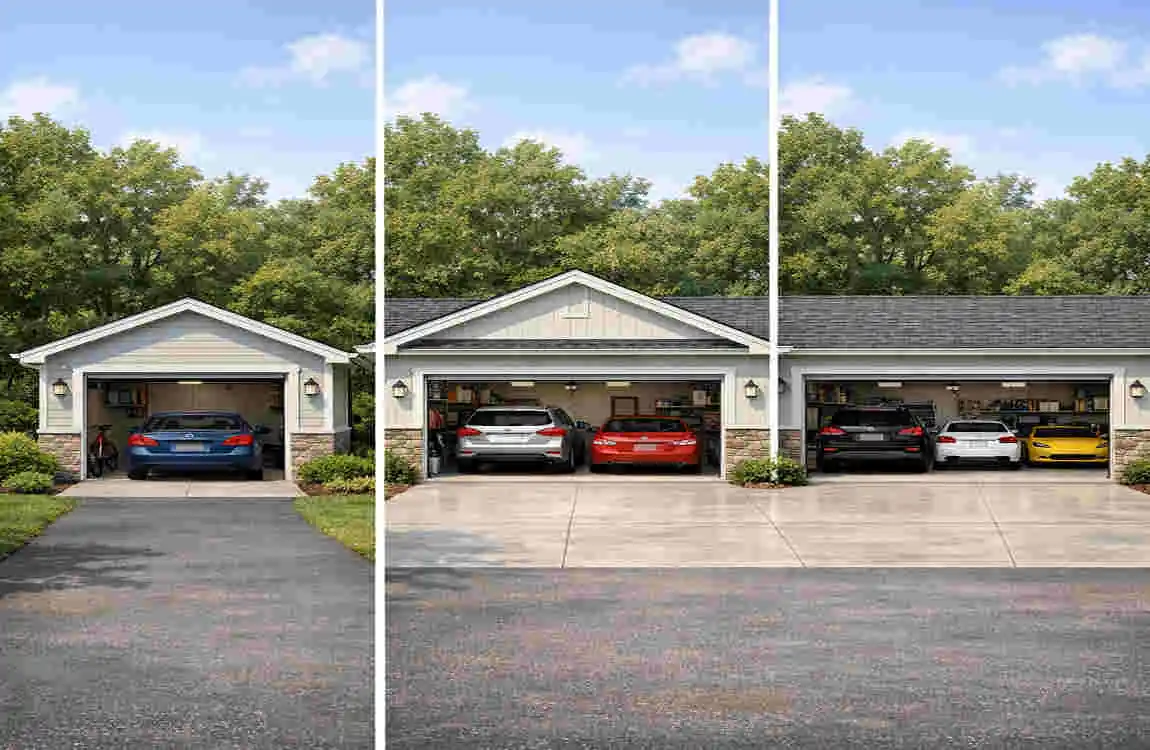
Choosing the right garage size is a bigger decision than many homeowners expect. A garage does more than hold cars. It also affects storage, daily convenience, home value, and even how your house layout works.
If you are planning a new home or thinking about an addition, you may be comparing a single-car, two-car, or three-car garage. Each option has its own strengths. The right choice depends on your vehicles, budget, lot size, and plans.
Understanding Standard Garage Sizes
What Is a Single-Car Garage?
A single-car garage is the smallest standard option. It usually measures about 12 feet wide and 20 to 24 feet long, giving it around 240 to 288 square feet.
This type of garage works well for small homes, tight lots, or homeowners who only need to park one vehicle. It can also work if you want a simple, low-cost garage with basic storage.
Still, space can feel tight. If you own a larger car, SUV, or truck, you may notice that opening doors and moving around the vehicle is not always easy.
What Is a Two-Car Garage?
A two-car garage is the most common choice for many modern homes. It usually measures about 20 to 24 feet wide and 20 to 24 feet long, for a total of around 400 to 576 square feet.
This size gives you room for two vehicles and often some extra space for shelves, tools, or bikes. For many families, this is the best balance between practical use and reasonable cost.
If you want comfort without building something oversized, a two-car garage is often the sweet spot.
What Is a Three-Car Garage?
A three-car garage is much larger. It often measures around 30 to 36 feet wide and 20 to 24 feet long, which gives you about 600 to 864 square feet.
This garage size is a strong choice for large families, multiple drivers, or homeowners who want a workshop or extra storage area. It also works well for luxury homes where extra space is part of the design.
A three-car garage is very flexible, but it also costs more to build and maintain.
Single-Car vs Two-Car vs Three-Car Garage Size Comparison Table
Garage TypeAverage SizeVehicle CapacityBest For
Single-Car Garage 12×20 ft 1 vehicle Small homes, apartments
Two-Car Garage 20×22 ft 2 vehicles Average family homes
Three-Car Garage 30×24 ft 3 vehicles Luxury homes, large families
Two-Car Garage vs Single Garage: Which Is Better?
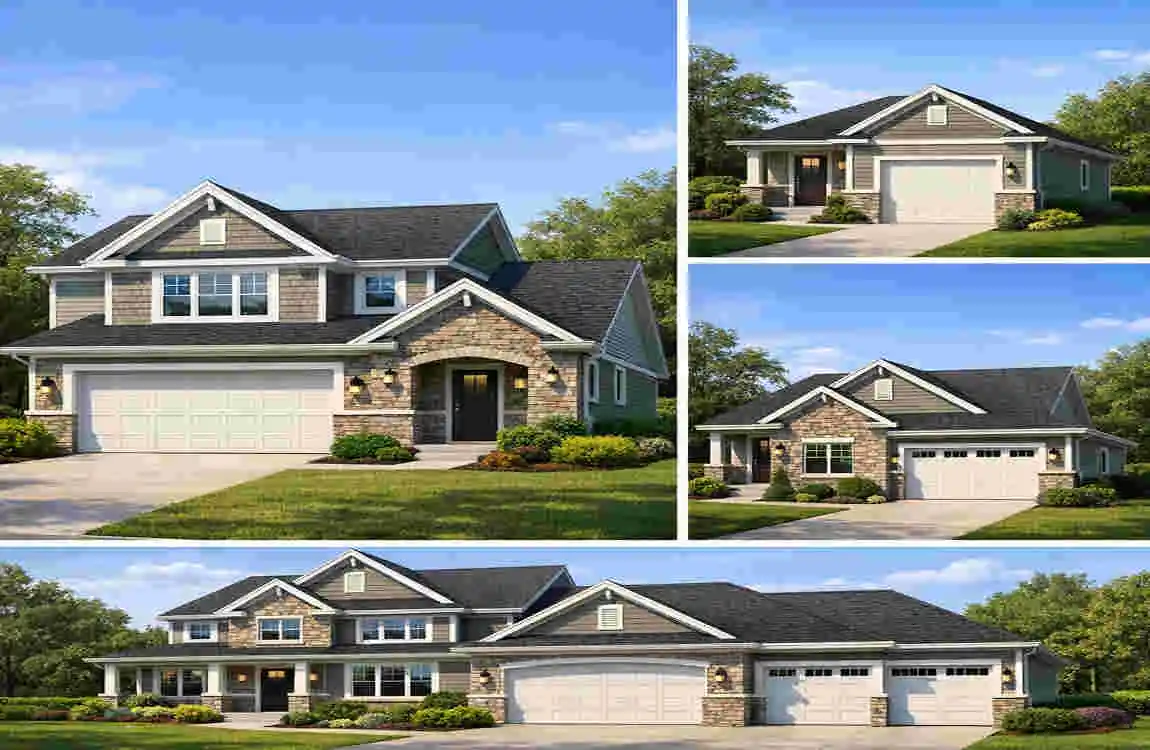
Advantages of a Single-Car Garage
A single-car garage has some clear benefits.
It costs less to build, uses less land, and is easier to maintain. If your home lot is small, this may be the most realistic option. It also works well if you only have one car and do not need much storage.
For homeowners trying to stay on budget, a single-car garage can be a smart and simple solution.
Disadvantages of a Single-Car Garage
The main drawback is space.
A single-car garage does not give you much room for storage, hobbies, or larger vehicles. Once you park the car, there may not be much space left for tools, bikes, or seasonal items.
If your needs grow later, the garage may start to feel too small.
Why Many Homeowners Choose Two-Car Garages
A two-car garage offers much more flexibility.
You can park two vehicles, store extra items, and still have room to move around. It also tends to appeal to more buyers when it is time to sell the home.
For growing families, couples with two cars, or homeowners who want a little breathing room, the two-car garage is often the best all-around choice.
Two-Car Garage vs Three-Car Garage: Key Differences
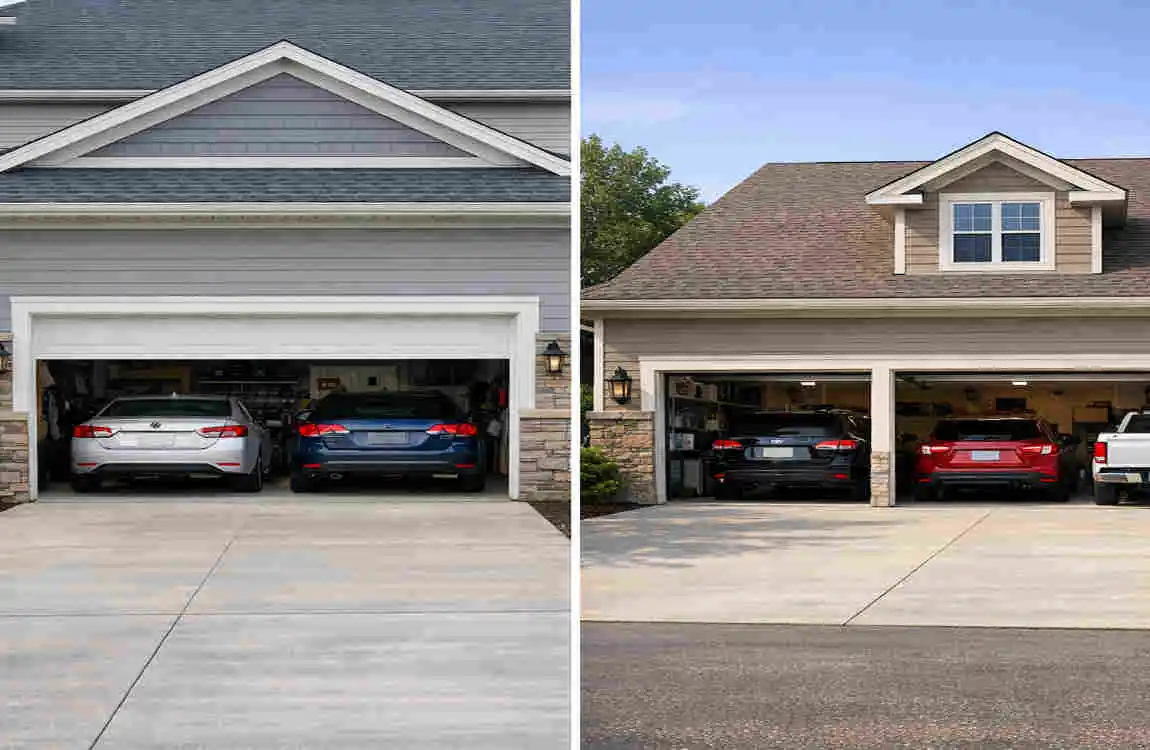
Space Comparison
A two-car garage is usually enough for daily parking, but it may not leave much extra room.
A three-car garage gives you more freedom. You can use one bay for parking, one for storage, and one for a workshop or hobby area. That extra space can make daily life much easier.
If you own more than two vehicles or want more organization, the three-car garage has a clear advantage.
Cost Differences
A bigger garage always costs more.
You will need more building materials, a larger foundation, more labor, and often more finishing work. That means the total project cost rises quickly as the garage gets larger.
You should also think about long-term costs. A larger garage may need more lighting, more heating or cooling if enclosed, and more upkeep over time.
Home Value Impact
A bigger garage can help your home stand out.
In many markets, buyers like extra parking and storage. A three-car garage is especially attractive in suburban areas and higher-end neighborhoods.
That said, the garage should still fit the style and size of the home. A very large garage in a small neighborhood may not always add value in the way you expect.
How Garage Size Affects House Design
Impact on Floor Plan
Garage size affects more than parking. It also shapes the rest of the house.
The garage location can change where the entryway, kitchen, driveway, and outdoor space are placed. A larger garage may take up more of the front lot, while a smaller one may free up more space for landscaping or a larger yard.
So when you choose a garage size, you are also choosing part of the house layout.
Modern Home Garage Trends
Many homes today include attached garages, side-entry garages, or smart garage systems.
Some homeowners also convert garage space into gyms, storage rooms, or small workshops. That is why garage planning matters so much. It should support the way you live now and the way you may live later.
Factors to Consider When Choosing Garage Size
Number of Vehicles
Start with the basics.
How many vehicles do you have now? More importantly, how many might you have later? If your family may grow or if your children will soon need parking space, plan for that now.
Also think about guest parking. If friends or family visit often, a little extra room can make life easier.
Storage Requirements
Many people use the garage for more than parking.
You may need space for:
- Lawn equipment
- Bikes
- Sports gear
- Tools
- Holiday decorations
If you want your garage to stay organized, a larger size can help a lot.
Property Size
Your lot size matters.
A small property may only fit a single or two-car garage comfortably. A larger lot gives you more freedom to build a three-car garage without crowding the rest of the home.
Budget
Budget is often the biggest deciding factor.
Think about construction cost, maintenance, and energy use. A larger garage gives you more room but also increases the total price. The best garage is the one that fits your needs without putting too much strain on your finances.
Average Cost to Build Different Garage Sizes
Garage Type Estimated Cost Range
Single-Car Garage $10,000–$25,000
Two-Car Garage $20,000–$50,000
Three-Car Garage $30,000–$75,000+
Best Garage Size for Different Homeowners
Best Choice for Small Families
A single-car or two-car garage may be enough.
If you want to keep costs lower and your storage needs are simple, a compact garage can work well.
Best Choice for Average Families
A two-car garage is usually the best fit.
It gives you a nice balance of space, cost, and everyday convenience. For many homeowners, this is the most practical option.
Best Choice for Luxury Homeowners
A three-car garage offers the most flexibility.
It works well if you want extra storage, a workshop, or space for more than two vehicles. It is also a strong feature in upscale homes.
Pros and Cons Summary of Each Garage Size
Garage Type Pros Cons
Single-Car Affordable, space-saving Limited room
Two-Car Balanced size, popular choice Higher cost than single
Three-Car Maximum flexibility Expensive and requires more space
Tips for Designing a Functional Garage
A good garage should feel useful every day. Here are a few simple tips:
- Choose the right garage door size
- Add built-in storage cabinets
- Install good lighting
- Plan for enough electrical outlets
- Leave space to walk around vehicles
- Think about future needs, not just today’s needs
These small choices can make a big difference in how the garage works over time.
Does a Bigger Garage Increase Home Value?
In many cases, yes.
Buyers often like garages because they offer parking, storage, and weather protection. A larger garage can make a home feel more complete and more useful.
However, bigger is not always better. The garage should match the style of the home and the standards of the neighborhood. A well-proportioned garage usually adds more value than one that feels out of place.
Common Mistakes When Choosing Garage Size
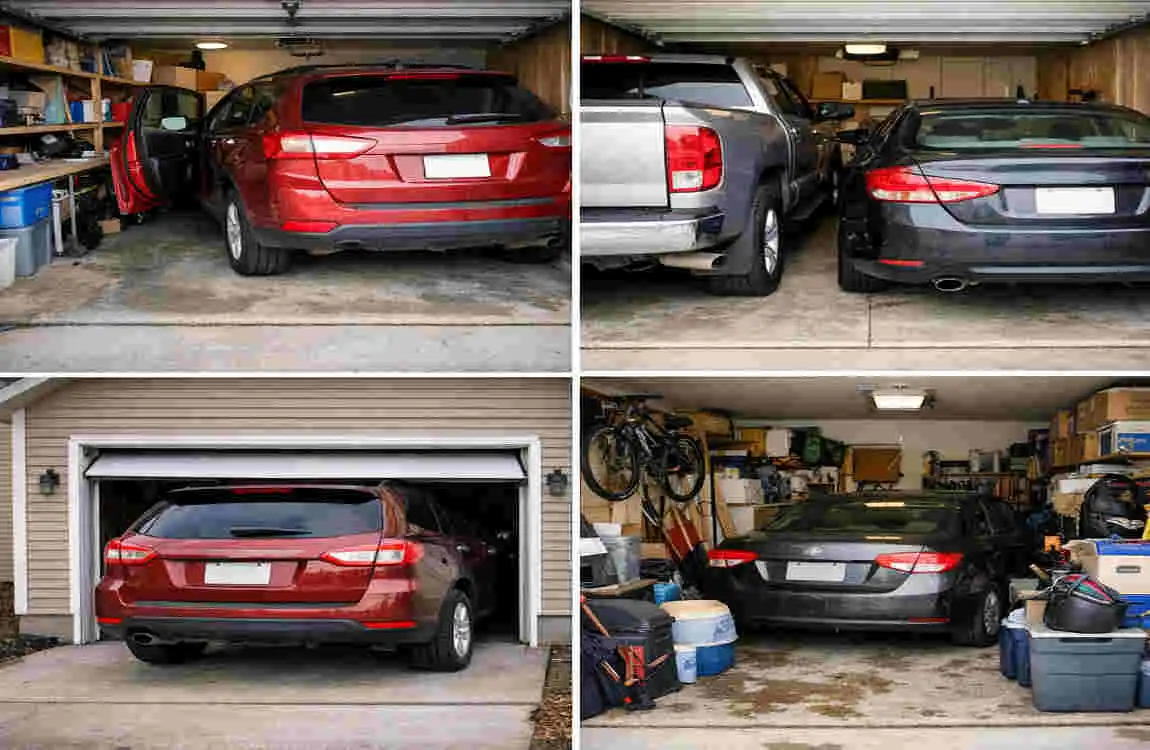
Many homeowners make avoidable mistakes when planning a garage.
Some of the most common ones include:
- Building too small for future needs
- Forgetting about storage space
- Not checking vehicle size
- Ignoring workspace needs
- Choosing a size without considering property limits
If you avoid these mistakes, you are more likely to end up with a garage that truly works for your home.
Frequently Asked Questions
What is the standard size of a two-car garage?
A standard two-car garage is usually about 20 to 24 feet wide and 20 to 24 feet deep.
Is a two-car garage better than a single-car garage?
For many homeowners, yes. It offers more flexibility, more storage, and often better resale value.
How big should a three-car garage be?
A three-car garage is typically around 30 to 36 feet wide and 20 to 24 feet deep.
Does a larger garage increase home value?
It can, especially if buyers in your area want extra parking and storage.
What garage size is best for most families?
A two-car garage is usually the best choice for most families.
| Garage Size | Average Dimensions | Best For | Advantages | Considerations |
|---|---|---|---|---|
| 1-Car Garage | About 12 ft × 20–24 ft | Small homes, single vehicles, limited space | Affordable, easy to maintain, saves yard space | Little room for storage or extra activities |
| 2-Car Garage | About 20–24 ft × 20–24 ft | Most families with one or two cars | Balanced option, more storage, higher home value | Requires more space and higher construction cost |
| 3-Car Garage | About 30–36 ft × 20–24 ft | Large homes, multiple vehicles, hobby spaces | Extra parking, workshop area, maximum storage | More expensive and needs a larger lot |
