
Choosing flooring for a mobile home is not just about style. It is also about comfort, weight, moisture control, durability, and cost. Mobile homes have different needs than standard houses, so the same flooring that works well in a regular home may not be the best choice here.
If you are wondering what the best flooring for a mobile home is, the short answer is this: luxury vinyl plank (LVP) is often the best all-around option. It is waterproof, durable, affordable, and easy to install. But the right flooring for your home still depends on your budget, room type, and how much maintenance you want to handle.
Why Choosing the Right Flooring Matters
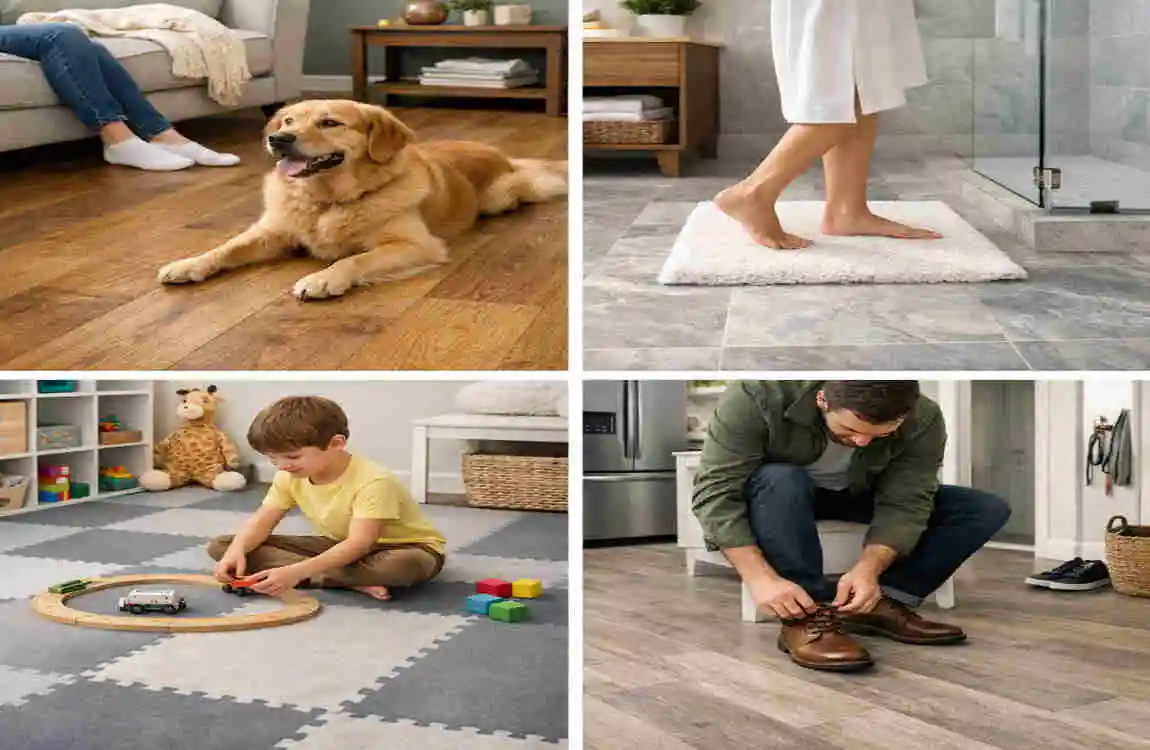
Flooring matters in any home, but it is especially important in a mobile home. The floors must withstand daily use without adding excessive weight or causing moisture problems.
Unique Needs of Mobile Homes
Mobile homes are built differently from site-built homes. That means flooring needs to work with lighter construction and often more flexible subfloors. You also need to consider temperature changes, as mobile homes can expand and contract more than traditional houses.
Weight is another major issue. Very heavy flooring can put stress on the structure, so it is smart to choose materials that are strong but not unnecessarily bulky.
Benefits of High-Quality Flooring
Good flooring can make your home feel newer, cleaner, and more comfortable. It can also improve resale value and reduce long-term repair costs.
Here are a few key benefits:
- Better appearance
- Improved comfort
- Easier cleaning
- Longer lifespan
- Better home value
What Is the Best Flooring for a Mobile Home?
Several flooring types can work well in a mobile home, but some are better than others.
Luxury Vinyl Plank
Luxury vinyl plank is one of the best flooring options for mobile homes because it is practical in almost every way.
It is waterproof, scratch-resistant, and available in many styles that look like wood or stone. It is also lightweight, which makes it a smart choice for mobile home flooring. Many homeowners like it because it is easy to install and simple to clean.
If you want a flooring option that works in living rooms, kitchens, hallways, and even bedrooms, LVP is a strong choice.
Sheet Vinyl Flooring
Sheet vinyl is another excellent choice, especially if you want affordable mobile home flooring. It comes in large rolls, so installation is often quick.
It resists moisture well, which makes it ideal for kitchens and bathrooms. It is also easy to wipe clean, which is helpful if you have kids, pets, or frequent spills.
The main downside is that it may not look as premium as some other options, but it is still a very smart budget pick.
Laminate Flooring
Laminate flooring gives you a wood-like look at a lower price. Many homeowners choose it because it looks attractive and feels comfortable underfoot.
Modern laminate flooring for mobile homes has improved significantly, especially in terms of water resistance. Still, it is best used in dry areas unless you choose a waterproof version.
It works well in living rooms and bedrooms, but you should be careful in bathrooms or laundry rooms.
Engineered Hardwood
If you want a more upscale look, engineered hardwood is a good middle ground. It looks like real wood because the top layer is real wood, but it is more stable than solid hardwood.
It handles temperature and moisture changes better than solid wood, which makes it a better fit for mobile homes. It does cost more, though, and it needs more care than vinyl.
Carpet
Carpet still works well in some mobile home bedrooms. It feels soft, warm, and quiet, which many people enjoy.
It can help reduce noise and make a room feel cozy. But carpet is not the best choice for wet areas because it holds onto moisture and stains more easily.
If you choose carpet, it is best for bedrooms or other dry spaces.
Tile Flooring
Tile is very durable and waterproof, but it is not always the easiest fit for a mobile home. The biggest concern is weight.
If the structure can support it, tile can work very well in bathrooms and kitchens. It lasts a long time and withstands water better than most materials. Still, it is usually better to use tile in limited areas rather than throughout the entire home.
Flooring Comparison Table
Flooring Type Durability Waterproof Cost Best For
Luxury Vinyl Plank Excellent Yes $$ Whole home
Sheet Vinyl Good Yes $ Kitchens & Bathrooms
Laminate Good Limited $$ Living rooms
Carpet Moderate No $$ Bedrooms
Engineered Hardwood Excellent Moderate $$$ Living areas
Tile Excellent Yes $$$ Bathrooms
Factors to Consider Before Choosing Flooring
Before buying anything, think about your home’s needs.
Budget
Your budget affects both material and installation. Some floors are cheaper to buy but cost more to install. Others may be more expensive at first but last longer.
Moisture Resistance
This matters most in bathrooms, kitchens, and laundry rooms. If a room gets wet often, choose waterproof flooring for mobile homes whenever possible.
Durability
If you have pets, children, or a busy household, you need flooring that can handle daily wear. Scratch resistance and easy cleaning should be top priorities.
Climate
If you live in a humid area, flooring must handle moisture well. If you live in a colder area, you may also want something warmer and more comfortable underfoot.
Ease of Installation
Some floors are easier to install than others. Click-lock vinyl and laminate are often faster than tile or hardwood.
Weight
This is one of the biggest concerns for mobile home owners. Lightweight flooring helps reduce stress on the structure and keeps the project safer.
Best Flooring for Each Room
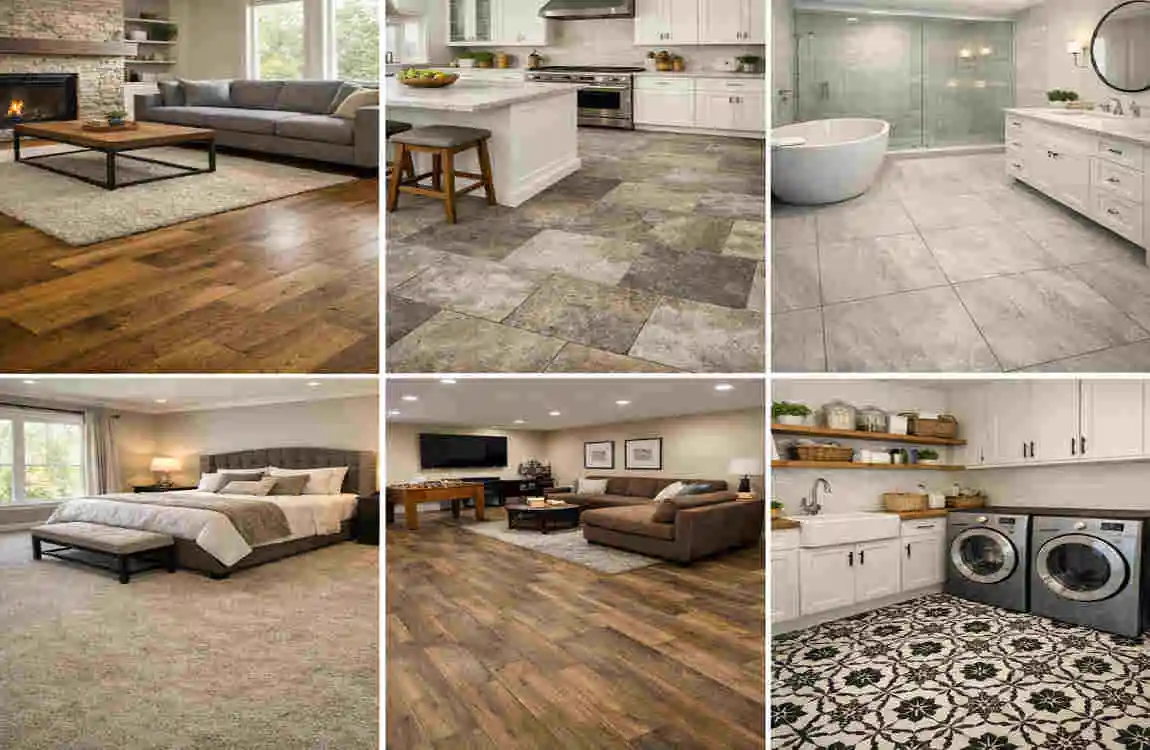
Different rooms need different flooring choices.
Living Room
For living rooms, LVP, laminate, or engineered hardwood is a good choice. These materials look nice and hold up well to everyday use.
Kitchen
Kitchens need flooring that handles spills and cleanup easily. Waterproof vinyl, sheet vinyl, or tile is a smart pick.
Bathroom
Bathrooms need the strongest moisture protection. Tile and waterproof vinyl are usually the best choices here.
Bedroom
Bedrooms are a great place for carpet if you want softness and warmth. Laminate and LVP also work well if you prefer a cleaner, low-maintenance look.
Hallways
Hallways get a lot of foot traffic, so durability matters. LVP and laminate are both practical and attractive.
Laundry Room
Laundry rooms should always have moisture-resistant flooring. Waterproof vinyl is a very safe choice.
Waterproof Flooring Options for Mobile Homes
Waterproof flooring is one of the smartest investments you can make in a mobile home.
Waterproof Vinyl
This is one of the most popular choices because it is durable, attractive, and easy to maintain. It is also one of the best answers to the question of the best flooring for a mobile home.
Waterproof Laminate
Waterproof laminate gives you the look of wood with better moisture protection than older laminate products. It is a useful option for dry and lightly damp rooms.
Tile
Tile is fully waterproof when installed correctly. It works best in wet spaces, though weight should always be considered.
Waterproof Hybrid Flooring
Hybrid flooring combines features from vinyl and laminate. It can be a good modern option if you want something strong, stylish, and moisture-resistant.
Flooring Materials to Avoid
Not every type of flooring is a good match for mobile homes.
Solid Hardwood
Solid hardwood looks beautiful, but it can react badly to moisture and temperature changes. It is also heavier and more expensive.
Thick Stone Flooring
Stone is very heavy. In many mobile homes, that extra weight is not advisable.
Cheap Peel-and-Stick Flooring
This can be tempting given the low price, but low-quality versions often wear out quickly and may not adhere well.
Low-Quality Carpet
Cheap carpet can flatten fast, stain easily, and make cleaning harder. It may cost less at first, but it often needs to be replaced sooner.
Installation Tips
Good installation makes a big difference in how long your floor lasts.
Inspect the Subfloor
Always check the mobile home subfloor before installing anything new. If it is weak, damaged, or uneven, fix it first.
Fix Moisture Problems First
If there is any dampness, stop and address it before installing the flooring. Moisture problems can ruin even the best materials.
Measure Correctly
Careful measuring helps you order the right amount of flooring and avoid waste.
Leave Expansion Gaps
Some flooring types need room to expand and contract. This is especially important for laminate and floating floors.
Use Proper Underlayment
Underlayment can improve comfort, reduce noise, and help protect the floor below.
Common Flooring Mistakes to Avoid
Many homeowners run into the same problems when replacing flooring.
- Choosing based only on price
- Ignoring moisture resistance
- Skipping subfloor repairs
- Using the wrong flooring in wet rooms
- Buying low-quality materials
- Forgetting about future maintenance
If you avoid these mistakes, your flooring project will go much more smoothly.
Maintenance Tips for Mobile Home Flooring
The right care helps your flooring last longer.
Daily Cleaning
Sweep or vacuum regularly to remove dirt and dust. This helps prevent scratches and keeps floors looking fresh.
Prevent Water Damage
Wipe spills quickly and use mats near sinks, doors, and entry points.
Protect Against Scratches
Use furniture pads and trim pet nails if needed. These small habits can help a lot.
Replace Damaged Planks Promptly
If one plank gets damaged, replace it as soon as possible so the problem does not spread.
Seasonal Maintenance
Check flooring during seasonal changes, especially if your area has humidity swings or temperature shifts.
Cost of Replacing Mobile Home Flooring
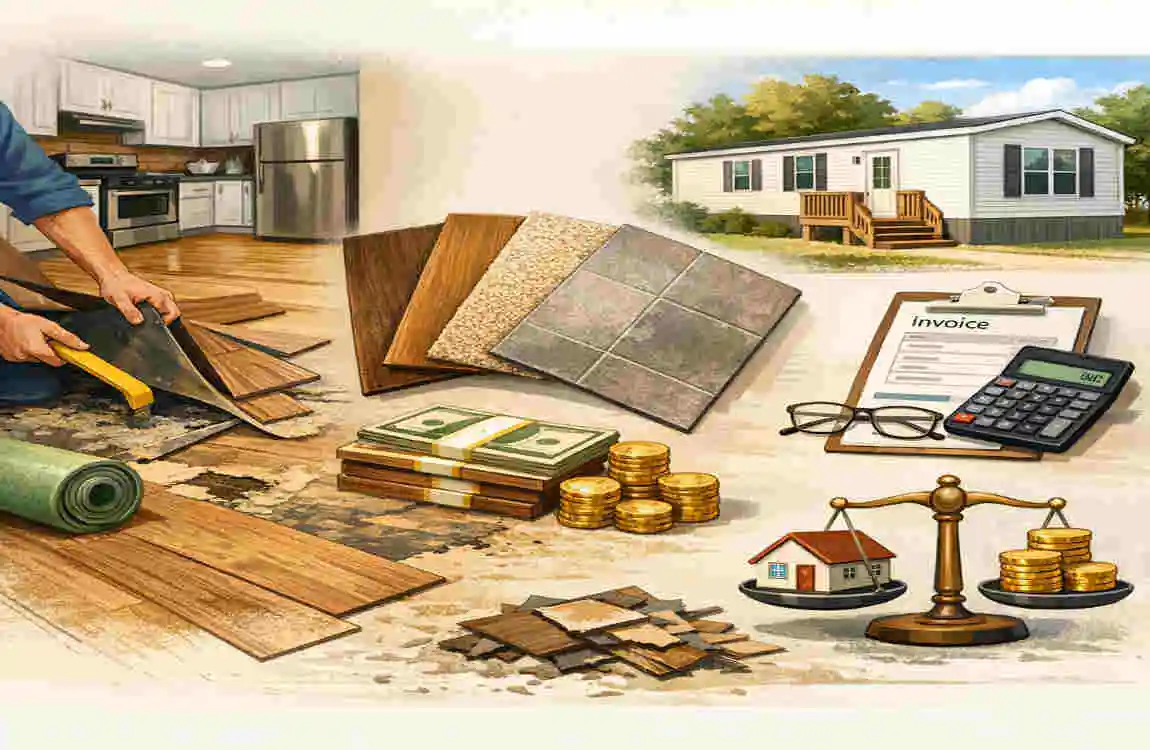
The cost depends on the material, room size, and whether you hire help.
Material Costs
- Sheet vinyl is usually the cheapest
- LVP and laminate are moderate
- Engineered hardwood and tile cost more
Installation Costs
Professional installation costs more, but it often gives better results and fewer mistakes.
DIY vs Professional Installation
DIY can save money upfront, but it may take more time and tools. Professional work costs more, but it is often faster and more reliable.
Ways to Save Money
- Choose mid-range materials
- Replace flooring in stages
- Compare material options
- Keep the existing subfloor if it is in good shape
Is DIY Flooring Installation Worth It?
DIY can be worth it for some homeowners, but not everyone.
Pros
- Lower labor cost
- Flexible timing
- Good for simple flooring types like vinyl plank
Cons
- Can take longer
- Mistakes may be costly
- Needs tools and skill
- Harder with uneven subfloors
When to Hire a Professional
If your home has water damage, subfloor problems, or tile installation, hiring a professional is usually the safer choice.
Frequently Asked Questions
What is the best flooring for a mobile home?
Luxury vinyl plank is often the best choice because it is waterproof, durable, affordable, and easy to install.
Can you put laminate flooring in a mobile home?
Yes. Laminate works well in dry areas, and waterproof laminate is better for extra moisture protection.
Is vinyl flooring better than carpet for a mobile home?
Yes, vinyl is usually more durable, easier to clean, and better at handling moisture.
What is the cheapest flooring option for a mobile home?
Sheet vinyl is often the most affordable flooring choice.
Can tile be installed in a mobile home?
Yes, but the home’s structure must be able to handle the extra weight.
How long does mobile home flooring last?
It depends on the material and care, but flooring can last 10 to 30 years or more.
| Factor | Details |
|---|---|
| Purpose | Choose flooring that is durable, lightweight, moisture-resistant, and suitable for a mobile home’s structure. |
| Best Flooring Options | Luxury Vinyl Plank (LVP), Vinyl Sheet, Laminate, Engineered Hardwood, and Low-Pile Carpet. |
| Most Durable Choice | Luxury Vinyl Plank (LVP) because it resists scratches, water, and daily wear. |
| Best for Moisture-Prone Areas | Vinyl flooring and ceramic tile (if the subfloor can support the weight). |
| Budget-Friendly Option | Vinyl sheet flooring offers affordability and easy installation. |
| Comfort Underfoot | Carpet provides warmth, while cork and vinyl offer added comfort compared to tile. |
