
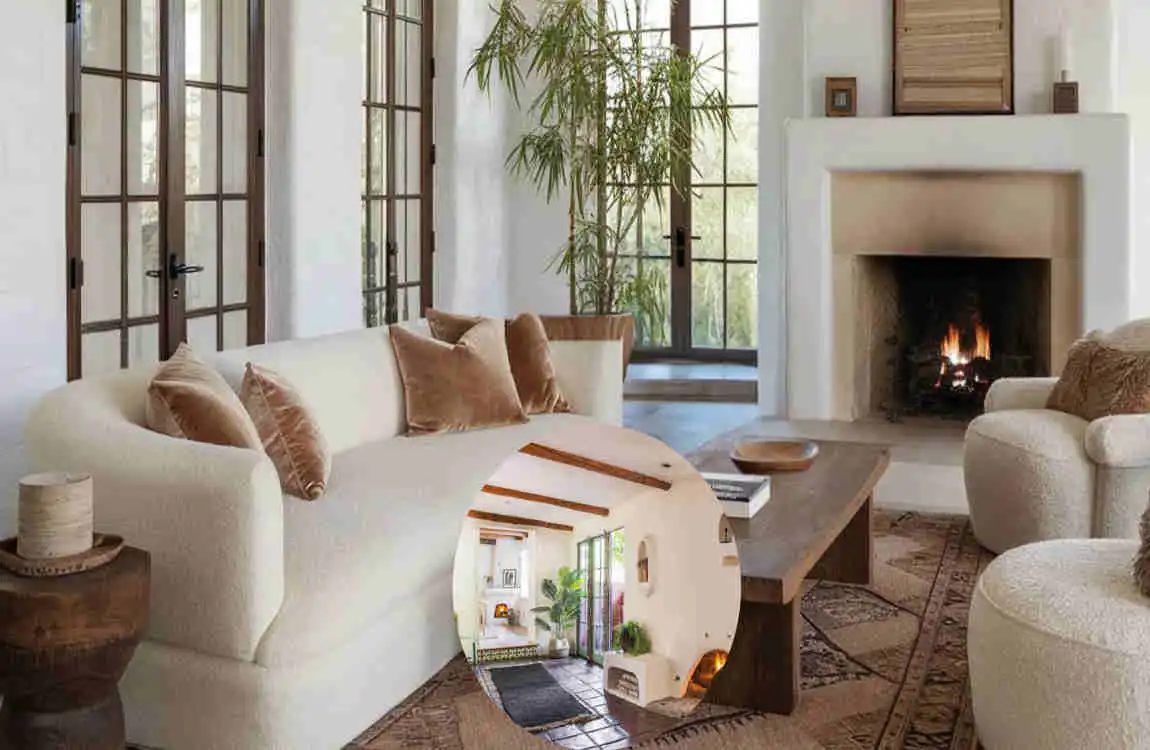
Have you ever walked into a house and immediately felt a sense of warm, welcoming peace? That is the exact magic of a modern Spanish-style home interior. Today, this beautiful design trend is capturing the hearts of homeowners everywhere, and it is easy to see why.
This interior style perfectly blends the romantic, historical charm of traditional Spanish architecture with the clean, comfortable elegance of modern living. You get the best of both worlds. You can enjoy the cozy warmth of old-world design while keeping your space fresh and highly functional.
What Is a Modern Spanish Style Home Interior?
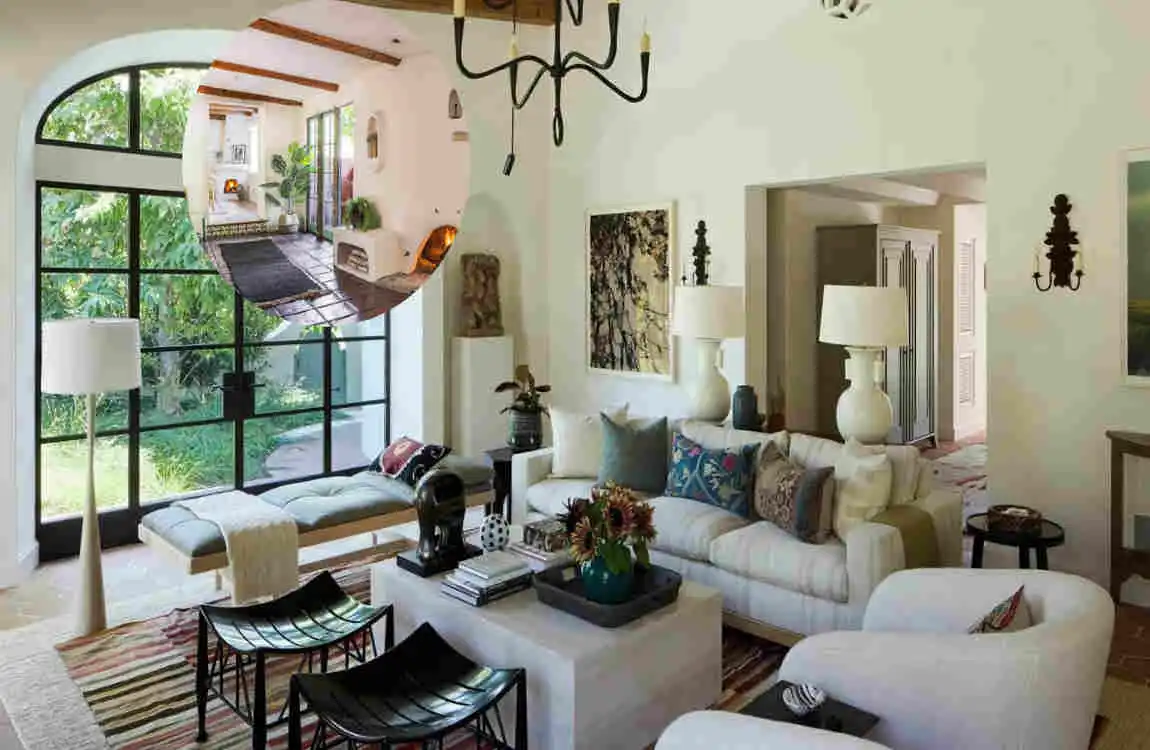
To fully appreciate the beauty of a modern Spanish style home interior, you need to understand where it comes from and how it has evolved over the years.
Understanding Spanish Interior Design Roots
Traditional Spanish-style homes have a rich and fascinating history. The design draws heavy inspiration from centuries of Mediterranean, European, and Moorish architectural elements.
When you look at classic Spanish homes, you see the influence of sunny coastal regions. This explains the heavy use of cooling clay tiles and thick stucco walls. You also see the intricate, geometric beauty left behind by Moorish designs, especially in the colorful, patterned tiles.
Historically, these traditional features were built for survival in hot climates. Thick walls kept the heat out, and central courtyards allowed fresh air to flow through the house. Over time, these practical features became the defining visual traits of classic Spanish interiors.
How Modern Spanish Style Differs From Traditional Spanish Design
While traditional Spanish homes are undeniably gorgeous, they can sometimes feel a bit heavy or dark. This is where the modern twist comes into play to save the day.
A modern approach introduces cleaner layouts and minimal decoration. Instead of filling every corner with heavy wooden furniture and dark tapestries, you let the space breathe. You embrace open floor plans that allow natural light to flood the rooms.
This updated style successfully combines old-world charm with modern functionality. You might still have a rustic wooden ceiling, but you will pair it with updated, comfortable furniture and sleek lighting fixtures. The materials remain authentic, but the overall feeling becomes much lighter and easier to live in.
Why Modern Spanish Interiors Are Becoming Popular
There is a huge reason why homeowners are rushing to adopt this design style. Simply put, it creates a deeply warm and welcoming atmosphere.
In a world full of cold, ultra-minimalist modern homes, the Spanish style brings back a sense of soul and personality. It features a natural connection with outdoor spaces, making your home feel larger and more connected to nature.
Furthermore, it offers a unique character compared to standard modern homes. You do not have to sacrifice modern comforts, but you get to live in a space that feels artistic, grounded, and rich in history.
Key Features of a Modern Spanish Style Home Interior
If you want to create a successful modern Spanish style home interior, you need to focus on a few very specific design elements. These features are the building blocks of the style.
Warm and Earthy Color Palette
The foundation of this style starts with the colors you choose for your walls and floors. You want to rely heavily on a warm, earthy color palette.
Think about the beautiful colors of a desert sunset or a sandy beach. You will want to use plenty of beige, crisp cream, rich terracotta, warm sand, and soft brown tones as your base colors. These shades immediately make a room feel cozy and inviting.
To keep the space from looking boring, you should bring in vibrant accent colors. Deep ocean blue, muted olive green, and warm mustard yellow work perfectly. When you mix these earthy bases with colorful accents, you instantly create a cozy Mediterranean feeling that wraps around you like a warm blanket.
Natural Materials and Textures
You simply cannot have a true Spanish-style home without bringing elements of nature indoors. Natural materials give the space an authentic, grounded feeling.
Here are the most popular materials you should consider using:
- Wood beams: Large, rustic ceiling beams draw the eye upward.
- Stone: Natural stone walls or floors add a sense of history.
- Clay tiles: Terracotta floors are the ultimate signature of this style.
- Wrought iron: Dark iron stair railings or light fixtures provide a beautiful contrast.
- Natural fabrics: Cotton, linen, and wool add softness to your furniture.
By mixing these different materials, you add deep textures to your rooms. These textures add depth and personality, ensuring your home never feels flat or uninteresting.
Beautiful Arched Doorways and Windows
One of the most recognizable features of this interior design is the arch. Beautiful arched doorways and curved windows immediately soften the harsh, straight lines of a typical house.
Curved architectural details are incredibly important here. They guide you smoothly from one room to the next, creating a gentle, flowing layout. This simple curve creates a much softer and more elegant appearance overall.
If your home does not have built-in arches, do not worry! You can use modern ways to incorporate them. You might add an arched mirror to a hallway, buy a bookshelf with a curved top, or even paint an arched shape on a bedroom wall.
Exposed Wooden Beams and Ceiling Details
Never forget to look up when designing your rooms. Traditional Spanish ceiling designs almost always feature exposed wooden beams.
These thick wood elements add incredible warmth to a room. They contrast beautifully against crisp, white plaster walls. In the past, these beams held up the roof, but today, they are often added purely for their gorgeous visual appeal.
For modern homes, you can install lightweight, faux wood beams if you are on a budget. You can choose a light natural wood finish for a breezy modern look, or a dark espresso stain for a more traditional, striking contrast.
Handcrafted Decorative Elements
Finally, the finishing touches in this style should always feel personal and made by human hands. Handcrafted decorative elements are vital to pulling the look together.
You should look for beautiful, handmade tiles to use in your kitchen or bathroom. Decorate your shelves with authentic ceramic accessories and earthy pottery.
You can also explore artistic wall finishes, like plaster or lime wash, to give your walls a slightly textured, handmade appearance. Adding a few custom furniture pieces, like a hand-carved wooden stool, will give your home that authentic Spanish soul.
Modern Spanish Style Living Room Ideas
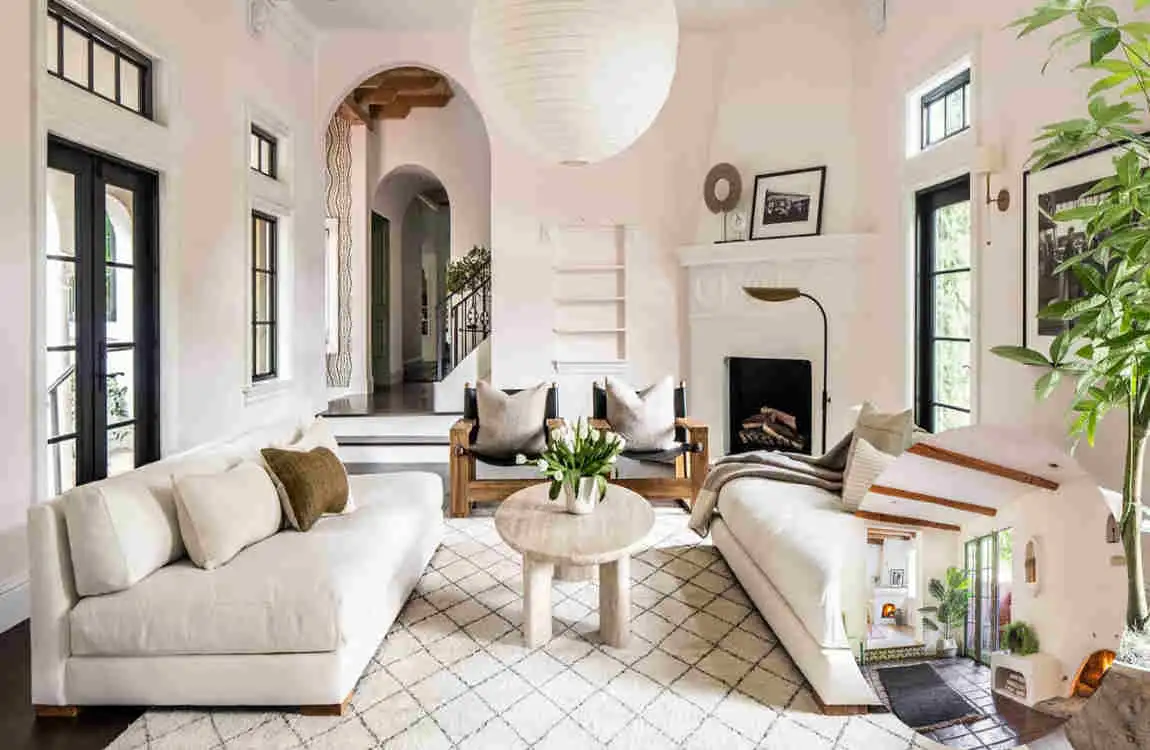
The living room is the heart of your home. It is where you gather with family and entertain friends. Here is how you can inject a modern Spanish style home interior vibe into this important space.
Choosing the Right Furniture
When picking furniture, comfort and simplicity are your best friends. You want to choose comfortable, oversized sofas covered in natural fabrics like light linen or soft cotton.
To add a touch of rugged luxury, bring in some leather accents. A rich, brown leather armchair pairs wonderfully with a soft cream sofa.
Finish the seating area with wooden furniture that features simple, clean designs. A heavy oak coffee table with strong, straight lines will anchor the room perfectly without overwhelming it.
Creating a Cozy Fireplace Area
If you are lucky enough to have a fireplace, make it the focal point of your living room. Stone or smooth stucco fireplaces look absolutely stunning in this design style.
You can highlight the area with beautiful decorative mantels made from a solid piece of reclaimed wood.
The trick is to find the right balance through traditional and modern fireplace combinations. For example, you might build a traditional, curved stucco fireplace, but fill it with a modern, clean-burning gas insert.
Lighting Ideas for Spanish Interiors
Lighting completely changes the mood of a room. For your living space, step away from basic ceiling lights and embrace something with more character.
Pendant lights made from glass and dark metal look fantastic hanging in cozy corners. For the center of the room, you cannot go wrong with classic black iron chandeliers.
Always ensure your light bulbs cast warm ambient lighting. You want a soft, golden glow that mimics a setting sun, rather than harsh, bright white light.
Adding Spanish-Inspired Decor
The final layer of your living room is the decor. Keep it simple, but make it impactful.
Hang a piece of large, colorful artwork that brings in those Mediterranean blues and greens. Display handmade pottery on your shelves or coffee table.
Roll out a thick, woven rug over your tile or wood floors to add a cozy texture. Lastly, bring the outside in by placing large, green plants in terracotta pots around the room.
Modern Spanish Style Kitchen Design Ideas
They say the kitchen is the stomach of the home, and in a Spanish-style house, it needs to be warm, functional, and deeply inviting.
Rustic Meets Contemporary Kitchen Cabinets
To achieve a modern Spanish kitchen, you need to mix the old with the new. You want your kitchen to say “rustic meets contemporary.“
You can achieve this by installing beautiful, natural wood cabinets on your bottom row. For the upper cabinets, choose neutral painted finishes like soft cream or warm greige to keep the room feeling bright and open.
You should also explore open shelving ideas. Replacing a few upper cabinets with thick wooden shelves allows you to display your beautiful dinnerware and colorful ceramic bowls.
Spanish Kitchen Materials
The materials you choose for your kitchen will define its character. Start from the ground up with authentic terracotta flooring.
Move up to the countertops, where you should prioritize natural stone. A soft, honed marble or a durable, matte granite works perfectly.
For the walls, nothing beats the charm of handmade backsplash tiles. Look for slightly imperfect, hand-painted tiles in geometric Moorish patterns to add a brilliant splash of color and history behind your stove.
Modern Appliances With Traditional Style
You definitely want the convenience of a modern kitchen, but you do not want shiny stainless steel appliances ruining your rustic aesthetic.
You can solve this by learning how to hide appliances. Use custom wood panels that match your cabinets to cover your refrigerator and dishwasher.
This smartly blends cutting-edge technology with classic design. You get to cook like a modern chef while feeling like you are in a beautiful, historic villa.
Modern Spanish Style Bedroom Interior Ideas
Your bedroom should be your ultimate personal sanctuary. Applying a modern Spanish style home interior design here guarantees a peaceful, restful space.
Creating a Relaxing Bedroom Atmosphere
To sleep well, your brain needs a calm environment. Start by painting your bedroom in very soft, muted colors like sand, off-white, or a very pale, dusty olive.
Dress your bed entirely in natural bedding. Crisp white linen sheets and a chunky cotton throw blanket invite you to dive right in.
Keep your overall approach focused on minimal decoration. Do not clutter your dresser or walls. Let the room breathe so your mind can relax.
Spanish-Inspired Bedroom Features
You can add incredible character to your bedroom with just a few bold choices. Wooden headboards, especially those with intricate carvings or a raw, rustic edge, look fantastic against a plain wall.
Consider adding slightly textured walls using a light plaster technique. This gives the room a soft, old-world shadow effect as the sun moves across it during the day.
For your nightstands, skip standard lamps and install decorative lighting. Iron wall sconces or hanging glass pendants free up table space and add an instant touch of romance.
Furniture and Decor Tips
When finalizing your bedroom layout, remember to actively avoid clutter.
Choose timeless furniture pieces that you will love for decades, rather than trendy items that will go out of style next year. A sturdy wooden dresser with iron handles is a perfect choice.
To finish the room, simply add a few carefully chosen handcrafted accessories. A colorful woven blanket at the foot of the bed or a single, beautiful clay vase on the dresser is all you need.
Modern Spanish Bathroom Design Ideas
Do not ignore your bathrooms! You can easily turn a standard bathroom into a luxurious getaway by embracing Spanish design elements.
Using Natural Stone and Tile
The bathroom is the perfect place to play with gorgeous hard surfaces. Start by laying down dark, textured stone floors that feel solid and earthy beneath your feet.
For the shower walls or a bathroom backsplash, have fun with patterned Spanish tiles. You can choose vibrant blues and yellows, or keep it modern with subtle black and white geometric patterns.
Keep the rest of the neutral wall finishes simple. A warm cream paint will perfectly balance the busy patterns of the tiles.
Adding Luxury Details
Modern Spanish style is all about blending rustic elements with high-end comfort.
If you have the space, install a deep, freestanding bathtub. This immediately elevates the room and makes it feel like an expensive hotel suite.
Swap out standard silver faucets for beautiful, warm brass fixtures. Pair these golden tones with warm, wooden vanities to create a rich, luxurious washing area.
Creating a Spa-Like Feeling
Every time you step into your bathroom, you should feel your stress melt away.
Achieve this by installing warm lighting around your mirrors, avoiding bright, hospital-like LEDs.
Bring in lush, natural plants that thrive in humidity, like ferns or a lovely pothos vine. Combine these plants with relaxing color schemes to create a true spa-like feeling in your own home.
How to Add Modern Spanish Style Interior Design on a Budget
You might be thinking that this gorgeous style sounds incredibly expensive. The good news is that you do not need to empty your bank account to achieve this look! You can definitely do it on a budget.
Focus on Small Decorative Changes
If you cannot afford a major renovation, start by changing the things you can easily move.
Add thick, textured rugs with Mediterranean patterns to your living room to instantly change the vibe.
Replace your shiny, modern lighting fixtures with affordable, matte black iron alternatives. Finally, scatter some simple ceramic accessories and terracotta pots around your home. These small tweaks make a massive visual difference.
Upgrade Walls and Floors
Paint is the cheapest way to transform a house. Instead of flat paint, use a textured paint or a faux-plaster wash to give your walls that authentic, aged look.
If you cannot afford real terracotta floors, look for high-quality, Spanish-inspired vinyl tiles. They look incredibly realistic but cost a fraction of the price.
You can also install lightweight, peel-and-stick wood accents or faux ceiling beams to bring in that necessary rustic warmth.
Mix Modern and Vintage Pieces
You do not need to buy all new furniture. In fact, this style looks better when it appears collected over time.
Combine your existing contemporary furniture with affordable, traditional decor you find at thrift stores or flea markets. An old, carved wooden stool looks amazing next to a sleek, modern sofa.
Just be careful to balance the mix, so you avoid making the space look outdated. Keep your large items modern and let your small accessories bring the vintage charm.
Common Mistakes to Avoid in Modern Spanish Interior Design
While this style is forgiving, there are a few traps that homeowners often fall into. Avoid these common mistakes to keep your home looking chic and elegant.
Using Too Many Rustic Elements
It is very easy to get carried away with heavy wood and iron. However, if you use too many of these materials, your home will look like a medieval castle.
You must actively balance old and new styles. If you have heavy wooden beams on the ceiling, choose a light, airy sofa for the floor. Contrast is the key to modern design.
Choosing the Wrong Colors
Traditional Spanish homes sometimes embraced heavy, dark colors. Modern styling does not.
Avoid creating overly dark interiors. Stay away from painting entire rooms dark brown or heavy red. Stick to your light, bright creams and sandy beiges, and use those darker colors only as small accents.
Overdecorating the Space
Traditional homes loved displaying collections. Modern homes love breathing room.
Resist the urge to cover every wall with art or fill every shelf with pottery. Keep a clean and elegant appearance by editing your decor. Less is absolutely more in a modern Spanish home.
Ignoring Natural Light
This architectural style was born in the sunny Mediterranean! It demands sunshine.
Do not block your windows with heavy, dark curtains. Use sheer linen drapes and place mirrors across from windows to use natural lighting effectively. The brighter the space, the better the design looks.
Benefits of Choosing a Modern Spanish Style Home Interior
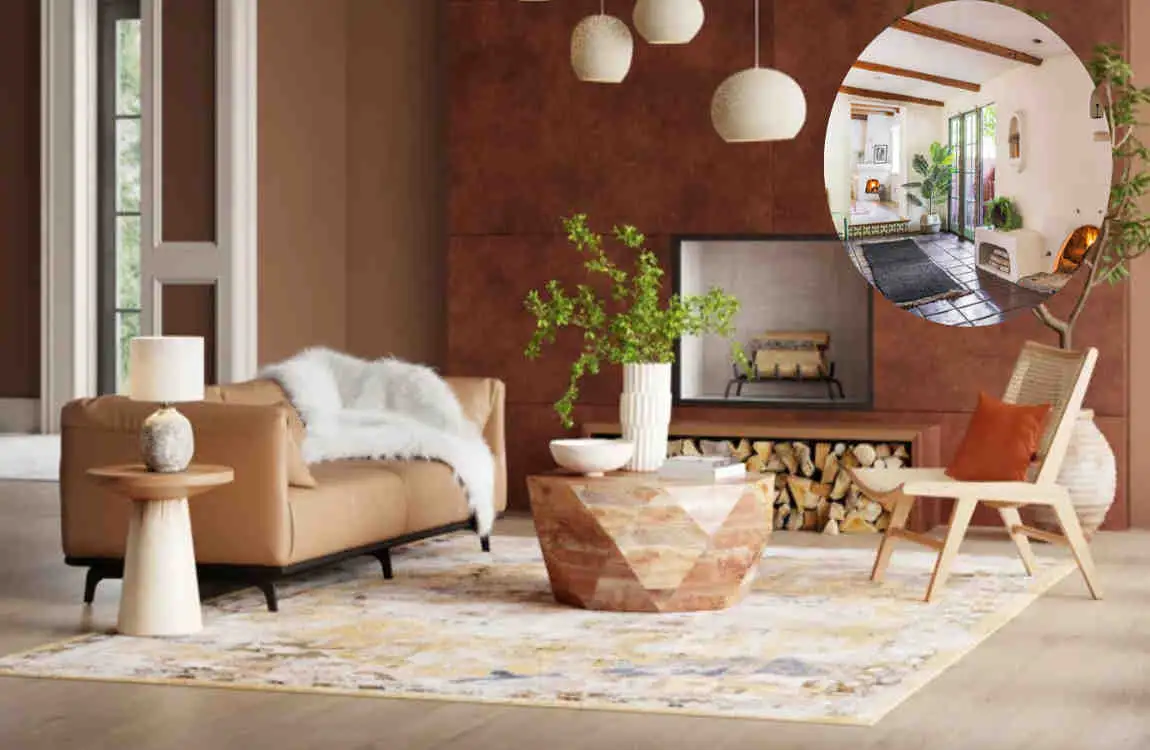
Why should you commit to this specific design trend? The advantages go far beyond just looking pretty.
First and foremost, it creates a genuinely warm and inviting environment. Your family and guests will immediately feel relaxed and comfortable the moment they walk through your arched doorway.
Secondly, it offers timeless beauty. Unlike ultra-modern trends that look silly five years later, Spanish design has looked fantastic for centuries. It will never go out of style.
This design approach also works beautifully with different home sizes. Whether you live in a massive villa or a small suburban house, you can easily adapt the colors and materials to fit your footprint.
Furthermore, upgrading to this sought-after aesthetic actively increases your home’s character and financial value on the real estate market.
Finally, by prioritizing wood, stone, and clay, this style provides a deeply grounding connection with nature, which is incredibly beneficial for your daily mental well-being.
Modern Spanish Style Home Interior vs Other Popular Styles
If you are stuck between a few different interior styles, this quick comparison table will help you see exactly how the modern Spanish style home interior stands out from the crowd.
FeatureModern Spanish StyleModern FarmhouseContemporary Style
Colors Warm earthy tones Neutral colors Black, white, gray
Materials Stone, wood, clay Wood, metal Glass, steel
Feeling Cozy and artistic Comfortable and rustic Clean and minimal
Details Arches and handmade items Barn-style elements Simple lines
Tips for Maintaining a Modern Spanish Style Interior
Once you have created your beautiful home, you want to keep it looking perfect. Maintaining this specific style is quite easy if you follow a few basic rules.
First, you need to properly maintain your natural wood finishes. Dust your wooden beams and furniture regularly, and treat them with a hydrating wood oil once a year to prevent cracking.
You also need to clean your stone and tile surfaces regularly. Avoid harsh chemical cleaners that can strip the natural finish from terracotta or marble. Use gentle, pH-neutral soap instead.
Always take care to protect your handmade decorations. Keep delicate ceramics away from edge zones where they might be bumped and shattered.
Because this is a modern style, you must fight the urge to hoard. Keep your open spaces strictly organized and free from daily clutter.
Finally, keep the home feeling fresh by taking time to refresh your textiles seasonally. Swap out heavy wool throw blankets in the winter for light, breezy linen throws in the summer.
Frequently Asked Questions (FAQ)
Q: What is a modern Spanish style home interior?
Answer: A modern Spanish style home interior combines traditional Spanish elements like sweeping arches, natural materials, and authentic handcrafted details with modern furniture, bright open layouts, and simple, clean designs.
Q: What colors are used in modern Spanish interiors?
Answer: Popular colors include warm, earthy bases like beige, crisp cream, terracotta, and warm brown. You can beautifully accent these with soft Mediterranean-inspired shades like olive green, deep ocean blue, and mustard yellow.
Q: What materials are common in Spanish-style interiors?
Answer: Common materials are pulled straight from nature. These include heavy wood beams, natural stone, terracotta clay tiles, dark wrought iron, textured plaster walls, and cozy natural fabrics like linen and cotton.
Q: Can modern Spanish style work in a small home?
Answer: Yes, this style works wonderfully in small spaces! You can easily adapt the look by using light, warm wall colors, making smart, scaled-down furniture choices, and keeping your decorative elements simple and uncluttered.
Q: How can I make my home look Spanish style?
Answer: You can achieve this look by adding natural earthy textures, warm wooden furniture, and architectural arches. Finish the space with warm glowing lighting, patterned geometric tiles, and authentic handcrafted decorations like clay pottery.
Q: Is modern Spanish interior design expensive?
Answer: The cost completely depends on the materials and upgrades you choose. While custom stonework is pricey, budget-friendly options definitely exist. You can save money by simply changing your wall colors, adding vintage decor, and using affordable Spanish-inspired accessories.
| Feature | Description |
|---|---|
| Design Style | A blend of traditional Spanish charm with modern elegance, creating warm and inviting spaces. |
| Color Palette | Uses earthy tones like beige, white, terracotta, cream, and warm browns for a natural look. |
| Walls & Finishes | Textured walls, stucco finishes, arches, and handcrafted details add character and depth. |
| Flooring | Terracotta tiles, natural stone, and wooden floors provide a rustic yet luxurious feel. |
| Furniture | Comfortable furniture with leather, wood, and woven materials creates a cozy atmosphere. |
| Lighting | Decorative iron fixtures, pendant lights, and warm lighting enhance the Mediterranean vibe. |
| Kitchen Design | Features open layouts, wooden cabinets, stone countertops, and handmade tiles. |
| Living Spaces | Combines open areas, fireplaces, curved doorways, and natural materials for a relaxing environment. |
| Decor Elements | Includes pottery, plants, colorful textiles, vintage pieces, and artistic accents. |
| Outdoor Connection | Large windows, patios, courtyards, and indoor plants bring nature into the home. |
| Modern Touches | Minimal furniture, clean lines, smart home features, and contemporary finishes balance the traditional style. |
| Overall Appeal | Creates a timeless, luxurious, and comfortable home atmosphere inspired by Spanish heritage. |
