
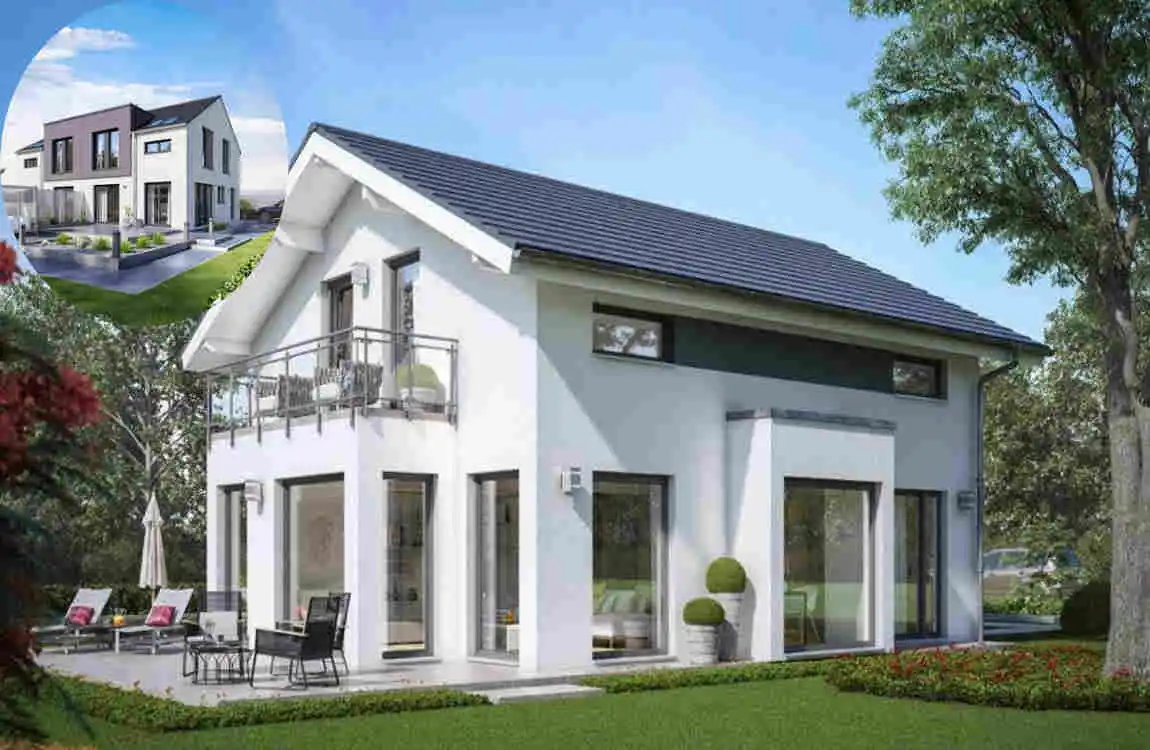
German modern homes have become a popular choice for homeowners who appreciate clean architecture, practical layouts, and energy-efficient living. These homes combine simple beauty with smart design, creating spaces that are comfortable, stylish, and easy to maintain.
Unlike traditional homes with decorative details, modern German homes focus on minimalism, functionality, and sustainability.
What Are German Modern Homes?
Definition of German Modern Homes
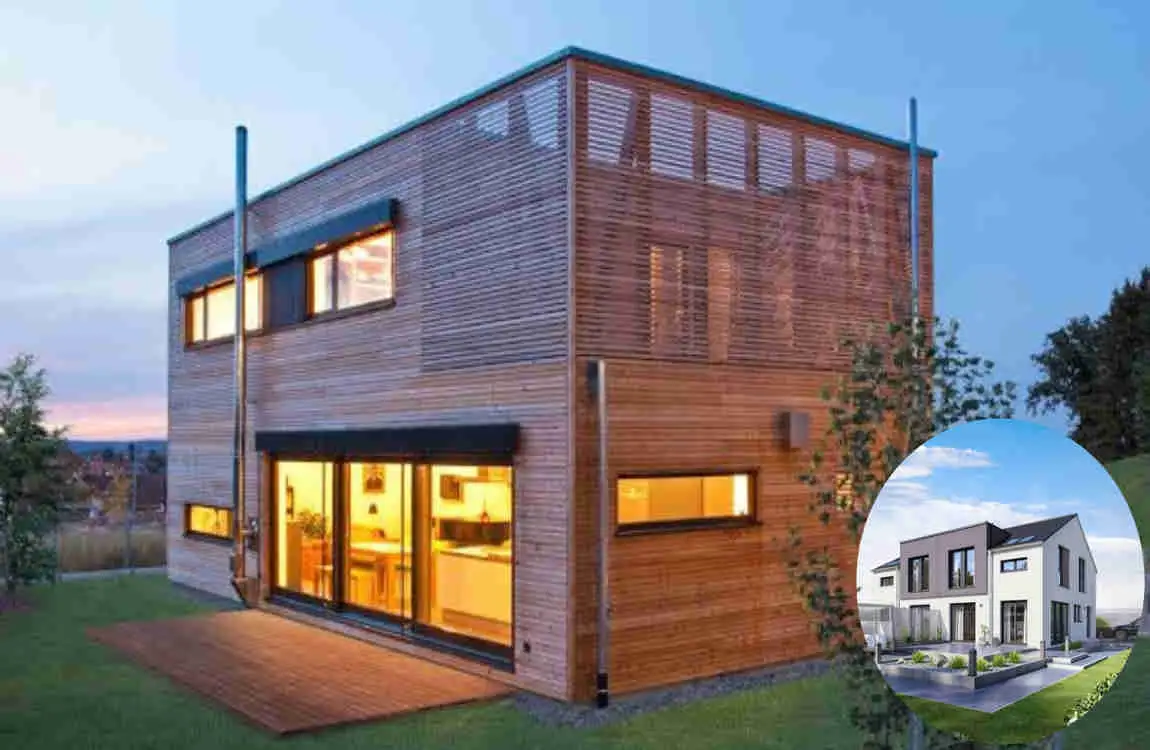
German modern homes are contemporary houses designed with clean lines, open spaces, and practical living in mind. Every room serves a purpose, and unnecessary decoration is kept to a minimum.
Evolution of German Home Design
German architecture has evolved from classic timber-framed homes to sleek modern buildings. Today’s designs blend traditional craftsmanship with advanced construction methods, creating homes that are both beautiful and efficient.
Key Features of German Modern Homes
Minimalist Exterior Design
The exterior focuses on simplicity with:
- Flat or low-sloped roofs
- Straight lines
- Neutral colours like white, grey, and black
- Simple geometric shapes
Open Floor Plans
Open layouts connect the kitchen, dining, and living areas, making homes feel larger while improving family interaction.
Large Windows
Large glass windows provide:
- Plenty of natural light
- Better energy efficiency
- Beautiful outdoor views
- A stronger indoor-outdoor connection
High-Quality Building Materials
German modern homes often use:
- Concrete
- Steel
- Glass
- Natural wood
- Stone
These materials provide durability while giving the home a modern appearance.
Functional Interior Layout
Every room is carefully planned to maximise space. Built-in storage, flexible furniture, and efficient room placement help keep the home organised and clutter-free.
Popular Architectural Styles of German Modern Homes
Bauhaus Style
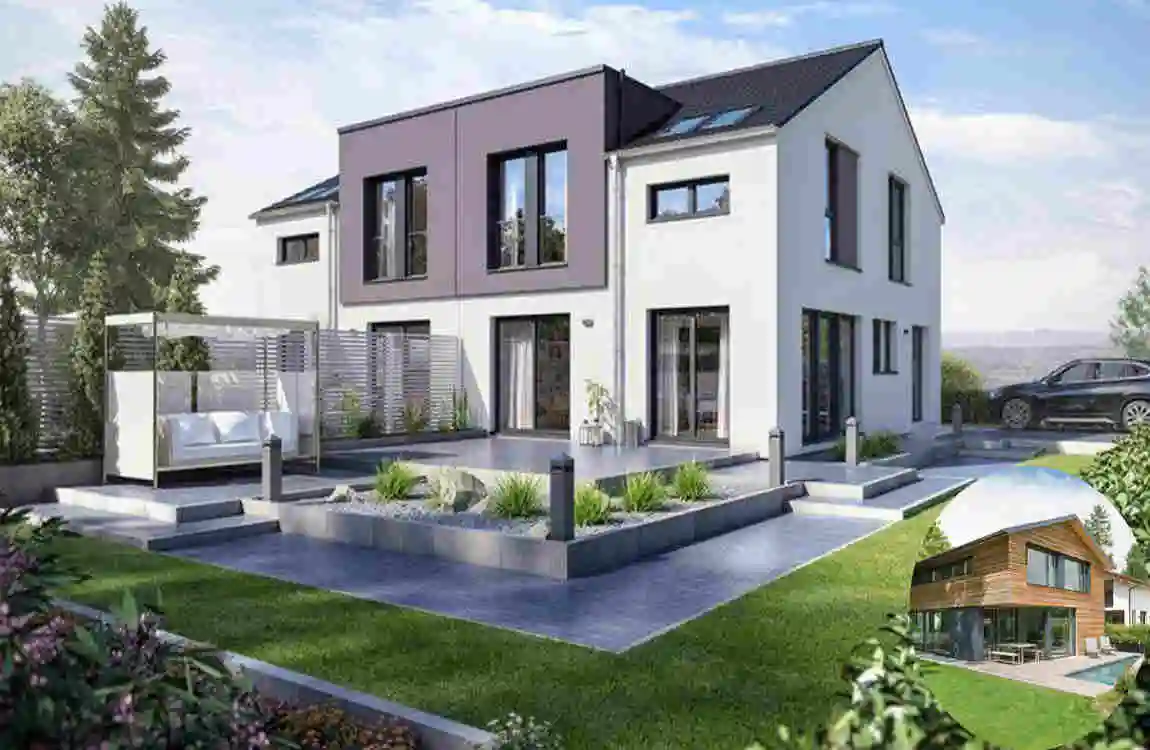
Bauhaus architecture is famous for its simple shapes, flat roofs, and functional design. It focuses on beauty through simplicity.
Contemporary Cubic Homes
These homes feature cube-like structures, large windows, and clean exterior finishes that create a bold modern appearance.
Scandinavian-German Fusion
This style combines German functionality with Scandinavian warmth by using natural wood, bright interiors, and cosy décor.
Eco-Friendly Passive Houses
Passive houses are designed to use very little energy through excellent insulation, airtight construction, and high-performance windows.
Interior Design Ideas for German Modern Homes
Neutral Colour Palette
Popular colours include:
- White
- Gray
- Beige
- Black
- Natural wood tones
These shades create a calm and elegant atmosphere.
Modern Kitchen Design
Modern German kitchens feature handleless cabinets, built-in appliances, large islands, and plenty of storage for a clean look.
Minimal Furniture
Choose simple furniture with straight lines and practical designs. Every piece should serve a purpose.
Natural Wood Elements
Wood flooring, cabinets, and furniture add warmth while balancing modern materials like glass and steel.
Smart Home Technology
Many homes include:
- Smart lighting
- Smart thermostats
- Automated blinds
- Home security systems
- Voice-controlled devices
Benefits of German Modern Homes
German modern homes offer many advantages:
- Excellent energy efficiency
- Lower maintenance costs
- Timeless architectural style
- Comfortable living spaces
- Sustainable building materials
- Higher long-term property value
- Better natural lighting
- Flexible interior layouts
Their combination of beauty and practicality makes them suitable for modern families.
German Modern Homes vs Traditional German Houses
Feature German Modern Homes Traditional German Homes
Architecture Minimalist Decorative
Roof Flat or Low-Slope Steep
Windows Large Glass Smaller
Layout Open Plan Separate Rooms
Materials Steel, Glass, Concrete Brick, Timber
Energy Efficiency High Moderate
Technology Smart Home Systems Basic Features
Tips for Designing German Modern Homes
Choose a Functional Floor Plan
Design rooms that flow naturally and make everyday living easier.
Maximise Natural Light
Install large windows and glass doors to brighten the interior.
Use Sustainable Materials
Choose eco-friendly wood, recycled materials, and energy-efficient insulation.
Invest in Energy-Efficient Systems
Install efficient heating, cooling, ventilation, and solar energy systems to reduce utility bills.
Keep Decoration Simple
Avoid overcrowding rooms. Focus on quality furniture and clean spaces instead of excessive decorations.
Common Mistakes to Avoid
When designing a German modern home, avoid these common errors:
- Overdecorating rooms
- Using poor-quality materials
- Ignoring proper insulation
- Poor window placement
- Forgetting storage planning
Careful planning helps create a home that remains practical and beautiful for years.
Future Trends in German Modern Homes
Modern German architecture continues to evolve with exciting innovations, including:
- Smart home automation
- Solar power systems
- Net-zero energy homes
- Sustainable construction materials
- Green roofs
- Modular building techniques
These trends focus on creating healthier, more efficient, and environmentally friendly homes.
Frequently Asked Questions (FAQ)
What are German modern homes?
German modern homes are contemporary houses featuring minimalist architecture, open layouts, energy-efficient construction, and practical living spaces.
Why are German modern homes popular?
They are popular because of their clean appearance, durability, sustainability, and low maintenance requirements.
What materials are commonly used in German modern homes?
Concrete, steel, glass, engineered wood, natural stone, and eco-friendly insulation materials are commonly used.
Are German modern homes energy efficient?
Yes. Many include advanced insulation, triple-glazed windows, solar panels, and efficient heating and ventilation systems.
What colours are common in German modern home design?
White, grey, black, beige, and natural wood tones are the most common colours.
| Feature | Details |
|---|---|
| Home Style | German Modern Homes |
| Design Philosophy | Minimalist, functional, and energy-efficient with clean lines. |
| Architecture | Flat or low-pitched roofs, cubic shapes, large windows, and open layouts. |
| Exterior Materials | Concrete, glass, steel, wood, brick, and natural stone. |
| Interior Design | Bright open spaces, neutral colors, built-in storage, and modern furnishings. |
| Energy Efficiency | High-performance insulation, triple-glazed windows, solar panels, and smart home systems. |
| Popular Colors | White, gray, black, beige, and natural wood tones. |
| Key Features | Floor-to-ceiling windows, spacious living areas, seamless indoor-outdoor connection, and sustainable materials. |
| Average Cost | Typically €2,000–€4,500+ per square meter, depending on location, size, and finishes. |
| Best For | Families, professionals, and homeowners seeking contemporary, eco-friendly living. |
| Advantages | Low maintenance, excellent energy savings, timeless design, and high property value. |
| Popular Locations in Germany | Berlin, Munich, Hamburg, Frankfurt, and Stuttgart. |
