
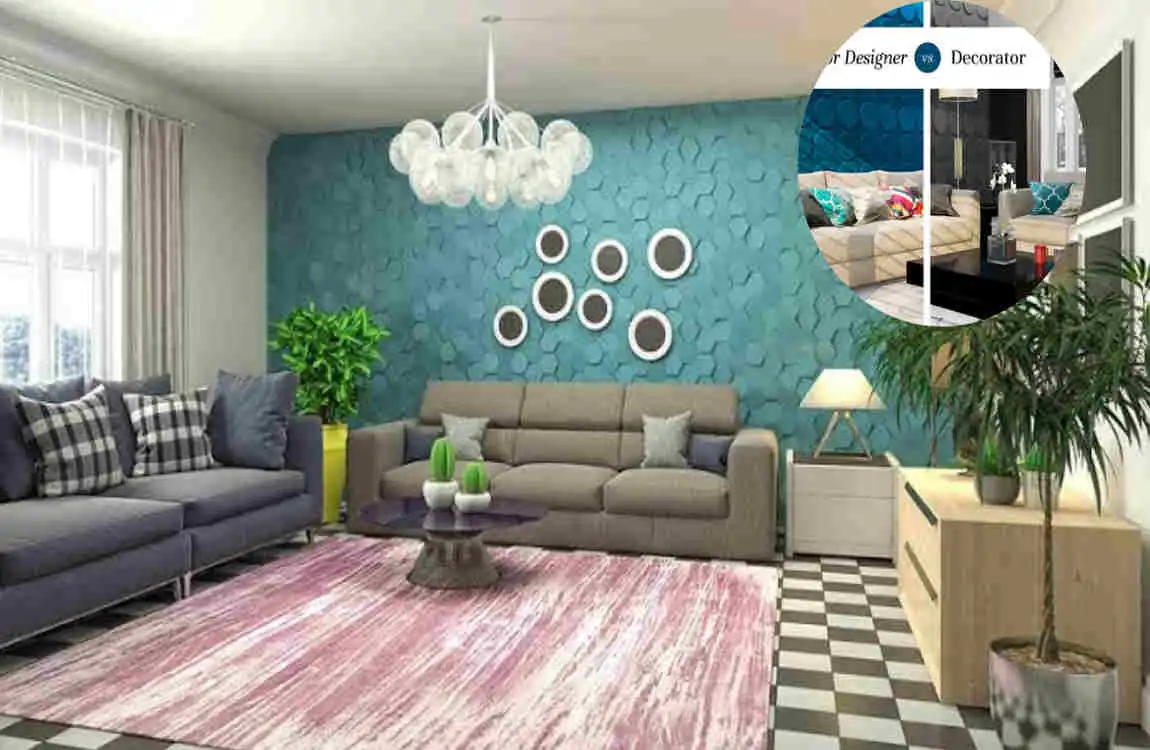
Many people use the terms interior designer and interior decorator as if they mean the same thing. While both professionals help improve indoor spaces, their work is quite different. Understanding what the difference between an interior designer and an interior decorator is can help you choose the right expert for your home or business project.
An interior designer focuses on creating functional, safe, and attractive spaces. An interior decorator mainly enhances the look and feel of a room using furniture, colors, and décor. Knowing this difference can save you time, money, and unnecessary stress.
What Is the Difference Between an Interior Designer and an Interior Decorator?
Interior Designer
An interior designer plans both the appearance and functionality of a space. They understand building codes, space planning, lighting, and construction. Many designers complete formal education and may require licensing depending on local regulations.
Interior Decorator
An interior decorator focuses on making a space look beautiful. They select furniture, paint colors, artwork, curtains, rugs, and accessories without changing the building’s structure.
What Does an Interior Designer Do?
Creates Functional Spaces
Interior designers make sure every room is practical, comfortable, and visually appealing.
Plans Room Layouts
They design layouts that improve movement, storage, and overall functionality.
Works with Architects and Contractors
Designers often collaborate with builders, electricians, and architects to complete projects successfully.
Chooses Materials and Finishes
They recommend flooring, countertops, cabinets, lighting, and wall finishes that suit your style and budget.
Ensures Safety
Interior designers follow building regulations and safety standards during renovations and construction.
What Does an Interior Decorator Do?
Selects Furniture
Decorators help you choose furniture that matches your style and available space.
Picks Paint Colors
They recommend color combinations that create the mood you want.
Chooses Curtains and Rugs
Window treatments and rugs add comfort, texture, and personality to a room.
Adds Decorative Accessories
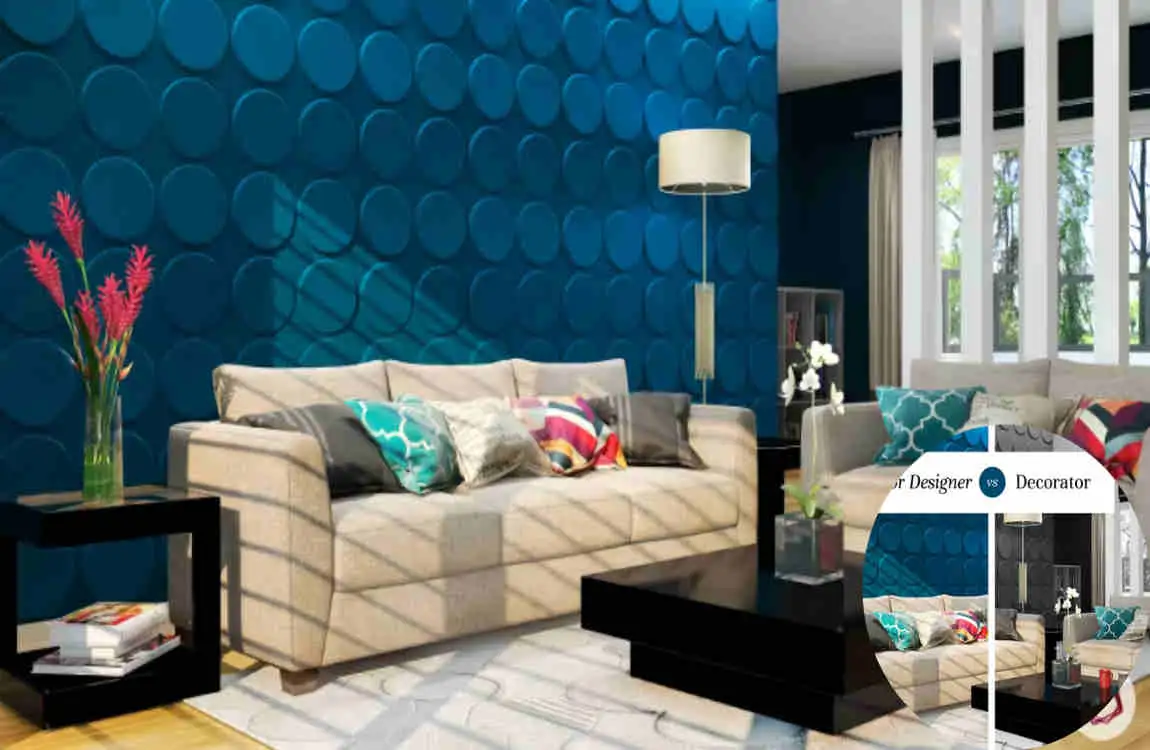
Artwork, mirrors, cushions, lamps, and plants help complete the design.
Creates a Beautiful Style
Decorators combine all design elements to give your home a polished appearance.
Education and Certification Differences
Interior Designer Qualifications
Most interior designers complete a degree in interior design. Some regions also require licensing or professional certification before practicing.
Interior Decorator Training
Interior decorators may complete certificate courses or online programs. Many gain experience through practical work and portfolio building.
Skills Needed for Each Profession
Interior Designer Skills
- Space planning
- CAD software
- Technical drawings
- Project management
- Problem-solving
Interior Decorator Skills
- Creativity
- Color coordination
- Furniture styling
- Design trends
- Attention to detail
When Should You Hire an Interior Designer?
You should hire an interior designer if you are:
- Building a new home
- Renovating your house
- Remodeling a kitchen
- Remodeling a bathroom
- Designing a commercial space
They can manage complex projects that involve construction and structural changes.
When Should You Hire an Interior Decorator?
An interior decorator is the right choice when you want to:
- Refresh a room
- Update your furniture
- Change paint colors
- Stage a home for sale
- Give your home a seasonal makeover
They can transform your space without major renovations.
Interior Designer vs Interior Decorator: Cost Comparison
Service Typical Cost
Interior Designer Higher due to planning and technical work
Interior Decorator Usually more affordable
Factors That Affect Cost
- Project size
- Experience
- Location
- Materials
- Design complexity
Pros and Cons
Interior Designer
Pros
- Handles complex renovations
- Professional planning
- Technical expertise
- Improves functionality
Cons
- Higher cost
- Longer project timeline
Interior Decorator
Pros
- Budget-friendly
- Faster room updates
- Focuses on style
Cons
- Cannot change structures
- Limited technical knowledge
Which One Is Right for Your Project?
Ask yourself these questions:
- Are you remodeling your home?
- Do you need structural changes?
- Are you only updating the décor?
- What is your budget?
- How quickly do you want the project completed?
If your project involves construction, choose an interior designer. If you only want a fresh new look, an interior decorator is usually the better choice.
Common Myths About Interior Designers and Decorators
They Do the Same Job
They have different responsibilities and skill sets.
Designers Are Only for Luxury Homes
Interior designers work on projects of all sizes and budgets.
Decorators Cannot Improve Small Spaces.
Decorators can make small rooms feel larger through smart furniture placement and color choices.
Hiring a Professional Is Too Expensive
A professional can help prevent costly mistakes and improve the final result.
Tips for Choosing the Right Professional
- Review their portfolio.
- Read customer reviews.
- Ask about similar projects.
- Check certifications if needed.
- Compare pricing.
- Discuss your goals before hiring.
Frequently Asked Questions (FAQs)
What is the difference between an interior designer and an interior decorator?
An interior designer plans functional spaces and may handle structural changes, while an interior decorator focuses on appearance and décor.
Can an interior decorator remodel a house?
No. Interior decorators typically do not perform structural remodeling.
Do interior designers need a license?
In some locations, yes. Licensing requirements vary by country and region.
Is hiring an interior designer worth the money?
Yes, especially for renovations or new construction where professional planning is important.
Which costs more, an interior designer or an interior decorator?
Interior designers generally charge more because they provide technical and planning services.
Can an interior designer also decorate a room?
Yes. Most interior designers also help with furniture, colors, and decorative finishes.
| Feature | Interior Design | Interior Decorating |
|---|---|---|
| Main Focus | Improves the function, layout, and safety of a space | Enhances the appearance and style of a space |
| Work Includes | Space planning, lighting, floor plans, materials, and renovations | Choosing furniture, colors, décor, artwork, and accessories |
| Education | Usually requires formal education and professional training | No formal degree is required, though design knowledge is helpful |
| Construction Involvement | Works with architects and contractors during building or remodeling | Typically works after construction is complete |
| Technical Skills | Understands building codes, structural planning, and design software | Focuses on color coordination, styling, and visual appeal |
| Best For | New homes, major remodels, or functional space planning | Refreshing or updating the look of an existing room |
| Goal | Create spaces that are both functional and beautiful | Create spaces that are attractive, comfortable, and personalized |
