
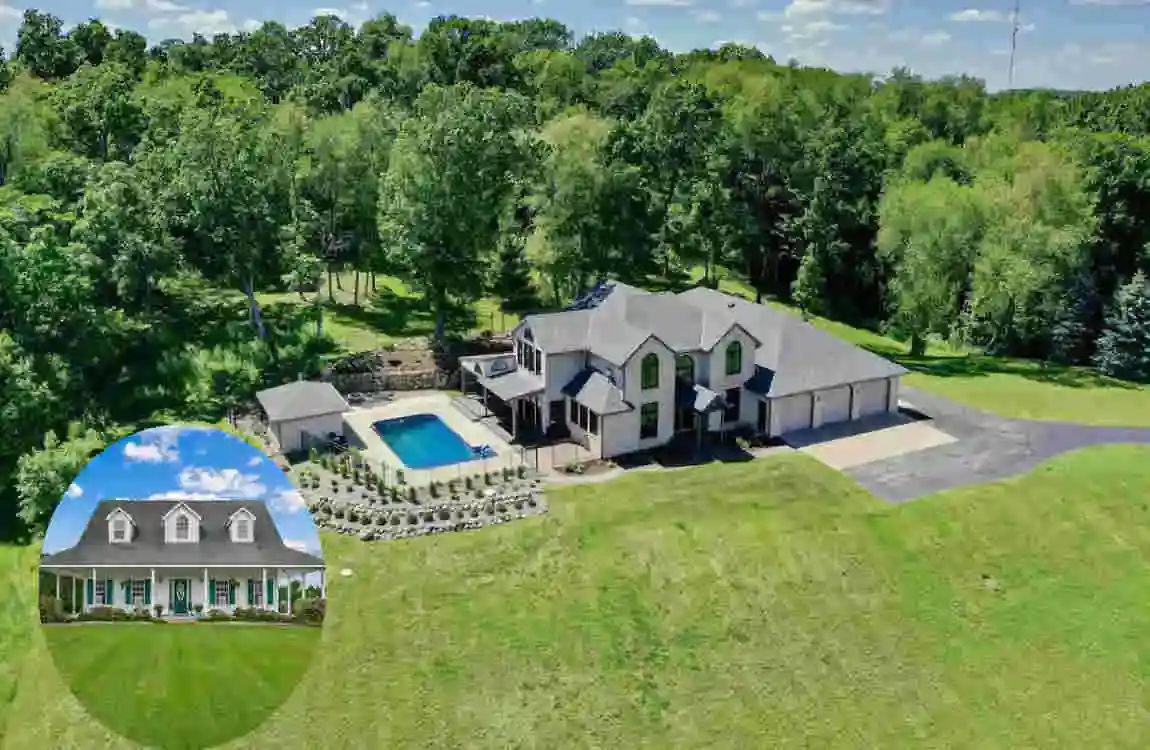
Have you ever found yourself staring out your window, wishing for just a little more breathing room? You certainly are not alone. In recent years, a growing number of people have decided to trade crowded city streets for wide-open spaces. This shift has made homes on 5 acres increasingly popular for buyers seeking a fresh start.
Having extra land offers incredible benefits. You get to enjoy the peacefulness of nature, create your own private oasis, and escape the hustle and bustle of modern life. It gives you a blank canvas to build the lifestyle you have always wanted, whether that involves growing your own food or just enjoying a quiet cup of coffee on your back porch.
So, who should actually consider buying this type of property? The truth is, it appeals to a wide variety of people. From growing families who need room to play to retirees looking for a quiet retreat, there is something for everyone.
What Are Homes on 5 Acres?
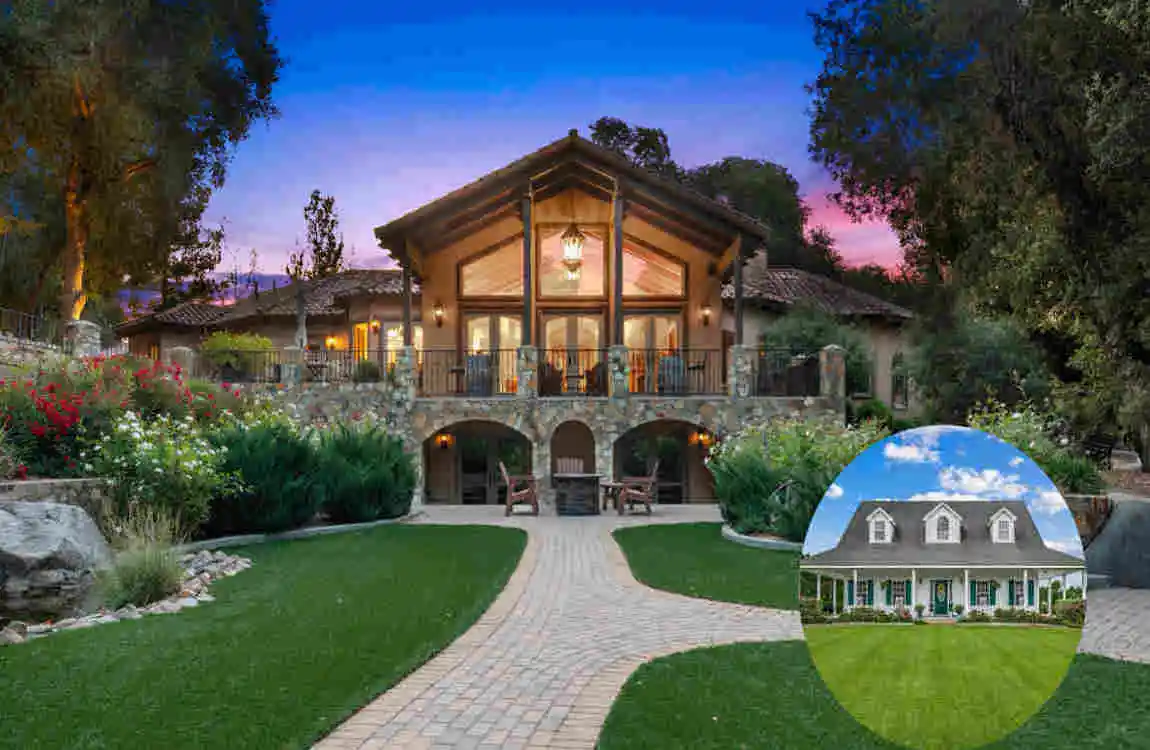
When you start looking at real estate, you might wonder what a five-acre lot actually looks and feels like. It helps to understand the sheer scale of what you are buying.
Definition of a 5-Acre Property
To put it in simple terms, one acre is roughly the size of a standard American football field without the end zones. Therefore, when you look at homes on 5 acres, you are looking at a property that spans about five football fields!
This is a massive amount of personal space. It is large enough to give you complete privacy from your neighbors, but it is also small enough that you can still manage the land without needing commercial farming equipment. It represents the perfect “sweet spot” between a tiny suburban backyard and a massive, demanding commercial farm.
Common Property Types
The beauty of buying land is the variety of housing styles you will find. Depending on the region and the history of the land, homes on 5 acres can look very different. Here are a few of the most common property types you will encounter:
- Single-family homes: These look just like traditional suburban houses, but they sit on a much larger, private plot of land.
- Farmhouses: Classic and charming, these homes often feature large wrap-around porches, rustic details, and plenty of character.
- Ranch properties: These sprawling, single-story homes are designed for easy living and often include features suited for keeping animals.
- Custom-built homes: Many buyers purchase vacant land and build their ultimate dream home exactly to their personal tastes and needs.
Benefits of Buying Homes on 5 Acres
Why are so many buyers eager to snatch up these mid-sized plots of land? The advantages are truly life-changing. Let’s break down the biggest benefits you will enjoy.
More Privacy
Privacy is easily the number one reason people look for larger properties. If you are tired of hearing your neighbor’s lawnmower early on a Saturday morning, or if you hate looking out your window directly into someone else’s living room, a five-acre lot will solve your problems.
With this much land, your house sits far back from the road. You can surround yourself with trees, natural barriers, and open grass. You finally get the freedom to play your music, host a barbecue, or simply enjoy the silence without worrying about bothering anyone around you.
Extra Space for Outdoor Activities
Do you love the great outdoors? Having five acres turns your backyard into a personal playground. You no longer have to pack up the car and drive to a local park to have fun.
You can set up a massive playground for your kids, build a sprawling swimming pool, or even create a private track for riding dirt bikes and ATVs. You have the ultimate freedom to host large family reunions, set up a massive bonfire pit, or lay out under the stars for a private camping night right at home.
Gardening and Farming Opportunities
If you have a green thumb, homes on 5 acres offer a dream scenario. You are not limited to a tiny raised bed on a patio. You can plant a massive vegetable garden that produces enough food to feed your family all year round.
You might even decide to plant a small orchard with apple, peach, or cherry trees. The rich soil and open sunlight give you the perfect environment to become more self-sufficient and grow organic, healthy food right outside your back door.
Room for Pets and Livestock
Pet lovers thrive on larger properties. If you have energetic dogs, they will love having wide-open fields to run and play in safely. But the fun does not stop with traditional house pets.
Five acres is generally enough space to keep small livestock. You can build a chicken coop for fresh morning eggs, raise a few goats, or even keep a horse or two. It allows you to experience the joys of country living without committing to a massive ranch.
Future Expansion Possibilities
When you buy a standard house in a subdivision, you are usually stuck with the footprint you have. But when you own five acres, your property can grow alongside your needs.
Do you want to build a secondary guest house for aging parents? Go right ahead. Do you need a massive workshop for your woodworking hobby or classic car collection? You have plenty of room to pour a foundation and build exactly what you need. The future possibilities are endless.
Who Should Buy Homes on 5 Acres?
You might be wondering if this lifestyle is right for you. While anyone can enjoy the perks of extra land, homes on 5 acres are especially perfect for a few specific types of buyers.
Families
Growing families need space. Kids need room to run, explore, and burn off energy safely. A five-acre property allows children to connect with nature, build treehouses, and learn valuable life lessons about caring for the land and animals. It provides a safe, private sanctuary for your family to bond.
Retirees
After decades of hard work, many retirees want peace. They want to leave the noisy city behind and enjoy a slower pace of life. Five acres offers enough space for relaxing hobbies like gardening or bird watching, while still being manageable enough to maintain during retirement years.
Hobby Farmers
If you love the idea of farming but do not want to make it your full-time job, you are a hobby farmer! A five-acre lot is the absolute perfect size for this. You can raise a few chickens, grow an impressive garden, and sell your extra produce at the local farmers’ market on weekends.
Remote Workers
The rise of remote work has completely changed the real estate market. If you work from your laptop, you no longer need to live within a thirty-minute commute of a downtown office. You can buy a beautiful home in the country, set up a home office with a view of your land, and enjoy a stress-free workday without the terrible traffic.
Real Estate Investors
Savvy investors know that land is a precious commodity. They often look for homes on 5 acres because these properties hold their value incredibly well. An investor might rent out the property, hold onto it as the surrounding area develops, or even look into subdividing the land later on for a profit.
Things to Consider Before Buying
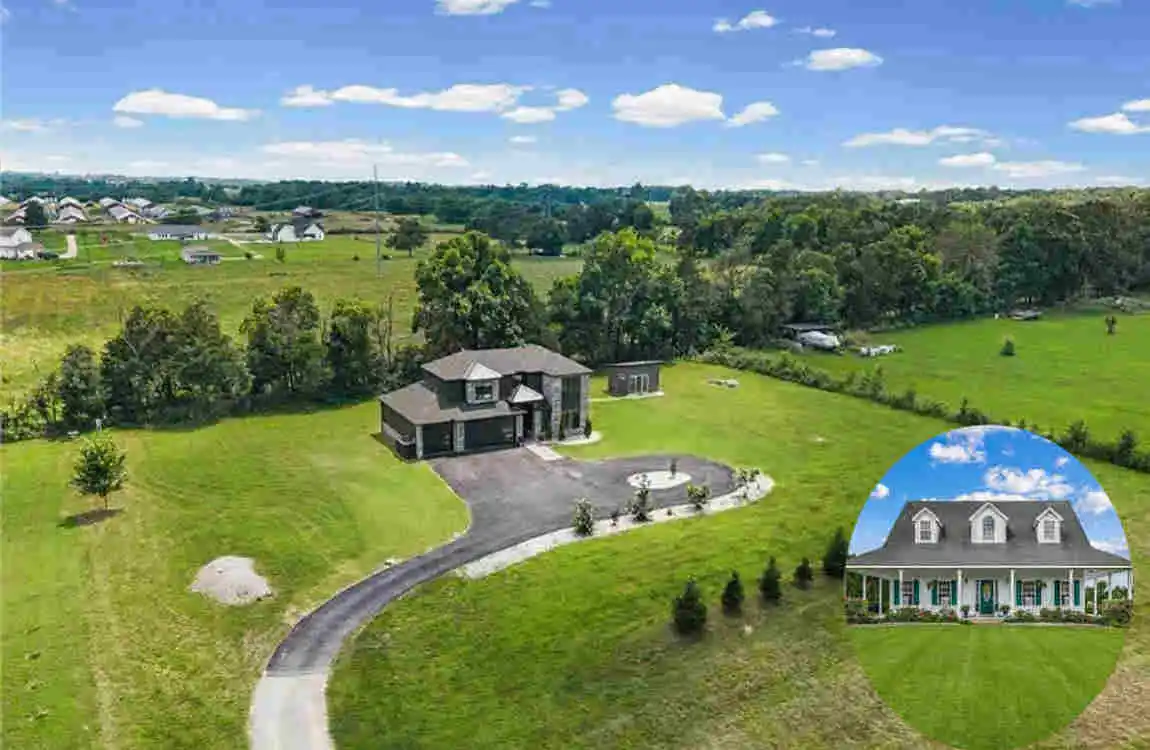
While country living sounds like a dream, it is important to go in with your eyes wide open. Buying acreage comes with unique responsibilities. Here are a few crucial things you must consider before signing on the dotted line.
Property Location
Location is everything in real estate. A five-acre property will usually be located outside of major city limits. You need to ask yourself how far you are willing to drive for everyday necessities.
Think about your daily routine. How far is the nearest grocery store, hospital, or school? Make sure you are comfortable with the driving distance, especially during bad weather conditions.
Utilities and Internet Access
In the city, you take water, sewer, and high-speed internet for granted. In rural areas, these utilities work differently.
Many homes on 5 acres rely on a private well for water and a septic tank for sewage. You need to ensure these systems are in good working order. Furthermore, if you work from home, you must check the internet speed. Some rural areas only offer satellite internet, which might not be fast enough for heavy video conferencing.
Property Taxes
More land usually means different tax brackets. Property taxes can vary wildly depending on your county and state.
However, there is a silver lining! In many areas, if you use a portion of your land for agricultural purposes (like selling honey or keeping livestock), you might qualify for a special agricultural tax exemption. Always consult a local tax professional to understand what you will owe.
Maintenance Costs
Taking care of five acres takes time and money. You will likely need to invest in a riding lawnmower or a small tractor to keep the grass under control. You also need to budget for tree trimming, fence repairs, and maintaining your well and septic systems. Make sure your monthly budget can handle these extra upkeep costs.
Local Zoning Rules
Just because you own the land does not mean you can do whatever you want with it. Local zoning laws dictate how the land can be used.
Before you buy, check the local regulations. Can you legally build a second home on the lot? Are you allowed to keep horses or pigs? Can you run a commercial business from your garage? Always verify the zoning rules, so your plans are not ruined by unexpected red tape.
Features to Look for in Homes on 5 Acres
When you finally start touring homes on 5 acres, you need to look beyond just the kitchen countertops and bathroom tiles. The land and the exterior features are just as important as the house itself. Keep an eye out for these key features.
House Size
Does the size of the house match your needs? Sometimes, a massive piece of land comes with a very small, older home. If you have a large family, you might need to plan for an addition. Conversely, a massive house on five acres means you have less usable outdoor land. Find the balance that works for your specific lifestyle.
Garage and Barn
You are going to acquire tools, mowers, and outdoor equipment. Where will you put it all? Look for properties that already have a large attached or detached garage. If you plan to keep animals or buy a tractor, finding a property that already has a sturdy barn will save you thousands of dollars in construction costs down the road.
Water Supply
Water is the lifeblood of any property. If the home uses a well, ask about its depth and its flow rate (how many gallons per minute it produces). If you plan to heavily water a garden or provide water for livestock, you need a robust and reliable water supply.
Fencing
Putting up a new fence around a five-acre perimeter is a massive, expensive project. If you plan to keep pets or livestock, pay close attention to the existing fencing. Is it in good condition? Is it designed to keep animals in, or is it merely decorative? Existing, high-quality fencing adds tremendous value to a property.
Storage Buildings
You can never have enough storage on a large property. Look for existing tool sheds, wood sheds, or carports. These outbuildings offer massive convenience and protect your valuable equipment from harsh weather.
Pros and Cons of Homes on 5 Acres
To help you make the best decision possible, let’s look at a clear breakdown of the advantages and the challenges of owning this much land.
ProsCons
More privacy: Enjoy a quiet life without close neighbors. Higher maintenance: Requires more time and money to upkeep.
Larger outdoor space: Plenty of room for recreation and hobbies. Increased utility costs: Pumping well water and heating large spaces can add up.
Better investment potential: Land tends to appreciate steadily over time. Longer commute: You will likely drive further for groceries and work.
Room for expansion: Easily build guest houses, pools, or barns. Lawn care responsibilities: You will spend your weekends mowing and clearing brush.
Tips for Finding the Right Property
Are you ready to start your search? Finding the perfect home requires a strategic approach. Here are a few vital tips to guide you through the buying process.
Set a Budget
Before you look at a single property, know exactly how much you can afford. Remember to factor in the hidden costs of rural living, like buying a tractor or maintaining a septic tank. Getting pre-approved for a mortgage will give you a clear price ceiling and make your eventual offer much stronger.
Work with a Local Real Estate Agent
Do not try to navigate rural real estate alone. You need to hire a real estate agent who specializes in land and rural homes. They will know which areas have the best soil, the most reliable internet providers, and the most favorable zoning laws. Their local expertise is absolutely priceless.
Schedule a Home Inspection
Never skip the inspection! When buying homes on 5 acres, you actually need specialized inspections. In addition to the standard house inspection, you must hire professionals to inspect the septic tank, test the well water quality, and check the structural integrity of any barns or outbuildings.
Compare Multiple Listings
Take your time and look at several different properties. Even if you fall in love with the first house you see, viewing other options gives you a better understanding of the local market value. It helps you recognize a fair price and empowers you during the negotiation phase.
Review Property Boundaries
Never assume that the fence line is the actual property line. Over the years, fences can be built in the wrong spots. Always ask for an updated land survey. A survey clearly marks your legal boundaries, preventing future disputes with your new neighbors over where your land ends and theirs begins.
Is Buying Homes on 5 Acres a Good Investment?
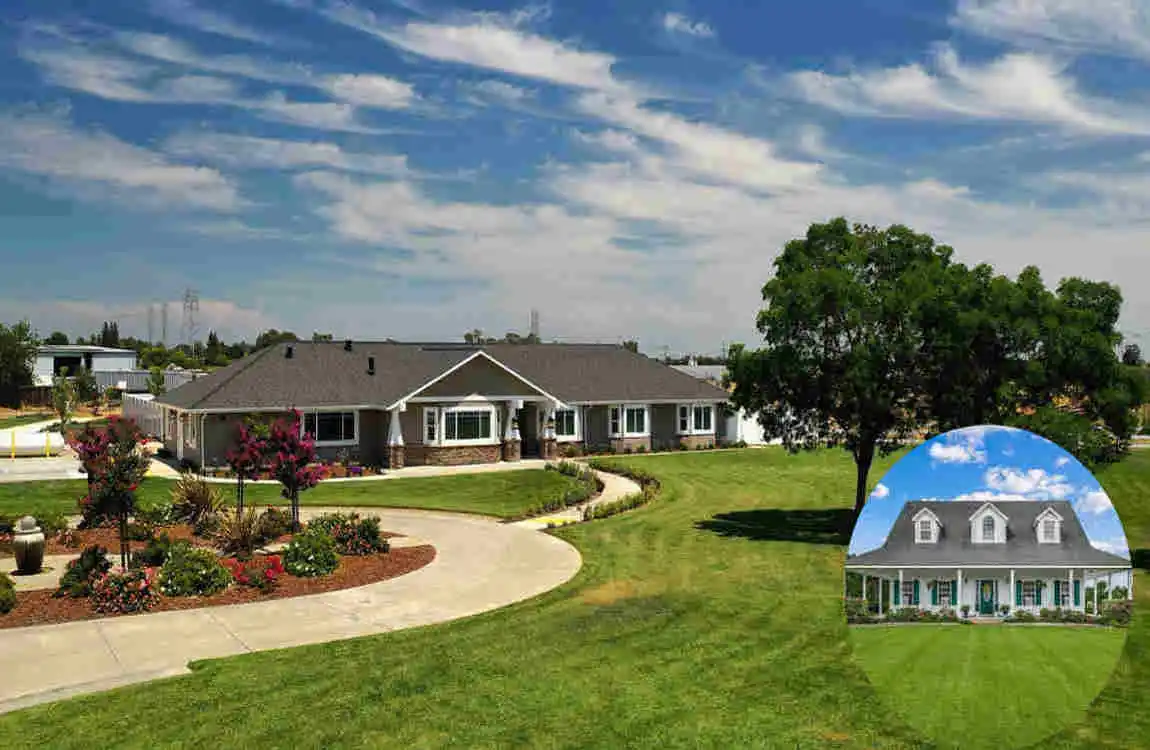
Purchasing real estate is one of the biggest financial decisions you will ever make. You want to ensure your money is working hard for you. So, is buying a home with acreage actually a smart financial move? The short answer is yes! Let’s explore why.
Long-Term Property Value
They say that “land is the only thing they aren’t making any more of,” and it is true. As cities expand and populations grow, mid-sized plots of land become increasingly rare. Because of this scarcity, homes on 5 acres generally see steady, reliable appreciation in value over the long term.
Rental Opportunities
Having extra space gives you unique ways to generate passive income. If your local zoning allows it, you could build a small cabin on your property and rent it out on platforms like Airbnb for weekend getaways. You could even rent out your pasture space to a local farmer who needs extra grazing land for their cattle.
Resale Potential
When the time finally comes to sell, properties with land attract a very motivated pool of buyers. People are constantly looking to escape the city, meaning your property will stand out in the market. Well-maintained homes with good fencing and outbuildings often sell quickly and at premium prices.
Market Demand
The demand for spacious living has skyrocketed. Since the global shift toward remote work, buyers are prioritizing home offices, privacy, and outdoor space over short commutes. This permanent shift in buyer psychology means the demand for homes on 5 acres is stronger than ever and shows no signs of slowing down.
Frequently Asked Questions (FAQ)
What does a home on 5 acres mean?
It refers to a residential property that includes a house and approximately five acres of surrounding land. To visualize it, five acres is roughly the size of four to five standard football fields.
Are homes on 5 acres a good investment?
Yes, they often provide excellent long-term value. They offer added privacy and more opportunities for expansion or recreation, making them highly desirable in the real estate market.
Is maintaining a 5-acre property expensive?
Maintenance costs can vary widely. It depends entirely on your landscaping choices, the rural utilities (like well and septic maintenance), and the upkeep of any additional structures like barns or long driveways.
Can I keep animals on a 5-acre property?
In many rural and semi-rural areas, yes! Five acres is usually plenty of room for chickens, goats, or a horse. However, you must always check your local zoning laws and homeowner association regulations first to be sure.
What should I inspect before buying homes on 5 acres?
You must thoroughly review the home’s condition, the exact land boundaries via a survey, the well and septic systems, land drainage, existing fencing, road access, and local zoning regulations.
