
Buying a home is a big step. It is exciting, but it also comes with risk. A property can look perfect on the surface and still hide costly problems underneath.
That is why many buyers ask: what does a home buyers survey cover? A home buyers survey helps you understand the real condition of the property before you commit to the purchase. It can show hidden defects, possible repair costs, and safety concerns that are not easy to spot during a regular viewing.
If you are planning to buy a house, a survey can give you peace of mind. It can also help you negotiate a better price if problems are found. In short, it is a smart step that can save you money and stress later.
What Is a Home Buyers Survey?
Definition of a Home Buyers Survey
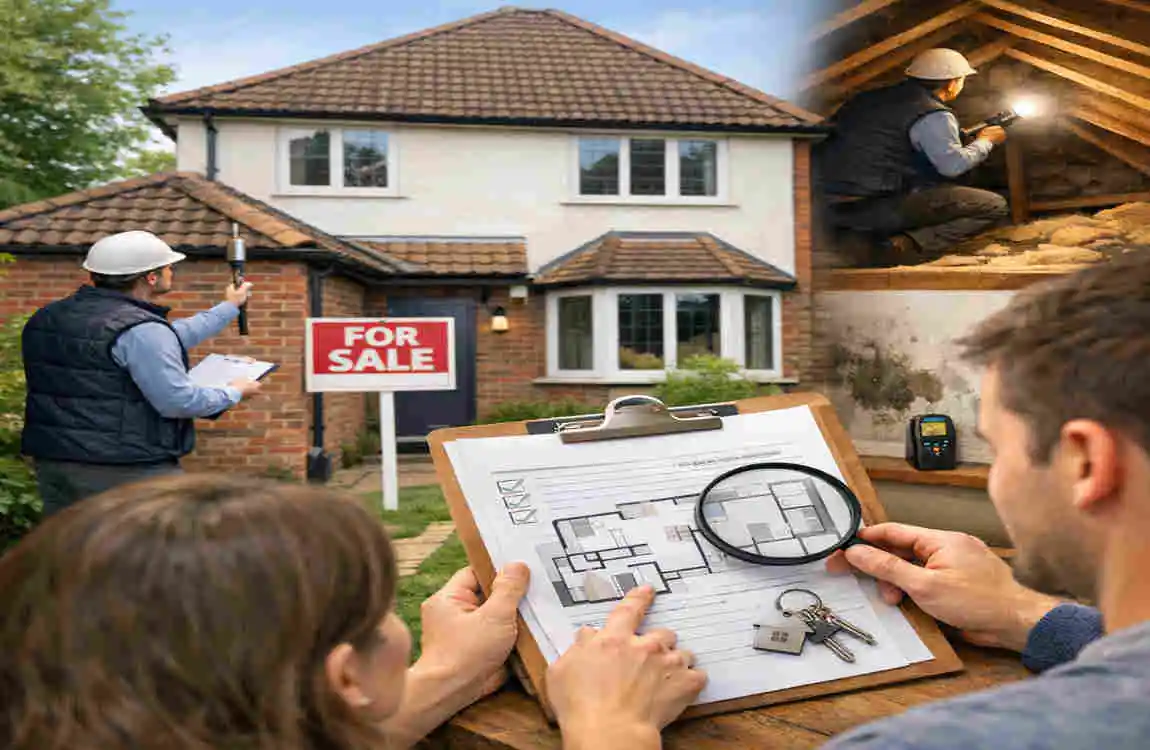
A homebuyer survey is a professional assessment of a property’s condition. A qualified surveyor looks at the home and writes a report on what they find.
It is not the same as a valuation. A valuation tells the lender how much the home is worth. A survey tells you whether the home has defects, damage, or areas that may need repair.
Why Do Buyers Need a Home Survey?
A survey is helpful because it can:
- Find hidden defects
- Show future repair costs
- Give you more confidence before buying
- Help you negotiate the price
- Prevent surprise expenses later
If you want to make a safe buying decision, a survey is often worth it.
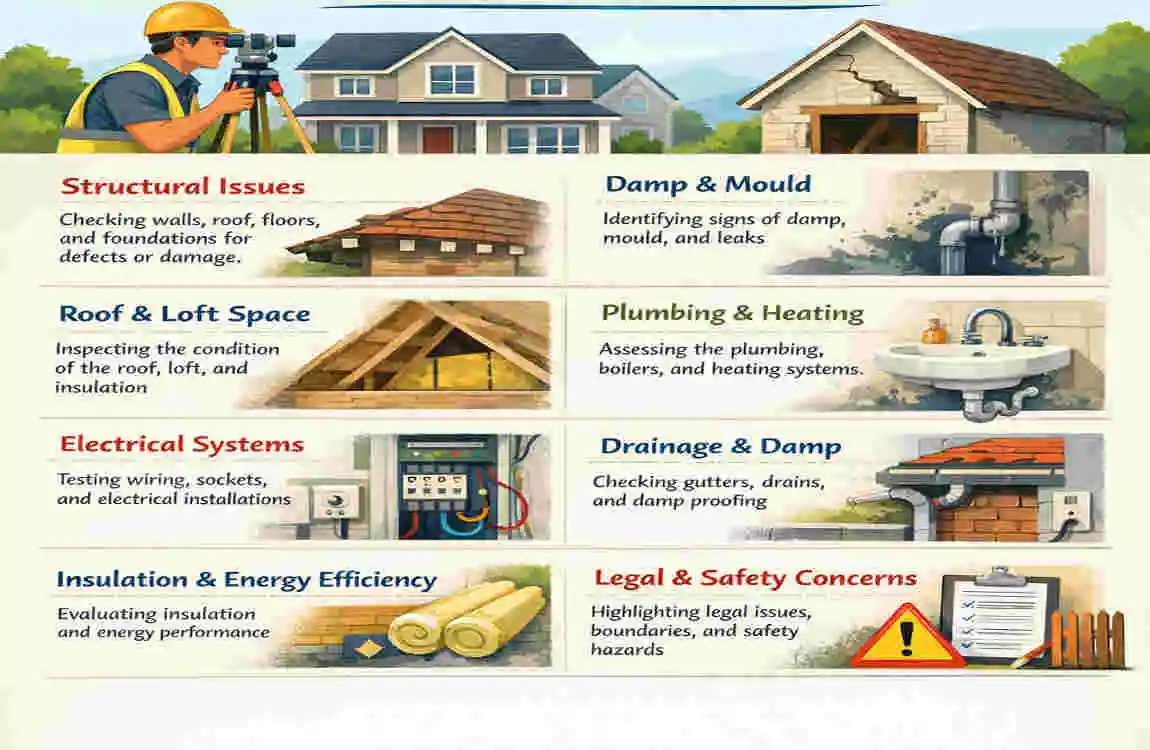
Home Buyers Survey: What Does It Cover?
Overall Property Condition
The survey checks the general condition of the home. This includes the property‘s age, the type of construction, and how well it has been maintained.
The surveyor also looks for visible damage, signs of wear, and safety issues. This gives you a clear picture of whether the home has been cared for or neglected.
Structural Problems and Stability
One of the most important parts of the survey is the structure. The surveyor checks key areas like:
- Foundations
- Walls
- Floors
- Roof structure
- Chimneys
- Extensions
They look for cracks, movement, or signs that the building may be shifting. These issues can be serious, especially if the home is older or has been altered in the past.
Roof Inspection
The roof is a major part of the survey. The surveyor checks for missing tiles, damaged coverings, leaks, and signs of water damage.
They also look at gutters and drainage. Roof repairs can be expensive, so spotting problems early is very useful. Even a small roof issue can turn into a larger repair if it is ignored.
Damp and Moisture Issues
Damp is a common problem in many homes. A survey often checks for:
- Rising damp
- Penetrating damp
- Condensation
- Mold
- Water leaks
Damp can harm the building and affect your health. It can also lower the property’s value. That is why this part of the survey matters so much.
Windows and Doors
Surveyors also look at windows and doors. They check the condition of frames, seals, locks, and glazing.
This helps identify problems like air leaks, broken seals, poor security, or parts that may need replacing soon. Small issues here can affect comfort and energy bills.
Plumbing System
A homebuyers survey usually includes a visual inspection of the plumbing. The surveyor checks visible pipes, taps, sinks, toilets, drainage, and water pressure where possible.
However, this is usually not a full plumbing test. If there is a concern, you may need a plumber to carry out a more detailed check.
Electrical System
The surveyor will also look at visible electrical features such as the fuse box, wiring signs, and general safety concerns.
They may notice outdated systems or possible hazards, but they usually do not test every circuit. If the home is old, a separate electrical inspection may be a smart idea.
Heating and Energy Efficiency
Heating systems and insulation are also important. The survey may check the boiler, radiators, ventilation, and signs of poor insulation.
This matters because a home that loses heat quickly can cost more to run. Energy efficiency affects both comfort and monthly bills.
Different Types of Home Buyer Surveys
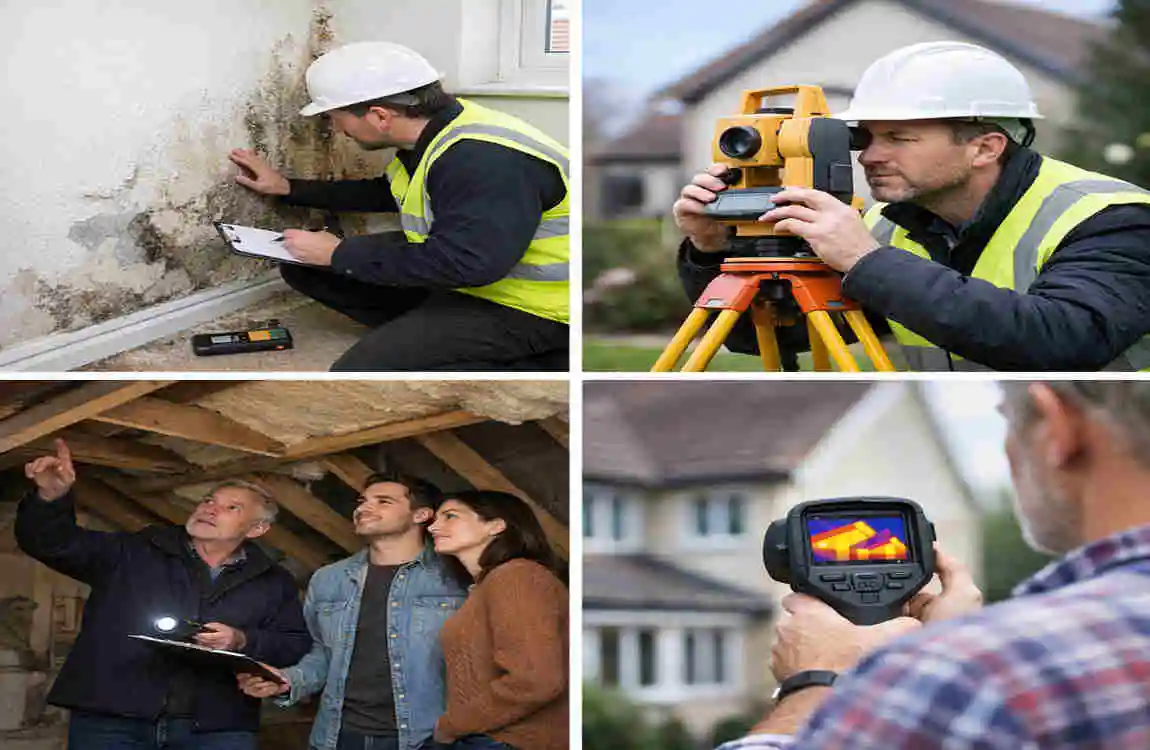
There are different survey types, each suited to a different kind of property.
Survey TypeBest ForWhat It Covers
Condition Report Newer homes Basic property condition
Home Buyer Report Standard properties Defects, repairs, maintenance advice
Building Survey Older or unusual properties Detailed structural inspection
A simple home may only need a basic report. But if the property is older, unusual, or shows signs of damage, a more detailed survey is often better.
What Is Not Covered in a Home Buyers Survey?
A survey is useful, but it has limits.
Hidden Areas Not Easy to Access
Surveyors usually inspect only areas they can safely reach. That means some hidden parts are not checked closely, such as:
- Behind walls
- Underground pipes
- Covered wiring
- Areas blocked by furniture
So, the survey cannot reveal every possible problem.
Specialist Checks May Be Needed
Some issues require special experts. These may include:
- Pest problems
- Asbestos
- Drainage issues
- Electrical testing
- Gas system checks
If the survey raises concern in any of these areas, you may need extra inspections.
What Problems Can a Home Buyer’s Survey Find?
A home buyers survey may uncover many common defects, including:
- Roof damage
- Damp walls
- Foundation movement
- Poor insulation
- Plumbing leaks
- Electrical faults
- Timber problems
- Structural cracks
Finding these early can save you a lot of money. It is much better to know before buying than after moving in.
How Long Does a Home Buyer’s Survey Take?
The inspection itself is usually not very long, but it depends on the property.
Property Type Approximate Survey Time
Small house 1–2 hours
Average family home 2–3 hours
Large or older property Longer inspection
The report usually comes a few days later. Older homes or more complex properties may take more time to assess.
How Much Does a Home Buyer’s Survey Cost?
The cost depends on several things:
- Property size
- Location
- Survey type
- Age of the home
- Level of detail needed
A more detailed survey will usually cost more, but that cost is small compared to major repair bills. In many cases, the survey can save you much more than it costs.
How to Prepare for a Home Buyers Survey
Before the survey, you can make the process easier by doing a few simple things:
- Gather property documents
- List any known problems
- Give access to all rooms and loft spaces
- Prepare your questions
- Review past repair records
This helps the surveyor do a better job and gives you more useful results.
How to Read a Home Buyers Survey Report
The report may look detailed, but the main sections are easy to understand.
Property Overview
This section gives basic details about the home, such as its construction and general condition.
Condition Ratings
Many reports use a rating system. For example:
- Good condition
- Needs attention
- Serious defect
These ratings help you understand how urgent each issue is.
Repair Recommendations
This part tells you what to fix now and what can wait. It may also include advice on future maintenance.
When reading the report, focus first on the serious issues. Then look at the smaller items that may need attention later.
Benefits of Getting a Home Buyers Survey
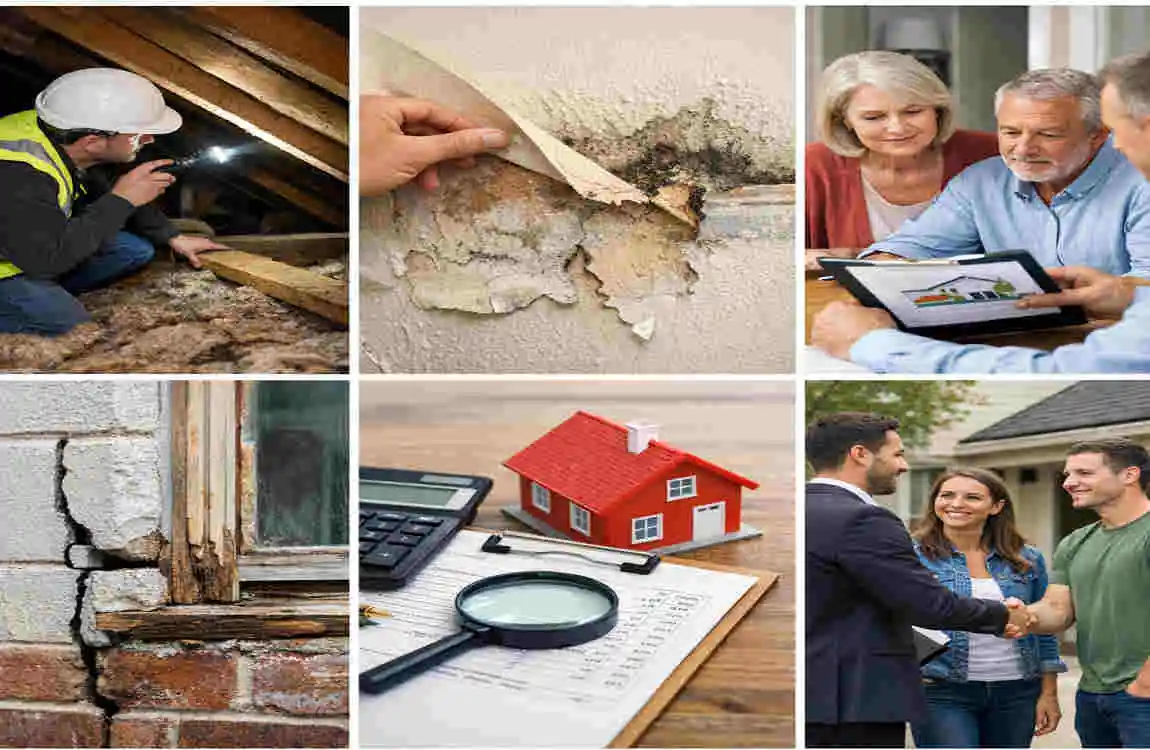
A survey gives you several important benefits:
- Avoid costly surprises
- Make better buying decisions
- Negotiate the price
- Plan future repairs
- Understand the true condition of the home
In many cases, the survey gives buyers more confidence and more control during the purchase process.
Home Buyers Survey vs Home Inspection
These terms are often used in similar ways, but they are not always the same.
Feature Home Buyers Survey Home Inspection
Purpose Property condition assessment Detailed inspection
Used By Buyers Buyers and homeowners
Focus Overall condition Specific systems and defects
Report Survey report Inspection report
A survey is usually intended to help a buyer understand a home’s condition before purchase.
Frequently Asked Questions
Q: What does a home buyers survey cover?
It covers the property’s condition, visible structural issues, roof problems, damp, plumbing, electrical concerns, heating, and other defects.
Q: Is a home buyers survey necessary before buying a house?
Yes, it helps you spot problems early and avoid expensive surprises later.
Q: Does a home buyer’s survey check structural damage?
Yes, it usually checks visible signs of cracks, movement, and foundation concerns.
Q: Does a survey include plumbing and electrical checks?
It includes basic visible checks, but full testing may need specialist inspections.
Q: How long does a home buyers survey report take?
Most reports are ready within a few days after the inspection.
Q: Can a home buyers survey help negotiate the house price?
Yes, if serious problems are found, you may ask for repairs or a lower price.
Q: What happens if a survey finds major problems?
You can renegotiate, request fixes, or decide not to buy the property.
| Survey Area | What It Covers | Why It Matters |
|---|---|---|
| Structural Condition | Checks walls, roof, ceilings, floors, foundations, and major structural issues | Helps identify costly repairs before buying |
| Roof Inspection | Examines roof coverings, leaks, damage, insulation, and drainage systems | Prevents unexpected roof replacement costs |
| Damp & Moisture Problems | Looks for damp patches, water damage, mold, and ventilation issues | Protects against hidden moisture-related problems |
| Electrical Systems | Reviews visible wiring, sockets, switches, and electrical safety concerns | Highlights potential electrical risks |
| Plumbing & Heating | Checks pipes, water systems, boilers, radiators, and heating condition | Helps estimate repair or upgrade needs |
| Windows & Doors | Assesses condition, damage, insulation, and security features | Identifies energy efficiency and maintenance issues |
