
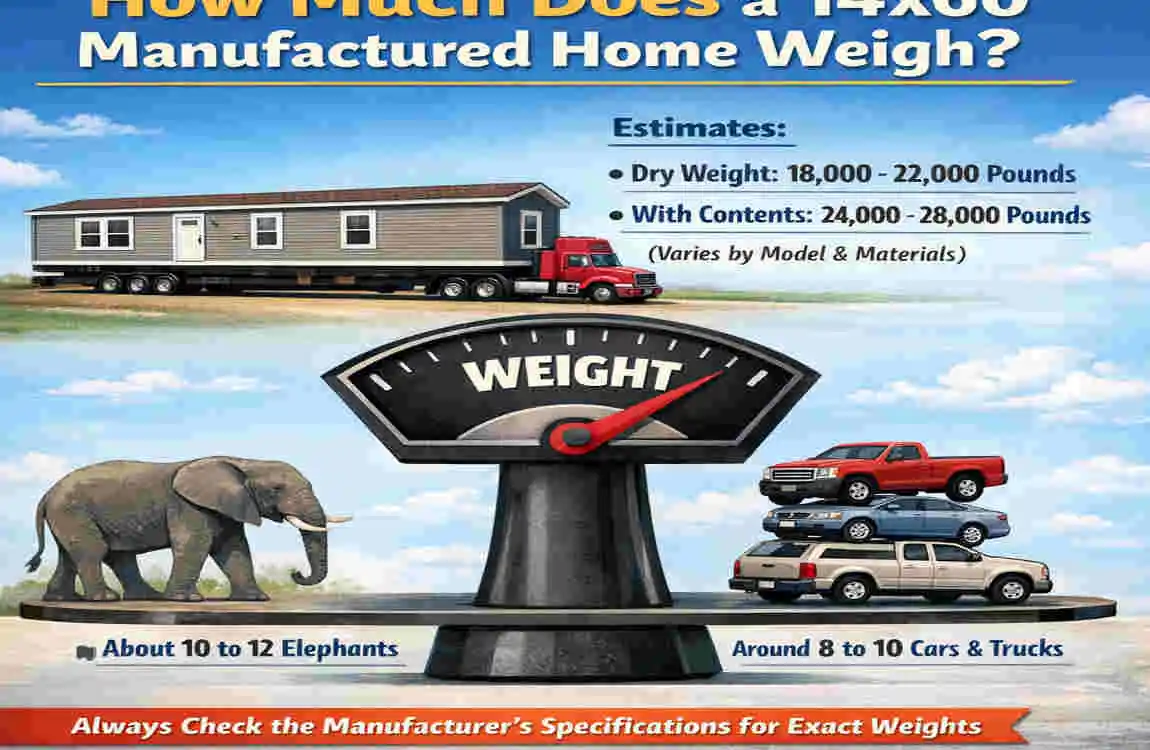
A 14×60 manufactured home is a popular choice for those seeking a simple, affordable, and practical home. It offers a compact layout with enough room for everyday living, making it useful for buyers, homeowners, and movers alike.
But one question comes up again and again: how much does a 14×60 mobile home weigh? That number matters more than many people think. It affects transportation, permits, installation, foundation planning, and moving costs.
How Much Does a 14×60 Mobile Home Weigh?
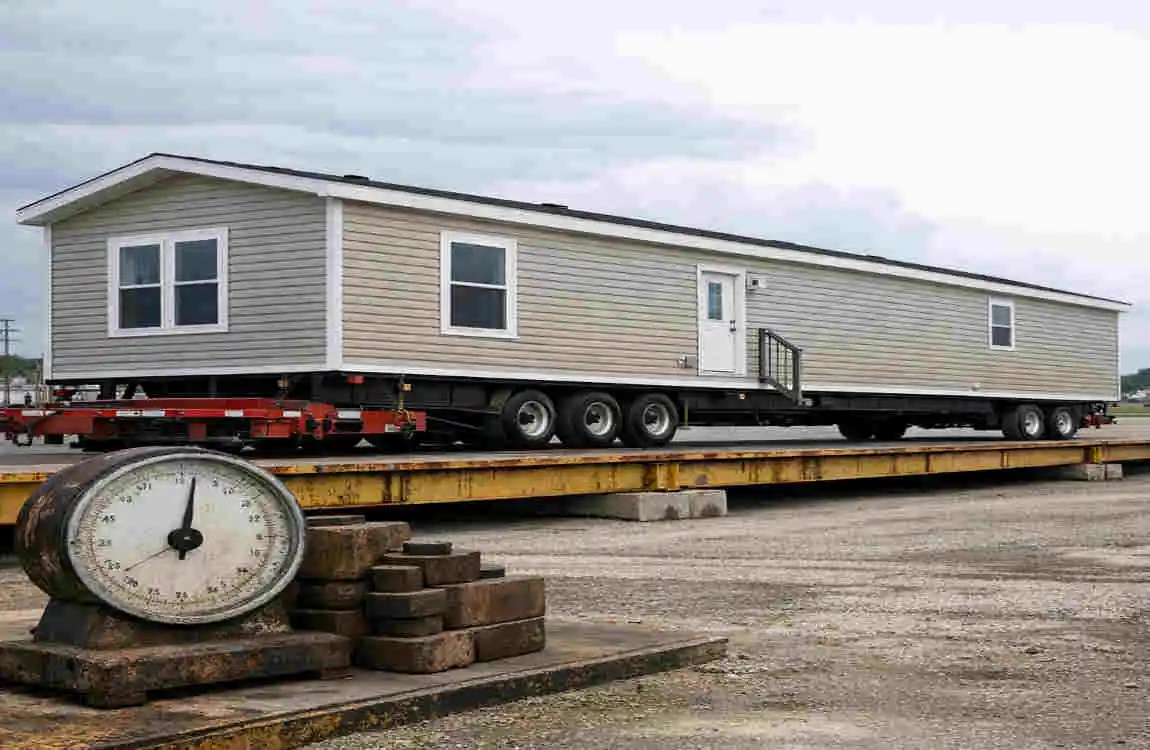
Average Weight of a 14×60 Manufactured Home
A 14×60 mobile home usually weighs between 20,000 and 28,000 pounds when empty. If it is furnished and ready for living, the weight often rises to 25,000 to 35,000 pounds.
That is why this question is so important. Even though a manufactured home is lighter than a site-built house, it still needs special handling and proper planning.
Here is a quick look at the numbers:
Home Size Approximate Weight
14×60 Mobile Home (Empty) 20,000–28,000 lbs
Furnished 14×60 Home 25,000–35,000 lbs
With Added Features 35,000+ lbs
The exact weight depends on the model, so it is always best to check the manufacturer’s data plate.
Understanding the Dimensions of a 14×60 Mobile Home
What Does 14×60 Mean?
The term 14×60 means the home is 14 feet wide and 60 feet long. That gives it about 840 square feet of living space.
This size is common for a single-wide mobile home, and it works well for small families, couples, or anyone who wants a compact home with a simple layout.
Why Size Affects Weight
The bigger the home, the more building materials it needs. A 14×60 home still includes framing, flooring, insulation, plumbing, wiring, walls, and roofing.
That means size directly affects weight. More space usually means more material, and more material means more pounds.
Factors That Affect the Weight of a 14×60 Mobile Home
Building Materials Used
Different materials add different amounts of weight. A home built with steel framing may weigh more than one with lighter wood framing. Roofing, siding, and flooring also make a difference.
For example, heavier siding or thicker flooring can add extra weight. Even small material changes can affect the final number.
Interior Features and Appliances
A basic empty home will always weigh less than a finished one. Items like kitchen appliances, bathroom fixtures, cabinets, furniture, and storage units all add weight.
If the home has built-in features or upgraded interiors, the total weight can go up by several thousand pounds.
Age of the Mobile Home
Older manufactured homes may weigh differently than newer ones. Over time, repairs, upgrades, and replacements can change the total.
For example, new windows, extra insulation, or replacement flooring may add weight. So even two homes with the same size can have different totals.
Climate and Insulation Features
Homes built for colder or hotter climates may have extra insulation or weatherproofing. That can make the home heavier.
Energy-efficient windows, thicker wall materials, and added moisture protection can all increase the total load.
Empty Weight vs Transport Weight of a 14×60 Mobile Home
What Is Dry Weight?
Dry weight means the weight of the home when it is empty. It does not include furniture, water, or personal belongings.
This is the number most people use when discussing the home’s base weight.
What Is Transport Weight?
Transport weight is the weight of the home when it is ready to move. It may include moving equipment, support pieces, or items that remain inside during the move.
Because of this, transport weight is often different from dry weight.
Weight Type Meaning
Dry Weight Empty manufactured home weight
Transport Weight Weight prepared for relocation
Loaded Weight Home with belongings and additions
How Is a 14×60 Mobile Home Moved?
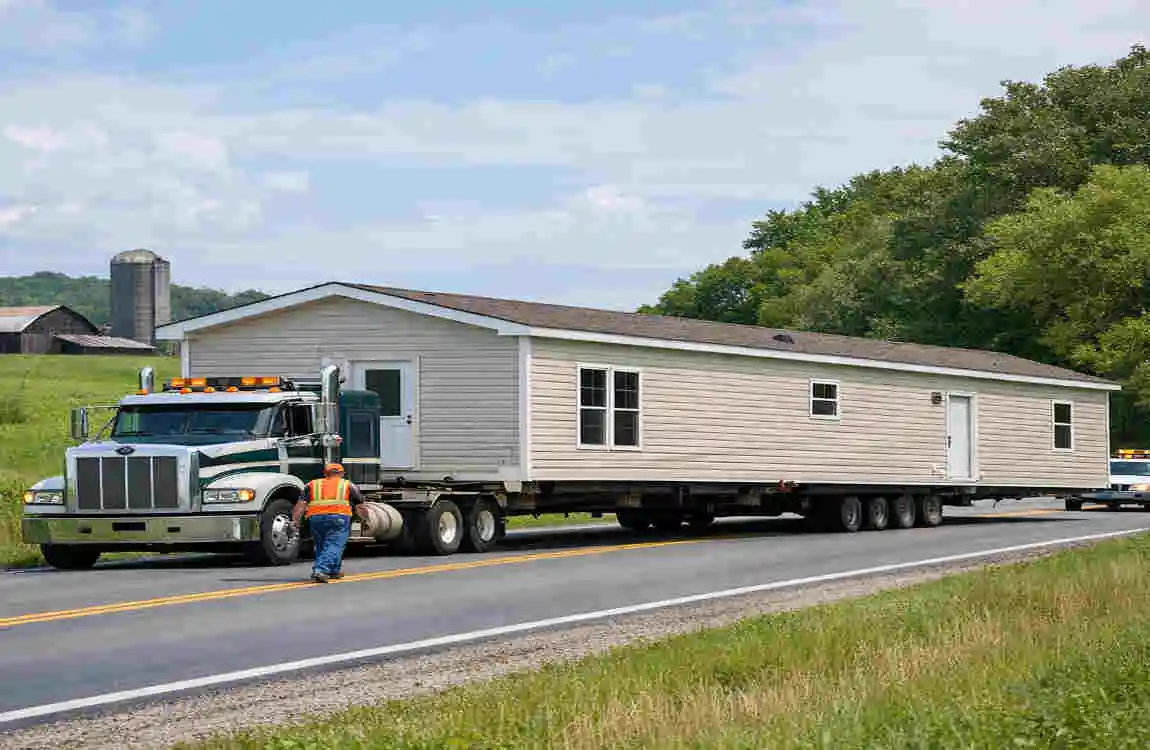
Equipment Required for Transportation
A home this size cannot be moved like a regular trailer. It needs special towing equipment, hydraulic tools, and professional movers.
Licensed movers use the right trucks and safety gear to keep the home stable during transport.
Permits and Safety Requirements
Moving a manufactured luxury home usually requires permits, route planning, and utility disconnects. In many cases, a professional installer must also prepare the new site.
This is why moving a home is more than just towing it from one place to another.
Can a Truck Tow a 14×60 Mobile Home?
Why Regular Vehicles Cannot Move It
A normal pickup truck cannot safely tow a 14×60 mobile home. The weight is far too high, and the size creates safety issues on the road.
That is why this job belongs to trained movers with the right tools.
Professional Moving Services
Professional movers know how to handle manufactured homes correctly. They also help with permits, setup, and transport planning.
The cost depends on distance, site access, and what needs to be done at the new location.
How Much Does It Cost to Move a 14×60 Mobile Home?
Average Moving Costs
Moving costs can vary a lot, but here is a common range:
- Local move: $3,000–$8,000
- Long-distance move: $10,000+
Additional Expenses
You may also need to pay for:
- Permits
- Utility connections
- Foundation work
- Installation fees
These extra costs can increase the full move price more than many people expect.
How Does a 14×60 Mobile Home Compare to Other Homes?
Home Type Average Weight
14×60 Mobile Home 20,000–35,000 lbs
Double Wide Mobile Home 50,000–80,000 lbs
Small Site-Built Home 80,000+ lbs
Manufactured homes are lighter because they use efficient building methods and lighter materials than traditional houses.
How to Find the Exact Weight of Your 14×60 Mobile Home
Check the Manufacturer Data Plate
The easiest way to find the exact weight is to check the manufacturer data plate. This plate often includes the model number, serial number, and other home details.
Contact the Manufacturer
If you cannot find the plate, contact the manufacturer with your model information. They can give you the exact weight.
Hire a Professional Inspection Service
If you need a very accurate number for moving or installation, a professional inspection service can help.
Why Knowing the Weight Matters
For Transportation Planning
The weight tells movers what equipment they need and helps estimate the moving cost.
For Foundation Installation
The foundation must be strong enough to properly support the modern home. Weight matters here too.
For Buying Decisions
If you are buying a manufactured home, knowing the weight helps you understand setup, transport, and total costs.
Tips Before Moving a 14×60 Manufactured Home
Here is a quick checklist to follow:
- Confirm the exact weight
- Remove personal belongings
- Disconnect utilities
- Check permits
- Hire experienced movers
- Inspect the new location
These steps can save time, money, and stress.
Common Mistakes When Estimating Mobile Home Weight

People often make the mistake of ignoring furniture, appliances, or upgrades. Others use outdated numbers or forget to check the actual manufacturer details.
Always use the most accurate information you can find. That makes planning much easier.
Frequently Asked Questions
How much does a 14×60 mobile home weigh?
A 14×60 mobile home usually weighs between 20,000 and 35,000 pounds.
How many square feet is a 14×60 manufactured home?
It has about 840 square feet of living space.
Can a 14×60 mobile home be moved?
Yes, but it needs professional movers, special equipment, and permits.
Does furniture increase mobile home weight?
Yes. Furniture, appliances, and belongings can add several thousand pounds.
What is the weight of an empty 14×60 mobile home?
An empty one usually weighs around 20,000 to 28,000 pounds.
How much does it cost to move a 14×60 mobile home?
Costs often range from $3,000 to over $10,000, depending on distance and setup needs.
Where can I find my mobile home’s exact weight?
Check the manufacturer data plate or contact the manufacturer directly.
| Factor | Information |
|---|---|
| Average Weight of a 14×60 Manufactured Home | A 14×60 manufactured home typically weighs around 20,000 to 30,000 pounds (10–15 tons) depending on design, materials, and features. |
| Size | 14 feet wide × 60 feet long = approximately 840 square feet of living space. |
| Dry Weight (Without Furniture & Personal Items) | Usually around 20,000–25,000 pounds. |
| Fully Loaded Weight | With appliances, furniture, water, and belongings, it can reach 25,000–35,000 pounds. |
| Main Weight Factors | Frame type, insulation, flooring, roofing materials, appliances, and interior finishes affect the total weight. |
| Transportation Weight | A specialized manufactured home mover is required because of its size and weight. |
| Foundation Consideration | The foundation and supports must be designed to handle the home’s total load safely. |
| Average Number of Axles for Moving | Most 14×60 mobile homes require multiple axles and heavy-duty equipment for transportation. |
| Why Weight Matters | Knowing the weight helps with moving costs, permits, towing requirements, and foundation planning. |
| Estimated Moving Cost Impact | Heavier homes generally require more equipment and labor, increasing transportation expenses. |
