
Lighting is one of the easiest ways to change how a room feels. A lamp can make a space look warm, stylish, and complete. It can also make everyday life easier by giving you the right kind of light where you need it most.
In modern homes, lamps do more than brighten a room. They help shape the style, support the mood, and improve functionality. The right lamp can tie a room together, while the wrong one can make the space feel off-balance.
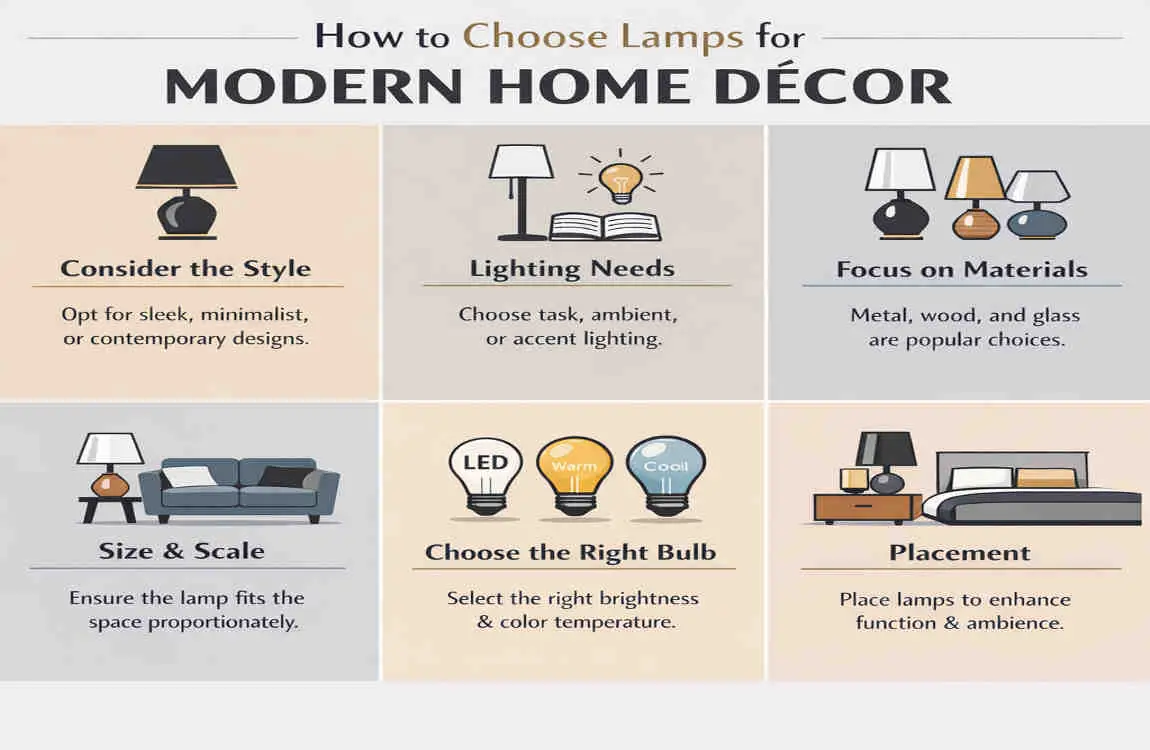
This modern home decor lamp-matching style guide will help you choose lamps that fit your room, furniture, and design style. You will learn how to match lamp shapes, sizes, colours, and materials without making the room feel crowded or mismatched.
Why Lamps Matter in Modern Home Decoration
The Role of Lighting in Interior Design
Lighting does three important jobs in modern décor.
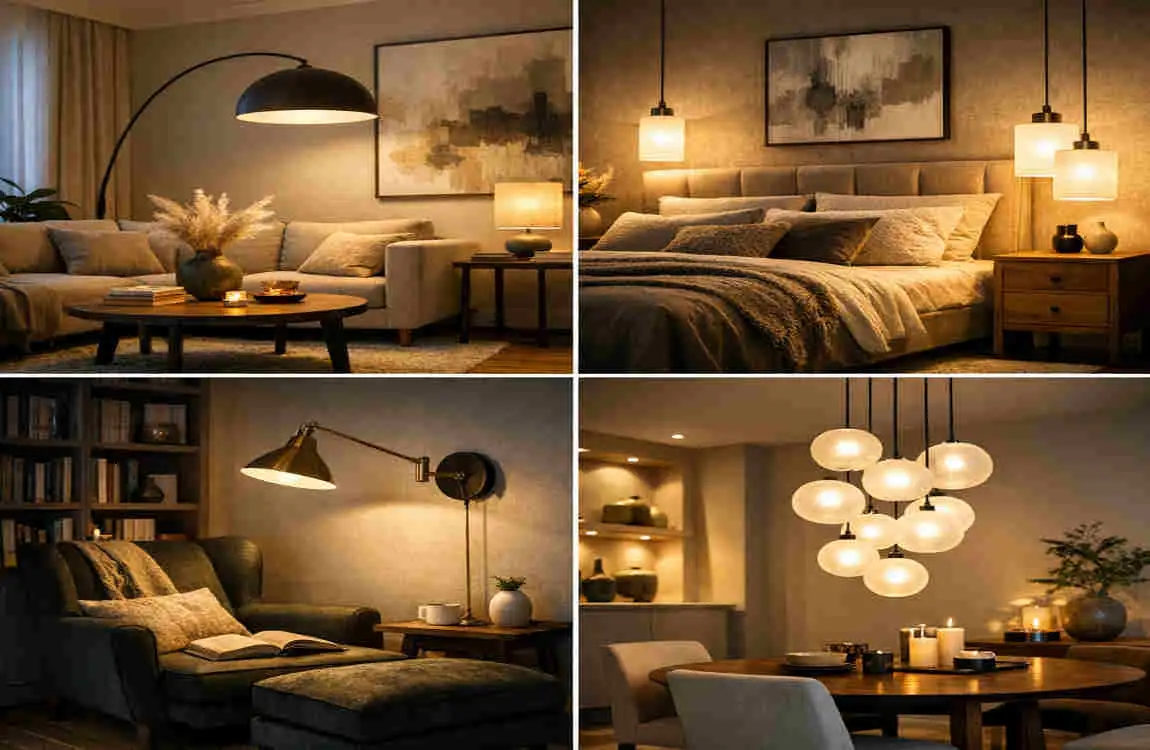
First, it creates atmosphere. Soft light can make a room feel calm and cozy, while brighter light can make it feel active and fresh. Second, it improves functionality. A reading corner, work desk, or kitchen needs the right level of light. Third, it highlights décor by drawing attention to furniture, artwork, or textures you want to show off.
Benefits of Choosing the Right Lamp
A well-chosen lamp can improve the whole room.
It adds comfort by making the space easier to use. It can also save energy if you choose efficient bulbs and smart lighting options. On top of that, the right lamp improves the room’s look and may even add value to your home by making it feel more polished and well-designed.
Understanding Different Types of Modern Lamps
Table Lamps
Table lamps work well on side tables, nightstands, and console tables. They give focused light and add style at the same time.
Modern table lamps often come in simple shapes, soft colours, or sleek metal finishes. They work best when they sit at a height that feels natural next to nearby furniture.
Floor Lamps
Floor lamps are great for living rooms and reading corners. They are also useful when you need light but do not want to use a table or wall fixture.
Many modern floor lamps have slim frames, arc shapes, or clean tripod bases. These designs save space while still making a strong visual impact.
Desk Lamps
Desk lamps are important for home offices and study areas. They should provide direct, adjustable light without causing glare.
Look for a lamp that lets you move the head or change the angle. This makes it easier to work comfortably for long periods.
Wall Lamps
Wall lamps are a smart choice when you want to save surface space. They work well in bedrooms, hallways, and beside mirrors.
They can also add a soft decorative touch without taking over the room. In modern homes, wall lamps often have a clean, simple look.
Pendant Lamps
Pendant lamps hang from the ceiling and work well over kitchen islands, dining tables, and entryways. They can act as both lighting and décor.
A modern pendant lamp should feel balanced with the room below it. It should stand out, but not dominate the space.
Modern Home Decoration Lamp Matching Styles Guide
Minimalist Style
Minimalist interiors need lamps that feel clean and simple. Choose neutral colours, smooth surfaces, and straight lines.
Metal finishes work especially well because they look neat and modern. Avoid anything too decorative or heavy.
Scandinavian Style
Scandinavian rooms are light, warm, and practical. Lamps in this style often use natural wood, white shades, and soft light.
The goal is to make the room feel cozy without clutter. Simple shapes and natural materials work best here.
Industrial Style
Industrial décor usually looks strong and raw. Lamps with matte black finishes, exposed bulbs, and iron frames fit this style well.
These lamps look good with brick, wood, and concrete. They add a bold touch without feeling too fancy.
Contemporary Style
Contemporary spaces allow more design freedom. You can use geometric shapes, mixed materials, and even smart lighting features.
A contemporary lamp should still feel clean and current. Choose something stylish, but not too busy.
Mid-Century Modern Style
Mid-century modern lamps often include brass accents, dome shades, and retro-inspired shapes. They feel timeless and elegant.
Wood and warm metal tones work very well in this style. The lamp should add character without overpowering the room.
Choosing Lamps for Every Room
Living Room
The living room usually needs more than one lamp. A floor lamp can light a reading chair, while a table lamp can soften a side table.
Try to use lamps that match the size of your sofa and coffee table. This keeps the room balanced and comfortable.
Bedroom
Bedrooms work best with soft, calming lamps. Table lamps on nightstands are a classic choice.
Choose warm light and simple shades. This helps the room feel restful at the end of the day.
Dining Room
Dining rooms often look best with a pendant lamp above the table. It helps define the dining area and creates a nice focal point.
If the table is long, choose a lamp or fixture that matches the shape. The light should cover the table evenly.
Kitchen
Kitchens need bright, useful lighting. Pendant lamps over an island or bar area can add style while still being practical.
Choose finishes that are easy to clean and simple enough to match cabinets and counters.
Home Office
A home office needs a lamp that supports focus. A desk lamp with adjustable brightness works well.
Try to avoid overly decorative lamps in this space. Keep it simple, clean, and practical.
Bathroom
Bathrooms need moisture-friendly lighting that feels clean and bright. Wall lamps near mirrors often work well.
Choose a design that feels fresh and modern. Avoid bulky lamps that make the room feel small.
Selecting the Right Lamp Size
Height Guidelines
Lamp height matters more than many people realise. A lamp that is too tall can feel awkward, while one that is too short may not give enough light.
As a simple rule, the bottom of a lampshade should sit near eye level when you are seated next to it.
Width and Shade Size
The shade should fit the base and the surrounding furniture. If the shade is too wide, it can overwhelm the table. If it is too narrow, it may look weak.
The best lamp sizes feel natural and balanced in the space.
Matching Lamp Size to Furniture
A small table usually needs a smaller lamp. A large console or a sofa side table can accommodate a larger piece.
Always think about how the lamp looks next to the furniture, not just by itself.
Best Lamp Materials for Modern Homes
Metal
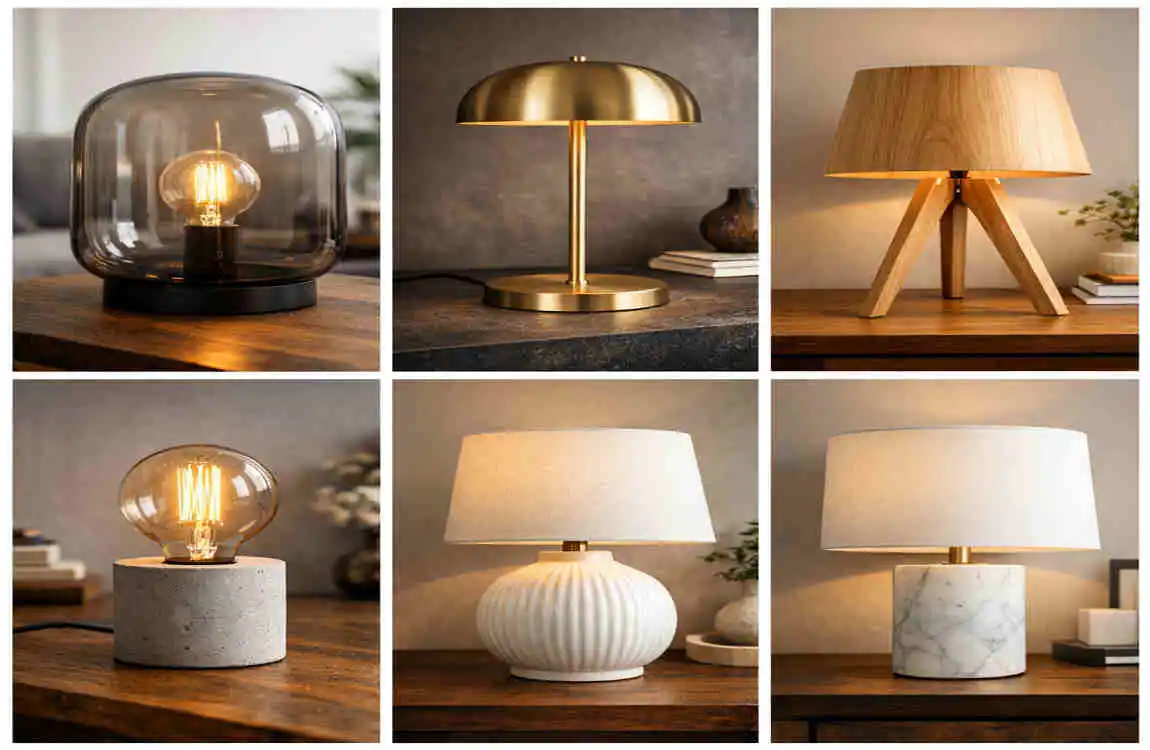
Metal lamps are strong, sleek, and easy to pair with modern interiors. Black, brass, and brushed nickel are very common.
Glass
Glass lamps feel light and elegant. They work well when you want a room to feel open and airy.
Wood
Wood brings warmth into modern spaces. It pairs beautifully with Scandinavian, Japandi, and mid-century styles.
Marble
Marble gives a room a more refined and premium look. Even a small marble lamp can make a space feel elegant.
Ceramic
Ceramic lamps are versatile and stylish. They often work well in bedrooms and living rooms because they feel soft and timeless.
Choosing the Perfect Lamp Colour
Neutral Tones
Neutral shades like beige, grey, white, and soft brown are easy to match with most modern décor.
Black Fixtures
Black lamps create contrast and look sharp in modern rooms. They are especially good in minimalist and industrial spaces.
White Lamps
White lamps help keep the room bright and open. They work well in small rooms or spaces with light furniture.
Gold and Brass Accents
Brass and gold finishes add warmth and a little luxury. They are excellent if you want the room to feel polished without being flashy.
Bold Statement Colours
If you want a lamp to stand out, choose a strong colour carefully. Just make sure it still connects with the rest of the room.
Smart Lighting Features to Consider
LED Technology
LED lamps are a smart choice because they last longer and use less energy. They also stay cooler than many older bulbs.
Smart Bulbs
Smart bulbs let you control brightness and sometimes colour from your phone or voice device. This makes lighting more flexible.
Dimmable Lamps
Dimmable lamps let you switch between bright task lighting and softer evening light. That makes them very useful in modern homes.
Voice-Controlled Lighting
Voice control adds convenience. It is helpful when your hands are full or when you want to change the light quickly.
Energy Efficiency
Efficient lamps save money over time. They also support a more eco-friendly home.
Common Lamp Matching Mistakes
Buying Oversized Lamps
A lamp that is too big can dominate the room and make the space feel crowded.
Ignoring Room Scale
Always consider the size of the room and the furniture. The lamp should fit naturally into the space.
Mixing Too Many Styles
Too many styles in one room can make it look messy. Keep the overall design direction consistent.
Choosing the Wrong Bulb Colour
Very cool or harsh light can make a room feel uncomfortable. Always match the bulb colour to the room’s purpose.
Poor Lamp Placement
Even a beautiful lamp will look wrong if it is placed badly. Put it where it supports the room and the people using it.
Expert Tips for Matching Lamps with Modern Furniture
Balance Shapes
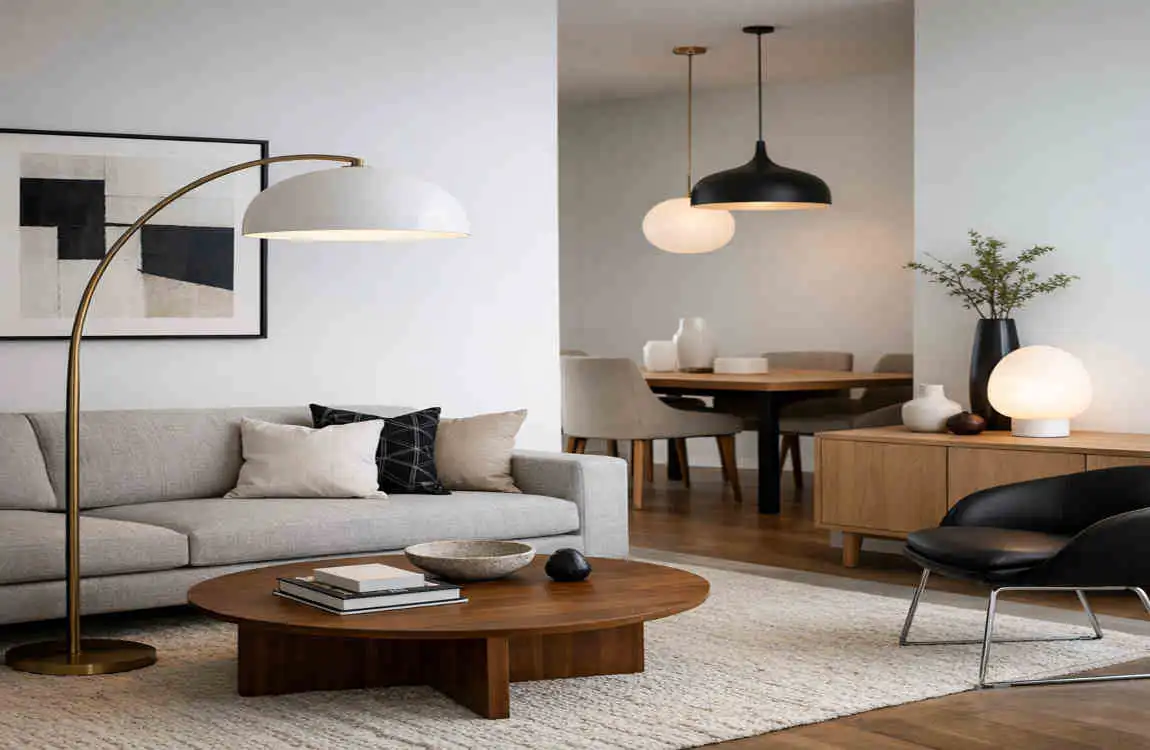
If your furniture has straight lines, a curved lamp can add softness. If the room feels too soft, a clean-lined lamp can bring structure.
Mix Textures Carefully
A mix of metal, wood, glass, and fabric can make a room feel richer. Just keep the mix balanced.
Layer Lighting
Use more than one light source in each room when possible. This makes the space more flexible and comfortable.
Keep a Consistent Colour Palette
You do not need every lamp to match exactly. But they should still feel connected through colour or finish.
Use Statement Lamps Sparingly
A bold lamp can look amazing, but only if you use it in the right place. Too many statement pieces can make the room feel crowded.
Frequently Asked Questions
What is the best lamp style for modern home décor?
Minimalist, Scandinavian, contemporary, and mid-century modern lamps are some of the best choices.
How do I match a lamp with my furniture?
Choose lamps that work with your furniture’s colour, shape, and material. Keep the proportions balanced.
What colour light is best for modern homes?
Warm white (2700K–3000K) works well for cozy rooms, while neutral white (3500K–4000K) is good for kitchens and offices.
Are LED lamps better than traditional bulbs?
Yes. LED lamps use less energy, last longer, and reduce electricity costs.
How many lamps should a living room have?
Most living rooms work well with two to four light sources, depending on the size and layout.
| Aspect | Information |
|---|---|
| Purpose | Select lamps that improve lighting while complementing modern home décor. |
| Best Lamp Styles | Floor lamps, table lamps, pendant lights, wall sconces, and minimalist desk lamps. |
| Design Style | Choose clean lines, simple shapes, and uncluttered designs for a modern look. |
| Recommended Materials | Metal, glass, marble, wood, concrete, and matte finishes. |
| Popular Colors | Black, white, gray, brushed gold, chrome, and natural wood tones. |
| Lighting Type | Use warm white (2700K–3000K) for living spaces and neutral white (3500K–4000K) for work areas. |
| Lamp Size | Match the lamp size to the room and furniture to maintain visual balance. |
| Energy Efficiency | Choose LED bulbs to reduce energy use and increase bulb lifespan. |
| Smart Features | Consider smart lamps with dimming, voice control, or app connectivity. |
| Placement Tips | Place table lamps on side tables, floor lamps beside sofas, and pendant lights above dining tables or kitchen islands. |
| Common Mistakes | Avoid oversized lamps, harsh lighting, mismatched styles, and poor placement. |
| Best For | Living rooms, bedrooms, dining rooms, home offices, and entryways. |
