
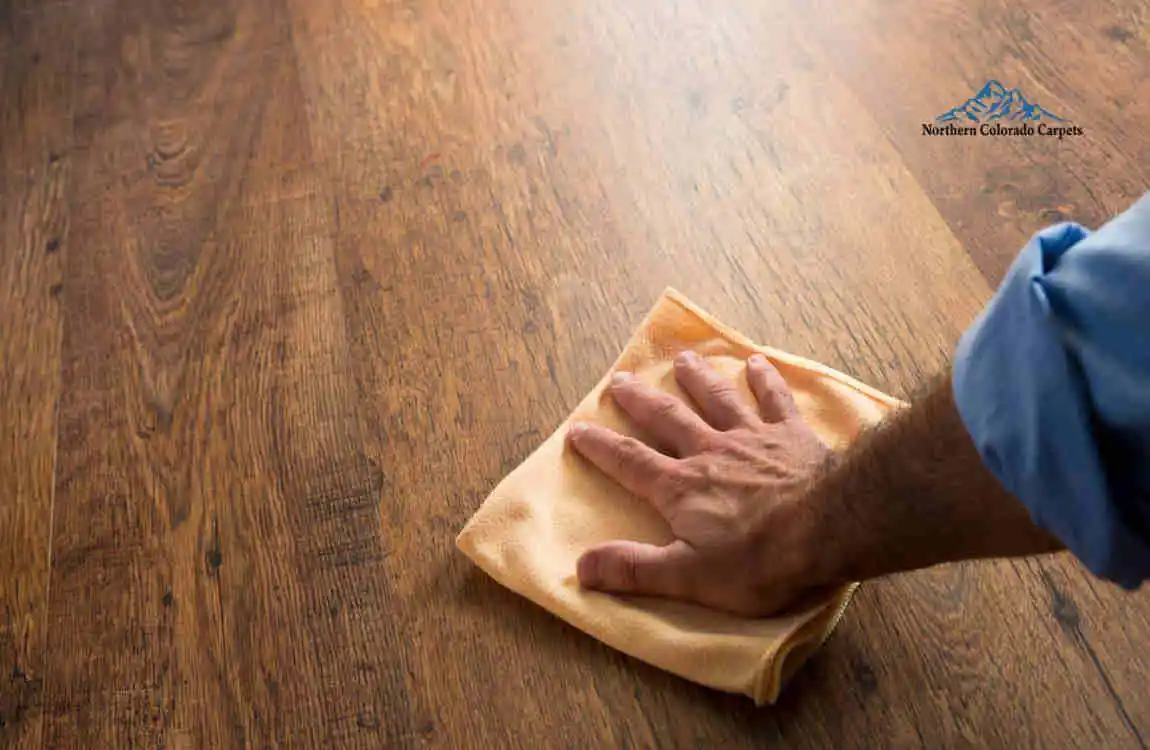
If your laminate flooring looks old, faded, or does not match your current home décor, you may wonder, “Can I paint laminate flooring?” The good news is that painting laminate flooring is possible when you prepare the surface properly and use the right products.
Laminate is not the same as natural wood. It usually has a smooth protective layer that can make it difficult for ordinary paint to stick. That is why cleaning, light sanding, proper primer, and durable floor paint are important.
Painting can be a budget-friendly way to give an older floor a new appearance without immediately replacing the entire surface. However, it works best when the existing laminate is still in reasonably good condition.
Can I Paint Laminate Flooring?
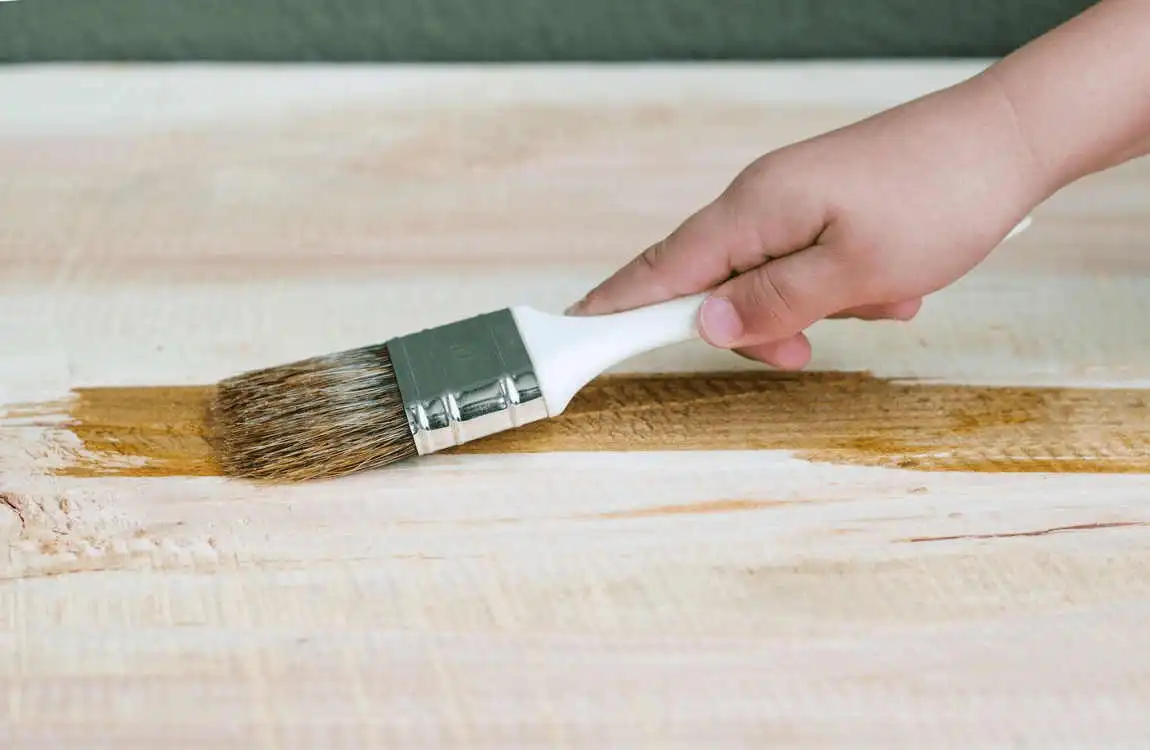
Yes, you can paint laminate flooring, but you should not treat it exactly like a wooden floor.
Laminate has a hard, smooth surface designed to resist stains and everyday wear. While this is useful for normal flooring, it also makes paint adhesion more difficult.
The key is proper preparation. You need to remove dirt and grease, lightly prepare the surface, apply a suitable primer, and then use durable floor paint.
Painting is usually more practical in bedrooms, guest rooms, offices, and other areas with lighter foot traffic. Floors in busy hallways or entryways may experience faster wear.
Before starting, inspect the flooring carefully. If boards are swollen, badly warped, loose, or seriously damaged, painting will not solve the underlying problem.
What to Consider Before Painting Laminate Flooring
Condition of the Floor
Start by checking the condition of your laminate. Look for scratches, cracks, peeling surfaces, swelling, and damaged boards.
Minor scratches and imperfections can often be prepared before painting. However, badly swollen or structurally damaged boards may need replacement.
Paint can change the appearance of your floor, but it cannot repair serious physical damage.
Location and Foot Traffic
Think about where the laminate is installed.
A bedroom usually receives less traffic than an entryway, kitchen, or hallway. High-traffic areas can cause painted surfaces to wear more quickly.
If you decide to paint a busy floor, focus carefully on preparation and choose a durable, floor-grade coating.
Type of Laminate
Different laminate floors can have different surface finishes. Older flooring may have a worn or textured surface, while newer laminate can have a very smooth protective layer.
A smoother surface generally requires more attention during preparation because paint needs something suitable to grip.
What You Need to Paint Laminate Flooring
Before starting your project, gather your materials:
- Broom or vacuum
- Mild floor cleaner
- Sandpaper or sanding block
- Suitable primer
- Durable floor or porch paint
- Paint roller
- Paintbrush
- Painter’s tape
- Protective gloves
- Suitable clear protective topcoat
Having everything ready before you begin makes the project easier and helps prevent interruptions between coats.
How to Paint Laminate Flooring Step by Step
Clean the Floor Thoroughly
Start by removing furniture, rugs, dust, and loose debris.
Vacuum or sweep the entire floor. Then clean it with a suitable mild floor cleaner to remove dirt and grease.
Allow the surface to dry completely before moving to the next step. Any moisture or residue can interfere with primer and paint adhesion.
Repair Damaged Areas
Inspect the floor again after cleaning.
Deal with minor imperfections before painting. If a board is severely swollen, broken, or loose, consider replacing it rather than simply painting it.
A smooth and stable surface will give you a much better final result.
Lightly Sand the Surface
Light sanding can help smooth the laminate’s protective surface and improve adhesion.
The goal is not to sand through the laminate aggressively. Use gentle pressure and prepare the surface evenly.
After sanding, remove all dust before applying primer.
Apply a Suitable Primer
Primer is one of the most important steps when painting laminate flooring.
Choose a primer designed to bond to smooth or difficult surfaces. Apply a thin, even layer and follow the product’s recommended drying time.
Skipping primer may result in poor adhesion, peeling, or premature wear.
Apply the Paint
Once the primer has dried properly, apply your chosen floor paint.
Use a roller for larger areas and a brush for edges and corners. Apply thin, even coats rather than one thick layer.
Allow each coat to dry according to the manufacturer’s instructions before applying the next coat.
Add a Protective Topcoat
A compatible clear protective coating can add another layer of protection to painted laminate.
This can be especially useful in areas that experience regular foot traffic. Make sure the topcoat is compatible with both the paint and the flooring project.
Let the Floor Cure
Do not confuse being dry with being fully cured.
Paint may feel dry to the touch while still needing additional time to harden and become durable. Keep heavy furniture and regular foot traffic away from the floor during the recommended curing period.
Following the product instructions can help prevent dents, marks, and premature damage.
Best Paint for Laminate Flooring
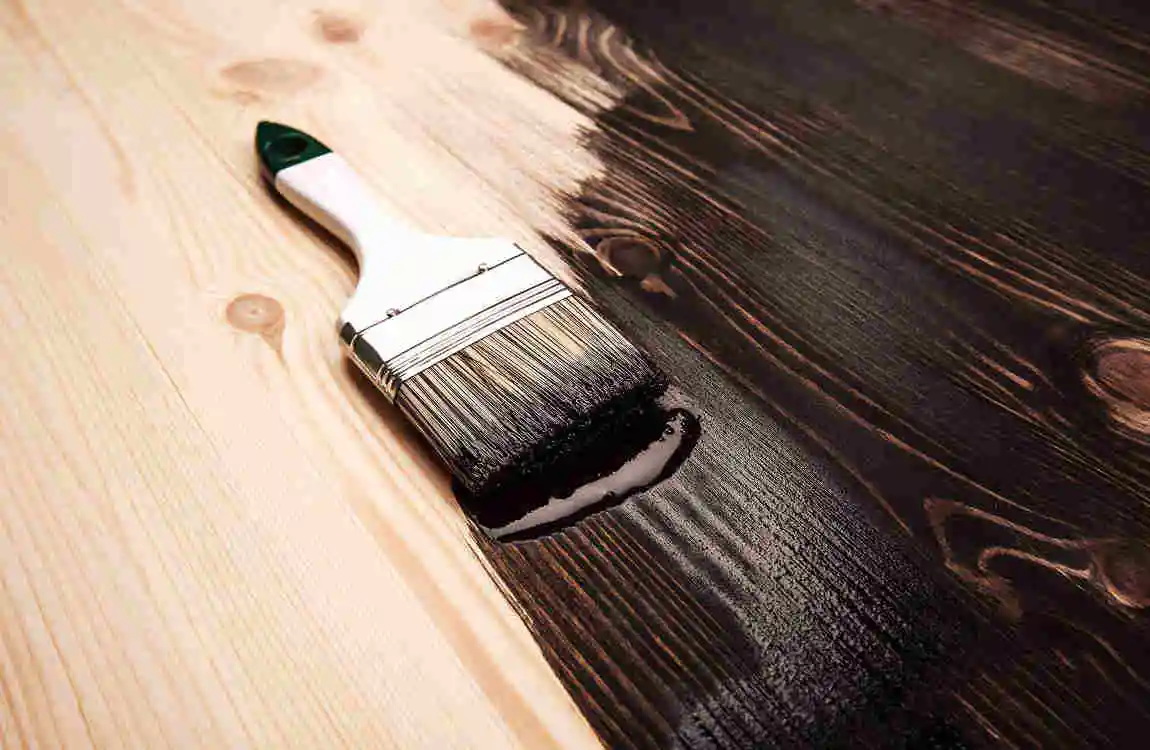
The best paint for laminate flooring should be durable, suitable for flooring, and able to withstand regular foot traffic.
Floor paint and porch paint are common choices because they are generally designed to withstand more wear than ordinary interior wall paint.
Avoid using standard wall paint as your main floor coating. Wall paint is not typically designed to withstand repeated foot traffic, furniture movement, and floor cleaning.
When selecting a finish, consider the appearance you want:
- Matte: Soft and understated
- Satin: Balanced appearance with some sheen
- Semi-gloss: Brighter and easier to visually clean
Always check that the products you choose are compatible with your specific application.
Should You Use a Primer?
In most laminate painting projects, primer is strongly recommended.
Laminate’s smooth surface can make paint adhesion difficult. A suitable bonding primer creates a better base for the paint and can improve the overall durability of the finish.
Pros and Cons of Painting Laminate Flooring
ProsCons
Affordable makeover Paint can wear over time
Changes the floor color Requires careful preparation
Can improve the appearance Not suitable for badly damaged laminate
Delays immediate replacement May require touch-ups
DIY-friendly project Requires curing time
Painting can be an attractive option when your existing laminate is structurally sound, but you want a different appearance.
Common Mistakes to Avoid When Painting Laminate
A successful project depends heavily on preparation. Avoid these common mistakes:
- Skipping the cleaning process
- Using ordinary wall paint
- Applying thick coats
- Skipping suitable primer
- Sanding too aggressively
- Painting over loose or badly damaged boards
- Walking on the floor before it has cured
- Ignoring the manufacturer’s drying instructions
Taking your time is usually better than trying to finish the project as quickly as possible.
How Long Does Painted Laminate Flooring Last?
There is no single lifespan for painted laminate flooring. Durability depends on surface preparation, paint quality, foot traffic, cleaning habits, and the protective coating used.
A painted floor in a lightly used bedroom may remain attractive longer than one in a busy entryway.
Eventually, high-use areas may show scratches or worn spots. Small areas can sometimes be touched up instead of repainting the entire floor.
How to Maintain Painted Laminate Flooring
Proper maintenance can help your painted floor stay attractive for longer.
Sweep or vacuum regularly to prevent dirt and grit from scratching the surface. Clean spills quickly and use a suitable non-abrasive cleaner.
Avoid soaking the floor with water. Excessive moisture can be harmful to laminate and may also affect the painted finish.
Use furniture pads under chairs, tables, and other heavy items. Avoid dragging furniture across the floor.
When Should You Replace Laminate Instead of Painting It?
Painting makes sense when the existing flooring is stable and generally in good condition.
Replacement may be a better choice when the laminate has extensive swelling, severe warping, broken boards, or significant structural damage.
Remember, paint is mainly a cosmetic solution. It can change the color and appearance of your floor, but it cannot fix serious problems underneath.
If the existing flooring is badly damaged, spending money on paint and preparation may not provide the long-term value you expect.
Can You Paint Laminate Flooring Without Sanding?
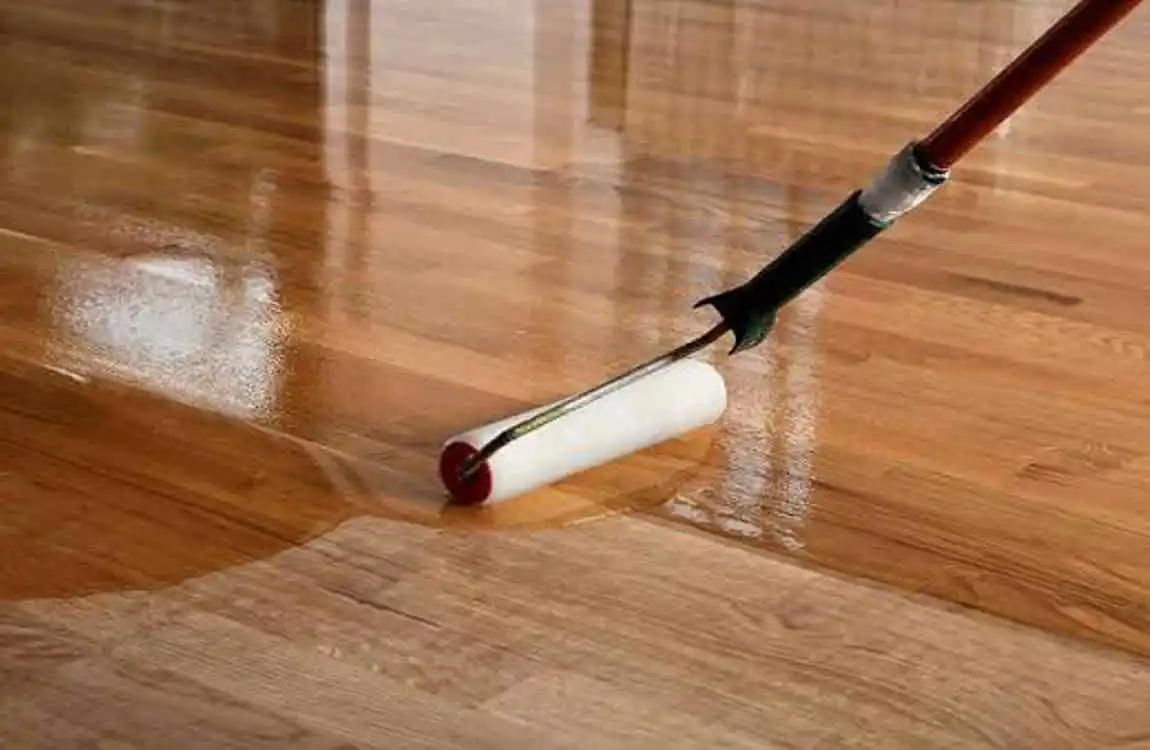
Yes, it may be possible to paint laminate without traditional sanding when you use an appropriate adhesion primer. However, surface preparation remains important.
If you skip sanding, the floor still needs to be clean, dry, and properly prepared.
Light sanding can improve adhesion on some surfaces, but you should never sand aggressively enough to damage the laminate.
For the best approach, follow the instructions provided for your chosen primer and paint.
Is Painting Laminate Flooring Worth It?
For many homeowners, painting laminate flooring can be a practical, budget-friendly makeover.
It can give an outdated floor a completely different appearance without the immediate cost and disruption of full replacement.
However, you should have realistic expectations. Painted laminate is still a painted surface and may eventually require maintenance, particularly in high-traffic areas.
If your laminate is in good condition and you want a fresh color, painting can be worth considering. If the flooring is badly damaged, replacement is usually the more sensible solution.
Frequently Asked Questions
Can I paint laminate flooring without replacing it?
Yes. You can paint laminate without replacing it if the flooring is stable and in reasonable condition. Proper cleaning, preparation, primer, and durable floor paint are essential.
What kind of paint will stick to laminate flooring?
A durable floor or porch paint designed for suitable surfaces can be a better choice than ordinary wall paint. Use it with a compatible bonding primer when recommended.
Do I need to sand laminate flooring before painting?
Light sanding can improve paint adhesion, but aggressive sanding should be avoided. In some cases, a suitable adhesion primer may be used instead.
Can I paint laminate flooring in a kitchen?
You can, but kitchens are prone to moisture, spills, cleaning, and frequent foot traffic. Proper preparation and durable products are especially important.
How many coats of paint should I use on laminate flooring?
The number of coats depends on the paint and the desired coverage. Thin, even coats are generally preferable to one thick coat. Follow the product instructions.
Can painted laminate flooring be mopped?
Yes, but use a suitable cleaner and avoid excessive water. Gentle cleaning is better for protecting the painted finish.
How long does painted laminate flooring take to dry?
Drying time varies by product, temperature, humidity, and ventilation. Always follow the paint and primer manufacturer’s recommended drying and curing times.
How can I make painted laminate flooring more durable?
Good preparation is the first step. Use a suitable primer, durable floor paint, and compatible protective topcoat. Allow the floor to cure fully before regular use.
Can I paint laminate flooring to look like wood?
Yes. With careful color selection and painting techniques, you can create a wood-inspired appearance. However, the result will be a painted finish rather than genuine wood grain.
Is painting laminate flooring cheaper than replacing it?
Painting can be less expensive than replacing an entire floor, particularly when the existing laminate is still structurally sound. However, compare material costs, preparation time, labor, and expected durability before deciding.
| Step | What to Do | Quick Tip |
|---|---|---|
| Clean | Remove dirt, dust, and grease. | Use a mild floor cleaner. |
| Sand | Lightly sand the laminate surface. | This helps the paint stick better. |
| Prime | Apply a quality bonding primer. | Choose one designed for smooth surfaces. |
| Paint | Use durable floor or porch paint. | Apply thin, even coats. |
| Dry | Let each coat dry completely. | Follow the paint manufacturer’s drying time. |
| Seal | Add a clear protective topcoat if recommended. | This can improve durability. |
