Close Menu

    Subscribe to Updates

    Get the latest creative news from FooBar about art, design and business.

    What's Hot

    Ultimate DIY Guide: How to Install Life Proof Vinyl Flooring Like a Pro

    March 21, 2026

    Is a Home Inspection Tax Deductible? Key Rules for Buyers and Investors

    March 20, 2026

    How to Paint a New House Interior: Pro Tips for Flawless, Eco-Friendly Results

    March 20, 2026
    Facebook X (Twitter) Instagram
    Facebook X (Twitter) Instagram
    Crazzy Homes
    Button
    • HOME
    • HOME IMPROVEMENT
      • HOME DECOR
      • ARCHITECTURE
      • FURNITURE
      • FLOORING
      • CLEANING
      • INTERIOR
        • BEDROOM
        • BATHROOM
        • DOORS
        • WINDOW
      • EXTERIOR
        • GARDENING
    • CELEBRITY HOME

      John Riggins’ Luxurious Potomac River House: Inside the NFL Legend’s Modern Retreat

      March 18, 2026

      Nancy Walton Laurie’s Luxurious Short House Tour: Inside the Walmart Heiress’s Bel-Air Mansion

      March 14, 2026

      Jennifer Meyer’s Luxurious Homes: Inside the Jewelry Designer’s Lavish LA Properties

      March 14, 2026

      Inside Todd Frazier’s $5M Lakefront Ranch: MLB Star’s Texas Dream Home Tour

      March 13, 2026

      Chase Briscoe House: Inside His $1.8M Monroe NC Mansion & Acreage Short Tour

      March 13, 2026
    • Real Estate
    • PLUMBING
    • KITCHEN
      • APPLIANCES
    • LIFE STYLE
    Crazzy Homes
    Home » Ultimate DIY Guide: How to Install Life Proof Vinyl Flooring Like a Pro
    FLOORING

    Ultimate DIY Guide: How to Install Life Proof Vinyl Flooring Like a Pro

    Stella VictoriaBy Stella VictoriaMarch 21, 2026No Comments20 Mins Read
    Facebook Twitter Pinterest LinkedIn Tumblr Email
    how to install lifeproof vinyl flooring
    Share
    Facebook Twitter LinkedIn Pinterest Email

    A lot of homeowners start their flooring project feeling excited, then get overwhelmed the second they see planks, tools, and installation instructions spread across the room. The good news is that learning how to install LifeProof vinyl flooring is much easier than it looks. In fact, many people finish a standard room in a single weekend, even if it’s their first time installing flooring.

    Picture this for a moment. You walk into your kitchen on Friday evening, and the floor looks dated, scratched, and impossible to keep clean. By Sunday afternoon, that same room has a fresh wood-look surface, clean lines, and a professional finish that makes the whole space feel newer. That’s exactly why LifeProof flooring has become so popular with DIY homeowners.

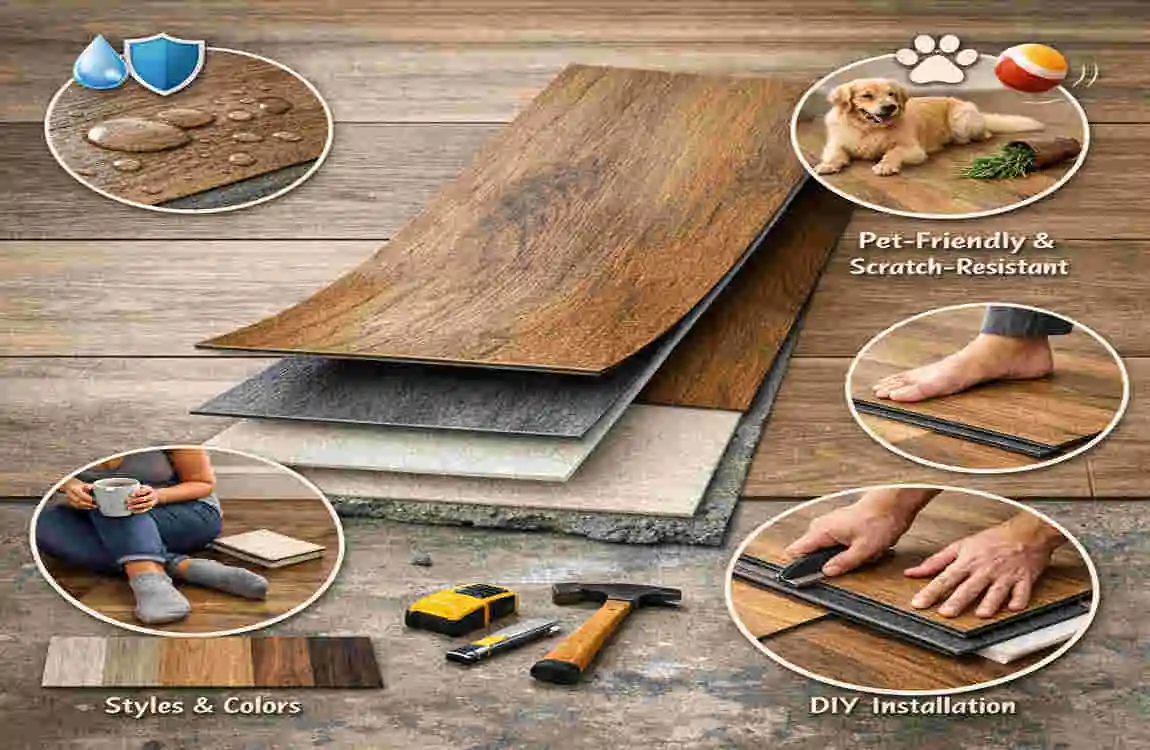
    Life Proof vinyl flooring is known for being waterproof, durable, and beginner-friendly. It comes in realistic wood and stone looks, holds up well to kids and pets, and is sold at Home Depot, making it easy to find. Many versions also include an attached underlayment pad and a click-lock system, so you can install it as a floating floor without having to apply glue across the whole room.

    And let’s be honest—DIY saves serious money. Professional installation can quickly add thousands of dollars to a project. When you handle the work yourself, you can often save 50% to 70% on labor costs. For many homes, that means a much better floor without blowing the budget.

    Table of Contents

    Toggle
    • What Makes Life Proof Vinyl Flooring Ideal for DIY Installs?
      • A Click-Lock System That Makes Installation Easier
      • Waterproof Performance for Real Life
      • Durable Enough for Kids, Pets, and Heavy Traffic
      • A Good Middle Ground Between Price and Performance
      • Better for DIY Than Many Traditional Flooring Options
    • Tools and Materials Needed for LifeProof Vinyl Flooring Installation
      • Essential Tools Checklist
      • Materials You’ll Need
      • Estimated Cost Table
    • Preparing Your Space: Step-by-Step Surface Prep Before Installing Life Proof Vinyl
      • Clear the Room Completely
      • Inspect the Subfloor for Flatness
      • Repair Problems Before You Install
      • Clean the Surface Thoroughly
      • Let the Flooring Adjust to the Room
      • Common Prep Mistakes to Avoid
    • How to Install LifeProof Vinyl Flooring: Complete Step-by-Step Instructions
      • Plan Your Layout
      • Measure the Room Carefully
      • Choose the Best Starting Wall
      • Stagger the End Joints
      • Install the First Row
      • Place Spacers Along the Wall
      • Connect the First Planks
      • Cut the Last Plank in the Row
      • Double-Check Alignment
      • Lay the Remaining Rows
      • Start the Next Row with a Staggered Piece
      • Keep the Seams Tight
      • Work Row by Row Across the Room
      • Cut Around Floor Vents and Obstacles
      • Stay Patient in the Middle of the Room
      • Handle Tricky Areas and Cuts
      • Undercut Door Jambs for a Cleaner Look
      • Fit Planks Into Tight Spaces
      • Make Custom Notches Carefully
      • Keep Expansion Space Everywhere
      • Install the Final Row and Finish the Room
      • Measure the Final Row Width
      • Rip the Planks Lengthwise
      • Remove the Spacers
      • Install Transitions and Reattach Trim
      • Do a Walk-Through and Let the Floor Settle
      • Check for Common Problems
      • Give the Floor Time Before Heavy Use
    • Troubleshooting Common Issues During LifeProof Vinyl Plank Installation
      • Gaps Between Planks
      • Planks Won’t Click Together
      • The Floor Feels Uneven or Bouncy
      • Height Differences at Doorways
      • End Joints Keep Looking Too Patterned
    • Maintenance Tips to Keep Your LifeProof Vinyl Flooring Looking New
      • Clean It Regularly, But Gently
      • Skip Harsh Cleaning Methods
      • Protect High-Traffic Areas
    • Cost Savings and ROI of DIY LifeProof Vinyl Flooring Install
    • FAQs: How to Install LifeProof Vinyl Flooring
      • Can I install LifeProof vinyl flooring over tile?
      • Is LifeProof flooring good for bathrooms?
      • How long does installation take?
      • Do I need underlayment under LifeProof vinyl flooring?
      • Can I install it in a basement?
      • What direction should I lay the planks?
      • What’s the biggest mistake beginners make?

    What Makes Life Proof Vinyl Flooring Ideal for DIY Installs?

    how to install lifeproof vinyl flooring

    Before you start laying planks, it helps to understand why this type of flooring works so well for first-time installers.

    A Click-Lock System That Makes Installation Easier

    One of the biggest reasons homeowners choose LifeProof is the click-lock design. Instead of gluing every plank to the floor, you connect the planks by locking the edges into place. This creates a floating floor that sits over the subfloor.

    That means less mess, fewer specialty tools, and a much simpler learning curve.

    If you can measure carefully, cut straight lines, and work patiently row by row, you can usually handle LifeProof vinyl plank installation without hiring a pro.

    Waterproof Performance for Real Life

    LifeProof flooring is popular because it’s built for busy homes. It stands up well to spills, wet shoes, pet bowls, and everyday messes. That’s a huge advantage in places like:

    • Kitchens
    • Bathrooms
    • Laundry rooms
    • Basements
    • Entryways

    Unlike some laminate products, vinyl plank flooring handles moisture much better. That gives you more flexibility in where you install it.

    Durable Enough for Kids, Pets, and Heavy Traffic

    If you have a house full of activity, you need a floor that can keep up. LifeProof flooring is designed to resist scratches, stains, and wear better than many basic flooring options.

    That doesn’t mean it’s indestructible, but it does mean you won’t need to panic every time a chair scrapes across the floor or the dog runs through the room.

    A Good Middle Ground Between Price and Performance

    Another reason people search for LifeProof vinyl plank flooring benefits for homeowners is simple: it offers strong value.

    In many cases, material costs range from about $1.50 to $4 per square foot, though premium styles can run higher. If you buy your own tools, you may spend another $100 to $200 depending on what you already have. Even so, it’s still usually cheaper than many hardwood or fully professional flooring installs.

    Better for DIY Than Many Traditional Flooring Options

    Compared with tile, hardwood, or glue-down vinyl, LifeProof is often much easier for beginners.

    Here’s why:

    • No full-room mortar or adhesive setup
    • No sanding or finishing
    • No nail gun required for the main install
    • Faster installation in most average-size rooms
    • Less cleanup after the job

    That combination of durability, waterproofing, and easy install design is what makes it such a strong choice for DIY projects.

    Tools and Materials Needed for LifeProof Vinyl Flooring Installation

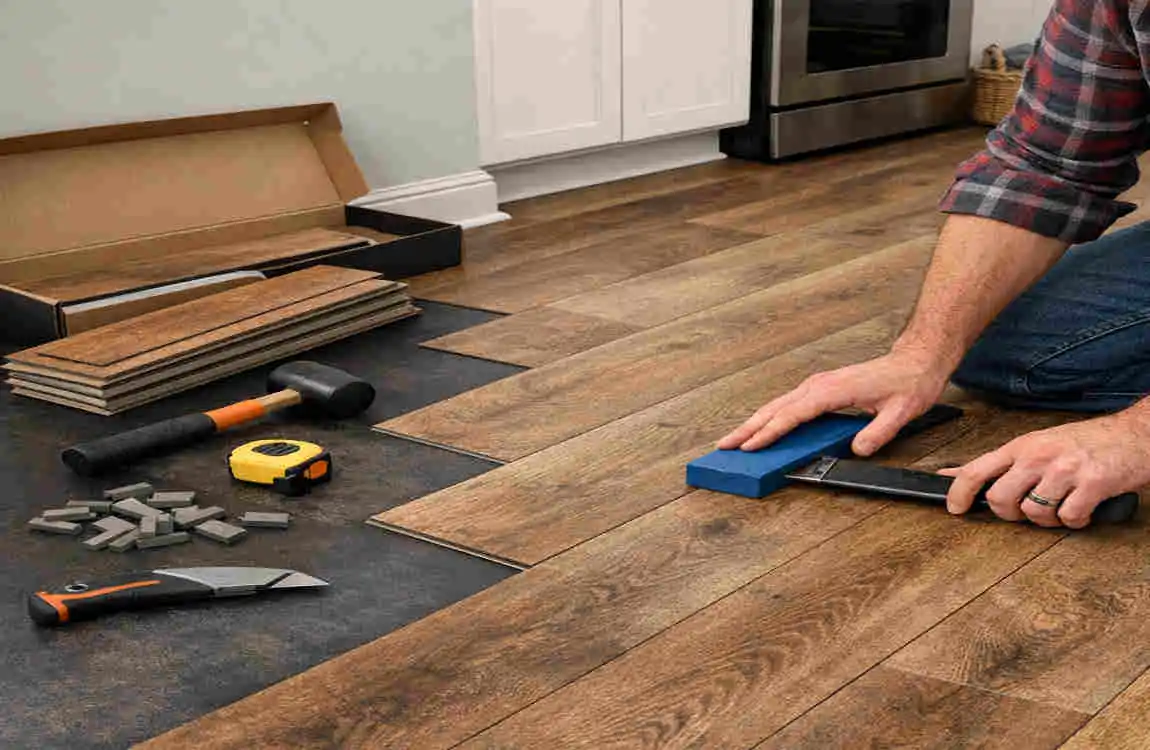
    Before you begin, get everything in the room and ready to go. Nothing slows a project down faster than stopping halfway through the first row because you forgot spacers or a tapping block.

    Essential Tools Checklist

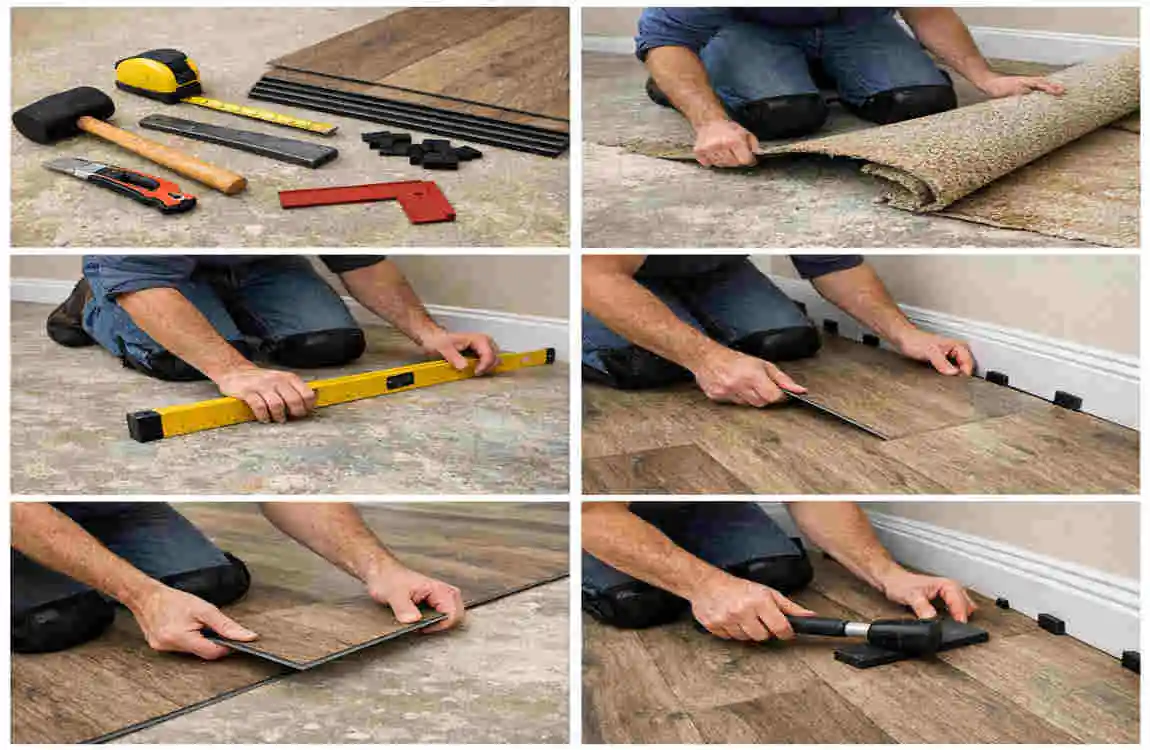
    Here are the main tools needed for LifeProof vinyl flooring installation:

    • Tape measure for room dimensions and plank cuts
    • Straightedge or speed square for marking clean cut lines
    • Chalk line for layout planning
    • Utility knife for scoring and snapping many planks
    • Flooring cutter for faster, cleaner repetitive cuts
    • Jigsaw or oscillating multi-tool for vents, door jambs, and curves
    • Tapping block to help lock planks without damaging the edges
    • Rubber mallet for gentle tapping
    • Pull bar for tight spaces near walls
    • 1/4-inch spacers for expansion gaps
    • Pry bar for removing baseboards or trim
    • Vacuum or broom for cleaning the subfloor
    • Level or long straightedge to check floor flatness
    • Knee pads to save your back and knees

    Materials You’ll Need

    You’ll also want these materials ready:

    • LifeProof vinyl planks
    • Extra planks for waste and cuts
    • Buy about 10% extra for standard rooms. If the room has many angles or obstacles, go closer to 12%-15%.
    • Transition strips for doorways or height changes
    • Quarter-round or shoe molding if needed
    • Floor patch or leveling compound for low spots
    • Concrete filler or crack repair, if installing over concrete
    • Mild floor cleaner
    • Optional moisture barrier or adhesive, only if required by your specific product and room conditions

    Pro Tip: If you’re flooring a large area, renting a flooring cutter can make the work faster and cleaner. Many rental shops have them for around $30 per day.

    Estimated Cost Table

    Item Purpose Approx. Cost

    Life Proof Planks Main flooring material $2–5/sq ft

    Utility Knife Scoring and cutting planks $10–15

    Spacers Creates expansion gap $5–10/pack

    Tapping Block Helps lock planks together $10–15

    Pull Bar Tight fits near walls $10–20

    Rubber Mallet Gentle tapping during install $10–15

    Jigsaw Cuts around vents and curves $40–100

    Floor Leveling Compound Fixes low spots in subfloor $20–40

    Transition Strips Finishes doorways and edges $15–30 each

    Flooring Cutter Rental Speeds up straight cuts $30/day

    If you already own basic hand tools, your out-of-pocket setup cost may be fairly low. That’s one of the biggest reasons this project is so attractive for homeowners.

    Preparing Your Space: Step-by-Step Surface Prep Before Installing Life Proof Vinyl

    If you want the floor to look good and last, prep work matters just as much as installation.

    Many DIY problems stem from rushing this stage. Gaps, bouncing planks, uneven seams, and locking issues often start with a subfloor that wasn’t cleaned or leveled properly.

    Clear the Room Completely

    Start by removing all furniture, rugs, appliances, and anything else in the way.

    Then carefully remove the baseboards or shoe molding. Use a pry bar and work slowly to avoid cracking the trim. If you plan to reuse the trim, label each piece as you remove it. That makes reinstallation much easier later.

    If there’s old flooring in place, check whether your new floor can go over it. In some cases, you can install over existing tile, vinyl, or other hard surfaces if they are flat, secure, and in good condition. Soft surfaces like carpet must come out.

    Inspect the Subfloor for Flatness

    This step is critical.

    LifeProof flooring requires a clean, dry, and flat subfloor. As a general guideline, the floor should not vary more than about 1/8 inch over 6 feet. However, you should always check the exact product instructions on your box.

    Use a long straightedge or level to check for:

    • High spots
    • Dips
    • Cracks
    • Loose panels
    • Squeaks
    • Moisture issues

    If you’re installing over plywood, tighten any loose sections with screws. If you’re working over concrete, inspect for cracks and moisture issues before proceeding.

    Repair Problems Before You Install

    It can be tempting to think, “The planks will cover it.” They won’t.

    Floating vinyl flooring follows the surface under it. So if the subfloor has a bump, dip, or damaged area, you’ll usually feel it underfoot after installation.

    Fix these issues first:

    • Fill cracks or chips in concrete
    • Sand down high spots
    • Use leveling compound in low spots
    • Replace damaged subfloor sections
    • Secure loose boards to stop movement

    If you skip this stage, your floor may click, shift, or separate later.

    Clean the Surface Thoroughly

    Once repairs are complete, clean everything thoroughly.

    Sweep, vacuum, and wipe away dust, dirt, grease, and debris. Even small bits left behind can interfere with how the planks sit together.

    Pay special attention to corners, edges, and around doorways.

    Let the Flooring Adjust to the Room

    Many homeowners ask whether acclimation matters.

    The safest answer is this: follow the instructions for your exact LifeProof product. Some rigid-core vinyl products are less sensitive than traditional materials. Still, if the planks were stored in a garage, truck, or cold warehouse, it’s smart to bring them into the room and let them acclimate to normal indoor conditions first.

    A common DIY practice is to let the boxes rest in the room for 24 to 48 hours, especially if temperatures have been extreme.

    Common Prep Mistakes to Avoid

    Here are a few mistakes that cause trouble later:

    • Installing over a dirty subfloor
    • Ignoring low spots or humps
    • Forgetting expansion gaps
    • Starting before the room temperature is stable
    • Installing over damaged existing flooring
    • Skipping manufacturer instructions for your specific product line

    Good prep doesn’t feel exciting, but it’s what makes the final floor look smooth and professional.

    How to Install LifeProof Vinyl Flooring: Complete Step-by-Step Instructions

    how to install lifeproof vinyl flooring

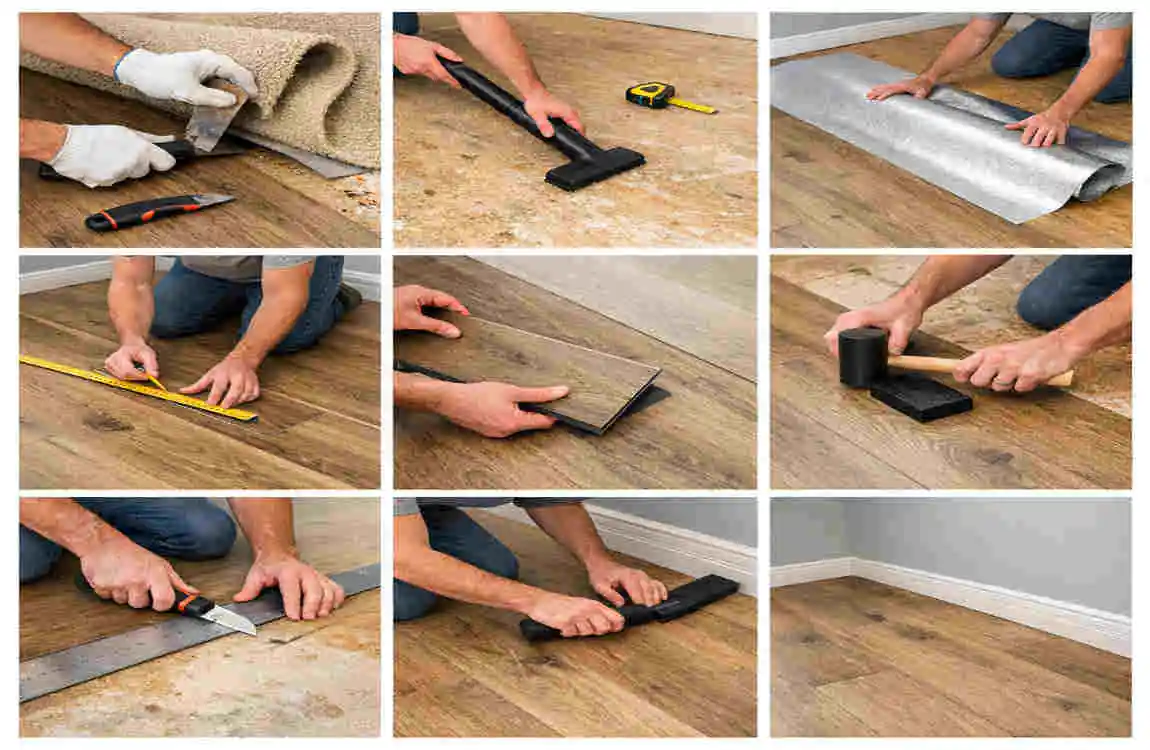
    Now let’s get into the heart of the project: how to install LifeProof vinyl flooring from start to finish.

    Plan Your Layout

    Before you click in a single plank, take a little time to plan.

    Measure the Room Carefully

    Measure the room’s length and width, then calculate the square footage. Then check how many rows of planks the space will need.

    This helps you avoid a common DIY mistake: ending up with a final row that’s too narrow and looks awkward.

    Try to balance the layout so the first and last rows are both a reasonable width. If your last row would end up very thin, rip the first row slightly narrower so the room looks more even.

    Choose the Best Starting Wall

    Most installers start along the longest, straightest wall. This gives you a cleaner reference line and helps keep the rows aligned.

    If one wall is noticeably crooked, don’t assume the room is square. Snap a chalk line and use that as your guide if needed.

    Stagger the End Joints

    For a natural look and better strength, stagger the plank seams from row to row.

    A good rule is to offset end joints by 6 to 8 inches, or to follow the manufacturer’s specific spacing. Avoid creating a repeating pattern that looks too obvious.

    Install the First Row

    The first row sets the tone for the whole job. If it starts crooked, the rest of the floor gets harder with every row.

    Place Spacers Along the Wall

    Set 1/4-inch spacers between the planks and the wall. This gap allows the floating floor to expand and contract with changes in temperature and humidity.

    Do not skip this.

    Even though vinyl is stable, it still needs room to move slightly.

    Connect the First Planks

    Lay the first plank in place with the correct side facing the wall, according to the locking profile. Then attach the next plank by angling it and clicking the short end into place.

    Work carefully and make sure each connection is fully locked before moving on.

    Use your tapping block and mallet only as needed. Gentle taps are enough. Too much force can damage the edges.

    Cut the Last Plank in the Row

    When you reach the wall, measure the remaining space and subtract the expansion gap.

    Mark the plank, score it with a utility knife, and snap it if your product allows. For tougher cuts or thicker rigid planks, a flooring cutter or saw may work better.

    If the leftover piece is long enough, you may be able to use it to start the next row. That reduces waste and helps maintain seam staggering.

    Double-Check Alignment

    Before you keep going, step back and inspect the first row. It should be straight, locked tightly, and spaced correctly from the wall.

    Take your time here. Fixing a small issue now is much easier than redoing three rows later.

    Lay the Remaining Rows

    Once the first row is set, the installation usually moves faster.

    Start the Next Row with a Staggered Piece

    Use a cut piece from the previous row if it’s long enough to maintain the proper seam offset. If not, cut a new starter plank.

    Angle the long side of the plank into the previous row and lower it into place. Then connect the short end to the next plank.

    Some products lock more easily if you connect the short end first, while others work better if you connect the long end first. Again, follow the instructions for your exact style.

    Keep the Seams Tight

    As you work, check each plank for visible gaps. If you see one, stop and correct it.

    Sometimes a small piece of debris is blocking the tongue-and-groove. Other times the plank simply needs to be lifted and re-seated.

    Use a tapping block and pull bar where needed, but don’t pound aggressively. These products are durable, but the locking edges can still get damaged if you force them.

    Work Row by Row Across the Room

    Continue laying rows while checking three things regularly:

    1. Are the seams staggered well?
    2. Are the rows staying straight?
    3. Are the locking edges fully engaged?

    If you notice the floor drifting off line, fix it early. Small alignment issues get bigger fast.

    Cut Around Floor Vents and Obstacles

    Most rooms have at least a few tricky spots.

    For vents, measure carefully and mark the plank. A jigsaw or oscillating tool works well for rectangular cutouts.

    For pipes, drill a hole slightly larger than the pipe diameter to allow movement. Then make a cut to the edge of the plank so you can fit it around the pipe and glue the small cut piece back in behind it if needed.

    These cuts don’t have to look perfect if trim, vent covers, or escutcheon rings will cover them—but they should still be neat and planned.

    Stay Patient in the Middle of the Room

    This is the stage where people get overconfident and rush.

    Don’t.

    The middle rows may feel repetitive, but consistency is what creates a professional-looking result. Keep checking your seams, clean out debris, and make sure every click connection is fully locked before moving on.

    That steady pace is one of the best DIY LifeProof flooring tips you can follow.

    Handle Tricky Areas and Cuts

    Most of the room is straightforward. The edges, doorways, and odd angles are what separate a rushed install from a polished one.

    Undercut Door Jambs for a Cleaner Look

    Instead of cutting the flooring to match the trim, undercut the door casing so the plank slides underneath.

    This creates a much cleaner finish.

    Use a scrap piece of plank plus underlayment (if applicable) as a height guide, then cut the casing with an oscillating tool or jamb saw.

    Once the trim is undercut, the flooring will slip underneath, creating a much more professional look than a rough outline cut.

    Fit Planks Into Tight Spaces

    Near walls, cabinets, or door frames, you may not have enough space to angle the plank normally.

    That’s where a pull bar becomes very useful. You can hook it over the edge of the plank and tap it gently to tighten the seam.

    Take your time in these sections. Tight spaces often need several test fits before everything locks correctly.

    Make Custom Notches Carefully

    For corners, built-ins, vents, or irregular edges, mark the shape directly on the plank using a pencil and straightedge.

    Then cut slowly. It’s usually better to remove a little less material first and test the fit than to overcut and ruin the piece.

    If the cut edge will be covered by trim, you have a little margin for error. If it will stay visible, precision matters much more.

    Keep Expansion Space Everywhere

    Don’t forget that expansion gaps matter around the whole perimeter, not just the first wall.

    Maintain the proper gap near:

    • Walls
    • Door frames
    • Cabinets
    • Fixed islands
    • Posts
    • Pipes

    A floating floor needs that space to perform correctly.

    Install the Final Row and Finish the Room

    The last row often takes longer than you expect, because it usually needs to be cut lengthwise.

    Measure the Final Row Width

    Measure from the second-to-last row to the wall in several places, because walls are rarely perfectly straight.

    Subtract the expansion gap from each measurement and transfer the line to the plank.

    If the wall is uneven, you may need to scribe the cut slightly to match it.

    Rip the Planks Lengthwise

    Use a flooring cutter, table saw, circular saw, or a utility knife, depending on the plank type and your tools.

    Then fit the final row into place. Since space is tight, a pull bar is often the easiest way to lock the last pieces together.

    Remove the Spacers

    Once all planks are installed, remove the spacers around the perimeter.

    At this stage, the floor should be fully floating, locked together, and sitting neatly with a consistent gap around the edges.

    Install Transitions and Reattach Trim

    Now finish the room:

    • Install transition strips at doorways
    • Reinstall baseboards
    • Add quarter-round or shoe molding if needed
    • Reinstall vent covers
    • Move appliances back carefully

    Important: nail trim into the wall, not into the floor. If you pin the trim through the floating floor, you can restrict movement and create problems later.

    Do a Walk-Through and Let the Floor Settle

    Before calling the project done, walk the entire room slowly.

    Check for Common Problems

    Look for:

    • Gaps between planks
    • Raised edges
    • Soft spots
    • Uneven transitions
    • Trim pressing too tightly on the floor

    If something looks off, fix it before the furniture comes back in.

    Give the Floor Time Before Heavy Use

    Many installs can handle light foot traffic right away. Still, it’s smart to avoid dragging heavy furniture across the new floor immediately.

    As a rule of thumb, wait about 24 hours before heavy traffic or moving large items back in, especially if you used any adhesive or transition components that need time to set.

    Use felt pads under furniture legs, and lift heavy items rather than slide them.

    That final care step helps protect all the work you just finished.

    Troubleshooting Common Issues During LifeProof Vinyl Plank Installation

    Even a smooth install can hit a few bumps. Here are the most common problems and how to fix them.

    Gaps Between Planks

    If you notice a seam that isn’t fully closed, stop and inspect it.

    Usually the cause is one of these:

    • Dust or debris in the locking edge
    • A plank not angled correctly during install
    • Not enough tapping pressure
    • A damaged tongue or groove

    Try lifting the plank, cleaning the connection, and reinstalling it. If needed, use a tapping block or pull bar to close the gap.

    Planks Won’t Click Together

    When planks refuse to lock, don’t force them harder right away.

    Check for:

    • Bent or damaged locking edges
    • Dirt in the groove
    • Incorrect angle
    • A subfloor hump under the joint

    If the subfloor isn’t flat enough, the planks may never lock properly until that issue is fixed.

    The Floor Feels Uneven or Bouncy

    This usually points to a prep issue, not a plank issue.

    Low spots, debris, or damaged subfloor sections can leave parts of the floor unsupported. If the problem is minor, it may only affect a small area. If it’s widespread, you may need to pull up sections and fix the surface.

    Height Differences at Doorways

    If the new floor meets another flooring surface and the heights don’t match, use the proper transition piece.

    Common options include:

    • Reducer strips
    • T-moldings
    • End caps

    These make the floor look finished and help prevent edge damage.

    End Joints Keep Looking Too Patterned

    If the floor starts to look repetitive, mix more planks from different boxes and vary your starter lengths. That creates a more natural appearance.

    These simple adjustments go a long way toward DIY fixes for LifeProof flooring problems without redoing the whole room.

    Maintenance Tips to Keep Your LifeProof Vinyl Flooring Looking New

    Once the floor is installed, caring for it is easy.

    Clean It Regularly, But Gently

    Sweep or vacuum often to remove grit and dirt. Fine debris can act like sandpaper over time, especially in entryways and kitchens.

    When mopping, use a damp mop with mild soap or a cleaner approved for vinyl floors. Avoid soaking the floor.

    Skip Harsh Cleaning Methods

    Do not use:

    • Steam cleaners
    • Abrasive scrubbers
    • Harsh chemicals
    • Wax-based products

    These can damage the finish or leave residue behind.

    Protect High-Traffic Areas

    Use mats at exterior doors and felt pads under furniture. If you have rolling chairs, use a protective mat.

    With basic care, many LifeProof floors can look good for 15 to 25 years or more, depending on wear and the specific product line.

    Cost Savings and ROI of DIY LifeProof Vinyl Flooring Install

    One of the biggest benefits of learning how to install LifeProof vinyl flooring yourself is the money you keep in your pocket.

    Professional installation often adds $3 to $6 per square foot, or more, depending on your area and the condition of the room. On a 300-square-foot room, that can mean savings of $900 to $1,800 just in labor.

    There’s also the value factor. Updated flooring helps a room feel cleaner, newer, and more move-in ready. In many homes, that can improve buyer appeal and support resale value, especially in kitchens, bathrooms, and finished basements.

    So yes, the savings are real—but so is the visual payoff.

    FAQs: How to Install LifeProof Vinyl Flooring

    Can I install LifeProof vinyl flooring over tile?

    Yes, in many cases you can install it over tile if the tile is flat, secure, and in good condition. Large grout lines may need to be filled first to prevent them from telegraphing through the floor.

    Is LifeProof flooring good for bathrooms?

    Yes. LifeProof is popular in bathrooms because it is waterproof. Just make sure the subfloor is sound and follow the product instructions carefully around tubs, toilets, and transitions.

    How long does installation take?

    For many DIY homeowners, a room of about 200 square feet may take 4 to 8 hours, while a larger 400-square-foot space may take 1 to 2 days depending on cuts, prep, and experience.

    Do I need underlayment under LifeProof vinyl flooring?

    Many LifeProof products come with an attached pad, so extra underlayment may not be needed. Always check the packaging and installation guide for your exact product.

    Can I install it in a basement?

    Yes, it is often used in basements because of its moisture resistance. The key is making sure the concrete is dry, flat, and properly prepared.

    What direction should I lay the planks?

    Most people run planks along the longest wall or in the direction that makes the room feel larger. In open spaces, visual flow from one room to another also matters.

    What’s the biggest mistake beginners make?

    Rushing the prep work. Most flooring problems stem from uneven subfloors, poor layout planning, or failing to check seams as you go.

    Share. Facebook Twitter Pinterest LinkedIn Tumblr Email
    Stella Victoria

    Related Posts

    Ultimate Guide: 7 Proven Ways to Dry Water Under Laminate Flooring Without Demo

    March 14, 2026

    Ultimate Guide: How to Dry Laminate Flooring in Your Home After Water Damage

    March 7, 2026

    Can You Put Vinyl Flooring Over Concrete in Your House? Here’s How

    March 4, 2026
    Leave A Reply Cancel Reply

    Top Posts

    Blueface House costs how much?

    May 24, 2024

    Unveiling the Secret of Luke Combs House in Nashville

    June 16, 2024

    Inside the Historical Charm of the Cecil B. DeMille House

    July 10, 2025
    Stay In Touch
    • Facebook
    • YouTube
    • TikTok
    • WhatsApp
    • Twitter
    • Instagram
    Latest Reviews

    Stay Connected

    Fill the form below and get early updates.

    Most Popular

    Blueface House costs how much?

    May 24, 2024

    Unveiling the Secret of Luke Combs House in Nashville

    June 16, 2024

    Inside the Historical Charm of the Cecil B. DeMille House

    July 10, 2025
    Latest Posts

    Ultimate DIY Guide: How to Install Life Proof Vinyl Flooring Like a Pro

    March 21, 2026

    Is a Home Inspection Tax Deductible? Key Rules for Buyers and Investors

    March 20, 2026

    How to Paint a New House Interior: Pro Tips for Flawless, Eco-Friendly Results

    March 20, 2026

    Did we make a mistake?

    Submit a correction suggestion and help us fix it!

    Facebook X (Twitter) Instagram Pinterest
    • About us
    • Contact us
    • Privacy Policy
    • Disclaimer
    • Terms And Conditions
    © 2026 ThemeSphere. Designed by ThemeSphere.

    Type above and press Enter to search. Press Esc to cancel.