Close Menu

    Subscribe to Updates

    Get the latest creative news from FooBar about art, design and business.

    What's Hot

    How Often Should Landlords Paint Rental Houses? Expert Tips Maintenance

    March 16, 2026

    Nancy Walton Laurie’s Luxurious Short House Tour: Inside the Walmart Heiress’s Bel-Air Mansion

    March 14, 2026

    Jennifer Meyer’s Luxurious Homes: Inside the Jewelry Designer’s Lavish LA Properties

    March 14, 2026
    Facebook X (Twitter) Instagram
    Facebook X (Twitter) Instagram
    Crazzy Homes
    Button
    • HOME
    • HOME IMPROVEMENT
      • HOME DECOR
      • ARCHITECTURE
      • FURNITURE
      • FLOORING
      • CLEANING
      • INTERIOR
        • BEDROOM
        • BATHROOM
        • DOORS
        • WINDOW
      • EXTERIOR
        • GARDENING
    • CELEBRITY HOME

      Nancy Walton Laurie’s Luxurious Short House Tour: Inside the Walmart Heiress’s Bel-Air Mansion

      March 14, 2026

      Jennifer Meyer’s Luxurious Homes: Inside the Jewelry Designer’s Lavish LA Properties

      March 14, 2026

      Inside Todd Frazier’s $5M Lakefront Ranch: MLB Star’s Texas Dream Home Tour

      March 13, 2026

      Chase Briscoe House: Inside His $1.8M Monroe NC Mansion & Acreage Short Tour

      March 13, 2026

      Yogi Berra’s Montclair House: Inside the Yankees Legend’s $888K Historic Colonial Home

      March 12, 2026
    • Real Estate
    • PLUMBING
    • KITCHEN
      • APPLIANCES
    • LIFE STYLE
    Crazzy Homes
    Home ยป How Often Should Landlords Paint Rental Houses? Expert Tips Maintenance
    HOME IMPROVEMENT

    How Often Should Landlords Paint Rental Houses? Expert Tips Maintenance

    Stella VictoriaBy Stella VictoriaMarch 16, 2026No Comments19 Mins Read
    Facebook Twitter Pinterest LinkedIn Tumblr Email
    How Often Should Landlords Paint
    Share
    Facebook Twitter LinkedIn Pinterest Email

    Imagine walking into a rental property for the first time. What is the very first thing you notice? Chances are, it is the walls. Clean, fresh walls make a space feel brand new, while scuffed, faded, or dirty walls instantly make a house feel tired and neglected.

    Did you know that rental houses can lose up to 20% of their visual appeal just because they need a fresh coat of paint? That is a massive drop in curb appeal and interior charm, which directly impacts your bottom line. Timing your maintenance perfectly matters a lot. It keeps your curb appeal high, helps you keep great tenants, and boosts your overall Return on Investment (ROI).

    If you own rental property, you are likely asking yourself the core question:ย “How often should a landlord paint a house?”

    It is a common question, and getting the answer right saves you money and headaches. Paint too often, and you waste your hard-earned cash. Wait too long, and you might lose good tenants or face dropping property values.

    Table of Contents

    Toggle
    • Legal Requirements for Painting Rental Houses
      • State and Global Variations
      • Tenant Rights vs Normal Wear-and-Tear
    • Factors Influencing Painting Frequency
      • The Impact of Local Climate
      • Tenant Lifestyle and Demographics
      • The Age and Materials of the House
      • Local Regulations and Insurance Rules
    • Recommended Painting Schedules
      • Interior Painting Schedule
      • Exterior Painting Schedule
      • Table: Painting Timeline by Room/House Area
    • Signs It’s Time to Paint
      • Visual Cues You Cannot Ignore
      • Odours and Smoke Stains from Tenants
      • Pre-Lease Inspections and Turnover Triggers
    • Cost Breakdown for Rental House Painting
      • Average Painting Costs
      • DIY vs Hiring Pros: The Long-Term View
      • Smart Budgeting Strategies
      • Savvy Savings Hacks
    • Best Paint Types and Preparation Tips
      • Choosing Durable, Landlord-Friendly Paint
      • Paints for Rental Properties
      • Eco-Friendly Options for Green Certifications
      • Preparation is Everything
    • DIY vs Hiring Professionals
      • The Pros of Going DIY
      • When You Absolutely Must Hire a Pro
      • How to Vet a Painting Contractor
    • Tenant Communication and Lease Clauses
      • Pre-Lease Painting Promises
      • Defining “Normal Wear” in Your Lease
      • Handling Move-Out Charges Fairly
      • A Sample Lease Addendum
    • Long-Term Maintenance Strategies
      • Preventive Care and Inspections
      • Colour Trends for 2026: Broad Appeal
      • The ROI of Fresh Paint
      • Seasonal Maintenance Checklists
    • Common Mistakes to Avoid
      • Over-Painting
      • Picking Wild or Extreme Colours
      • The “Landlord Special”
    • FAQ Section

    Legal Requirements for Painting Rental Houses

    How Often Should Landlords Paint

    Before we look at the best painting schedules, we need to talk about the law. You might wonder if there are strict legal rules telling you exactly when to paint. The short answer is: it depends on where your property is located.

    State and Global Variations

    Different places have different rules. If you own property in New York, the rules are different from those in Texas.

    Let’s look at a few specific examples. In states like California, guidelines suggest that a landlord should repaint a unit every two to three years. If a tenant lives there for three years and moves out, the landlord usually cannot charge them for repainting, as a three-year lifespan is considered standard for rental paint in that state.

    Across the pond in the UK, things are quite similar. Under a standard Assured Shorthold Tenancy, landlords are generally expected to refresh the property every three to five years to keep it in a good state of repair. It is always a smart idea to check your local city and state rules to make sure you are fully compliant.

    Tenant Rights vs Normal Wear-and-Tear

    This is the big debate in the rental world: what counts as “normal wear and tear,” and what counts as property damage?

    Normal wear and tearย includes minor things that happen just by living in a house. Think about a few light scuff marks in the hallway, slight fading from sunlight, or a small nail hole from hanging a picture. You cannot charge a tenant’s security deposit to fix these things. It is simply the cost of doing business as a landlord.

    Damage, on the other hand, is a different story. If a tenant’s dog scratches deep gouges into the baseboards, or if they paint the bedroom neon green without your permission, that is damage. You can absolutely use their security deposit to cover those specific painting repairs.

    Factors Influencing Painting Frequency

    So, how often should a landlord paint a house in the real world? It is not just a simple number. Several different factors play a big role in how quickly your paint job will wear down. Let’s break down the biggest influences.

    The Impact of Local Climate

    Mother Nature is tough on houses. Your local climate changes your painting schedule, especially for the exterior of the house.

    If your rental property is in a highly humid areaโ€”like Florida or Louisianaโ€”moisture is your biggest enemy. High humidity causes exterior paint to blister, peel, and grow mildew. In these areas, you might need to do touch-ups every single year just to keep the home protected.

    On the flip side, if your property is in a dry, sunny climate like Arizona, the intense UV rays will cause the paint to fade and chalk much faster. You might not deal with rot, but the house will look washed out quickly, meaning you need to repaint to keep up that essential curb appeal.

    Tenant Lifestyle and Demographics

    Who is living in your house? The lifestyle of your tenants changes everything.

    If you rent to a single professional who travels for work, your paint job might look perfect for five straight years. But if you rent a large house to a family with three young kids and two big dogs, those walls are going to take a beating. Sticky fingers, flying toys, and wagging tails all leave their mark.

    If you allow pets, expect to paint the lower half of your walls and your baseboards much more often. Knowing your target demographic helps you plan your maintenance budget ahead of time.

    The Age and Materials of the House

    Older houses need more love. It is just a fact of property management. If you own an older home with original wood siding, you will need to scrape, prime, and paint that exterior every five to seven years to stop the wood from rotting.

    Newer materials are much easier to deal with. If your rental has vinyl siding or fibre cement board (like HardiePlank), you might just need a good power wash every year, and you may not need to paint it for 15 years. The materials dictate your schedule.

    Local Regulations and Insurance Rules

    Sometimes, the decision is taken completely out of your hands. If your rental house is located in a strict Homeowners Association (HOA), it might have rules stating that exteriors must be repainted every five years to maintain neighbourhood standards.

    Additionally, some landlord insurance policies require you to keep the exterior of the home in perfect shape to maintain your coverage. Always read the fine print in your HOA guidelines and insurance documents.

    Recommended Painting Schedules

    Now, let’s get down to the exact numbers. When people ask, “How often should a landlord paint a house?” they usually want a strict timeline. While flexibility is important, having a schedule keeps your property looking its best. Here is a room-by-room breakdown.

    Interior Painting Schedule

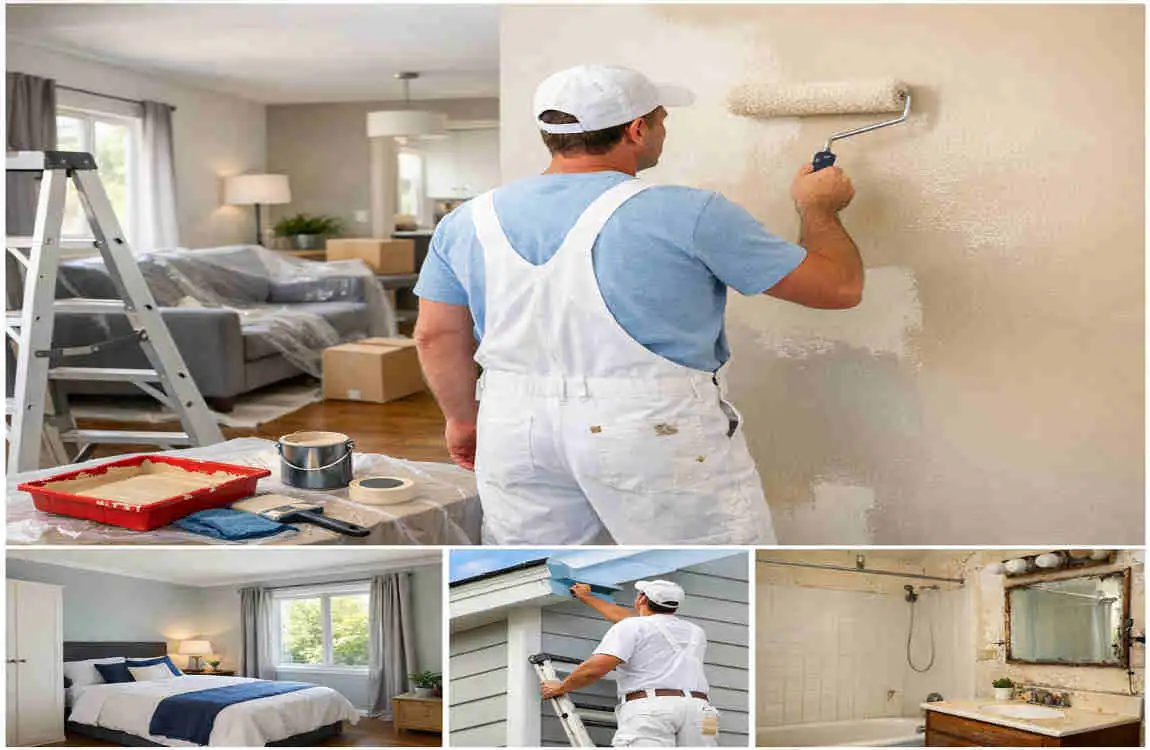
    You do not need to paint the entire inside of the house all at once. Different rooms experience different levels of traffic and wear.

    • Kitchens and Bathrooms:ย You should plan to paint these rooms everyย 2 to 3 years. Why so often? These are high-moisture areas. Steam from showers and boiling pots breaks down paint faster. Kitchen walls also get splashed with grease and food. Using a high-quality semi-gloss paint here makes cleaning easier, but they still need frequent refreshing.
    • Living Areas and Hallways:ย Plan to paint your living rooms, dining rooms, and hallways everyย 3 to 5 years. Hallways act like funnels in a house; everyone squeezes through them, leading to constant shoulder bumps and scuff marks. Living rooms get a lot of daily use, meaning the paint naturally dulls over time.
    • Bedrooms:ย Bedrooms are low-traffic areas. People mostly just sleep there. Because they don’t see heavy activity, you can usually stretch bedroom paint jobs to everyย 4 to 6 years.

    Exterior Painting Schedule

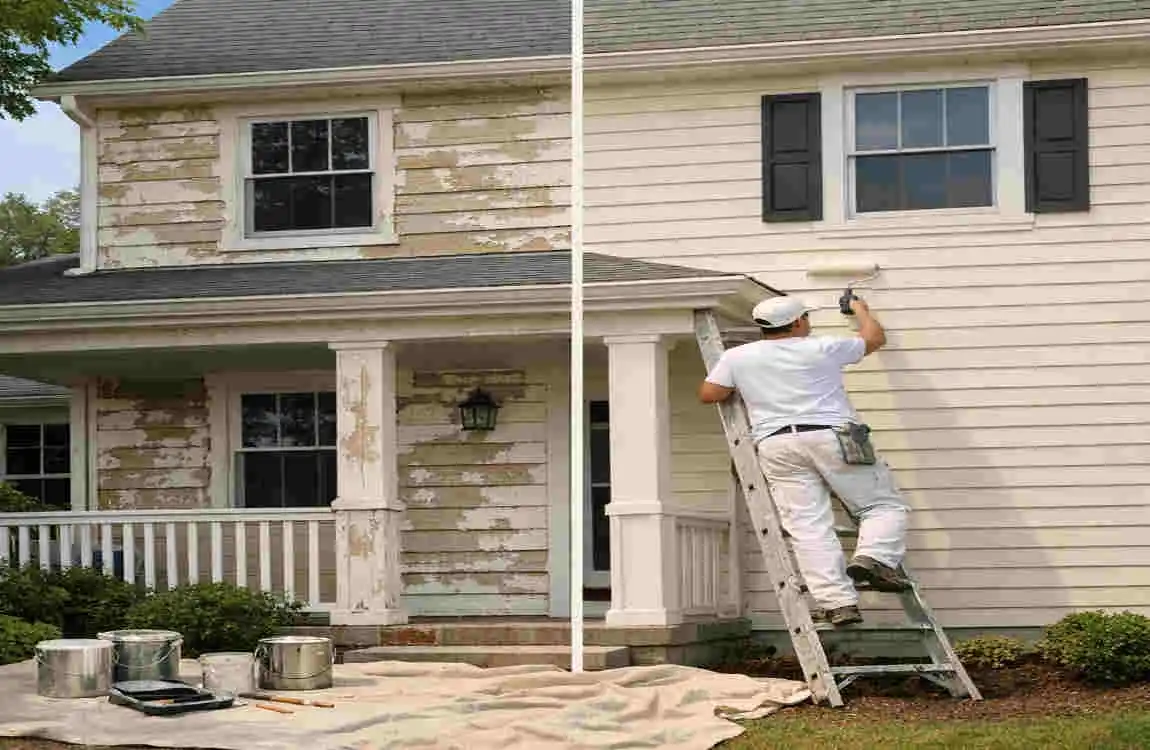
    The outside of your house acts as its armour. Keeping the paint fresh prevents expensive water damage and rot.

    • Siding and Brick:ย Depending on your climate, plan to paint exterior wood siding or painted brick everyย 5 to 7 years. Stucco might last a little longer, perhaps 7 to 10 years, if properly maintained.
    • Exterior Trim and Doors:ย Your window trim, fascia boards, and front doors take a massive hit from the sun and rain. You should inspect and repaint these areas everyย 3 to 5 years. A freshly painted front door is also the easiest way to make a great first impression on prospective tenants!

    Table: Painting Timeline by Room/House Area

    To make things incredibly easy for you, here is a quick reference table. You can save this timeline and use it to plan your yearly maintenance budget.

    AreaRecommended FrequencyPrimary Reason for Repainting

    Kitchens 2-3 years: High moisture, cooking grease, and food splashes.

    Bathrooms 2-3 years High humidity, steam, and risk of mildew.

    Hallways/Stairs 3-4 years Very high foot traffic, constant touching, and scuffing.

    Living Rooms 3-5 years Moderate daily use, furniture rubbing against walls.

    Bedrooms 4-6 years old, low traffic, minimal wear and tear.

    Exterior Trim/Doors 3-5 years High exposure to harsh weather and direct sunlight.

    Exterior Siding 5-7 years General weather exposure, preventing wood rot.

    Signs It’s Time to Paint

    Schedules and tables are incredibly helpful, but sometimes the house speaks for itself. You do not always have to wait for the three-year mark to roll around. If you are wondering how often a landlord should paint a house, just look for these clear warning signs.

    Visual Cues You Cannot Ignore

    Your eyes will tell you exactly when it is time to grab a brush. Look closely at the walls during your next visit.

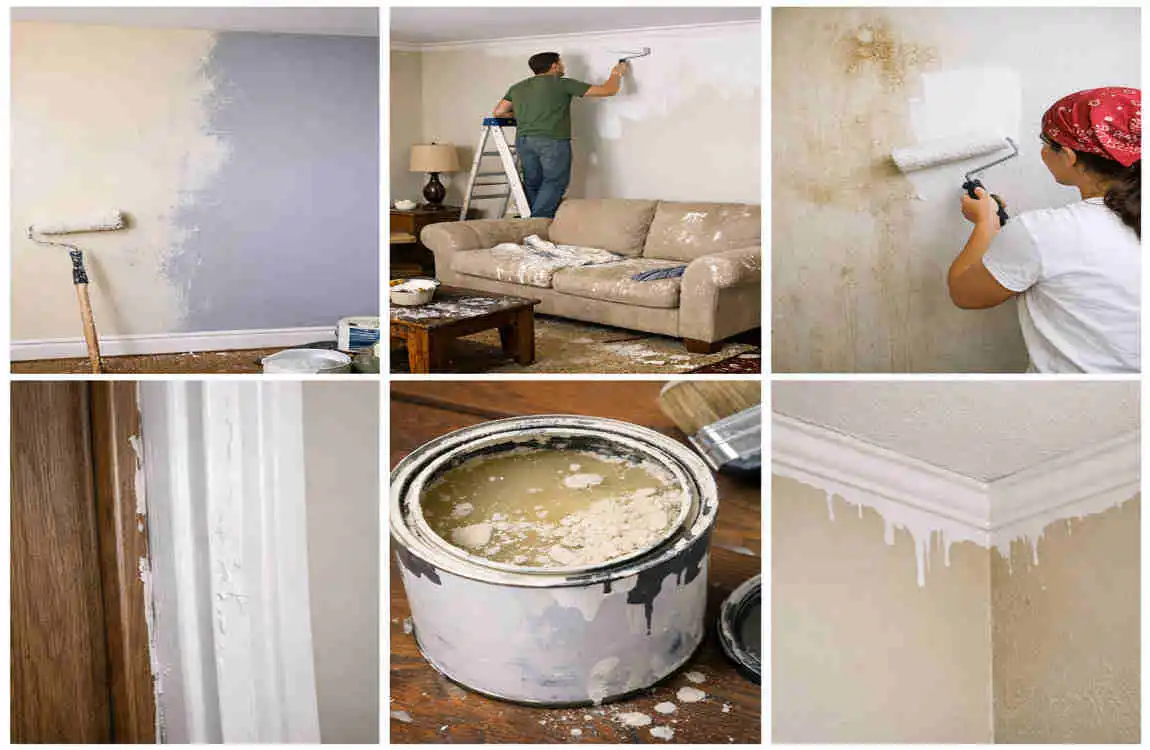
    • Peeling and Flaking:ย If paint is actively falling off the wall, it has failed. This usually means moisture got behind it.
    • Fading:ย Move a piece of furniture or a wall frame. Is the paint underneath much brighter than the rest of the room? Sun fading makes a room look old and dingy.
    • Cracks and Bubbles:ย Bubbling paint is a major red flag for water leaks. You need to fix the leak first, then scrape and repaint the wall immediately.

    Odours and Smoke Stains from Tenants

    Sometimes, a paint job isn’t about how the house looks; it is about how it smells. If a tenant heavily smoked inside the house (even if the lease forbade it), or if they cooked with heavy, pungent spices daily, those smells seep directly into the drywall.

    Washing the walls rarely gets rid of deep-set odours. You will need to use a heavy-duty odour-blocking primer (like Kilz) and apply a fresh coat of paint to neutralise the space for the next renter.

    Pre-Lease Inspections and Turnover Triggers

    The most common time landlords paint is during tenant turnover. When a house is completely empty, it is incredibly easy and fast to paint. There is no furniture to move and no tenants to inconvenience.

    If a tenant moves out after three years, it is usually best practice to give the whole place a fresh coat before listing it again. It makes the property look immaculate, allowing you to charge top dollar for rent.

    Cost Breakdown for Rental House Painting

    Let’s talk about money. Understanding the costs is a huge part of answering how often a landlord should paint a house. Painting is an investment, but it doesn’t have to break the bank if you budget properly.

    Average Painting Costs

    Prices have shifted a bit over the last few years, but in 2026, you can generally expect to spend betweenย $2,000 and $5,000ย to have a standard 1,500-square-foot rental house professionally painted.

    This price varies wildly based on whether you are doing the interior or the exterior.

    • Interior painting:ย Averages around $2 to $4 per square foot.
    • Exterior painting:ย Averages around $3 to $6 per square foot, largely because of the heavy prep work and ladders involved.

    DIY vs Hiring Pros: The Long-Term View

    You might look at that $3,000 quote and think, “I’ll just do it myself for $300 in paint!”

    Doing it yourself (DIY) absolutely saves money upfront. However, professional painters save you money in the long run. Pros know how to prep walls perfectly, meaning their paint jobs last five years instead of two. They also get the job done in two days, whereas it might take you two weeks of working weekends. Every day your rental sits empty because you are painting is lost rental income! Factoring in lost rent, pros often save you 20% over the long haul.

    Smart Budgeting Strategies

    A great rule of thumb for landlords is to set asideย 1% to 2% of the property’s total value every yearย for maintenance. If your rental is worth $300,000, you should have $3,000 to $6,000 sitting in a savings account ready to go. This easily covers routine painting without causing you financial stress.

    Savvy Savings Hacks

    Want to keep those costs down? Here are a few insider tricks:

    1. Buy in Bulk:ย Pick one standard, beautiful neutral colour for all your rental properties. Buy that paint in 5-gallon buckets. It is significantly cheaper than buying individual gallons.
    2. Hire in the Off-Season:ย Painters are slammed in the spring and summer. If you can schedule interior painting in the dead of winter (January or February), you can often negotiate a 10% to 15% discount because they are desperate for work.

    Best Paint Types and Preparation Tips

    You can hire the best painter in the world, but if they use cheap paint and skip the prep work, the job will look awful in six months. Selecting the right materials is crucial for rental properties.

    Choosing Durable, Landlord-Friendly Paint

    Rental houses need tough paint. You want something that can be scrubbed with a sponge without the colour rubbing off.

    Always choose paints with aย satin or eggshell finishย for living areas and bedrooms. They have a slight shine, making them easy to wipe down. For kitchens and bathrooms, bump that up to aย semi-gloss finish. It repels moisture beautifully.

    Additionally, look forย Low-VOC (Volatile Organic Compounds) or Zero-VOCย paints. These paints do not release strong, toxic smells. This means you can paint a unit, and a new tenant can safely move in the very next day without complaining of headaches.

    Paints for Rental Properties

    If you want to get the most bang for your buck, these are the heavy hitters in the paint industry right now:

    1. Behr Marquee:ย Known for exceptional one-coat coverage. It is a bit pricey upfront, but you save massive amounts of time on labour.
    2. Sherwin-Williams Duration:ย Incredible durability. You can scrub scuffs off this paint for years without damaging the finish.
    3. Benjamin Moore Regal Select:ย Offers a beautiful, high-end finish with zero VOCs, perfect for luxury rentals.
    4. Glidden Premium:ย An excellent budget-friendly choice that still offers solid durability for standard rentals.
    5. KILZ Tribute:ย A fantastic paint-and-primer-in-one that excels at covering up old, dark colours left behind by previous tenants.

    Eco-Friendly Options for Green Certifications

    If you are trying to market your property to eco-conscious Gen Z and Millennial renters, using green materials is a huge selling point. Look for paints that carry theย GREENGUARD Certification. Advertising that your home uses non-toxic, eco-friendly materials can actually help you justify slightly higher rent prices.

    Preparation is Everything

    Here is a secret: painting is 80% prep work and 20% actually putting paint on the wall. If you skip prep, the paint will peel. Always make sure you or your painters follow these steps:

    • Clean:ย Wash the walls with a mild degreaser (especially in the kitchen). Paint will not stick to greasy fingerprints.
    • Patch:ย Fill every single nail hole with spackle and sand it perfectly smooth.
    • Caulk:ย Run a fresh bead of caulk along the baseboards and window trims to seal gaps.
    • Prime:ย If you are painting over a dark colour or fixing water stains, you must use a dedicated primer first.

    DIY vs Hiring Professionals

    We touched on costs earlier, but let’s dive deeper into the logistics of doing it yourself versus hiring a crew.

    The Pros of Going DIY

    If you only have a few small jobs, grab a brush! DIY is perfect for small touch-ups. If a tenant moves out and leaves just one bedroom slightly scuffed, paying a professional crew to drive out for one room is a waste of money. Spend a Saturday afternoon rolling the room yourself, keep the cash in your pocket, and enjoy a sense of accomplishment.

    When You Absolutely Must Hire a Pro

    However, if an entire 3-bedroom house needs a full interior and exterior repaint, you need to step back. A full house requires ladders, scaffolding, sprayers, and a lot of stamina.

    Pros handle full-house jobs with speed and precision. They also carry liability insurance. If you fall off a 20-foot ladder while painting the exterior siding, your medical bills will vastly outweigh any money you saved on labour. If a professional painter falls, their insurance covers it.

    How to Vet a Painting Contractor

    Don’t just hire the cheapest person you find on Facebook Marketplace. To protect your property, make sure you properly vet your painters:

    • Check Licenses:ย Ensure they are licensed to work in your state.
    • Ask for Insurance:ย They must provide proof of both liability and workers’ compensation insurance.
    • Read Reviews:ย Look at their Google or Yelp reviews to see how they treat clients.
    • Demand a Guarantee:ย The best painters offer a 2-year or 3-year warranty against peeling and flaking. Get this in writing before they start!

    Tenant Communication and Lease Clauses

    A lot of painting headaches can be completely avoided if you communicate clearly with your tenants from day one. Your lease is your best friend here.

    Pre-Lease Painting Promises

    Never promise a tenant you will paint the house “soon.” Get everything in writing. If you agree to paint the living room as a condition of them signing the lease, write the exact date it will be completed into the contract. This builds trust and prevents early disputes.

    Defining “Normal Wear” in Your Lease

    Do not leave the phrase “normal wear and tear” open to interpretation. Add a specific clause in your lease that defines it.

    For example, state that “small nail holes from hanging up to 5 pictures per room are considered normal. Any holes larger than a dime, or the use of heavy-duty wall anchors, will be considered damage and billed against the security deposit.”

    Handling Move-Out Charges Fairly

    When a tenant moves out, you cannot charge them for a whole new paint job if they only damaged one wall. You also must account for the lifespan of the paint.

    If you painted three years ago, and the paint is expected to last three years, you cannot charge the tenant for repainting, even if they scuffed the walls. The paint’s “life” is over anyway. Always be fair and only make legal, justifiable deductions.

    A Sample Lease Addendum

    Consider adding a “Painting Addendum” to your lease. It can be simple:ย “Tenant agrees not to paint, wallpaper, or alter the walls in any way without written consent from the Landlord. If unauthorised painting occurs, Tenant agrees to pay all costs associated with priming and restoring the walls to their original colour.”ย This simple sentence stops the dreaded “surprise neon pink bedroom” dead in its tracks.

    Long-Term Maintenance Strategies

    Successful landlords do not just react to problems; they plan for the future. Thinking long-term about your paint choices saves you immense time and effort.

    Preventive Care and Inspections

    Stop the damage before it gets worse. Implement quarterly or semi-annual maintenance checks. When you go to change the HVAC filters, take five minutes to walk around the exterior of the house. If you see a tiny spot of peeling paint on the window trim, fix it right then. A $10 tube of caulk and ten minutes of touch-up paint today prevent a $500 wood rot repair next year.

    Colour Trends for 2026: Broad Appeal

    You might love dark blue walls, but your renters might hate them. When painting a rental, you must remove your personal taste from the equation.

    In 2026, the real estate market is heavily favouringย warm neutrals. Think soft beiges, warm greiges (grey + beige), and creamy whites. These colours make rooms look larger, brighter, and cleaner. Most importantly, they match almost any furniture the tenant brings with them. Neutral colours appeal to the widest possible pool of applicants.

    The ROI of Fresh Paint

    Does all this effort actually pay off? Absolutely. Fresh paint has one of the highest Returns on Investment in real estate.

    A modern, freshly painted interior can easily boost your asking rent by 5% to 10%. If your house rents for $2,000 a month, a 10% boost is an extra $2,400 a year. That pays for the entire paint job in just one or two years! Not to mention, beautiful houses rent faster, reducing your vacancy days.

    Seasonal Maintenance Checklists

    Create a rhythm for your property.

    • Spring:ย Power wash the exterior siding to remove winter grime. Inspect for peeling.
    • Summer:ย Perfect time for exterior painting due to dry weather.
    • Fall:ย Check window caulking and trim paint before the winter freeze hits.
    • Winter:ย Focus on interior touch-ups during empty turnovers.

    Common Mistakes to Avoid

    How Often Should Landlords Paint

    Even experienced landlords stumble sometimes. When managing your rental properties, steer clear of these incredibly common painting pitfalls.

    Over-Painting

    Painting the whole house every single time a tenant moves outโ€”even if they only stayed for six monthsโ€”is a massive waste of money. Do not throw your profits away. If the walls just need a gentle wash with a Magic Eraser, do that instead of re-rolling the whole room.

    Picking Wild or Extreme Colours

    We mentioned this above, but it bears repeating. Do not paint accent walls. Do not paint the kitchen cabinets bright teal. Bold colours deter tenants because they clash with their belongings. Keep it boring, keep it neutral, and let the tenant add colour with their rugs and art.

    The “Landlord Special”

    You have probably seen memes about this on the internet. The “landlord special” is when you (or a cheap handyman) hastily spray paint over everything in the room without prepping. This includes painting over light switch covers, power outlets, door hinges, and sometimes even dust or dead bugs! It looks incredibly unprofessional, screams “cheap,” and will actually drive high-quality tenants away from your property. Take the time to tape things off properly.

    FAQ Section

    How often should a landlord paint a house interior?

    On average, a landlord should paint the interior every 3 to 5 years. High-traffic areas like kitchens, bathrooms, and hallways may need a fresh coat every 2 to 3 years, while low-traffic bedrooms can stretch to 5 or 6 years.

    What are the laws regarding exterior painting?

    There are no overarching federal laws dictating an exact exterior painting schedule. However, landlords are legally bound by the “implied warranty of habitability” to keep the home structurally safe. This means you must paint often enough to prevent wood rot, mould, and weather damage. Local HOAs may also have strict exterior painting schedules you must follow.

    Can tenants paint the rental house themselves?

    Generally, tenants should not paint without written permission. Most standard lease agreements strictly prohibit unauthorised alterations. If a tenant wants a different colour, you can agree to let them paint, provided they use an approved colour or agree to restore the original colour before moving out.

    What are the costs to paint a rental house

    In 2026, professional painting for an average 1,500-square-foot house costs between $2,000 and $5,000. Interior jobs average $2 to $4 per square foot, while exterior jobs cost $3 to $6 per square foot due to the required scaffolding and heavy weather prep.

    Share. Facebook Twitter Pinterest LinkedIn Tumblr Email
    Stella Victoria

    Related Posts

    Guide: How Much Does It Cost to Heat a Mobile Home? Real Costs & Savings Tips

    March 6, 2026

    How Many Square Feet Are in a Two-Car Garage? Essential House Planning Guide

    February 26, 2026

    Soaring Ceilings in Modern Homes:Trends, Designs & Value Boost

    February 16, 2026
    Leave A Reply Cancel Reply

    Top Posts

    Blueface House costs how much?

    May 24, 2024

    Unveiling the Secret of Luke Combs House in Nashville

    June 16, 2024

    Inside the Historical Charm of the Cecil B. DeMille House

    July 10, 2025
    Stay In Touch
    • Facebook
    • YouTube
    • TikTok
    • WhatsApp
    • Twitter
    • Instagram
    Latest Reviews

    Stay Connected

    Fill the form below and get early updates.

    Most Popular

    Blueface House costs how much?

    May 24, 2024

    Unveiling the Secret of Luke Combs House in Nashville

    June 16, 2024

    Inside the Historical Charm of the Cecil B. DeMille House

    July 10, 2025
    Latest Posts

    How Often Should Landlords Paint Rental Houses? Expert Tips Maintenance

    March 16, 2026

    Nancy Walton Laurie’s Luxurious Short House Tour: Inside the Walmart Heiress’s Bel-Air Mansion

    March 14, 2026

    Jennifer Meyer’s Luxurious Homes: Inside the Jewelry Designer’s Lavish LA Properties

    March 14, 2026

    Did we make a mistake?

    Submit a correction suggestion and help us fix it!

    Facebook X (Twitter) Instagram Pinterest
    • About us
    • Contact us
    • Privacy Policy
    • Disclaimer
    • Terms And Conditions
    © 2026 ThemeSphere. Designed by ThemeSphere.

    Type above and press Enter to search. Press Esc to cancel.