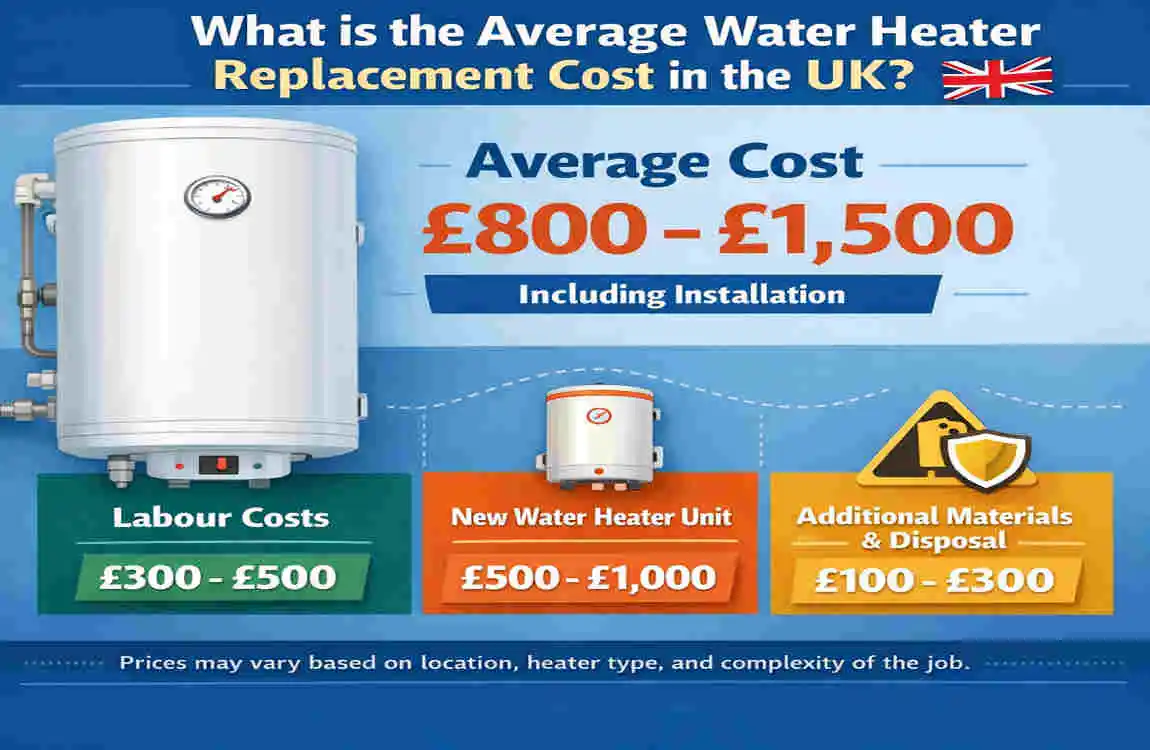
If your hot water has suddenly gone cold, you are probably not thinking about plumbing theory or system efficiency. You are thinking about one thing: how much is this going to cost? That is exactly why understanding the cost of replacing a water heater in the UK is so important before you agree to any work.
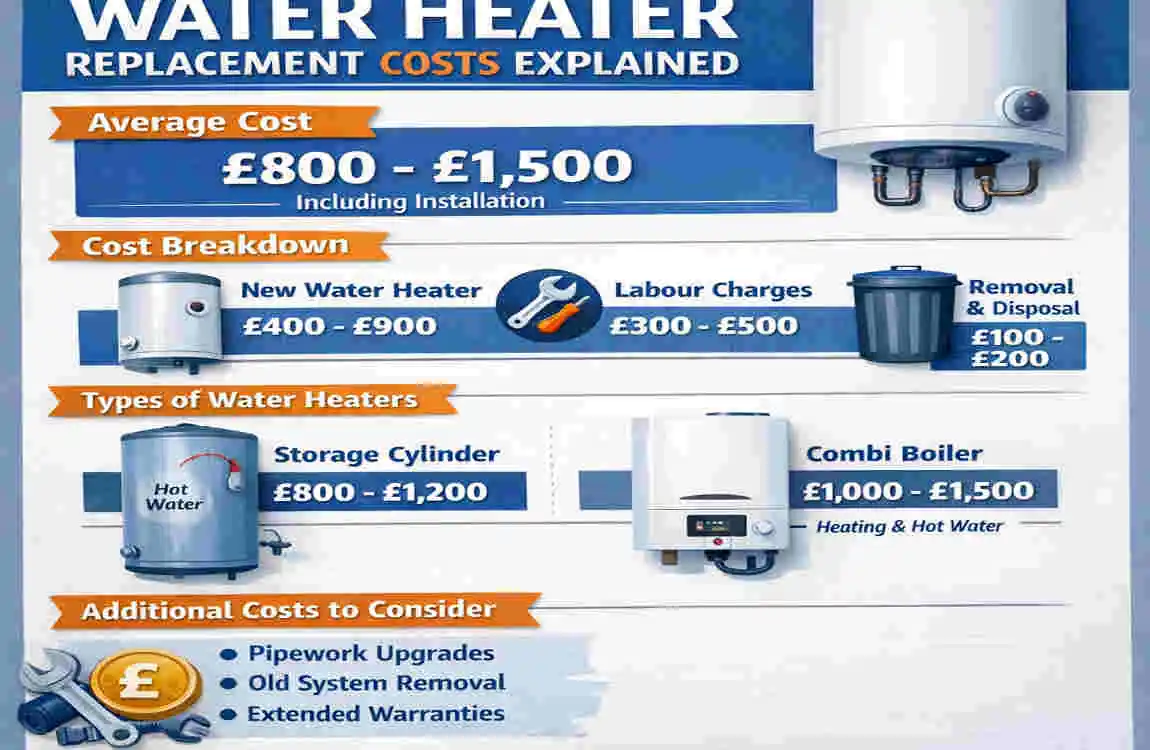
The truth is, replacement costs can vary widely. A small immersion heater swap may cost only a little over £100. In contrast, a full unvented cylinder or tankless system replacement can cost thousands. The final figure depends on the type of heater, the size of your home, the labor required, and whether any extra parts or upgrades are needed.
This is especially important in 2026 because energy prices remain a concern for many households. Older units often use more energy than they should, which can raise your monthly bills. In many cases, replacing an outdated system with a more efficient one can reduce waste and improve performance. That makes the upfront cost easier to justify.
There is also the issue of age. Many water heaters do not last forever. Once a unit starts leaking, tripping out, making noise, or failing to give reliable hot water, repairs may stop being the best option. At that point, properly calculating the cost of replacing a water heater in the UK can help you avoid rushed decisions and surprise expenses.
Types of Water Heaters in the UK

Why the type matters first
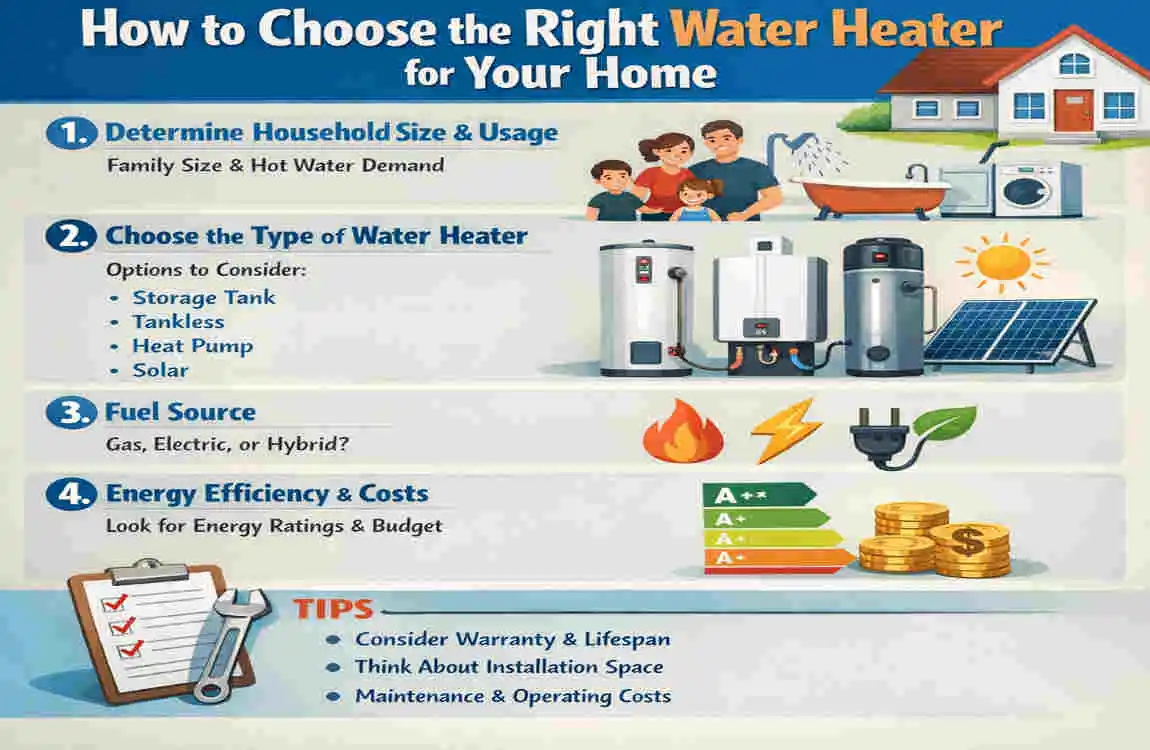
Before you can work out the cost of replacing a water heater in the UK, you need to know what kind of system you have. In the UK, “water heater” can mean several things. Some homes use an immersion heater, some use a tankless or combi-style unit, and others use an unvented cylinder or even a heat pump water heater.
Each system comes with its own price range. Some are simple and quick to replace. Others need more labor, more parts, and more planning. If you choose the wrong type, you could end up paying more than you need to.
Immersion heaters
An immersion heater is one of the simplest systems. It heats water inside a cylinder using an electric element. Many UK homes still use this setup, especially flats, smaller properties, and older houses.
Replacement is usually quite straightforward. The heating element itself may cost only £20 to £40, while labor may add around £105. In many cases, the job can be completed in one to two hours.
This makes immersion heaters one of the cheapest options to replace. They are useful if you want a simple fix and do not need a major system upgrade.
Pros:
- Low upfront replacement cost
- Quick to fit
- Simple design
- Good for smaller homes
Cons:
- It can be expensive to run, depending on electricity prices
- Less efficient than newer systems
- May not suit high hot water demand
Tankless water heaters
A tankless water heater is often used to describe a compact, on-demand system. In UK homes, this is often close to what people mean when they talk about a combi boiler. It heats water only when needed, so there is no large tank storing hot water all day.
Replacement costs can vary widely, but many homeowners can expect a range of £150 to £1,600 for the unit, with labor pushing the total higher. Some estimates place a typical installed figure around £875, depending on the model and setup.
These systems are popular because they can be efficient and save space. However, the installation can be more technical, especially if pipework or controls need to be changed.
Pros:
- Compact and space-saving
- Efficient for many homes
- Provides hot water on demand
Cons:
- It can be more expensive to install
- May struggle with very high demand
- Not always suitable for larger households without planning
Unvented cylinders
An unvented cylinder stores hot water under pressure, providing a strong water flow and making it a good choice for homes with more than one bathroom. This system is often found in larger family homes or properties with high hot water demand.
The supply cost can range from £200 to £2,000, though the full installed cost may be higher once labor and extras are included. These systems are more involved than an immersion heater swap, so the replacement cost usually reflects that.
Pros:
- Good water pressure
- Suits larger homes
- Works well when several taps or showers are used at once
Cons:
- Higher replacement cost
- Needs proper installation
- It can require more space and more technical work
Heat pump water heaters
A heat pump water heater is a more modern, eco-friendly option. It uses heat from the surrounding air to warm the water, making it very efficient. However, the upfront cost is much higher than most other systems.
A full installation may cost between £8,750 and £12,500, depending on the property and the chosen system. This is a bigger investment, but it may appeal to households focused on reducing energy use over time.
Pros:
- Very efficient
- Lower running costs in many cases
- Better for long-term energy savings
Cons:
- Much higher purchase and installation cost
- Not ideal for every property
- Needs proper planning and space
Quick comparison table
Type Supply Cost Labor Cost Total Average Efficiency
Immersion Heater £20–£40 £105 Around £133 Low to moderate
Tankless / Combi Style £150–£1,600 £250–£425+ Around £875 High
Unvented Cylinder £200–£2,000 Varies £200–£2,500+ Moderate to high
Heat Pump Water Heater High High £8,750–£12,500 Very high
What this means for you
If you only need a small fix, your water heater replacement cost in the UK may be far lower than you expect. But if your system is old, poorly sized, or difficult to access, the final price can rise quickly.
That is why the first step is always to identify the type of heater you already have. Once you know that, you can start building a realistic budget.
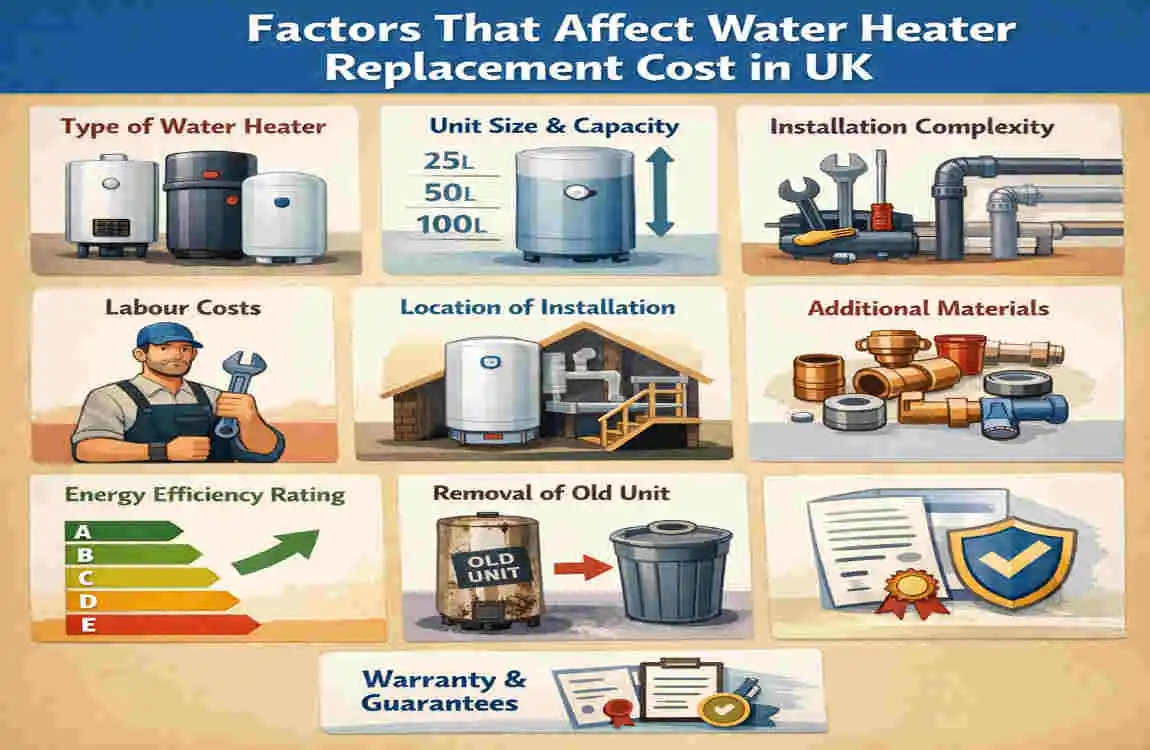
Key Cost Factors That Shape the Final Price
Unit size and capacity
The unit’s size is one of the biggest cost factors. A smaller heater generally costs less to buy, install, and run. A larger unit costs more because it must handle more water and often includes more complex components.
For example, a 3kW immersion heater will usually cost less than a 6kW version. Likewise, a small cylinder for a one-bedroom flat will be cheaper than a large one made for a busy family home.
When people ask about the cost of replacing a water heater in the UK, they are often comparing very different system sizes without realizing it. Capacity matters a lot.
Material quality
The material inside the heater can also affect the price. A copper element may cost around £20 to £30, while a titanium element may cost around £30 to £40 or more.
Higher-quality materials usually last longer and resist wear better. That means they may cost more upfront but offer better value over time.
Labour rates
Labor is another major part of the bill. In the UK, plumber or heating engineer rates may fall around £250 to £375 per day, depending on the region and the type of work. Some emergency call-outs may cost £175 or more just to attend.
If the job is simple, labor may account for only a small part of the total. But if the replacement is awkward, urgent, or complex, labor can quickly become one of the biggest expenses.
Where you live
Your region matters more than many people expect. In London, labor rates are often higher. In some rural or northern areas, prices may be lower.
A basic rule of thumb looks like this:
- London: often around 20% higher
- Rural areas: sometimes around 10% lower
- Busy city centers: may include travel or parking costs too
This means the same heater replacement could have very different prices depending on your postcode.
Extra parts and system upgrades
The base quote may not include everything. You may also need new pipes, a thermostat, valves, fittings, or flushing work. These extras can add quite a bit to the final total.
Some common additional items include:
- Thermostat replacement
- Pipe replacement
- Flue adjustments
- System flushing
- Safety checks
- Control upgrades
These smaller items can add a few hundred pounds before you know it.
VAT and tax
Another detail to check is VAT. Many homeowners forget to include it when comparing quotes. If VAT is not already included in the estimate, it can add 20% to the total.
That alone can make a quote look much cheaper than it really is. Always check whether the figure you are seeing includes VAT.
A simple cost formula
Here is a very easy way to estimate the water heater replacement cost in the UK:
Unit cost + Labour + Extras + VAT = Total replacement cost
If there are grants or discounts available, you may subtract those from the final number.
For example:
- Heater part: £30
- Labor: £105
- Small extras: £10
- Subtotal: £145
- VAT included or added, depending on the quote
That is how a simple immersion heater replacement can land close to the average figure of around £133 to £150.
How to Calculate Water Heater Replacement Cost Step by Step
Check your current system.
Start by identifying what you already have. Is it an immersion heater, a tankless unit, an unvented cylinder, or something else?
Look at the system’s age, the model label (if visible), and any paperwork you may still have. If you are unsure, a qualified plumber can tell you quickly.
This step matters because you cannot accurately estimate the cost of replacing a water heater in the UK until you know the exact type of system involved.
Estimate the size you need
Next, think about your household. A small flat does not need the same setup as a large family home. The number of people in your home, the number of bathrooms, and how often hot water is used will all affect the correct size.
A rough guide might look like this:
- 1–2 people: smaller system
- 2–3 bedroom home: medium capacity
- Large family home: larger cylinder or higher-capacity heater
If the system is too small, you may run out of hot water too quickly. If it is too large, you may end up paying more than you need.
Get at least three quotes.
This is one of the most useful things you can do. Different installers may price the same job very differently. One might include removal, labor, and new fittings. Another may leave out a few important items.
Always ask for clear, written quotes so you can compare them properly. This is one of the best ways to calculate the real cost of replacing a water heater in the UK without guesswork.
Check what is included.
Never compare quotes by price alone. Ask what each quote covers.
Here is a useful checklist:
- Is the old unit removed?
- Is disposal included?
- Are pipes and fittings included?
- Is the thermostat included?
- Is VAT included?
- Is testing and commissioning included?
- Are emergency or weekend fees included?
A quote that looks cheaper at first may not actually be cheaper once the missing items are added.
Add extras
Now list any extra work that may be needed. This could include:
- New thermostat: £50
- Flue work: £200
- Pipe changes: variable
- System flush: extra
- Electrical changes: extra
These extras can make a big difference, especially in older homes.
Apply VAT if needed.
If the quote does not already include VAT, add 20% to the subtotal. This is a key step people often skip.
For example:
- Unit: £30
- Labor: £105
- Extras: £10
- Subtotal: £145
- VAT at 20%: £29
- Estimated total: £174
That gives you a much more realistic budget.
Check whether grants apply.
Some households may qualify for support through energy-efficiency schemes. These can sometimes reduce the overall cost, especially if the replacement improves heating efficiency.
If a grant is available, subtract it from your total estimate. That gives you a more accurate final figure.
Compare long-term running costs.
This part is easy to overlook, but it is very important. A cheaper heater may cost more to run each year. A better unit may cost more upfront, but save you money over time.
Ask yourself:
- How much will it cost to run?
- Will it help reduce energy waste?
- How long do I plan to stay in this property?
These questions help you choose the right balance between upfront cost and long-term value.
A helpful tip
If you want the clearest estimate, use a simple formula:
Final cost = heater price + labour + extra parts + VAT – grants
Once you apply this logic, the numbers become much easier to compare.
Average Costs Across UK Regions
Why does location change the price
Where you live has a real impact on the final cost. Labor rates, travel time, local demand, and even parking can change the quote.
A job in central London is rarely priced the same as a similar job in a smaller northern town. This is normal and worth expecting.
What this means for your budget
If you live in London or another busy city, expect to pay more. If you live in a smaller town or rural area, you may pay less, but availability could be more limited.
This is why the water heater replacement cost in the UK should never be estimated using a single national number alone. Your location really matters.
Planning helps
If your system is still working, avoid waiting until it fails. Emergency work almost always costs more. Planning gives you time to compare local engineers and avoid a rushed call-out price.
Ways to Save Money Without Cutting Quality
Choose the right type for your home.
The cheapest system is not always the best one. A correctly sized heater often saves money in both installation and running costs.
Do not overspend on a unit that is too powerful for your needs. At the same time, avoid buying a system that is too small and will cause problems later.
Compare quotes carefully
Get at least three quotes and review what each includes. This is one of the easiest ways to reduce the cost of replacing a water heater in the UK without lowering quality.
Ask about efficiency
A more efficient heater may cost more upfront, but it can save you money in the long run. If energy bills are already high, this is worth thinking about seriously.
Insulate where possible
Good insulation can help reduce heat loss. This means your heater does not have to work as hard to keep the water warm.
Simple insulation upgrades are often inexpensive but can make a noticeable difference over time.
Use a timer or smart control.
If your system supports it, a timer or smart thermostat can help you avoid heating water when you do not need it. That can cut waste and improve comfort.
Avoid emergency replacements if you can
Emergency call-outs usually cost more. If your heater is showing warning signs, acting early can save money.
Check for available support.
Some households may qualify for help through energy-efficiency programs. It is always worth asking before you pay the full amount yourself.
Five practical saving tips

Here is a short list you can keep in mind:
- Get three quotes
- Check what is included
- Choose the right size
- Improve insulation
- Avoid emergency call-outs
These simple steps can make a real difference.
When It Is Time to Replace
Signs your water heater may be failing
Sometimes the highest cost is waiting too long. A failing heater often gives warning signs before it stops working completely.
Look out for:
- Leaks around the unit
- Rusty or discolored water
- Strange noises
- Poor hot water flow
- Water is taking too long to heat
- The unit is over 10 years old
- Frequent repairs
If you are seeing several of these signs, replacement may be the smarter choice.
Repair or replace?
This is a common question. If the problem is small and the heater is still fairly new, repair may be enough. But if the unit is old and unreliable, spending more money on repairs may not be worth it.
A good rule is this: if you keep paying to fix the same system, it may be time to stop repairing and start replacing.
That is often when the water heater replacement cost in the UK becomes a better investment than ongoing repair costs.
Think about comfort too.
It is not only about money. A reliable hot water system improves daily life. You want hot water when you need it, without constant worry or disruption.
That peace of mind has value, too.
Common Mistakes People Make
Focusing only on the cheapest quote
The lowest price is not always the best deal. Some quotes leave out disposal, VAT, fittings, or testing. Always compare properly.
Ignoring running costs
A cheaper heater may cost more to run. Over time, that can wipe out the savings.
Not checking the installer’s experience.
A qualified professional should do this work. Poor installation can lead to damage, safety issues, and additional costs later.
Forgetting about extras
Many people budget only for the unit and labor. They forget small items like valves, thermostats, and pipework. These can add up.
Waiting for a breakdown
Emergency work costs more and creates stress. If you know the unit is aging, planning early is almost always cheaper.
FAQs
How much is the water heater replacement cost in UK homes?
The average water heater replacement cost in UK homes can range from about £133 for a simple immersion heater swap to £1,600+ for more complex systems. Tankless and unvented models usually fall somewhere in the middle or above, depending on labor and extras.
What is the cheapest type of water heater to replace?
An immersion heater is usually the cheapest to replace. The element itself may cost only £20-£40, with labor adding around £105 in many cases. That makes it a low-cost option for smaller homes or simple repairs.
How do I calculate the cost of replacing a water heater in UK properties?
Use this basic formula: unit price + labor + extras + VAT – grants. Start by identifying your heater type, then get three quotes and check what each quote includes. That gives you the most accurate estimate.
Does location affect the replacement cost?
Yes, absolutely. London and other busy areas often cost more because labor rates are higher. Rural or northern areas may be cheaper, but availability can be more limited. The same job can vary a lot depending on where you live.
Is it worth replacing an old water heater?
In many cases, yes. If your heater is over 10 years old, leaking, noisy, or failing often, replacement may be more cost-effective than repeated repairs. A modern system can also improve efficiency and lower running costs.
| Step | Factor | Cost Range | Calculation Notes | Example |
|---|---|---|---|---|
| Unit Price | Heater Type/Size | £20–£2,000 | Match household (e.g., 120L for 4 people) | Immersion: £30 |
| Labour | Installation Time | £100–£500 | £250–£375/day; +£175 emergency | 2hr job: £105 |
| Extras | Pipes/Thermostat/Flue | £50–£500 | Jetting £80–£230; timer £50 | Pipes: £150 |
| VAT | 20% Tax | 20% of subtotal | Always add for homeowners | £46 on £230 subtotal |
| Grants/Discounts | ECO4/Efficiency | –£0 to –£4,000 | Check eligibility for heat pumps | –£500 rebate |
| Total Avg. | Full Replacement | £133–£1,630 | Varies by region (London +20%) | £331 immersion swap |