
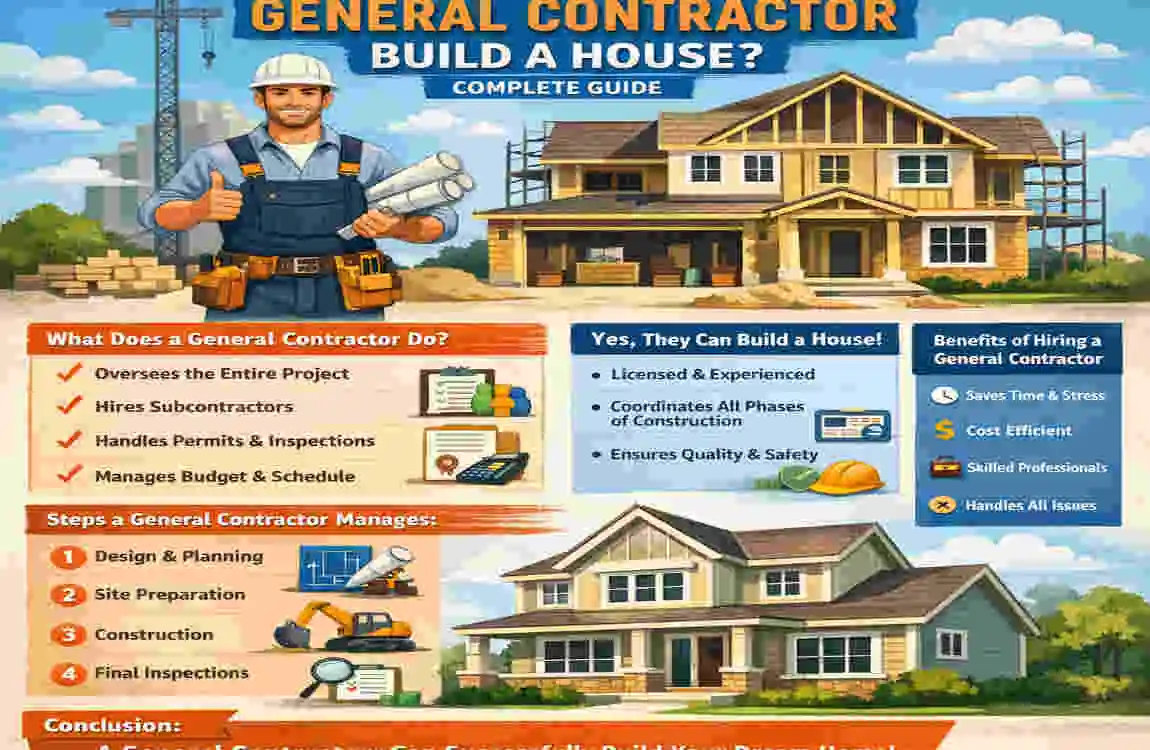
If you are asking Can a general contractor build a house, the short answer is yes; in many cases, they can. A licensed general contractor can manage the building process from start to finish, especially when the project complies with local regulations and follows proper plans.
A general contractor does not always design the home, but they often oversee the entire construction project. They hire workers, schedule work, handle permits, and ensure the project moves forward.
What Is a General Contractor?
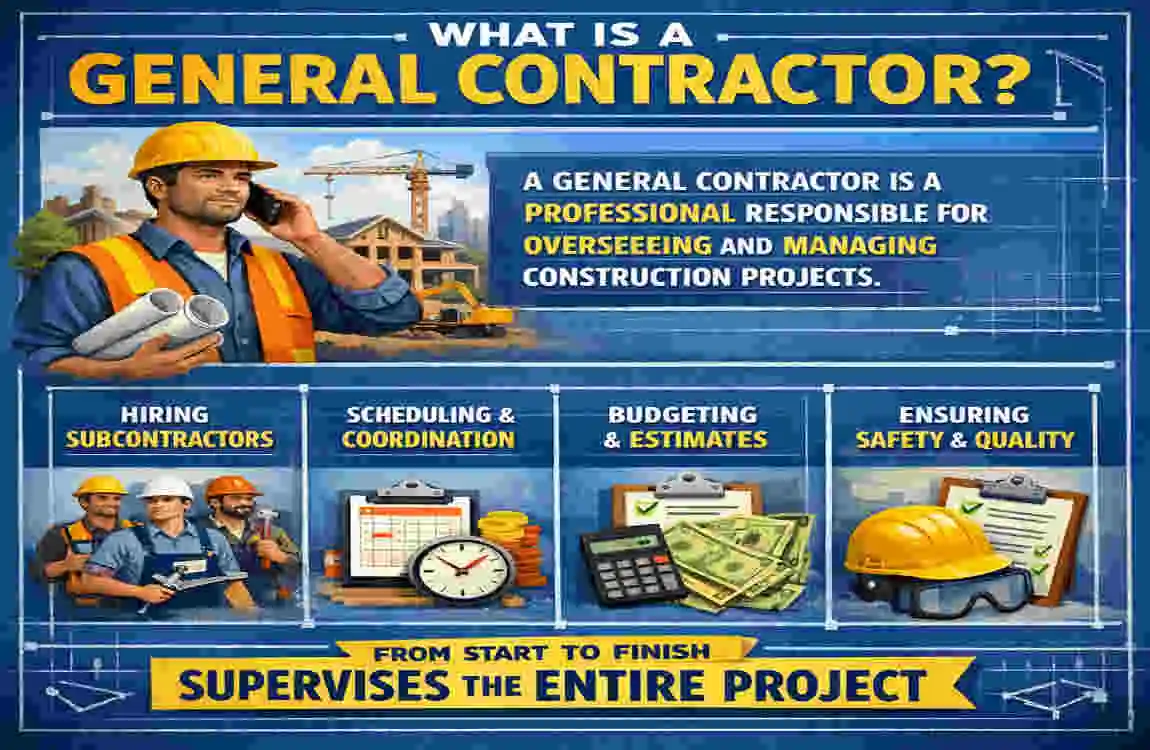
A general contractor is the person or company that runs the construction project. Think of them as the main manager of the job site.
They do not always do every task themselves. Instead, they coordinate the people who do the work. That includes electricians, plumbers, roofers, framers, painters, and other skilled workers.
Definition and Responsibilities
A general contractor oversees the build from the beginning to the end. Their Role is to keep the work organised, on schedule, and aligned with the plans.
They usually handle:
- Hiring subcontractors
- Scheduling work
- Managing the budget
- Arranging inspections
- Tracking materials
- Solving problems on site
In simple terms, they make sure the home gets built correctly and in the right order.
Daily Tasks During Home Construction
A general contractor’s day can be busy. They may visit the site, talk with workers, check on progress, and address delays.
They also spend time answering the homeowner’s questions and ensuring the project stays on track. If a material is late or a worker finishes early, the contractor adjusts the schedule.
This kind of work is important because homebuilding has many moving parts. Without good coordination, delays and mistakes can pile up fast.
Difference Between a General Contractor and a Home Builder
These two roles sound similar, but they are not always the same.
A general contractor mainly manages construction. A home builder may offer more services, such as design, planning, land development, and even packaged home models.
Some companies do both. Others focus on one side of the process.
If you want a more custom home, a builder may offer more design help. If you already have plans and need someone to manage the build, a general contractor may be the better fit.
Can a General Contractor Build a House?
Yes, a general contractor can often build a house, but there are a few important conditions.
The Simple Answer
The simple answer is yes. A licensed general contractor can manage the full construction process and build a house with the help of subcontractors and proper permits.
In many projects, they are the main person responsible for turning the house plans into a finished home.
Licensing Requirements
The contractor must usually be licensed to work in the area. Licensing rules vary by state, county, and city.
A license shows that the contractor has met basic legal and professional requirements. This may include experience, exams, insurance, and knowledge of building rules.
If a contractor is not properly licensed, the project may face legal and financial problems.
State and Local Regulations
Every location has its own building rules. Some places are strict, while others are more flexible.
Local laws may control:
- Who can build
- What permits are needed
- What inspections must happen
- Which building codes apply
That is why you should always check local rules before starting a home project. What works in one area may not be allowed in another.
When a General Contractor Can Build a Home
A general contractor can build a home when:
- They are properly licensed
- The project follows local building codes
- The homeowner has approved plans
- Permits are in place
- Qualified subcontractors are used
So yes, a general contractor can absolutely build a house, as long as the project is done legally and professionally.
What Does a General Contractor Handle?
A general contractor is involved in many parts of the build. Their job is not only to supervise but also to keep the entire project moving smoothly.
Hiring and Managing Subcontractors
Most general contractors do not do every trade themselves. Instead, they hire specialists for each part of the home.
That may include:
- Framing crews
- Plumbers
- Electricians
- HVAC workers
- Roofers
- Drywall installers
- Painters
The contractor ensures each worker shows up at the right time and completes the correct part of the job.
Scheduling Construction
Construction depends on good timing. One trade usually has to finish before the next one begins.
For example, plumbing often needs to happen before walls are closed up. Framing must happen before electrical work. Roofing must happen before interior finishes.
The general contractor keeps this schedule organised so the project does not stall.
Budget Management
A home build can become expensive quickly. A general contractor helps track spending and control costs.
They usually watch for:
- Labor costs
- Material prices
- Change orders
- Unexpected repairs
- Delivery delays
Good budget management helps reduce surprises and keeps the homeowner informed.
Building Permits and Inspections
Most homes need permits before construction starts. Many also need inspections during the process.
A contractor usually handles the paperwork and coordinates with inspectors. This helps make sure the home meets local rules and passes each step.
Material Purchasing
In many projects, the contractor orders materials such as lumber, drywall, flooring, cabinets, and fixtures.
This saves time and helps avoid ordering mistakes. It also keeps the schedule moving because materials arrive when needed.
Quality Control
A general contractor checks the work as it happens. They make sure the project is being built to the correct standard.
If something looks wrong, they can fix it early instead of waiting until the end.
That kind of attention matters because small problems can turn into expensive repairs later.
Benefits of Hiring a General Contractor

Hiring a general contractor can make the whole homebuilding process easier and more organised.
One Point of Contact
Instead of dealing with many different workers, you usually speak with one main person.
That makes communication easier. If something changes, you know who to call.
Saves Time
A contractor understands how to keep the project moving. They know when each trade should start and finish.
That helps avoid wasted time and reduces delays.
Professional Project Management
Homebuilding is complicated. A contractor helps manage the moving parts so the work stays organised.
They know how to handle scheduling, labour, supplies, and problem-solving.
Better Coordination
When different trades work together, coordination matters a lot. A general contractor keeps everyone aligned.
That helps reduce mistakes and rework.
Reduced Stress
Building a house can feel overwhelming. A contractor takes on much of the day-to-day pressure.
That leaves you with fewer details to manage yourself.
Access to Trusted Tradespeople
Many contractors already have a group of workers they trust. That can lead to smoother work and better results.
Drawbacks to Consider
A general contractor can be a big help, but there are also a few downsides to think about.
Additional Management Fees
Because the contractor manages the project, they charge for that work.
That fee is often worth it, but it does add to the total cost.
Limited Design Services
Some general contractors focus on building, not design. If you want a very custom home design, you may still need an architect or designer.
Choosing the Wrong Contractor
A poor choice of contractor can lead to delays, cost overruns, and low-quality work.
That is why checking experience, reviews, and license status is so important.
General Contractor vs Custom Home Builder
FeatureGeneral ContractorCustom Home Builder
Main Role Manages construction Designs and builds homes
Design Services Limited Extensive
Project Management Yes Yes
Customization Moderate High
Ideal For Most residential projects Luxury and fully custom homes
A general contractor is usually the better fit if you already have plans and want someone to build the house. A custom home builder may be a better fit if you want more help with design and a fully personalised build.
How to Choose the Right General Contractor
Choosing the right person can make or break your project. Take your time and compare options carefully.
Verify Licensing
Always check that the contractor is licensed for your area. This is one of the first things you should confirm.
Check Insurance
Ask about insurance coverage. This helps protect you if something goes wrong during the project.
Review Previous Projects
Look at houses they have built before. Their past work can tell you a lot about quality and style.
Read Customer Reviews
Reviews can show how the contractor communicates, handles delays, and treats clients.
Request Multiple Quotes
Do not settle on the first estimate you receive. Comparing quotes helps you understand fair pricing.
Ask for References
A good contractor should be willing to share references from past clients. Speaking with those clients can give you useful insight.
Questions to Ask Before Hiring
Before you hire anyone, ask clear questions.
- How many homes have you built?
- Are you licensed and insured?
- Who manages subcontractors?
- What warranties do you provide?
- What is the estimated timeline?
- How are unexpected costs handled?
These questions help you understand how the contractor works and whether they are a good match for your project.
Typical Cost of Hiring a General Contractor
General contractor pricing can vary depending on the size and complexity of the home.
Percentage-Based Pricing
Some contractors charge a percentage of the total build cost. This is often around 10% to 20%.
This model is common when the contractor manages the full project.
Fixed-Price Contracts
A fixed-price contract sets one total amount for the project. This can make budgeting easier because you know the number upfront.
Cost-Plus Contracts
With a cost-plus contract, the homeowner pays the actual project costs plus the contractor’s fee.
This can work well, but it requires careful tracking.
Factors That Affect Pricing
Several things can change the price:
- Home size
- Location
- Material choices
- Labor costs
- Project complexity
- Unexpected site issues
Here is a simple table to show the main cost drivers:
Factor Impact on Cost
Home size High
Labor High
Materials High
Site conditions Medium–High
Custom features High
Permit needs Medium
Tips for a Successful Home Building Project
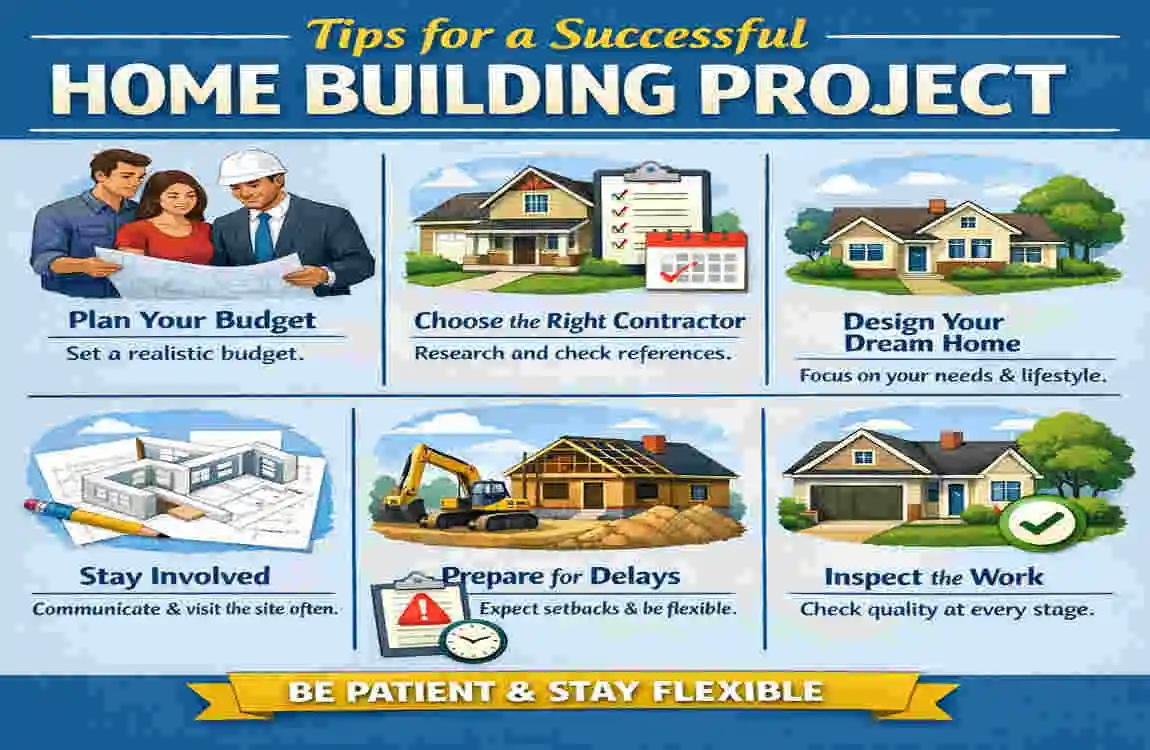
A good project starts with planning. These simple habits can make the build smoother.
Plan Your Budget
Set a realistic budget early. Include room for extras because home projects often change as they progress.
Communicate Regularly
Stay in touch with your contractor. Regular updates help you catch issues before they grow.
Keep Documentation
Save contracts, invoices, plans, and change requests. Good records help avoid confusion.
Schedule Site Visits
Visit the site from time to time. Seeing the work in person helps you stay informed.
Prepare for Delays
Delays happen in construction. Weather, supply issues, and inspections can all affect the timeline.
Being prepared helps you stay calm when plans shift.
Common Mistakes to Avoid
A lot of homebuilding stress comes from simple mistakes that could have been avoided.
- Hiring without checking credentials
- Choosing based only on price
- Skipping written contracts
- Ignoring permits
- Poor communication
- Changing plans frequently
If you avoid these problems, your project has a better chance of staying on time and on budget.
Frequently Asked Questions
Can a general contractor build a house from start to finish?
Yes. A licensed general contractor can manage the entire process, including permits, subcontractor coordination, and final inspection.
Is a general contractor the same as a home builder?
Not always. A general contractor mainly manages construction, while a home builder may also offer design and planning services.
Do I need an architect if I hire a general contractor?
In most cases, yes. You usually need house plans before construction begins.
How much does a general contractor charge?
They often charge 10% to 20% of the project cost or work under a fixed-price contract.
Can I build my own home without a general contractor?
Yes, but you will need to handle permits, scheduling, subcontractors, inspections, and budgeting yourself.
How do I know if a contractor is qualified?
Check their license, insurance, experience, references, reviews, and past work.
| Topic | Information |
|---|---|
| Can a General Contractor Build a House? | Yes. A licensed general contractor can manage and oversee the construction of a new home from start to finish. |
| Primary Role | Coordinates the entire project, hires subcontractors, manages schedules, and ensures quality work. |
| Licensing | Most states require general contractors to hold a valid license and meet local building regulations. |
| Responsibilities | Project planning, permits, budgeting, material procurement, subcontractor management, inspections, and final completion. |
| Who They Hire | Electricians, plumbers, HVAC technicians, roofers, painters, framers, and other specialized trades. |
| Permits | Obtains required building permits and schedules inspections with local authorities. |
| Cost | Typically charges 10%–20% of the total construction cost or works under a fixed-price contract. |
| Advantages | Saves time, simplifies project management, ensures code compliance, and coordinates all construction phases. |
| Potential Drawbacks | Costs more than self-managing a project and quality depends on the contractor’s experience. |
