
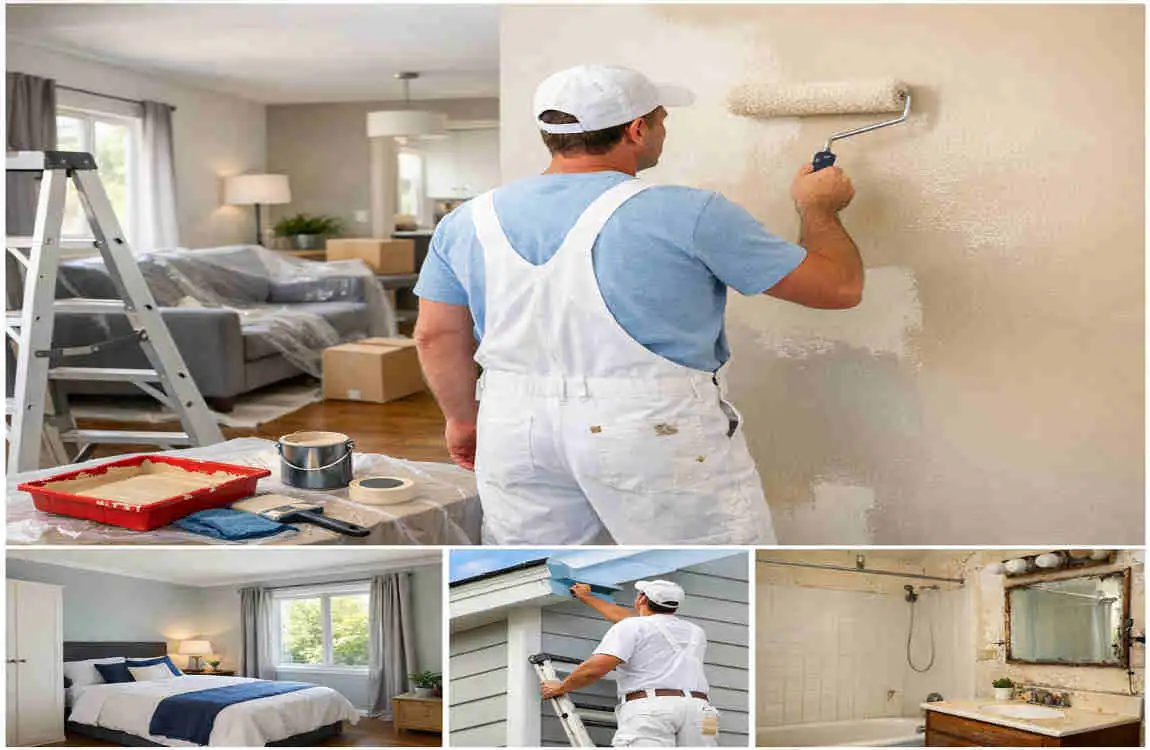
Painting is one of the easiest ways to keep a rental property looking clean, cared for, and attractive. Fresh paint can make a home feel brighter, newer, and more comfortable for tenants. It also helps protect walls from everyday wear, moisture, and small damage.
If you own rental property, you may wonder how often a landlord should paint a house. The answer is not the same for every home. It depends on the room, the amount of use, the climate, the quality of paint, and how tenants treat the property.
A good painting schedule can help you protect your investment and reduce bigger repair costs later. It can also improve tenant satisfaction, which matters more than many landlords realise.
How Often Should a Landlord Paint a House?
General Rule for Rental Property Painting
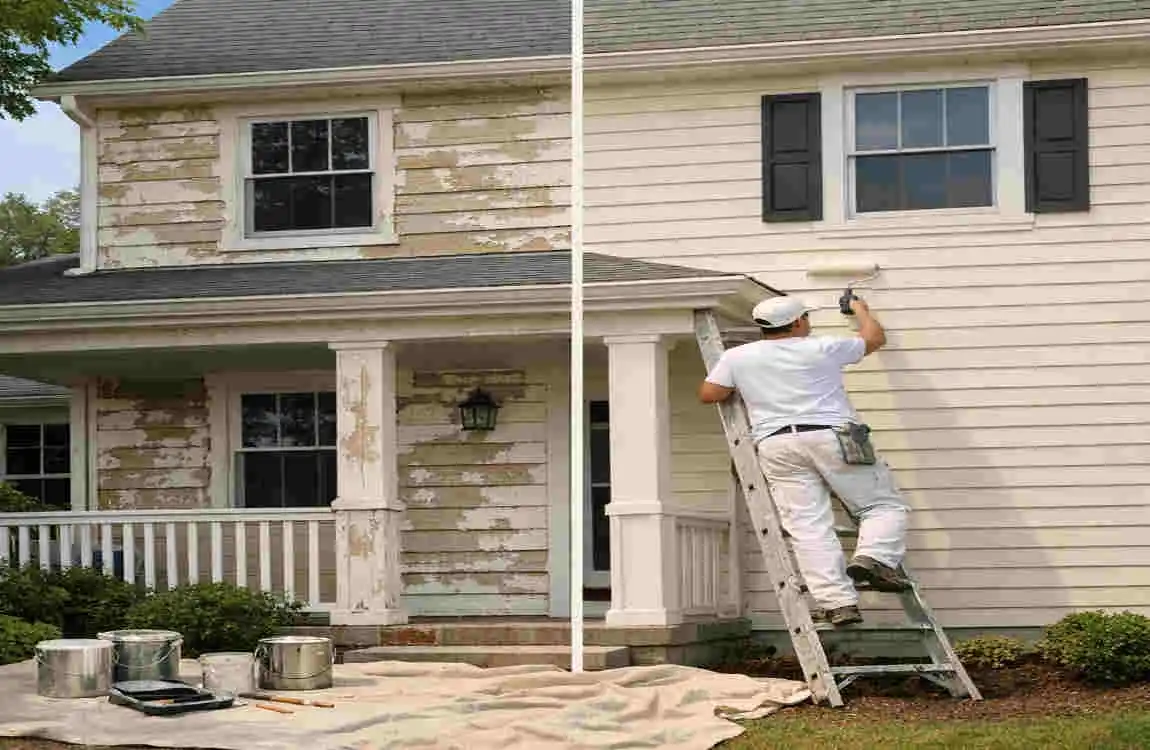
A good rule of thumb is that most rental homes should be painted every 3 to 5 years on the inside. High-use spaces may need paint sooner, while low-traffic rooms can last longer.
For the outside of the house, painting usually happens every 5 to 10 years. Weather plays a big role here. Homes in hot, sunny, humid, or rainy areas may need repainting more often.
Interior vs Exterior Painting Schedule
Here is a simple guide for common repainting timelines:
Area Recommended Painting Frequency
Living Room Every 3–5 years
Bedrooms Every 4–5 years
Kitchen Every 3–4 years
Bathrooms Every 2–4 years
Hallways Every 2–3 years
Exterior Walls Every 5–10 years
This schedule is not fixed. It should change based on how much the property is used and how well it has been maintained.
Why Landlords Need to Repaint Rental Properties
Maintain Property Appearance
Fresh paint helps a rental home look clean and well cared for. That matters because tenants often judge a property the moment they walk in.
A clean paint job can make rooms feel newer and more welcoming. It can also help you attract better tenants who value a well-kept home.
Protect Walls and Surfaces
Paint does more than improve appearance. It also works as a protective layer for the walls.
That layer can help guard against:
- Moisture
- Mold growth
- Cracks
- General wear and tear
When paint begins to break down, the walls become easier to damage. Repainting on time can prevent bigger problems later.
Increase Rental Property Value
A properly maintained home often rents faster and may support a stronger rental price. Tenants usually prefer homes that look fresh and move-in ready.
So, when you think about how often a landlord should paint a house, remember that paint is not just cosmetic. It is part of protecting the property’s long-term value.
Factors That Affect How Often a Landlord Should Paint a House
Type and Quality of Paint Used
Not all paint lasts the same amount of time. High-quality paint usually holds up better, resists stains, and keeps its colour longer.
Cheaper paint may fade, peel, or stain more quickly. That means you may end up repainting sooner and spending more over time.
Number of Tenants and Property Usage
Some homes get much more wear than others. A house with children, pets, or frequent guests will usually need repainting sooner than a quieter property.
Tenant turnover also matters. More move-ins and move-outs often mean more wall marks, nail holes, and touch-ups.
Climate and Weather Conditions
Weather can affect both interior and exterior paint.
For example:
- Humid areas may lead to peeling or mildew
- Strong sun can fade exterior colours
- Rain and storms can damage outside walls faster
If your rental is in a harsh climate, you may need to repaint more often than the general rule suggests.
Room Function and Traffic Level
Some rooms get used more than others. Kitchens and bathrooms deal with steam, splashes, and stains. Hallways and entryways get bumped, scuffed, and touched all the time.
That is why painting needs often differ from room to room.
Signs That a Rental House Needs New Paint
Peeling or Cracking Paint
This is one of the clearest signs that repainting is due. Peeling usually means the paint is old, damaged, or affected by moisture.
Faded or Discoloured Walls
Walls can lose their fresh look over time, especially if they get direct sunlight. Fading makes a home look older and less cared for.
Stains and Marks
Common issues include:
- Smoke damage
- Water stains
- Scuff marks
- Tenant accidents
If marks cannot be cleaned easily, painting may be the best fix.
Outdated Colors
Even if the walls are still in decent shape, the colour may no longer feel modern. Neutral shades usually work better in rentals because they appeal to more people.
Should Landlords Paint Between Tenants?
When Painting Between Tenants Is Recommended
Painting between tenants is often a smart idea if:
- The previous tenant stayed a long time
- The walls have visible damage
- You want to raise the rent
- The home needs a fresher appearance
A repaint before new tenants move in can help you start with a clean slate.
When Full Painting May Not Be Necessary
You do not always need a full repaint. Sometimes, a few touch-ups are enough.
That may be the case when:
- The tenant stayed for a short time
- Wall damage is very minor
- The colour still looks fresh
- Only small scuffs need repair
As a landlord, you should inspect carefully before deciding.
Who Pays for Painting a Rental Property?
Landlord Responsibilities
In most cases, the landlord pays for normal maintenance and wear and tear. That includes repainting when the paint gets old or faded over time.
Landlords usually handle painting when preparing a home for new tenants or when the property needs general upkeep.
Tenant Responsibilities
Tenants may be responsible for damage they cause. This can include things like:
- Unauthorised wall painting
- Excessive stains
- Large holes or damage
- Negligent wall damage
If the tenant caused the problem, the cost may be handled through the security deposit or another agreement.
Understanding Normal Wear and Tear
Normal wear and tear is expected in any home. It does not usually mean the tenant did anything wrong.
Examples include:
- Minor nail holes
- Light scuff marks
- Slight fading
These are normal signs of use, not damage.
How Much Does It Cost for a Landlord to Paint a House?
Average Interior Painting Costs
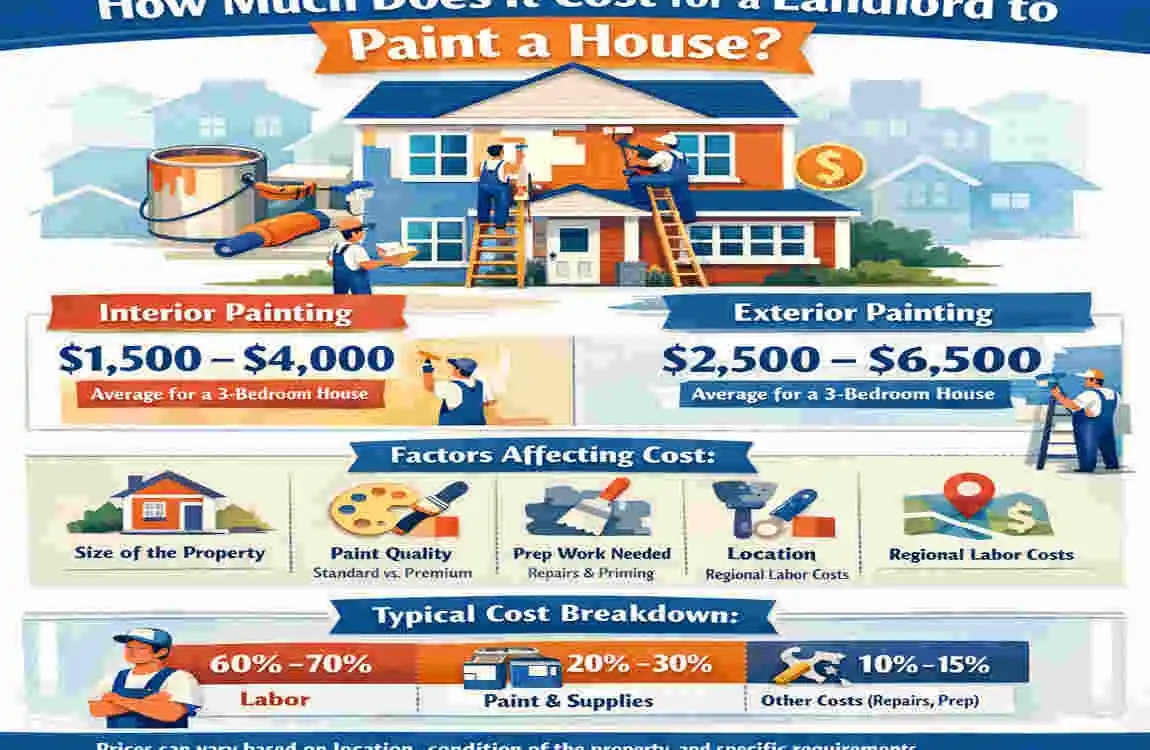
Painting costs can vary a lot. The total usually depends on:
- Home size
- Paint quality
- Labor rates
- Number of rooms
- Surface condition
A small rental unit will cost much less than a large multi-bedroom home. If the walls need heavy prep work, the price can go up.
Ways Landlords Can Reduce Painting Costs
You can control costs without lowering quality. A few smart steps include:
- Using durable paint
- Scheduling painting during vacancy periods
- Handling small touch-ups early
- Hiring professionals for larger jobs
The cheapest option is not always the best. Good paint and proper prep can save money over time.
Best Paint Choices for Rental Properties
Durable Interior Paint Options
Different rooms need different paint finishes.
- Satin finish works well in living rooms and common areas
- Semi-gloss is a good choice for kitchens and bathrooms
- Eggshell works nicely in bedrooms and other low-moisture spaces
These finishes offer a good balance of appearance and durability.
Best Colours for Rental Homes
The safest colours for rentals are usually:
- White
- Beige
- Light gray
- Soft neutral shades
These colours create a clean look and make it easier to match furniture and décor.
Why Neutral Colours Work Better
Neutral paint colours appeal to more tenants. They also make rooms look brighter and larger.
Another benefit is that they are easier to repaint or touch up later. That makes them a practical choice for landlords.
Landlord Painting Checklist Before Renting a House
Inspect Walls and Ceilings
Before painting, check for:
- Cracks
- Water stains
- Peeling paint
- Dirty areas
If you skip this step, paint may not stick well or may hide bigger problems.
Repair Damage Before Painting
Fix the wall first, then paint it. That means:
- Filling holes
- Cleaning surfaces
- Solving moisture issues
A smooth surface gives you a much better final result.
Choose the Right Paint and Finish
Not every product works well in a rental home. Pick paint that is strong, washable, and suited to the room.
Document Property Condition
Take photos before and after painting. Keep records of what was repaired and when it was done.
This helps with tenant communication and property management.
Tips to Make Rental Paint Last Longer
Use Washable Paint
Washable paint makes it easier to clean marks without damaging the finish. That can stretch the life of the paint job.
Encourage Proper Tenant Care
You can reduce wear by giving tenants simple care guidelines. Let them know how to handle wall marks and small issues.
Perform Regular Inspections
Small problems are easier to fix early. Regular checks help you find damage before it gets worse.
Fix Moisture Issues Quickly
Moisture can ruin a paint job fast. If you notice leaks or damp spots, fix them right away.
Common Mistakes Landlords Make When Painting
Painting Over Damaged Walls
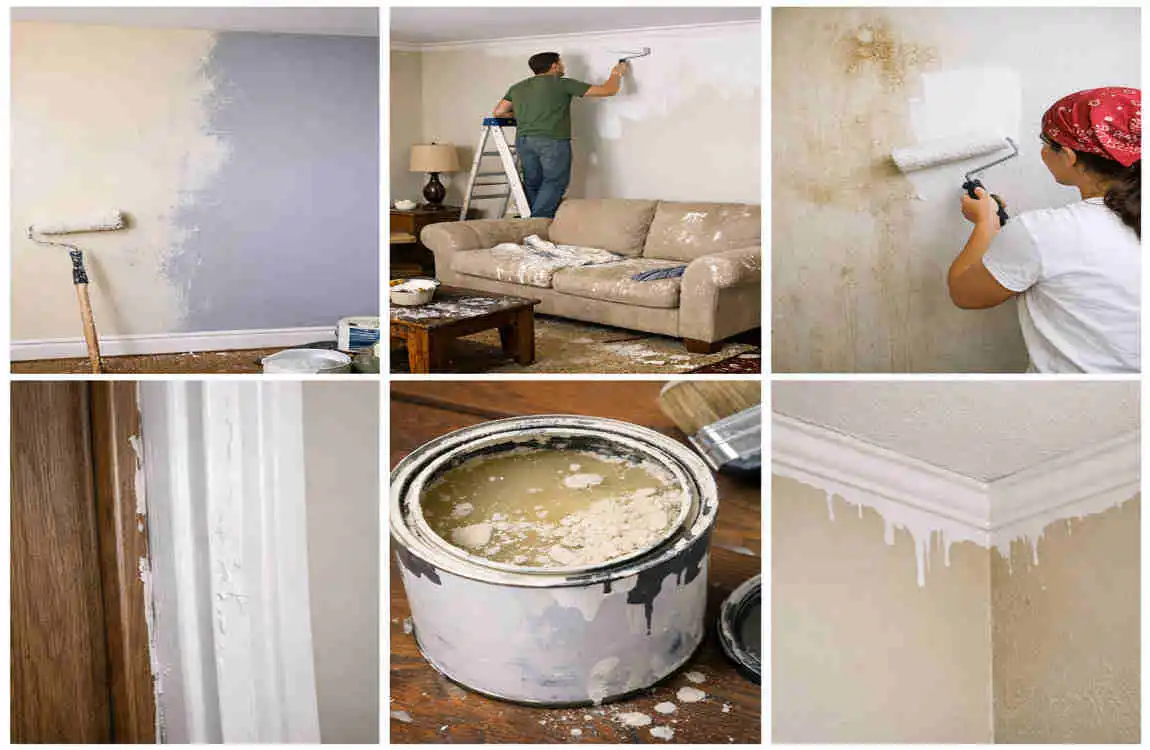
Paint does not solve wall problems by itself. If the surface is damaged, repair it first.
Choosing Cheap Paint
Low-cost paint may seem like a bargain, but it often wears out faster. That can lead to more painting costs later.
Ignoring Exterior Maintenance
The outside of the house matters too. Exterior paint protects the building from weather and damage.
Using Trendy Colors
Bold or trendy colours may look fun at first, but they do not always appeal to renters. Neutral shades are usually safer.
Professional Painter vs DIY Painting for Landlords
Benefits of Hiring Professionals
Hiring a pro can save time and give you a smoother finish. Professional painters also know how to prep walls properly.
When DIY Painting Makes Sense
DIY can work for:
- Small touch-ups
- Minor repairs
- Single rooms
- Low-budget updates
Choosing the Right Option
Think about:
- Your budget
- Property size
- Time available
- The quality you want
For large rental homes, professional help is often worth it.
Frequently Asked Questions
How often should a landlord paint a house?
Most landlords should repaint interiors every 3–5 years and exteriors every 5–10 years, depending on condition and climate.
Is a landlord required to repaint between tenants?
Not always. Laws vary, but landlords usually need to keep the property safe and habitable, not repaint after every tenant.
Who pays for painting in a rental property?
Landlords usually pay for normal wear and tear, while tenants may pay for damage they cause.
What paint colour is best for rental properties?
Neutral colours like white, beige, and grey are popular because they appeal to more tenants.
How can landlords make paint last longer?
Use quality paint, fix moisture issues, and inspect the property regularly.
Should landlords repaint after five years?
Often yes, but the property’s condition should always guide the final decision.
| Area / Situation | Recommended Painting Frequency | Key Reason |
|---|---|---|
| Interior Walls | Every 3–5 years | Keeps the rental looking fresh and helps maintain property value. |
| High-Traffic Areas (Hallways, Living Rooms) | Every 2–3 years | These areas get more scuffs, marks, and wear. |
| Bedrooms | Every 4–5 years | Usually experience less damage compared to common areas. |
| Kitchen & Bathroom Walls | Every 2–4 years | Moisture, stains, and humidity can damage paint faster. |
| Exterior Paint | Every 5–10 years | Weather exposure, sunlight, and moisture affect durability. |
| Between Tenants | As Needed | Touch up damage, stains, or worn areas before a new tenant moves in. |
| Luxury or High-End Rentals | Every 3–5 years | Maintains a premium appearance and attracts quality tenants. |
