
Renting out a spare room can be a useful way to earn extra income, reduce household expenses, and make better use of your available space. However, before welcoming a tenant, it is important to understand the legal requirements and responsibilities involved. The rules can vary depending on where you live, whether you own or rent your property, and any mortgage or tenancy agreements in place.
5 Things That Decide Whether Your Room Rental Is Legal
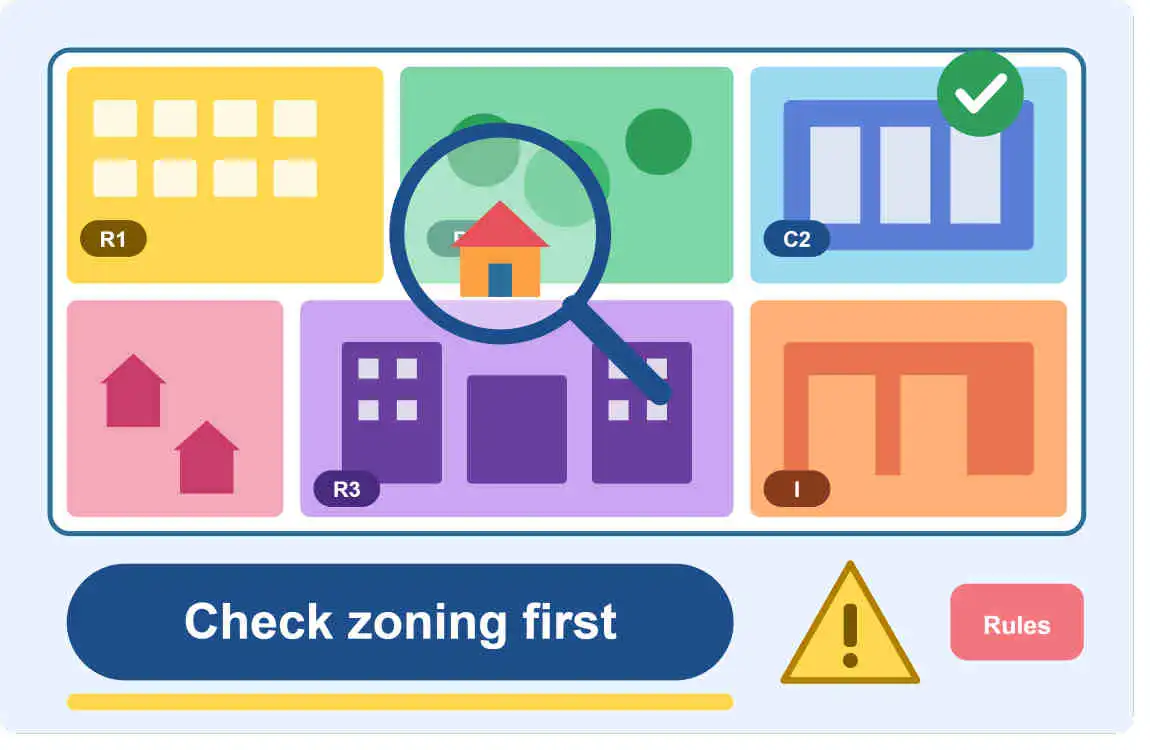
Local zoning laws
This is the big one. Some neighborhoods are zoned strictly for single-family use, and certain cities limit how many unrelated people can live in one modern home or require a permit or license before you rent to a non-family member. Violating zoning rules can lead to fines.
Before you list anything, call or visit your city’s zoning office or housing department and ask a simple question: “Can I rent a room in my home here, and do I need a permit?” It takes ten minutes and can save you thousands.
Your mortgage, HOA and insurance
Even if the city says yes, your own paperwork might say no. Renting out rooms can breach the terms of a mortgage or lease agreement, and HOA restrictions are another common roadblock (see Cardinal Financial).
Read your mortgage documents and HOA rules, and tell your insurance company. A standard homeowners policy may not fully cover a paying tenant, so ask about a landlord or cozy home-sharing endorsement.
Fair housing law
Federal law prohibits housing discrimination based on race, color, national origin, religion, sex, familial status and disability. There is a narrow exemption sometimes called the “Mrs. Murphy” exemption, which can apply to owner-occupied buildings with no more than four units. But two things trip people up:
- Advertising still has limits. The ban on discriminatory advertising and statements applies even to owner-occupied housing that is otherwise exempt, according to the U.S. Department of Housing and Urban Development (HUD).
- States can be stricter. Your state or city may have its own fair housing law with different or narrower exemptions than the federal one.
The safe approach: write your listing around the room, the price and the house rules, never around who you do or don’t want to live with.
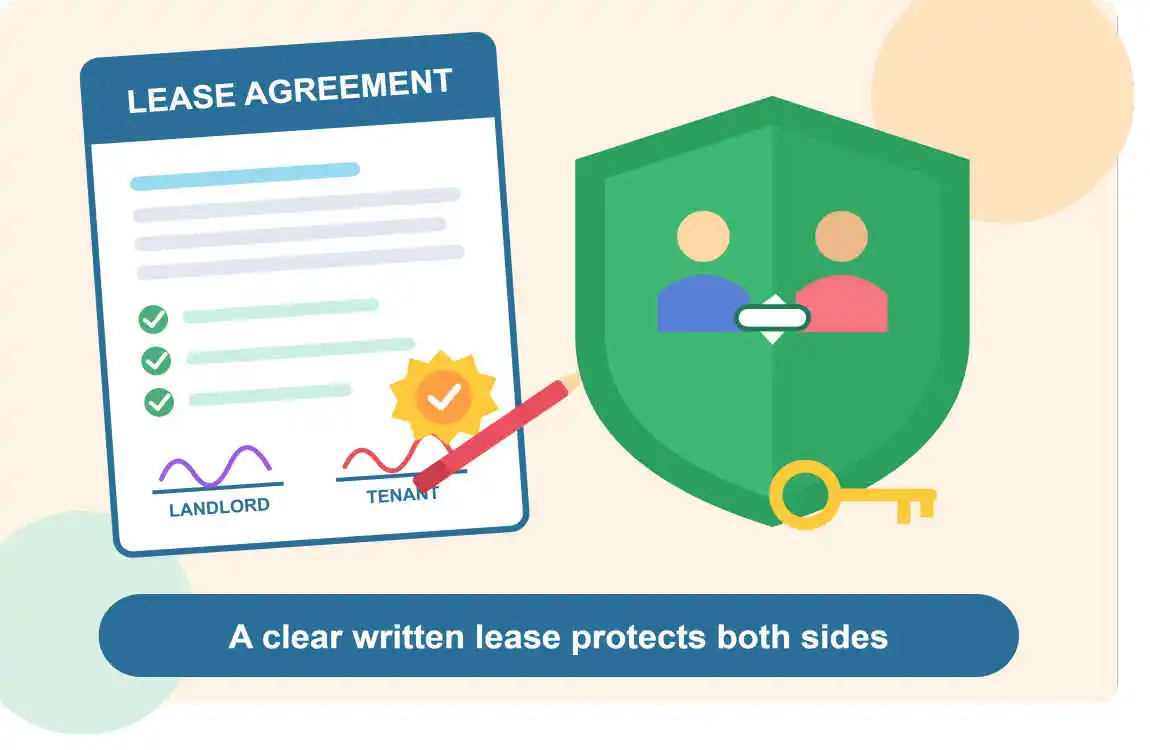
A written lease agreement
A handshake deal feels friendly, but it’s a risk. Put everything in writing: rent amount and due date, lease length, security deposit, shared spaces, utilities, guests, quiet hours and what happens if either side wants to end the arrangement. Many states require a written lease when a tenancy runs longer than a year (see iPropertyManagement), and real estate house rules you don’t write down are hard to enforce.
Taxes on the rent you collect
Rent is income, and it’s taxable. In the U.S., the IRS defines rental income broadly as any payment you receive for the use or occupation of property, and IRS Publication 527 has a section specifically on renting only part of your property, including how to divide expenses between your personal space and the rented room. The IRS also summarizes the basics on its Tax Topic 415 page.
Keep records of every rent payment and every related expense from day one. Your accountant will thank you.
Renting a Room in the UK: The Rent a Room Scheme
If you’re in the UK, there’s good news. The government’s Rent a Room Scheme lets you earn up to £7,500 a year tax-free from letting furnished accommodation in your home. That threshold is halved to £3,750 if you share the income with someone else.
HMRC’s HS223 helpsheet explains what to do if you earn more than the limit: you can either pay tax on your actual profit or on your gross receipts above the limit. The Low Incomes Tax Reform Group also points out that the £7,500 limit has not increased since 2016 (see LITRG).
Your Quick Pre-Listing Checklist
- Confirm zoning rules and any permit or license requirements with your local council or city office.
- Read your mortgage, lease (if you’re a tenant yourself) and HOA rules.
- Call your insurer about tenant coverage.
- Check smoke alarms, carbon monoxide detectors and safe exits in the rented room.
- Write a clear listing that describes the room, not the “ideal person.”
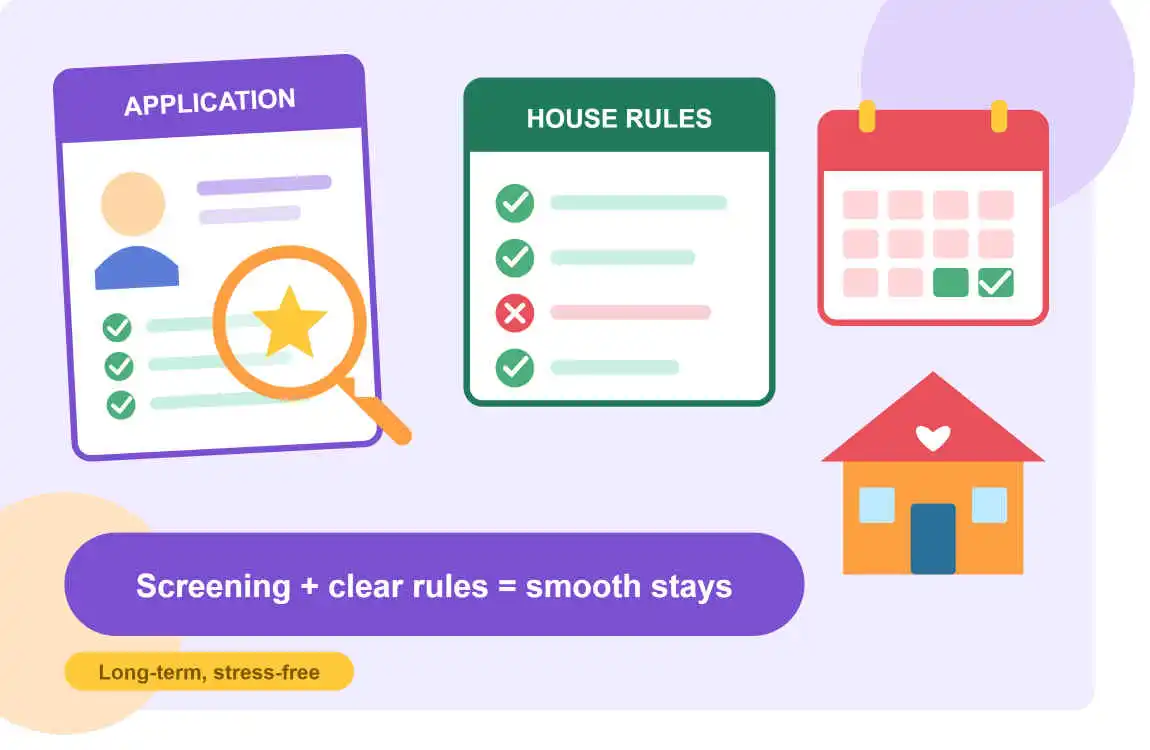
- Screen applicants consistently, the same way every time.
- Use a written lease with house property rules and a deposit clause.
- Set up simple records for rent received and expenses paid.
What If Things Go Wrong?
Ending a room rental can be simpler than evicting a tenant from a whole house, but every state has its own rules, and some require formal notice or a court process (see BiggerPockets). Never change the locks, remove belongings or cut off utilities to push someone out. Check your local rules first, and keep notices in writing.
Frequently Asked Questions
Do I need a license to rent a room in my house?
It depends on where you live. Some cities require a permit or rental license, others don’t. Ask your local zoning or housing office before you advertise.
Can I rent a room if I have a mortgage?
Often yes, but check your mortgage agreement first. Some lenders restrict renting, and you may need to notify them.
Do I have to pay tax on rent from a room?
Generally, yes. In the U.S. rental income is reportable, with deductions available for related expenses. In the UK, the Rent a Room Scheme makes income up to £7,500 a year tax-free.
Do I need a written lease for one room?
Strongly recommended. Even where it isn’t strictly required, a written lease sets expectations and protects you if there’s a dispute.
The Bottom Line
Renting a room in your house is legal in most places, and it can be a smart way to cover costs or build income. The key is doing it by the book: check zoning, read your mortgage and HOA rules, follow fair housing law, put everything in a lease, and report the income. Do those five things and you’ve avoided nearly every common mistake.
