
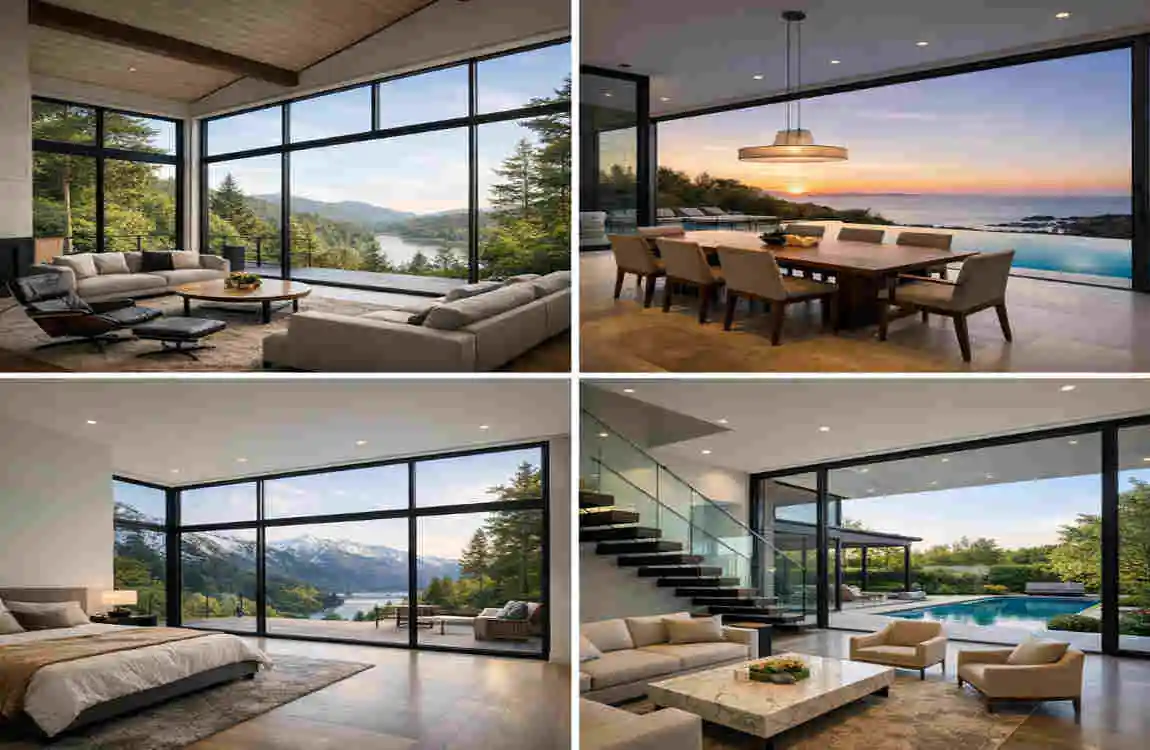
If you have ever flipped through a modern home design magazine, you have likely noticed one striking feature that appears again and again: massive, beautiful glass walls. Homeowners everywhere are trading in their standard, small windows for large glass panels that open up their living spaces to the outside world.
There is a very good reason for this trend. Installing a floor-to-ceiling window at home is one of the most effective ways to transform your interior. It floods your rooms with natural sunlight, frames beautiful outdoor views, and instantly gives your property a high-end, luxury feel.
What Is a Floor to Ceiling Window at Home?
Definition and Basic Design Features
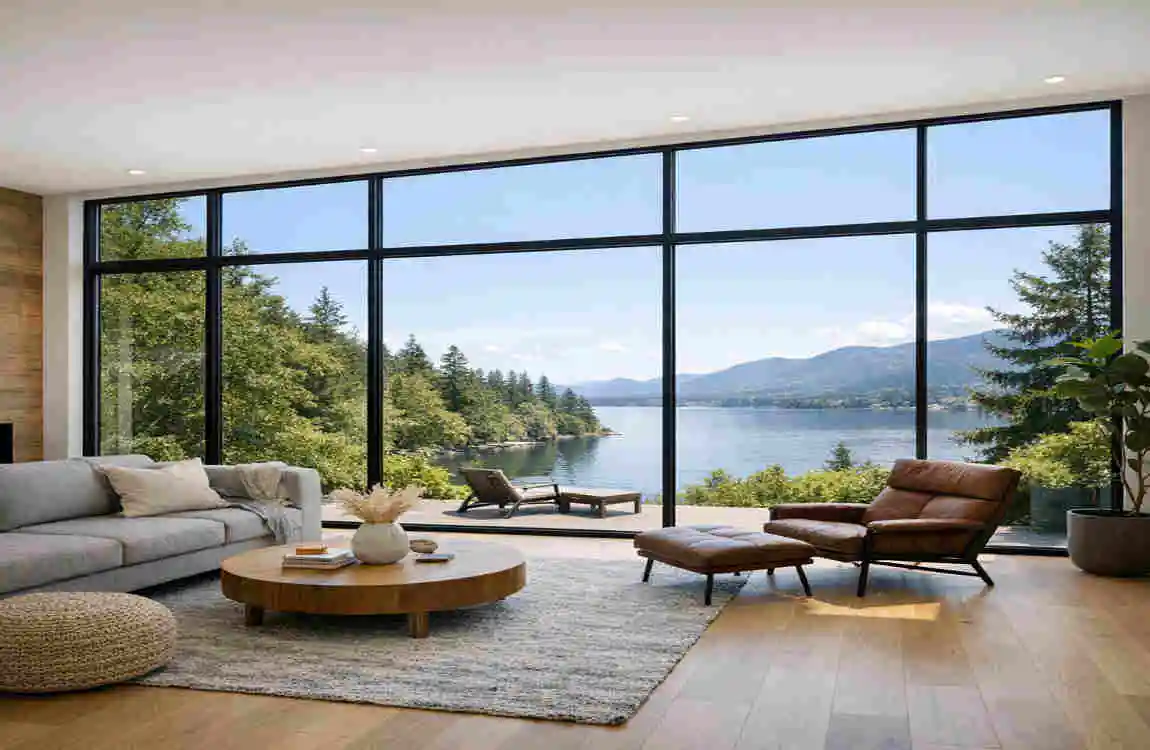
A floor-to-ceiling window is exactly what it sounds like: a large panel of glass that spans the entire height of a wall, starting from the floor level and reaching all the way up to the ceiling.
Instead of traditional walls that block your view and limit your light, these windows act as transparent boundaries. They separate your indoor comfort from the outdoor elements while keeping your visual connection to nature completely open.
To build these massive glass walls, manufacturers use strong, reliable materials. Some of the most common materials include:
- Tempered glass: This is a safety glass treated with heat to make it incredibly strong. If it breaks, it shatters into small, blunt pebbles rather than dangerous, sharp shards.
- Double-glazed glass, also known as double-pane glass, features two layers of glass with a pocket of air or gas between them. It acts as a powerful blanket, keeping your home warm in the winter and cool in the summer.
- Aluminum frames: These lightweight, incredibly strong frames are perfect for supporting large, heavy glass panes. They also offer a sleek, modern look.
- Vinyl frames: A more budget-friendly option, vinyl frames are highly energy-efficient and require very little maintenance over the years.
Why Are Floor-to-Ceiling Windows Popular in Modern Homes?
Have you ever walked into a room and felt instantly relaxed? That is the magic of open space. Large windows create an incredibly open and spacious feeling, making even modest rooms feel grand.
They beautifully connect your indoor living areas with your outdoor patios, gardens, or surrounding landscapes. This connection enhances the architectural beauty of your property, giving your house a custom-built, premium appearance. Most importantly, they provide panoramic views that no painting or piece of wall art could ever match.
Benefits of Installing Floor-to-Ceiling Windows at Home
Maximizes Natural Light
Nothing beats the warmth and beauty of natural sunlight. When you install oversized windows, you invite the sun directly into your living spaces.
These large windows brighten dark corners and instantly make your home feel more cheerful. Because so much natural light is pouring in, you will dramatically reduce your dependence on artificial lighting during the day. This not only saves you money on electricity but also creates a healthier, more welcoming environment that can actually boost your daily mood.
Makes Small Rooms Feel Bigger
If you have a small room or a tight apartment, a solid wall can make the space feel like a closed box. Large glass windows fix this problem by creating visual depth.
When your eyes can look beyond the edge of the room and out into the yard or the city skyline, it creates the illusion of expanded space. The room suddenly feels twice as large. This trick works wonderfully for compact homes, narrow dining areas, or small bedrooms.
Improves Home Aesthetics
You want your home to look beautiful, and large windows deliver an instant aesthetic upgrade. They serve as a luxury architectural feature that immediately catches the eye.
Oversized glass complements almost all modern interior styles, especially minimalism, where clean lines and natural elements take center stage. Ultimately, these windows enhance your property’s curb appeal, making it look stunning from both the inside and the outside.
Provides Beautiful Outdoor Views
Why hide your beautiful surroundings behind drywall? A floor-to-ceiling window at home allows you to enjoy the world outside from the comfort of your sofa.
Depending on where you live, you can frame breathtaking views of:
- Lush green gardens
- Towering mountains
- Glittering city landscapes
- Sparkling backyard swimming pools
- Peaceful natural scenery
Improves Energy Efficiency (With the Right Glass)
You might worry that a giant wall of glass will let all your heating and cooling escape. However, modern window technology has solved this issue brilliantly.
When you choose the right materials, large windows can be highly energy-efficient.
- Low-E (Low-Emissivity) glass: This glass has an invisible coating that reflects heat. It keeps the summer heat out and the winter warmth in.
- Double glazing: The trapped gas between the two glass panes provides superior insulation.
- Insulated window systems: Modern frames feature “thermal breaks” that stop the transfer of heat and cold.
With these technologies, you can easily control heat gain and loss, keeping your utility bills manageable.
Modern Floor to Ceiling Window Design Ideas for Homes
Living Room Floor to Ceiling Glass Walls
Your living room is the heart of your home, making it the perfect place for a dramatic focal point. A full glass wall transforms a basic living room into a luxury retreat.
To make the most of this design, pair your large windows with modern, low-profile sofas that do not block the view. Stick to minimal furniture and neutral colors like white, beige, or soft gray. This allows the vibrant colors of the outdoors to become the main artwork in your room.
Bedroom Floor to Ceiling Windows
Imagine waking up to a golden sunrise pouring into your room. Bedroom glass walls add a gentle, natural morning light that helps you wake up feeling refreshed.
Of course, privacy and sleep are critical in a bedroom. To manage this, you can pair your windows with smart blinds that open and close via a remote control or smartphone app. You can also use heavy, elegant blackout curtains, or even switchable privacy glass that turns frosted at the push of a button.
Kitchen With Large Glass Windows
Cooking feels much less like a chore when you are working in a bright, sunlit space. A kitchen with oversized glass windows creates a brighter cooking area that feels clean and open.
If your kitchen faces a backyard, large glass panels can seamlessly connect your indoor cooking space with your outdoor patio, making summer barbecues and family gatherings incredibly easy and fun.
Floor-to-Ceiling Sliding Glass Doors
Why settle for just looking outside when you can walk right out? By combining large windows with sliding door mechanisms, you get the best of both worlds.
These sliding glass walls are ideal for backyard access. When the weather is beautiful, you can slide the massive doors open, completely merging your indoor living room with your outdoor entertaining areas.
Home Office With Full Height Windows
Working from home can sometimes feel isolating. But if you add full-height windows to your home office, you will instantly improve the atmosphere of your workspace.
Staring at a beautiful view gives your eyes a break from glaring computer screens. Natural light boosts your energy and creates an inspiring environment that can make you more productive.
Best Places to Install Floor-to-Ceiling Windows
Living Room
As mentioned, the living room is the most popular location for oversized glass. Because you spend so much time relaxing and entertaining here, it is the best place to create a luxury centerpiece that your guests will admire.
Dining Area
Eating a meal next to a beautiful view makes every dinner feel like a special occasion. Large windows in the dining area enhance family gatherings and add an elegant, restaurant-like atmosphere to your daily meals.
Staircase Areas
Staircases are often dark, narrow, and overlooked. Replacing a standard wall next to your stairs with tall glass adds incredible architectural interest. It transforms a boring hallway into a bright, floating transition space.
Modern Home Extensions
If you are adding a new room to your house, consider making one or more of the new walls entirely out of glass. Home extensions are the perfect opportunity to create a seamless indoor-outdoor connection without messing with the original structure of your older home.
Types of Floor to Ceiling Windows for Homes
Fixed Glass Windows
Fixed windows are large panes of glass that do not open or close. They are locked into the frame permanently. These are the best choice if you want maximum views with zero visual interruptions. Because they have no moving parts, they are also the most energy-efficient and require minimal maintenance.
Sliding Glass Windows
Sliding windows (or sliding doors) operate on a track. You push them aside to open up the room. They offer great ventilation and easy operation, allowing you to let fresh air inside whenever you want.
Folding Glass Window Systems
Also known as bi-fold doors, these windows consist of several glass panels hinged together. When you open them, they fold up together like an accordion. They allow you to create completely open spaces by removing the entire glass barrier between the inside and outside.
Frameless Floor to Ceiling Windows
If you want the ultimate modern look, frameless windows are the answer. The glass panels fit together with almost invisible joints. This provides a clean, continuous, and highly luxurious appearance, making it look as if there is no barrier at all.
Choosing the Right Glass for Floor-to-Ceiling Windows
Tempered Glass
When you are installing massive pieces of glass, safety is your top priority. Tempered glass is heated and cooled rapidly during manufacturing, making it four to five times stronger than standard glass. It is the go-to, strong, and safe option suitable for residential use.
Double Pane Glass
Standard single-pane glass lets heat pass right through it. Double pane glass (two panes separated by insulating gas) drastically improves your home’s insulation. This keeps your home comfortable year-round and greatly reduces your monthly energy costs.
Low-E Glass
Sunlight contains ultraviolet (UV) rays, which can fade your beautiful hardwood floors, carpets, and expensive furniture over time. Low-E (low-emissivity) glass is treated with a microscopic coating that blocks UV rays, protecting your interior furnishings from fading while still letting visible light through.
Tinted Glass
If your windows face a busy street or your neighbor’s yard, privacy is a concern. Tinted glass is slightly darkened during manufacturing. It provides excellent daytime privacy and reduces the harsh intensity of direct afternoon sunlight.
Floor to Ceiling Window Installation Considerations
Check Structural Requirements
You cannot simply cut a massive hole in your wall and insert glass. Walls hold up your roof! It is crucial to understand the structural requirements of your building design.
You must ensure that the wall you are modifying has adequate structural support. Before doing anything, always get a professional assessment from an architect or a structural engineer to ensure your home remains safe and stable.
Consider Home Orientation
The direction your windows face changes everything. Think about how your window placement affects the room.
- South-facing windows: Let in plenty of sunlight and natural heat during the winter.
- West-facing windows: Capture the hot afternoon sun, which might cause overheating in the summer without proper shading. Consider your local climate and your home’s orientation to maximize energy efficiency.
Plan Privacy Solutions
A huge glass wall is beautiful interior , but you do not want to feel like you live in a fishbowl. Plan your privacy solutions before you install the windows. Great options include:
- Flowing curtains
- Motorized roller blinds
- High-tech smart glass (which turns opaque with an electrical switch)
- Decorative window films
Hire Professional Installers
Installing large sheets of heavy glass is not a weekend DIY project. It requires specialized lifting equipment, precise measurements, and expert sealing techniques. Hiring professional installers ensures proper weather-sealing so you do not experience water leaks, drafts, or safety issues down the road.
Cost of Installing Floor to Ceiling Windows at Home

Factors Affecting Cost
If you are wondering about your budget, remember that prices can vary wildly. The total cost is affected by:
- Window size: A bigger window means bigger bills.
- Glass type: Basic tempered glass is cheaper than Low-E glass or gas-filled double glazing.
- Frame material: Aluminum is generally more expensive than vinyl.
- Installation complexity: Removing a load-bearing wall costs much more than building a new wall from scratch.
- Custom designs: Standard sizes save money, while custom shapes and frameless designs increase prices.
Ways to Reduce Costs
You do not have to empty your savings account to get this look. You can reduce costs by comparing materials from different manufacturers. Try to choose standard window sizes instead of custom cuts. Finally, install the windows strategically—maybe just in the living room rather than in every room of the house.
Example Cost Table:
To give you a general idea of what to expect, here is a quick breakdown of pricing tiers:
Window Type Average Cost Range
Standard Large Glass Window Medium cost
Double-Glazed Floor Window Higher cost
Custom Frameless Glass Wall Premium cost
Sliding Glass System Moderate to high cost
Pros and Cons of Floor-to-Ceiling Windows
Like any major home renovation, oversized windows come with both benefits and drawbacks. Here is a quick look at what you should weigh before making your decision.
Pros Cons
More natural light brightens the home Higher initial installation cost
Provides a sleek, modern appearance Requires regular cleaning to look good
Better, unobstructed outdoor views Possible privacy concerns at night
Makes tight rooms feel much more spacious Possible heat gain without proper glass
Greatly increases overall home appeal More complex and highly technical installation
Maintenance Tips for Floor to Ceiling Windows
Clean Glass Regularly
A massive window loses its magic if it is covered in fingerprints and dirt. To keep your views crisp, you must clean the glass regularly. Use a simple squeegee and proper glass cleaners (or a mixture of water and white vinegar) to remove dust, smudges, and hard water marks.
Inspect Window Seals
The edges of your windows are lined with rubber seals that keep the weather outside. Once a year, take a close look at these edges. Inspect the window seals to check for annoying air leaks, trapped moisture between the glass panes, or physical damage to the rubber.
Maintain Frames
The glass isn’t the only thing that needs love. You must maintain the frames, too. Clean your aluminum, vinyl, or wood frames properly using mild soap and water. If you have wood frames, they may require repainting or resealing every few years to prevent rot.
Use Protective Window Treatments
To protect your interior and keep the glass from magnifying the summer heat, use protective window treatments. Closing your blinds or drawing your curtains during the hottest part of the day reduces excessive sunlight exposure, helping your air conditioner work less over time.
Are Floor-to-Ceiling Windows Suitable for Every Home?
Modern Homes
If you live in a newer, contemporary house, oversized windows are a perfect match for your modern designs. They complement flat roofs, clean lines, and minimal aesthetics beautifully.
Traditional Homes
You might think large glass panels look out of place on a classic, traditional house. However, they can absolutely work with customized designs! Many homeowners use large windows with internal grids (muntins) that mimic traditional windowpanes, giving a classic look with a modern twist.
Small Homes
As we explored earlier, oversized windows are a secret weapon for small homes. Replacing a solid wall with glass helps create an open atmosphere, tricking the brain into feeling like the house is twice as big.
Homes in Extreme Weather Areas
If you live in an area where it snows heavily or where summers are scorching, you might be hesitant. But do not worry. Homes in extreme climates require highly energy-efficient glass solutions, such as triple-pane glass and thermal-break frames, to maintain a stable indoor climate.
Common Mistakes to Avoid With Floor-to-Ceiling Windows
Choosing Poor Quality Glass
Trying to save money by purchasing cheap, single-pane glass is a massive mistake. Choosing poor quality glass will drastically increase your energy costs. You will lose heat in the winter and bake in the summer. Always invest in quality glazing.
Ignoring Privacy Needs
It is easy to get caught up in the beautiful daytime view and forget about nighttime. When it is dark outside, and your lights are on inside, people can see right into your home. Ignoring privacy needs is a common regret. Always plan your window coverings early in the design process.
Incorrect Placement
If you put a massive glass wall facing the harsh western sun without any shade, your room will turn into an oven. Incorrect placement and poor orientation can cause severe overheating. Work with your designer to map out the sun’s daily path.
Skipping Professional Installation
You might be a great DIYer, but skipping professional installation on giant glass walls is dangerous. Improper installation can lead to massive structural failures, terrible water leaks, and serious safety issues for your family. Leave this to the pros.
How Floor to Ceiling Windows Increase Home Value

Investing in a floor-to-ceiling window at home is not just about your personal enjoyment; it is an incredible investment in your property’s future.
These windows instantly improve your home’s curb appeal, making it stand out in the neighborhood. They add modern architectural features that make real estate listings go viral.
When it comes time to sell, large windows attract buyers who are specifically looking for luxury homes. By creating premium interior spaces that feel bright and massive, you justify a higher asking price. Ultimately, human beings crave a connection with nature, and a home that seamlessly blends the indoors with the outdoors will always be in high demand.
Frequently Asked Questions (FAQs)
Are floor-to-ceiling windows expensive?
Yes, they generally cost more than standard windows. The total expense varies widely depending on the exact size of the opening, the frame materials used, and the glass quality (such as double glazing or Low-E coatings). However, many homeowners find the investment well worth the aesthetic and property value upgrades.
Are floor-to-ceiling windows energy efficient?
They absolutely can be! While a cheap, single-pane glass wall will leak energy, modern insulated glass drastically improves efficiency. Features like double panes, argon gas fills, and thermal breaks in the frames ensure that your home stays well-insulated against the outside weather.
Can floor-to-ceiling windows provide privacy?
Yes. You do not have to sacrifice your privacy for a good view. You can easily maintain privacy by using smart design options such as motorized blinds, heavy curtains, tinted glass, or switchable smart glass that instantly turns opaque.
Do floor-to-ceiling windows make a room look bigger?
Definitely, removing the visual barrier of a solid wall draws your eyes outside. This blurs the line between the interior and the exterior, which creates a tremendous sense of openness and visual space.
Are floor-to-ceiling windows safe for homes?
Yes, they are very safe. Building codes require large architectural windows to be made with safety glass. Manufacturers use tempered glass (which shatters into harmless pebbles instead of sharp shards) or laminated safety glass (which holds together even if broken) to protect your family.
How do you clean floor-to-ceiling windows?
For the inside, you can use standard glass cleaners, water and vinegar, and a high-quality squeegee to prevent streaks. For the exterior, especially if the windows are on the second story, it is often best to hire professional window cleaning services to handle difficult areas safely.
Can I install floor-to-ceiling windows in an existing house?
Yes, remodeling an older home to include large windows is very possible. However, because you are removing wall space that might be supporting your roof, you must have a structural engineer or architect evaluate the house first to ensure proper load-bearing support is in place.
| Feature | Details |
|---|---|
| Modern Appearance | Creates a luxurious, open, and contemporary look by making rooms feel larger and brighter. |
| Natural Light | Allows maximum sunlight into living spaces, reducing the need for artificial lighting during the day. |
| Better Views | Provides wide outdoor views of gardens, landscapes, or cityscapes while connecting indoor and outdoor areas. |
| Energy Efficiency | Modern double or triple-glazed windows help control indoor temperature and improve insulation. |
| Interior Design Impact | Works well with minimalist, modern, luxury, and Scandinavian home styles. |
| Popular Materials | Common choices include aluminum frames, wood frames, fiberglass, and energy-efficient glass. |
| Best Rooms for Installation | Ideal for living rooms, dining areas, bedrooms, home offices, and luxury spaces. |
| Privacy Solutions | Use curtains, blinds, smart glass, or tinted windows to maintain privacy when needed. |
| Main Benefits | Enhances home value, improves aesthetics, increases natural ventilation options, and creates a spacious feeling. |
| Maintenance Tips | Regular glass cleaning and frame inspections keep windows looking attractive and functional. |
