
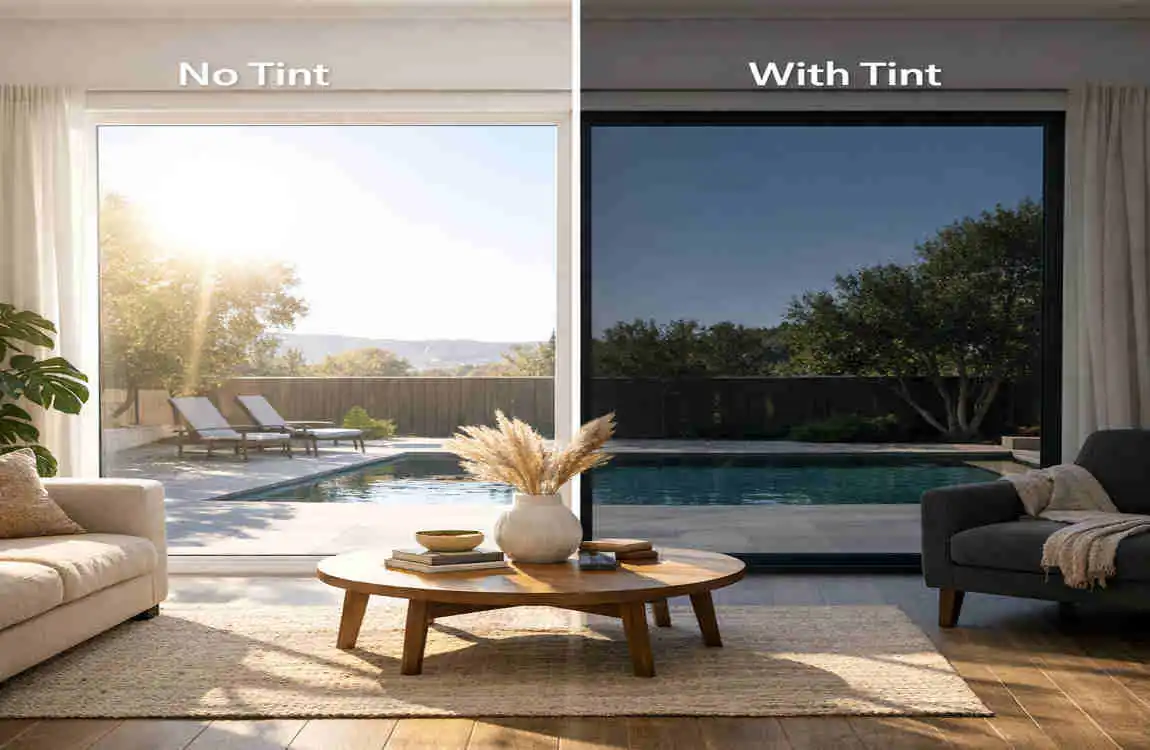
If you have ever looked at your windows on a hot, bright day and wondered whether tint could help, you are not alone. Many homeowners ask Does house window tint block sunlight? because they want a home that feels cooler, more comfortable, and easier to live in.
Residential window tint can make a big difference in how your home feels. It can reduce glare, cut down heat, and protect your furniture from fading. At the same time, it does not usually turn your home into a dark space. That is one of the biggest things people misunderstand.
Does House Window Tint Block Sunlight?
The Short Answer
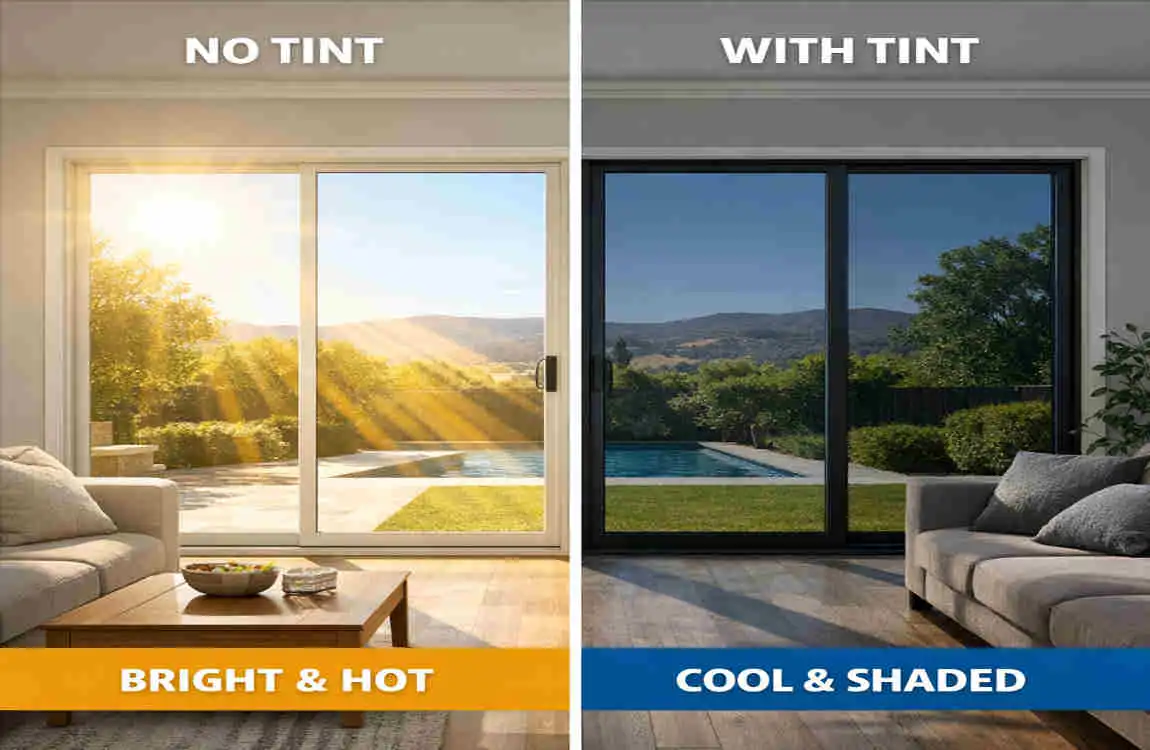
Yes, house window tint does block some sunlight, but it does not usually block all of it.
That is the simple answer. Most window films reduce the amount of visible light that enters the house, but they still let in enough natural light to keep rooms bright and usable. The amount of light depends on the type of film and its darkness.
So if you are asking, does house window tint block sunlight?, the better answer is this: it filters sunlight rather than fully blocking it.
How Window Tint Works
Window tint works by adding a thin film to the glass. This film changes how the window handles sunlight.
It can:
- Filter sunlight
- Reduce glare
- Reflect solar heat
- Block harmful UV rays
This means your home may feel cooler and more comfortable without losing all of the daylight you enjoy.
Understanding Different Types of Sunlight
Visible Light
Visible light is the part of sunlight that lets you see clearly indoors. It gives rooms a bright, natural look and helps a home feel open.
Window tint can reduce visible light, but the amount depends on the film. Lighter films keep the space bright, while darker films create more shade.
UV Rays
UV rays are one of the biggest reasons people install window tint. These rays can fade flooring, furniture, curtains, and artwork over time.
High-quality window film can block up to 99% of UV rays, which helps protect your home’s interior.
Infrared Heat
Infrared heat is the part of sunlight that makes rooms feel hot. It is often the main reason a room gets uncomfortable in the afternoon.
Window tint is very useful here because it can reduce much of that heat before it enters the house.
Sunlight Type Window Tint Effect
Visible Light Partially Reduced
UV Rays Up to 99% Blocked
Infrared Heat Significantly Reduced
Glare Reduced
Types of Residential Window Tint
Dyed Window Film
Dyed film is one of the most affordable options. It works mainly by absorbing sunlight and reducing glare.
This type is good if you want a simple, budget-friendly improvement, but it may not offer the strongest heat control.
Metalized Window Film
Metalized film reflects heat better than dyed film. It is also more durable in many cases.
However, it may sometimes affect the look of the glass more than other options.
Carbon Window Film
Carbon film is known for strong heat rejection and good fade resistance. It gives you a nice balance between performance and appearance.
It is a solid choice if you want better comfort without making the windows look too dark.
Ceramic Window Film
Ceramic film is often considered the best premium option. It offers excellent UV protection, strong heat control, and clear visibility.
If you want high performance without a heavy dark look, ceramic is often worth considering.
Benefits of House Window Tint
Reduces Indoor Heat
One of the biggest benefits is cooler indoor temperatures. By blocking a large amount of solar heat, tint helps keep rooms from overheating.
That can make your home much more comfortable during warm months.
Blocks Harmful UV Rays
UV protection matters more than many people realize. Sunlight can damage fabrics, flooring, and furniture over time.
Window tint helps limit that damage, which can save money in the long run.
Protects Furniture
If sunlight hits your carpet, sofa, or wood floor every day, fading can happen slowly but steadily.
Tint helps protect those surfaces and keeps them looking newer for longer.
Improves Energy Efficiency
Because your home stays cooler, your air conditioner does not need to work as hard. That can improve energy use and reduce strain on your cooling system.
Enhances Privacy
Some window films make it harder for people outside to see inside during the day. That gives you more privacy without needing heavy curtains.
Reduces Glare on Screens
If you work from home or watch TV near a bright window, glare can be frustrating. Tint helps soften that light so screens are easier to use.
Improves Home Comfort
When a room has less heat, less glare, and more balanced light, it simply feels better to live in. That is one of the main reasons homeowners choose tint.
Does Window Tint Make a House Too Dark?
Choosing the Right Shade
This depends on the film’s Visible Light Transmission (VLT). The lower the VLT, the less light gets through.
If you want a bright home, choose a lighter film. If you want more privacy and stronger heat control, a darker film may be better.
Light vs Dark Window Tint
A light tint lets more daylight in and is usually a good fit for living rooms or open spaces. Dark tint reduces more light and gives more privacy.
The right choice depends on what matters most to you: brightness, privacy, or heat control.
Best Tint for Living Rooms
Living rooms often do best with lighter or medium films. You still want the space to feel open and welcoming.
Best Tint for Bedrooms
Bedrooms may work well with a slightly darker tint if you want more privacy and a calmer feel.
Can Window Tint Lower Energy Bills?
Summer Energy Savings
Yes. Window tint can reduce the amount of heat entering your home, especially in summer. That means your cooling system does not have to run as often.
Reduced Air Conditioning Costs
If your AC runs less, your power bill may go down. Over time, that can make the tint pay for itself in savings.
Improved HVAC Efficiency
Your HVAC system may also last longer because it does not have to work as hard as often.
Does Window Tint Protect Interior Furniture?
Prevents Carpet Fading
Carpets can fade when exposed to strong sunlight for long periods. Tint helps slow that process.
Protects Hardwood Floors
Wood floors can also lose color or finish when they get too much direct sun. Window film helps reduce that risk.
Keeps Curtains Looking New
Curtains often fade first near the window. Tint can help preserve their color and texture.
Preserves Artwork
If you have framed art or family photos near a sunny window, tint can help protect them from UV damage.
Common Myths About House Window Tint
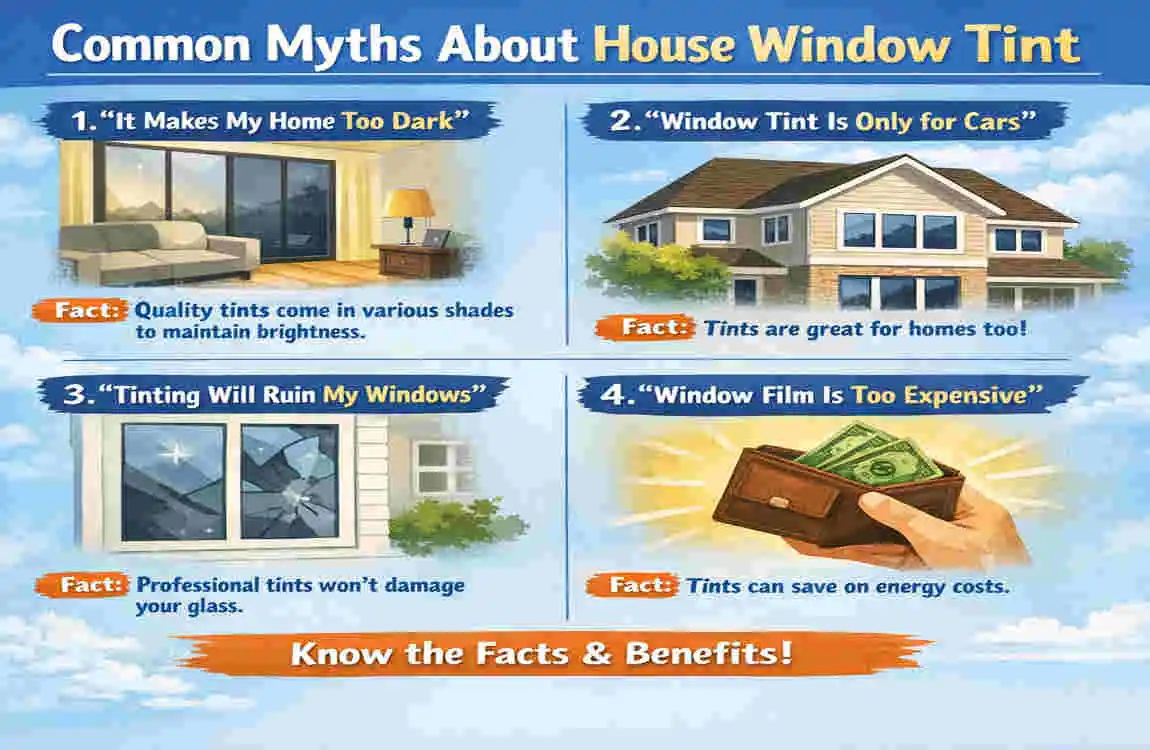
It Blocks All Natural Light
This is not true. Most residential films reduce light, but they do not remove it completely.
Every Tint Looks Dark
Not all tint is dark. Some films are nearly clear but still offer strong UV and heat protection.
Tint Only Works in Summer
Window tint helps all year. It reduces heat in summer and can also make indoor spaces more comfortable during bright winter days.
Window Tint Damages Glass
Properly installed film does not damage glass. In fact, it is designed to protect and improve the window, not harm it.
How to Choose the Best Window Tint
Consider Climate
If you live in a hot area, choose a film with stronger heat rejection. If your climate is milder, a lighter film may be enough.
Window Direction
Windows that face strong afternoon sun often need more protection than shaded windows. Think about how each room gets light during the day.
Desired Privacy Level
Do you want more daytime privacy? If yes, a darker film may suit you better.
Budget
Film prices vary. Some are affordable, while others cost more but offer better performance.
Local Building Regulations
Before installing tint, make sure it follows any local rules for residential windows.
Professional Installation vs DIY
FeatureDIYProfessional
Cost Lower Higher
Appearance Average Excellent
Warranty Limited Usually Included
Installation Time Longer Faster
Durability Moderate High
DIY can save money, but professional installation often gives you a cleaner look and longer-lasting results.
Maintenance Tips
Cleaning Window Tint
Use a soft cloth and gentle cleaner. Be careful not to scratch the film.
Products to Avoid
Avoid harsh tools, rough pads, and strong cleaning chemicals.
Long-Term Care
Treat the film gently, and it can last for many years with good performance.
Signs It’s Time to Replace Window Tint
Watch for these signs:
- Bubbling
- Peeling
- Purple discoloration
- Scratches
- Reduced performance
If you notice these issues, the film may be aging or failing.
Pros and Cons of House Window Tint
Pros
- Blocks up to 99% UV rays
- Reduces glare
- Lowers cooling costs
- Improves comfort
- Protects interiors
- Adds privacy
Cons
- Initial installation cost
- Some films reduce natural light
- Professional installation recommended
Is House Window Tint Worth It?
Best Homes for Window Tint
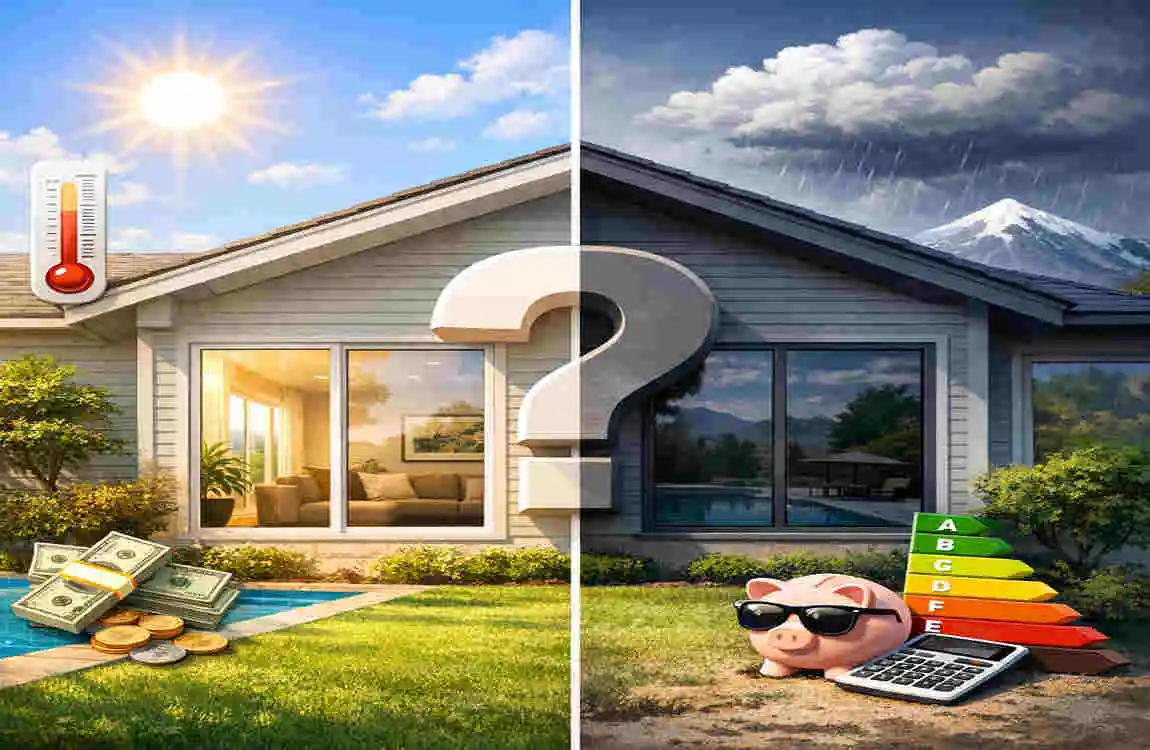
Window tint is especially useful for homes with lots of sunlight, hot rooms, fading furniture, or glare problems.
Long-Term Return on Investment
If you care about comfort, protection, and energy savings, tint can offer strong long-term value.
Final Recommendation
For many homeowners, the answer is yes. The best results usually come from choosing the right film for the right room.
Frequently Asked Questions
Does window tint in a house block sunlight completely?
No. Most residential window tints reduce sunlight while still allowing natural light to enter.
How much UV does house window tint block?
Many high-quality window films block up to 99% of harmful UV rays.
Will window tint make my home darker?
It depends on the film’s Visible Light Transmission, or VLT. Lighter films keep rooms brighter.
Does window tint reduce indoor heat?
Yes. It blocks a significant amount of solar heat, which helps keep rooms cooler.
Can window tint lower electricity bills?
Yes. By reducing heat gain, tint can lower air conditioning use and improve energy efficiency.
How long does residential window tint last?
Quality films usually last 10–20 years, depending on the product and installation.
| Topic | Details |
|---|---|
| What Is House Window Tint? | A thin film applied to residential windows to reduce heat, glare, and UV rays. |
| Does It Block Sunlight? | Yes, window tint reduces the amount of visible sunlight entering your home, depending on the tint type and darkness. |
| UV Protection | Most quality window films block up to 99% of harmful UV rays, helping protect furniture, flooring, and skin. |
| Heat Reduction | Solar window tint can reduce solar heat gain by 30–80%, making rooms more comfortable. |
| Glare Reduction | Minimizes glare on TVs, computer screens, and mobile devices for better indoor comfort. |
| Natural Light | Window tint still allows natural daylight to enter while reducing excessive brightness. |
| Energy Savings | Helps lower cooling costs by reducing indoor heat during hot weather. |
| Privacy Benefits | Certain reflective or darker films provide daytime privacy without blocking all outdoor views. |
