
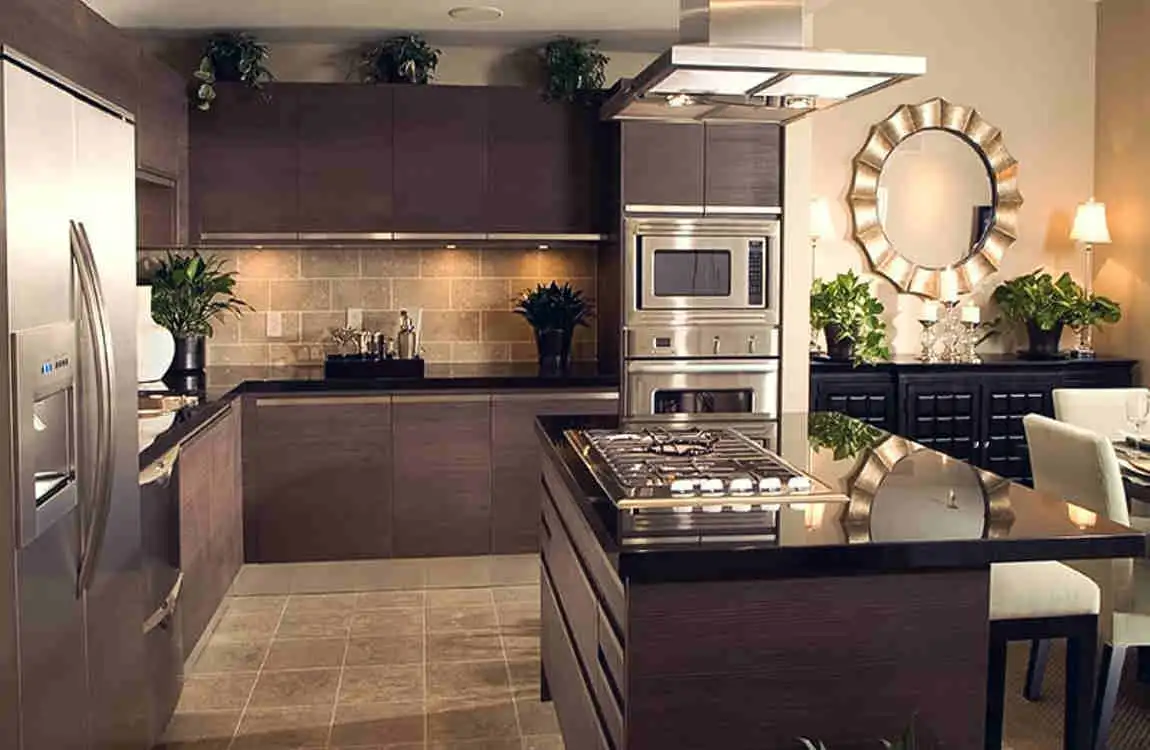
A smart home kitchen combines modern kitchen design with connected technology. Smart appliances, lighting, sensors, displays, and automation can make everyday cooking and household tasks easier.
You do not need to turn your entire kitchen into a high-tech space. Even a few useful upgrades, such as smart lighting, a connected appliance, or a leak sensor, can improve convenience, safety, and organization.
What Is a Smart Home Kitchen?
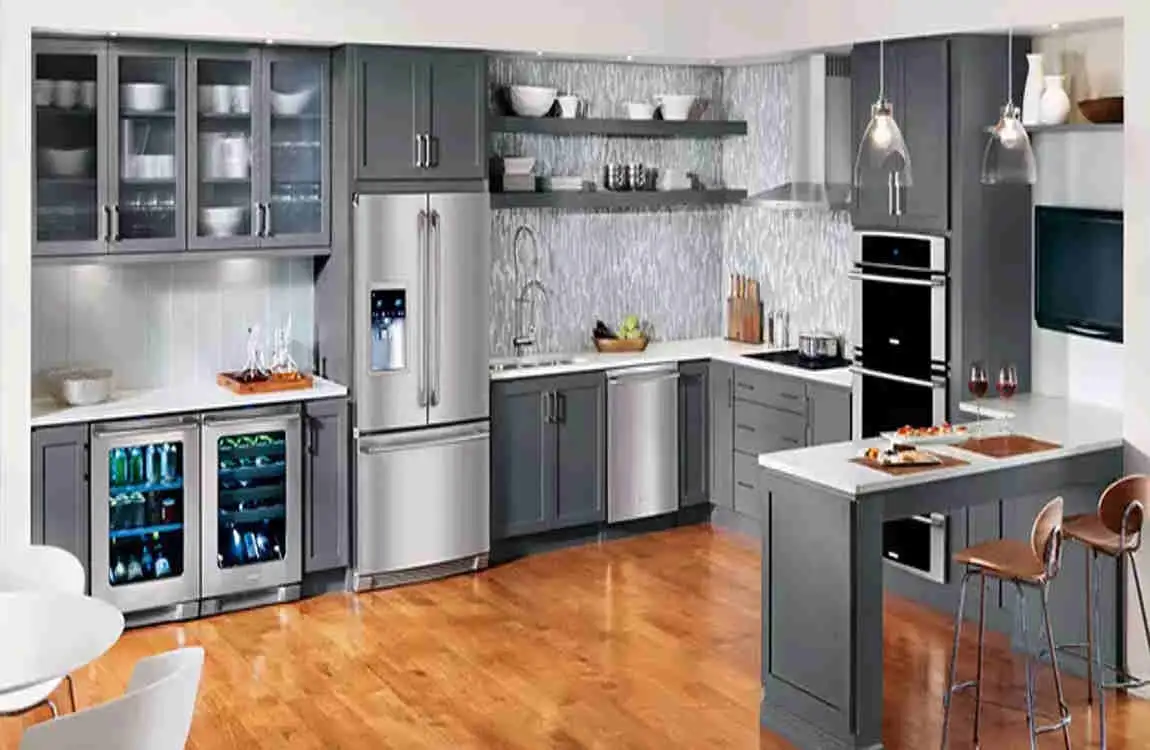
A smart home kitchen uses connected devices that can be monitored or controlled through a smartphone, voice assistant, smart display, or home automation system.
How Smart Kitchen Technology Works
Smart kitchen technology commonly uses Wi-Fi, Bluetooth, apps, or smart-home hubs to connect devices. Depending on the product, you may be able to control an appliance from your phone, receive an alert, or create an automatic routine.
For example, a compatible oven might send a notification when preheating is complete, while a smart refrigerator can alert you if its door remains open.
Smart Kitchen vs. Traditional Kitchen
A traditional kitchen depends mostly on manual controls. A smart kitchen adds automation and remote control to everyday tasks.
The biggest difference is convenience. Instead of checking everything manually, connected devices can provide reminders, alerts, schedules, and useful information.
Benefits of a Smart Home Kitchen
A well-planned smart kitchen can offer:
- Greater convenience during cooking and cleaning
- Time savings through automation
- Better energy management
- Improved safety with sensors and alerts
- Better organization of food and kitchen supplies
- Remote monitoring through compatible apps
- A clean and modern kitchen experience
Top Smart Home Kitchen Features
Smart Appliances
Modern smart kitchen appliances include refrigerators, ovens, microwaves, dishwashers, coffee makers, and cooktops.
Many connected appliances allow you to monitor settings or receive notifications from a mobile app. Some also offer automatic programs that simplify common cooking tasks.
The best appliance is not necessarily the one with the most features. Choose technology that solves a real problem in your kitchen.
Smart Refrigerator Ideas
A smart refrigerator can offer useful features such as temperature monitoring, door-open alerts, inventory tools, and built-in displays.
Some systems can also help you organize grocery information. This can make it easier to remember frequently used ingredients and reduce unnecessary food waste.
Smart Oven and Cooktop Features
A connected oven may provide remote monitoring, cooking timers, temperature controls, preset programs, and preheating notifications.
Some models can connect with recipe systems, helping you follow cooking instructions more easily. Safety-related features may also provide alerts when an appliance needs attention.
Smart Lighting Ideas for the Kitchen
Lighting is one of the easiest ways to create a modern smart kitchen.
Motion-Sensor Lighting
Motion sensors can automatically turn on the lights when someone enters an area. They work particularly well under cabinets, inside pantries, and in other areas where you need quick illumination.
Nighttime lighting can also make it easier to move around the kitchen without turning on bright overhead lights.
Voice-Controlled Kitchen Lighting
With compatible smart lighting, you can use voice commands to turn lights on or off or adjust brightness.
You can also create different lighting settings for cooking, dining, cleaning, or relaxing.
Energy-Efficient Smart Lighting
LED smart lights can help reduce unnecessary energy use. Scheduling and occupancy sensors can turn lights off when they are no longer needed.
This makes smart kitchen lighting both practical and convenient.
Smart Kitchen Storage & Organization Ideas
A smart kitchen should not only look modern. It should also help you stay organized.
Smart Pantry Systems
Digital inventory systems can help you keep track of commonly used food items. You can combine digital reminders with labeled containers and organized shelves.
This makes it easier to know what you have before shopping.
Connected Cabinets and Drawers
Motion-activated cabinet lighting can make dark storage areas easier to use. Hidden charging stations can also keep phones and other devices organized.
For a clean appearance, consider keeping technology integrated into the cabinetry rather than placing too many gadgets on countertops.
Smart Kitchen Inventory Management
Inventory management can help you remember frequently purchased items and create grocery reminders.
When used consistently, these tools can help reduce food waste and make meal planning easier.
Smart Home Kitchen Ideas for Better Convenience
Voice-Controlled Kitchen
Voice control can be particularly useful when your hands are busy. You might use it to:
- Set cooking timers
- Add groceries to a shopping list
- Convert measurements
- Play music
- Adjust compatible lights
- Check connected appliances
This small convenience can make cooking feel much easier.
Smart Displays
A smart display can provide recipes, cooking instructions, timers, calendars, shopping lists, and video tutorials in one place.
Instead of constantly checking your phone, you can keep important kitchen information visible while preparing food.
Automated Kitchen Routines
Automation allows several actions to happen together.
For example, a morning routine could turn on selected lights and start a compatible coffee maker. A nighttime routine could switch off selected lights and remind you to check appliances.
Smart Kitchen Safety Features
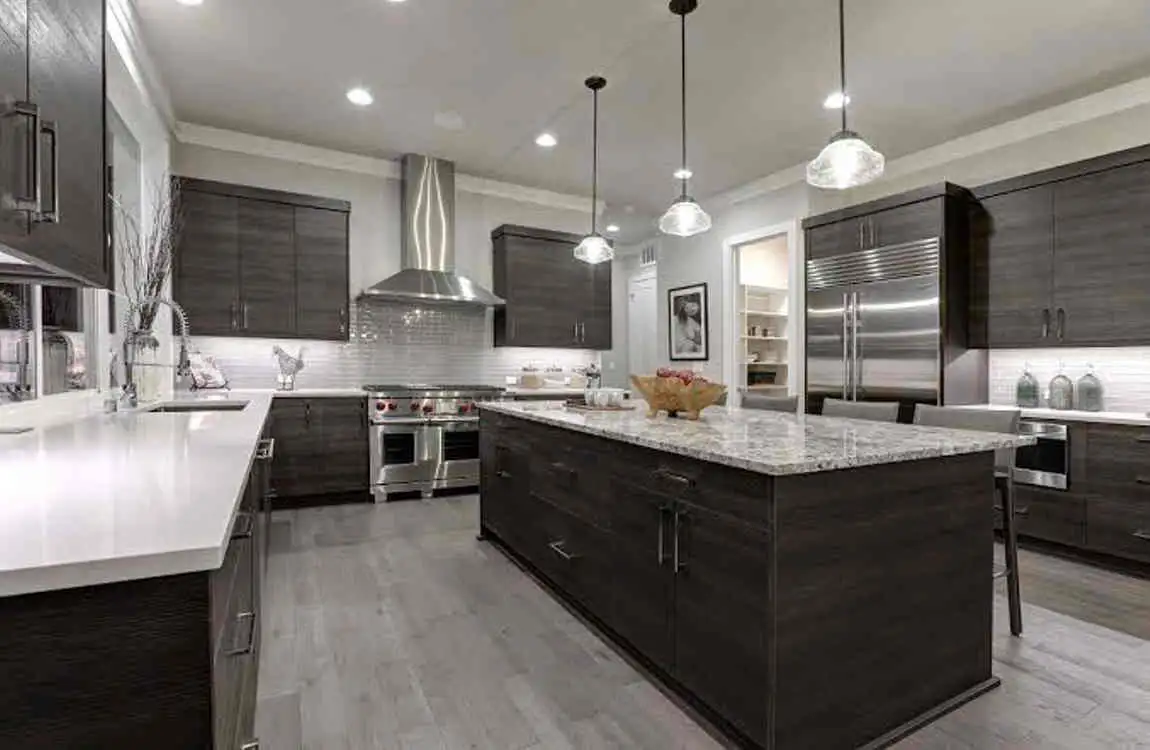
Technology can also improve awareness of potential kitchen problems.
Smart Smoke and Heat Detection
Connected smoke and heat detectors can provide alerts when unusual conditions are detected. Some systems can send notifications to a smartphone.
However, smart devices should supplement normal safety practices, not replace them.
Leak and Water Sensors
A small water sensor under the sink or near a dishwasher can alert you when moisture is detected.
Early warnings may help you respond to a leak before it causes more serious damage.
Smart Appliance Safety
Some connected appliances offer automatic shutoff, temperature alerts, or remote monitoring.
Always follow the appliance manufacturer’s installation and safety instructions.
Energy-Efficient Smart Home Kitchen Ideas
Smart technology can help you understand how your kitchen uses energy.
Smart Appliances and Energy Monitoring
Energy-monitoring features can show how much power certain devices use. When replacing appliances, look for efficient models that fit your household needs.
Smart Plugs and Power Management
Compatible smart plugs can help control certain countertop appliances and create schedules.
Use smart plugs only with devices that are appropriate for them, and always follow electrical safety requirements.
Smart Thermostats and Kitchen Comfort
Cooking can make a kitchen warmer, particularly during long meal preparation. A broader smart-home system can help maintain comfortable indoor temperatures while efficiently managing heating and cooling.
Modern Smart Kitchen Design Ideas
Minimalist Smart Kitchen
A minimalist smart kitchen keeps technology simple and discreet. Integrated appliances, clean cabinetry, hidden charging areas, and simple controls can create a modern appearance without making the room feel complicated.
Luxury Smart Kitchen
A luxury kitchen may include premium connected appliances, automated lighting, advanced displays, integrated charging stations, and high-quality finishes.
The goal should still be functionality. Technology should make the kitchen easier to use, not add more gadgets.
Small Smart Kitchen
Small kitchens can benefit significantly from smart technology.
Use compact appliances, vertical storage, under-cabinet lighting, multifunctional devices, and hidden charging areas to save space while improving functionality.
Smart Kitchen for Families
Families can benefit from simple controls, safety alerts, grocery management, and meal-planning tools.
Choose features that everyone can understand. A smart kitchen works best when technology is easy for the whole household to use.
How to Create a Smart Home Kitchen on a Budget
You do not have to remodel your entire kitchen at once.
Start With One or Two Devices
Begin with affordable upgrades such as smart bulbs, a smart plug, a compatible display, or a water-leak sensor.
Once you understand how these devices work, you can decide whether additional upgrades are worthwhile.
Upgrade Appliances Gradually
There is no need to replace perfectly functional appliances simply because newer smart models exist.
Instead, consider connected appliances when your existing refrigerator, oven, dishwasher, or other equipment is due for replacement.
Choose Compatible Devices
Before purchasing a new device, check its connectivity requirements and compatibility with your existing smart-home system.
Choosing compatible products from the beginning can make future expansion much easier.
How Much Does a Smart Home Kitchen Cost?
The cost of a smart kitchen varies significantly depending on the number of devices, appliance choices, installation requirements, kitchen size, and level of automation.
Smart Kitchen LevelTypical UpgradesBudget Consideration
Basic Smart bulbs, plugs, sensors Lower cost
Mid-Range Smart appliances and displays Moderate investment
Advanced Multiple connected appliances and automation Higher investment
Luxury Fully integrated technology Premium investment
There is no single price that applies to every smart home kitchen. A small upgrade can be relatively affordable, while a complete technology-focused remodel can require a much larger investment.
How to Plan a Smart Kitchen Remodel
Identify Your Kitchen Needs
Start by asking yourself what causes the most inconvenience.
Do you need better lighting? More storage? Easier meal planning? Better appliance monitoring?
Answering these questions will help you choose useful technology instead of unnecessary gadgets.
Plan Electrical and Network Requirements
Smart appliances may require appropriate outlets and reliable connectivity.
During a remodel, think about appliance locations, power requirements, Wi-Fi coverage, and installation needs before the work begins.
Choose a Compatible Smart Ecosystem
Try to choose devices that can work together. Buying products without checking compatibility can create unnecessary complexity later.
Prioritize Practical Features
The best smart kitchen technology is technology that makes everyday life easier.
Focus on useful features such as lighting automation, appliance alerts, leak detection, energy monitoring, and convenient controls.
Common Mistakes to Avoid in a Smart Home Kitchen
Avoid these common problems:
- Buying incompatible devices
- Adding too many gadgets
- Ignoring Wi-Fi reliability
- Forgetting electrical requirements
- Choosing technology over practical design
- Neglecting privacy and security settings
- Installing appliances incorrectly
- Failing to consider future upgrades
A smart kitchen should feel simple, useful, and comfortable, not confusing.
Smart Home Kitchen Trends to Watch
AI-Powered Kitchen Technology
AI-powered tools are becoming more useful for recipe suggestions, food inventory, meal planning, and personalized cooking assistance.
Future systems may make it easier to manage multiple kitchen tasks from one connected platform.
Connected Cooking Appliances
Connected ovens and cooktops are becoming more capable, with improved temperature controls, cooking programs, notifications, and remote monitoring.
Sustainable Smart Kitchens
Sustainability is another important direction. Energy monitoring, efficient appliances, automated lighting, and food-waste reduction can help homeowners use kitchen resources more responsibly.
Smart Home Kitchen: Pros and Cons
ProsCons
Greater convenience Higher upfront cost
Remote control May depend on connectivity
Energy monitoring Technology can become outdated
Better organization Setup may be more complicated
Safety alerts Privacy requires attention
Tips for Making Your Smart Kitchen More User-Friendly
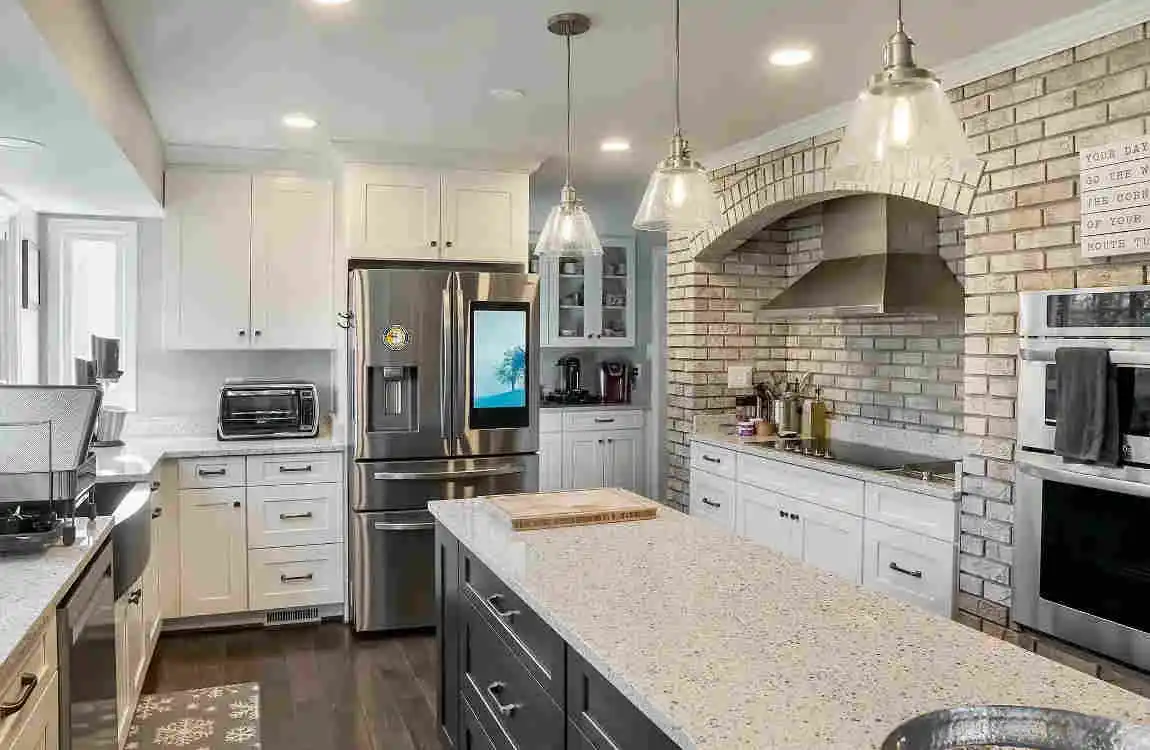
Keep your system simple. Label routines clearly and create automation schedules that actually help you.
Whenever possible, keep manual controls available. Technology should provide another convenient option rather than make basic kitchen tasks difficult.
Also, keep compatible devices up to date and use strong passwords and appropriate security settings.
Most importantly, avoid adding smart devices simply because they are available. Choose features that provide genuine value.
FAQ About Smart Home Kitchens
What is a smart home kitchen?
A smart home kitchen uses connected appliances, lighting, sensors, displays, and automation to make everyday tasks more convenient and manageable.
What appliances can be made smart?
Common smart appliances include refrigerators, ovens, dishwashers, microwaves, coffee makers, cooktops, and other compatible kitchen equipment.
Is a smart kitchen worth it?
It can be worthwhile if the technology solves problems you regularly experience. The value depends on your budget, kitchen needs, and preferred level of automation.
Can I make my existing kitchen smart?
Yes. You can add smart bulbs, plugs, sensors, displays, and selected connected appliances without completely remodeling your kitchen.
Are smart kitchens expensive?
They can range from relatively affordable individual upgrades to expensive fully integrated systems. Your total cost depends on the technology and installation involved.
Can I control a smart kitchen from my phone?
Many connected kitchen devices can be monitored or controlled through compatible mobile apps. However, features vary by product.
Do smart kitchen appliances need Wi-Fi?
Not always. Some devices use Wi-Fi, while others may use Bluetooth or different connection methods. Always check the requirements before buying.
Are smart kitchens energy efficient?
Smart technology can support energy efficiency through monitoring, scheduling, automated lighting, and efficient appliances. However, actual savings depend on how the devices are used.
What is the best smart feature for a kitchen?
There is no single best feature for everyone. Smart lighting, appliance monitoring, leak detection, and voice controls are practical starting points for many households.
| Smart Kitchen Feature | Modern Idea | Main Benefit |
|---|---|---|
| Smart Appliances | Use Wi-Fi-enabled ovens, refrigerators, and dishwashers | Easier control and better convenience |
| Voice Control | Connect kitchen devices with voice assistants | Hands-free operation |
| Smart Lighting | Install adjustable LED and under-cabinet lights | Better visibility and energy savings |
| Smart Refrigerator | Choose models with cameras, displays, and inventory tracking | Helps manage food and groceries |
| Automated Faucets | Install touchless or sensor-based faucets | Improved hygiene and water control |
| Smart Storage | Add motion-sensor cabinets and organized pull-out storage | Saves space and improves accessibility |
