
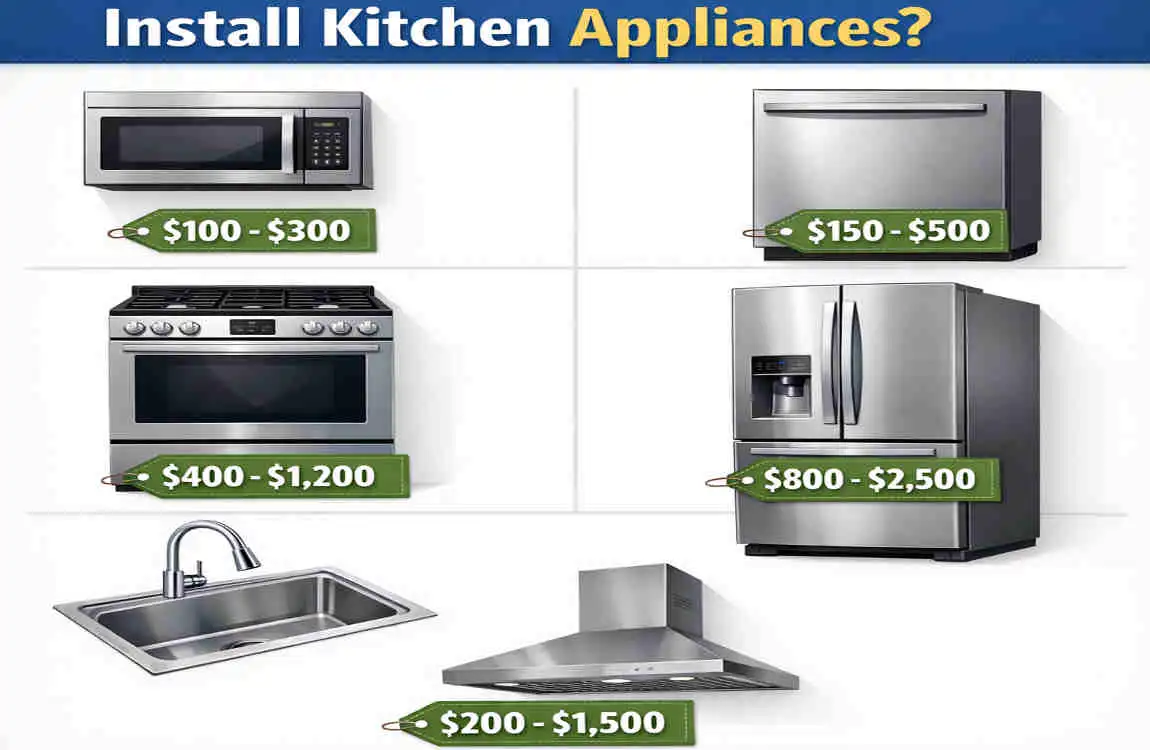
If you are planning a kitchen update, one of the first things to think about is installation cost. Appliance prices are only part of the budget. The actual setup can add a lot to the final total.
So, how much does it cost to install kitchen appliances in a house? In most cases, homeowners spend $100 to $600 per appliance, depending on the type and the amount of work required.
Some appliances are simple to install. Others need plumbing, gas, or electrical work. That is why costs can change so much from one kitchen to another.
Average Cost to Install Kitchen Appliances in a House
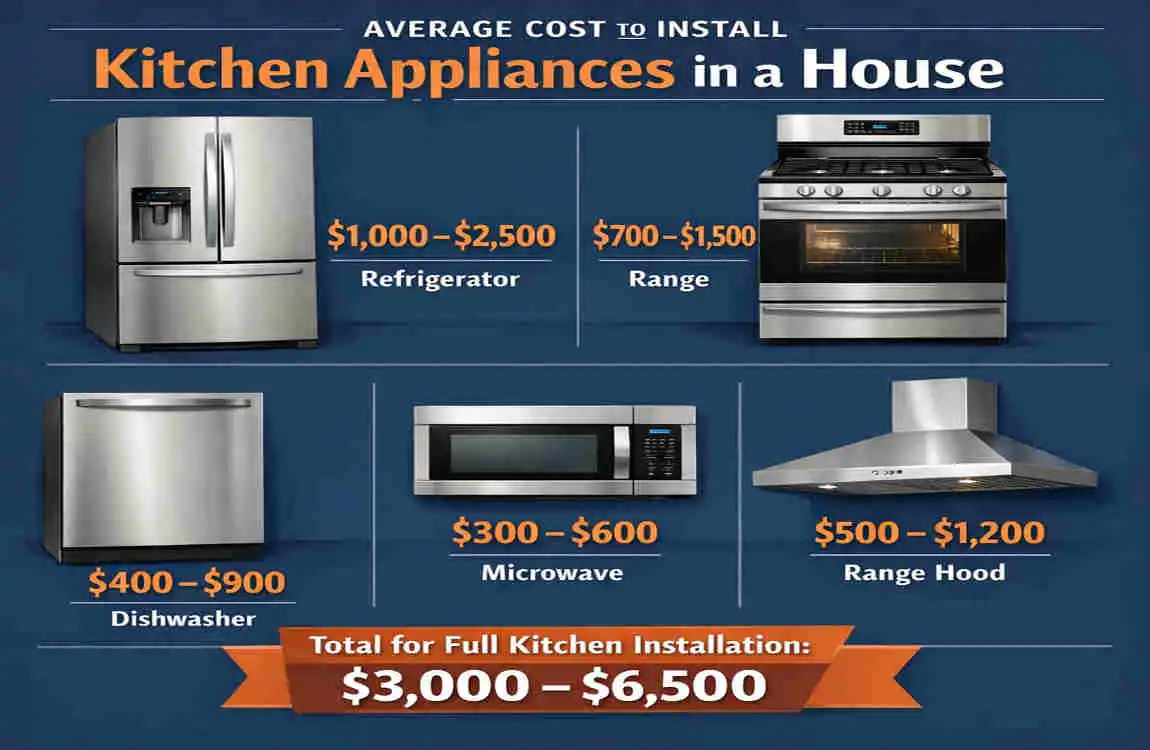
National Average Installation Cost
For most homes, the average installation cost for kitchen appliances ranges from $100 to $600 per unit.
Smaller jobs like a microwave or refrigerator usually cost less. Larger or built-in appliances, like a dishwasher or wall oven, often cost more.
Low-End vs High-End Costs
At the low end, a simple installation may cost around $100 to $150. This is common when the appliance fits easily, and no extra work is needed.
At the high end, installation can reach $500 to $600 or more if the appliance needs custom fitting, utility changes, or extra labor.
Labor Costs Explained
Labor is a big part of the total price. Installers usually charge for:
- Unboxing and setup
- Connecting utilities
- Leveling the appliance
- Testing the unit
- Removing old equipment if needed
If the job is simple, labor costs stay lower; if the appliance requires special hookups, the price increases.
Average Appliance Installation Costs
Appliance Average Installation Cost
Refrigerator $100–$300
Dishwasher $150–$450
Oven/Range $120–$350
Cooktop $150–$400
Microwave $100–$300
Range Hood $200–$600
Garbage Disposal $150–$400
Factors That Affect Installation Costs
Appliance Type
Different appliances need different levels of work. A refrigerator is usually easier to install than a dishwasher or wall oven.
Built-In vs Freestanding Appliances
Freestanding appliances are usually cheaper to install because they can sit in place with little extra work.
Built-in appliances often cost more because they need careful fitting, secure mounting, or cabinet adjustments.
Plumbing Requirements
Appliances like dishwashers and garbage disposals often need plumbing connections. If your kitchen does not already have the right setup, costs can rise quickly.
Electrical Upgrades
Some appliances need their own outlet, stronger wiring, or special voltage. If your kitchen needs electrical changes, that adds both time and money.
Gas Line Installation
Gas ranges and some ovens need a safe gas connection. If a gas line is not already in place, installation costs can increase significantly.
Cabinet Modifications
Built-in appliances sometimes require cabinet cuts or adjustments. That is common with wall ovens, cooktops, and range hoods.
Your Location and Labor Rates
Labor prices vary by area. In some places, skilled installation costs more because local rates are higher.
Cost Breakdown by Kitchen Appliance
Refrigerator Installation
Refrigerator installation is usually one of the simpler jobs. If the unit only needs to be placed, leveled, and connected to water for ice makers, the cost stays lower.
Dishwasher Installation
Dishwasher installation often costs more because it needs water, drainage, and electrical connections. If your kitchen is not already ready for one, the price can rise.
Wall Oven Installation
Wall ovens often need cabinet fitting and electrical work. As a result, they usually cost more than basic freestanding ovens.
Gas or Electric Range Installation
A range may be simple if the hook-up already exists. If you need a gas line or new outlet, the cost increases.
Cooktop Installation
Cooktops usually require cutouts in the counter and proper electrical or gas connections. That makes them a bit more involved.
Microwave Installation
Countertop microwaves are the easiest. Built-in or over-the-range models cost more because they need mounting and venting.
Vent Hood Installation
Range hoods often need wall or cabinet mounting, plus venting in some cases. That can make them a medium-to-high cost installation.
Garbage Disposal Installation
Garbage disposals need plumbing and electrical connections. If the sink setup is ready, the job is easier. If not, it costs more.
Additional Costs You Should Expect
Removing Old Appliances
Some installers charge extra to remove your old appliance. This may also include hauling it away.
Delivery Charges
Delivery is often separate from installation. If the appliance is large or heavy, delivery fees may be higher.
Electrical Repairs
If your outlet, circuit, or wiring is not ready, an electrician may need to fix it first.
Plumbing Modifications
A plumber may be needed if water lines or drain connections need changes.
Permit Fees
Some areas require permits for gas, electrical, or major kitchen work. This is not always needed, but it can add to the budget.
DIY vs Professional Installation
When DIY Is Safe
DIY may work for simple, freestanding appliances like a basic refrigerator or countertop microwave. If no plumbing, gas, or electrical work is needed, it can be manageable.
When You Should Hire a Professional
Hire a professional if the appliance needs:
- Gas hookups
- Plumbing connections
- Electrical changes
- Built-in cabinet fitting
- Code compliance
These jobs are safer and more reliable when handled by a pro.
DIY vs Professional
OptionBenefitsDrawbacks
DIY Lower upfront cost, good for simple installs Risk of mistakes
Professional Safe installation, warranty protection, faster completion, code compliance Higher cost
Tips to Save Money on Kitchen Appliance Installation
You do not have to overspend to get a good result. A few smart choices can help lower your bill.
- Install multiple appliances together
- Compare contractor quotes
- Buy installation packages
- Schedule during promotions
- Reuse existing plumbing and electrical connections
If your kitchen already has the right hookups, you may save a lot on labor and extra work.
Common Installation Mistakes to Avoid
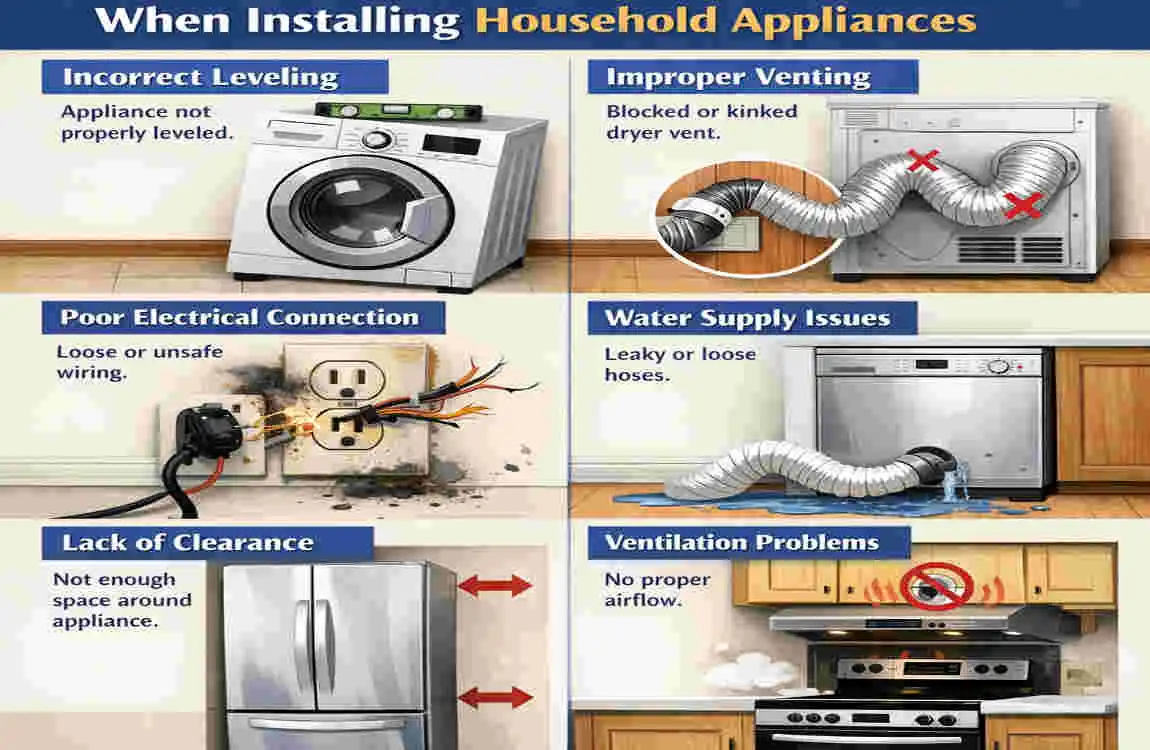
A poor installation can cause leaks, poor performance, or early damage. Try to avoid these mistakes:
- Incorrect measurements
- Ignoring electrical requirements
- Improper plumbing connections
- Poor appliance leveling
- Skipping manufacturer instructions
Taking a little extra time now can save you from expensive repairs later.
Is Professional Appliance Installation Worth It?
For many homeowners, yes.
Professional installation gives you better safety, better performance, and fewer repair risks. It also helps ensure the appliance works as it should from day one.
If the appliance is expensive or built-in, hiring a professional is often the smarter long-term choice.
Frequently Asked Questions
How much does it cost to install kitchen appliances in a house?
Most homeowners spend between $100 and $600 per appliance, depending on the appliance type and installation complexity.
Does appliance installation include removing old appliances?
Sometimes. Many installers charge an additional fee for removing and disposing of old appliances.
Is installing a dishwasher more expensive than a refrigerator?
Yes, because dishwasher installation often requires plumbing, drainage, and electrical connections.
Can I install kitchen appliances myself?
Simple freestanding appliances may be DIY-friendly, but professionals are best for installing gas, plumbing, and built-in appliances.
What factors increase installation costs?
Electrical upgrades, gas line work, plumbing changes, cabinet modifications, and built-in appliance installations can all increase the total cost.
How can I reduce appliance installation costs?
Bundle multiple installations, compare quotes from contractors, and use existing utility connections whenever possible.
| Appliance | Average Installation Cost (USD) | Typical Total Cost (Appliance + Installation) | Notes |
|---|---|---|---|
| Refrigerator | $100–$300 | $900–$3,500+ | Extra charges may apply for water line installation. |
| Dishwasher | $150–$400 | $500–$1,700 | Plumbing and electrical connections are usually included. |
| Electric Range | $100–$250 | $500–$2,500 | Requires a dedicated electrical outlet. |
| Gas Range | $150–$400 | $700–$3,500 | Gas line hookup may increase the cost. |
| Built-in Microwave | $150–$400 | $350–$1,500 | Cabinet modifications can add to the price. |
