
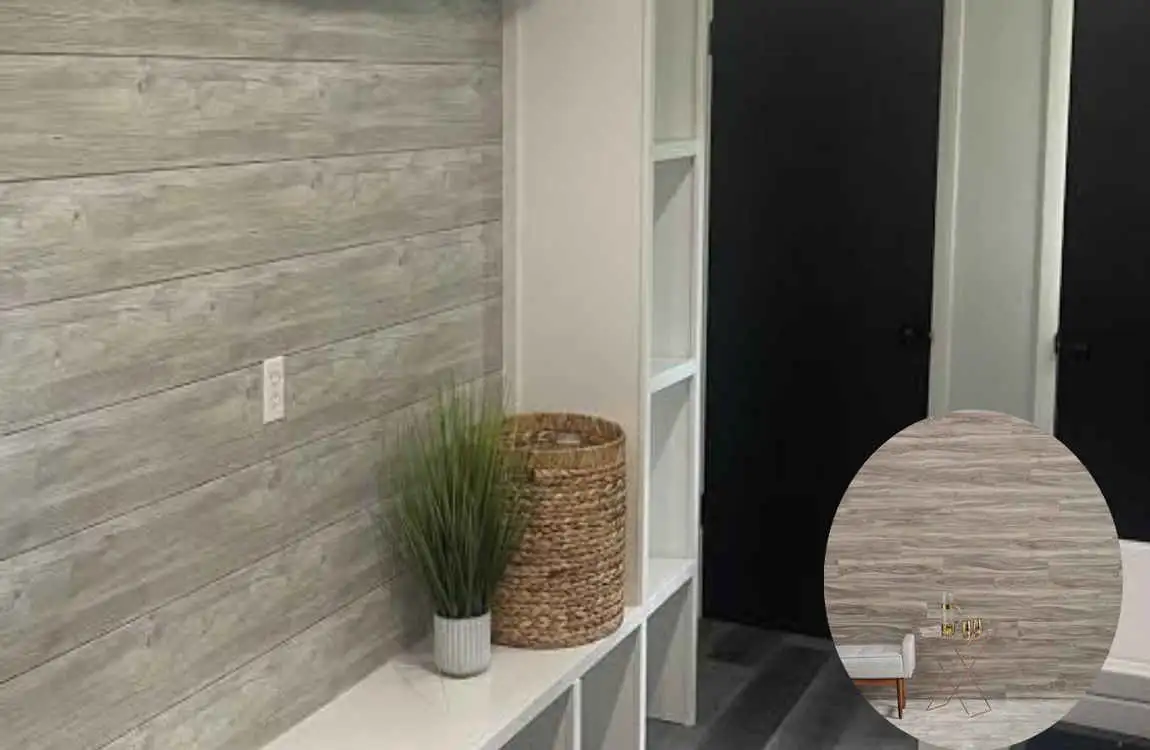
If you are looking for an easy way to give your walls a fresh, modern look, you may have wondered: can you put vinyl flooring on the wall? The short answer is yes, in some cases. However, not every vinyl flooring product is designed for vertical installation.
Vinyl planks and tiles can create an attractive wall covering in bathrooms, kitchens, bedrooms, laundry rooms, living rooms, and other interior spaces. They are available in wood, stone, marble, concrete, and a variety of decorative patterns.
Can You Put Vinyl Flooring on the Wall?
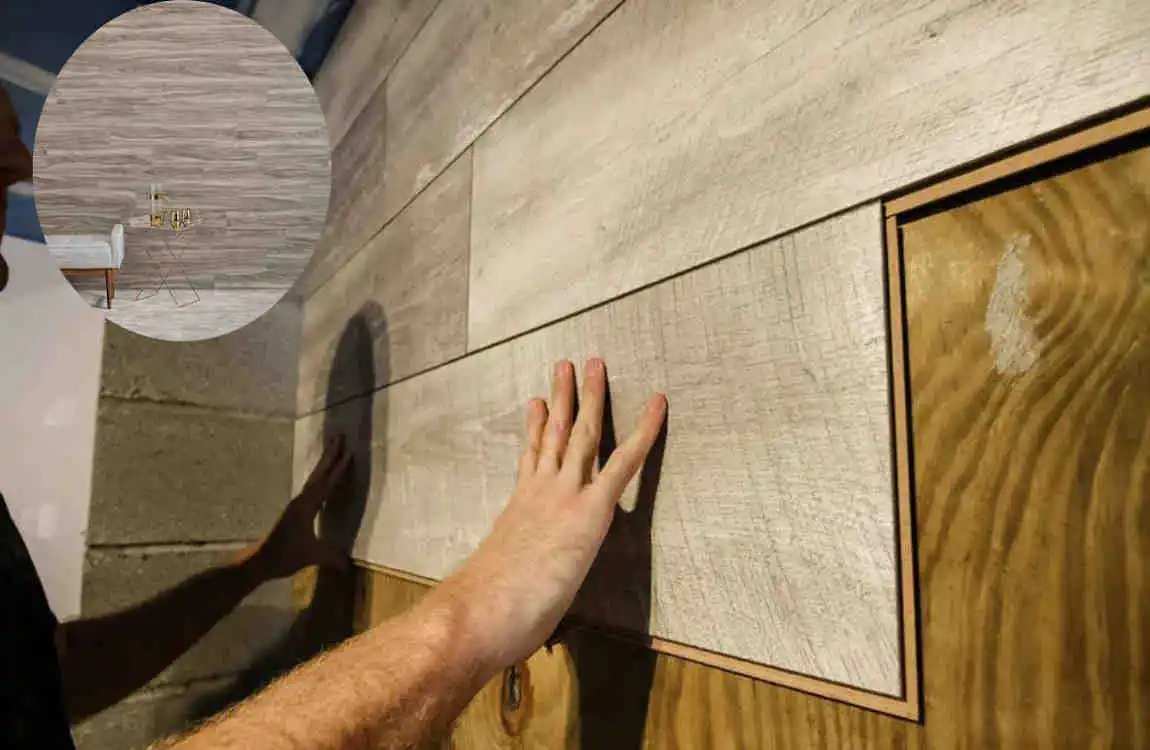
Yes, Vinyl Flooring Can Be Used on Walls
Vinyl flooring can be installed vertically when the product and installation system are suitable for wall applications. Vinyl is relatively lightweight, easy to cut, and available in many attractive designs, making it useful for decorative wall projects.
However, flooring and wall applications are not always the same. A product designed only to handle foot traffic may not have the right backing, weight, flexibility, or adhesive requirements for a vertical surface.
Before beginning your project, always check the manufacturer’s installation instructions.
Is All Vinyl Flooring Suitable for Walls?
No. You should not assume that every vinyl plank or tile can be placed on a wall.
Some products may be too heavy, too rigid, or designed only for horizontal installation. Others may require a particular adhesive or substrate. Click-lock flooring, for example, may not automatically be suitable simply because it works well on a floor.
Look for products that specifically allow wall or vertical installation. This can help reduce the risk of planks lifting, separating, or falling.
Where Can Vinyl Flooring Be Installed on Walls?
Depending on the product, vinyl wall applications can include:
- Bathroom walls
- Kitchen backsplashes
- Laundry rooms
- Bedroom accent walls
- Living room feature walls
- Mudrooms
- Hallways and other interior areas
Always consider the moisture level and installation requirements of the specific location.
Benefits of Putting Vinyl Flooring on Walls
Creates a Stylish Accent Wall
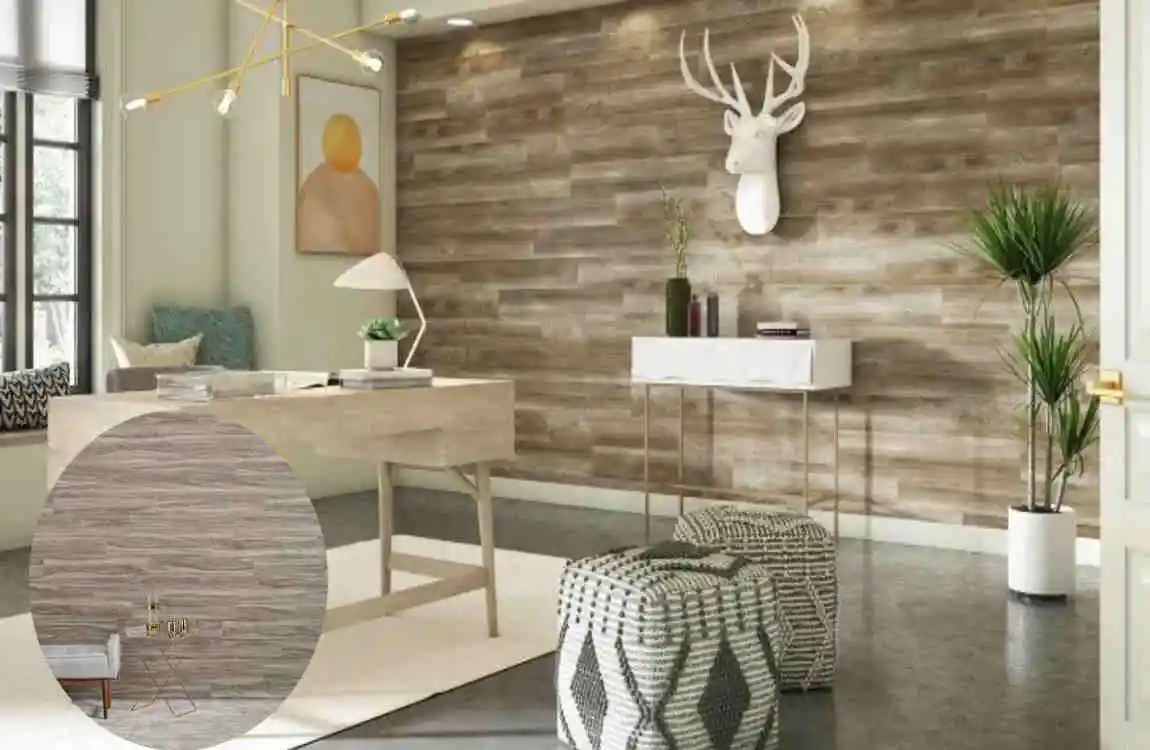
One of the biggest reasons homeowners use vinyl on walls is its appearance. Wood-look vinyl can create a warm, natural feel without the cost and weight of real wood.
Stone and marble designs can create a more luxurious appearance, while concrete patterns work well with modern and industrial interiors.
You can use vinyl on an entire wall or install it on only one section to create a feature wall.
Easy to Clean
Vinyl usually has a smooth surface that is easy to wipe. This makes it practical in areas where walls may collect dust, fingerprints, cooking splashes, or everyday dirt.
Regular cleaning with a soft cloth and a suitable cleaner can help maintain its appearance.
Water Resistance
Many vinyl products offer some level of water resistance. This can make them useful in areas exposed to occasional moisture.
However, water-resistant vinyl is not automatically a waterproof wall system. Moisture can still enter through seams, corners, penetrations, or an unsuitable substrate.
This distinction is especially important in bathrooms and shower areas.
Affordable Alternative to Traditional Wall Materials
Depending on the product, vinyl may offer a simpler alternative to materials such as decorative tile or stone.
It can also be easier to cut and handle, potentially reducing installation time. However, the final cost depends on the vinyl, adhesive, preparation work, tools, and labor.
Wide Range of Colors and Patterns
Vinyl wall products come in many styles, including:
- Wood
- Marble
- Stone
- Concrete
- Geometric patterns
- Solid colors
This makes it easier to match the wall with your existing furniture, flooring, cabinets, and overall home design.
Best Types of Vinyl Flooring for Walls
Vinyl Planks
Vinyl planks can give a wall the appearance of natural wood. Long planks are particularly useful for large accent walls.
Before installation, consider the plank’s weight and attachment method. A product that is suitable for flooring may still require different installation instructions when used vertically.
Vinyl Tiles
Vinyl tiles are available in smaller pieces and can be easier to handle during installation. They also allow you to create different layouts and patterns.
They can work well for decorative sections, backsplashes, and smaller wall areas when approved for vertical use.
Luxury Vinyl Plank and Tile
LVP and LVT are popular because they offer realistic wood and stone appearances.
When considering them for walls, pay attention to thickness, backing, weight, and adhesive requirements. Do not select a product based only on its appearance.
Peel-and-Stick Vinyl
Peel-and-stick vinyl can be convenient because it does not always require a separate adhesive.
However, the wall must be extremely clean, smooth, dry, and stable. More importantly, check that the specific product is approved for wall installation.
Rigid-Core Vinyl
Rigid-core products can be heavier and more difficult to attach to a vertical surface.
If you want to use rigid-core vinyl on a wall, carefully follow the manufacturer’s instructions. Additional support or a particular adhesive system may be required.
What to Consider Before Installing Vinyl Flooring on a Wall
Check the Manufacturer’s Instructions
This should be your first step.
Confirm that the product is suitable for wall installation and identify the recommended adhesive, substrate, preparation, and curing requirements.
Manufacturer approval matters because vinyl products are made differently.
Inspect the Wall Surface
The wall should generally be:
- Clean
- Dry
- Smooth
- Sound
- Structurally suitable
Remove loose paint, dust, grease, wallpaper residue, and other materials that could prevent proper adhesion.
Repair holes and uneven areas before installing the vinyl.
Consider Moisture Levels
Moisture requires additional attention. A bathroom wall, for example, may experience much more humidity and splashing than a bedroom wall.
If moisture can reach the substrate, the wall may need an appropriate waterproofing system. Do not rely on the vinyl alone to protect a wall from water.
Measure the Wall
Measure the height and width of the installation area and multiply them to calculate the approximate square footage.
Purchase some additional material for cuts, corners, mistakes, and future repairs.
Can You Put Vinyl Flooring on Bathroom Walls?
Is Vinyl Suitable for Bathroom Walls?
Yes, certain vinyl products can be suitable for bathroom walls. Their easy-to-clean surfaces and water-resistant properties can make them attractive for certain bathroom applications.
However, bathroom conditions vary. A decorative wall outside the shower has different requirements from a wall that is constantly exposed to water.
What About Shower Walls?
This is where you should be particularly careful.
Ordinary vinyl flooring should not automatically be treated as a waterproof shower-wall system. A shower requires reliable waterproofing behind the finished surface, properly treated joints, corners, and penetrations.
If you want vinyl in a shower, use a product and complete installation system specifically approved for that application.
How to Prevent Moisture Problems
Moisture protection starts behind the decorative surface.
The substrate, waterproofing, seams, corners, and penetrations should all be appropriate for the environment. Follow the complete manufacturer’s system rather than improvising with ordinary flooring materials.
Common Mistakes to Avoid
Avoid these problems when installing vinyl flooring on walls:
- Using flooring that is not approved for wall installation
- Installing vinyl over a dirty or uneven surface
- Choosing the wrong adhesive
- Ignoring moisture behind the wall covering
- Skipping layout planning
- Failing to measure around outlets and corners
- Using too much or too little adhesive
- Assuming every vinyl product is waterproof
- Not allowing the adhesive to cure
- Ignoring the manufacturer’s instructions
Taking a little extra time during preparation can prevent expensive repairs later.
Vinyl Flooring on Walls vs. Traditional Wall Tile
Feature Vinyl Flooring Traditional Tile
Installation Often simpler Usually more involved
Weight Generally lighter Generally heavier
Design Options Many styles Many styles
Cleaning Generally easy Easy when properly installed
Moisture Use Depends on product/system Depends on tile and waterproofing
Cutting Often relatively simple Usually requires specialized tools
Maintenance Generally low Grout may require maintenance
Cost Varies by product Varies widely
Neither material is automatically better for every project. Your choice should depend on the room, moisture exposure, appearance, budget, and installation requirements.
How to Maintain Vinyl Flooring on Walls
Regular Cleaning
Dust the wall regularly with a soft cloth. For marks or spills, use a suitable cleaner recommended for the vinyl.
Avoid excessive water, especially around seams and edges.
Avoid Harsh Cleaning Products
Strong abrasive cleaners can damage the surface or reduce its original finish.
Use gentle cleaning methods and follow the product’s care instructions.
Check Seams and Edges
Occasionally inspect the wall for lifting edges, gaps, damaged sections, or loose pieces.
If you notice a problem, address it early. A small loose edge can become a larger installation problem if moisture or dirt gets underneath.
How Long Does Vinyl Flooring Last on Walls?
The lifespan of vinyl flooring on a wall depends on several factors, including product quality, installation, adhesive, surface preparation, moisture, sunlight, cleaning, and physical impact.
Wall vinyl usually does not experience the same foot traffic as flooring, but it can still be affected by humidity, temperature changes, sunlight, and accidental impacts.
Proper preparation and compatible adhesive can have a major effect on durability.
Frequently Asked Questions
Can you put vinyl flooring on the wall?
Yes, you can put vinyl flooring on the wall when the specific product is approved for vertical installation. Use the recommended adhesive, prepare the wall properly, and follow the manufacturer’s instructions.
What type of vinyl flooring is best for walls?
Vinyl planks, vinyl tiles, LVP, LVT, and some peel-and-stick products may work. The most important factor is not simply the product type but whether the manufacturer approves it for wall use.
Can you use vinyl flooring on bathroom walls?
Yes, appropriate vinyl products can be used on selected bathroom walls. However, you need to consider humidity, splashing, waterproofing, seams, and the wall’s condition.
Can vinyl flooring be used in a shower?
Do not assume ordinary vinyl flooring is suitable for a shower. A shower requires a properly designed waterproofing system. Only use vinyl products specifically approved for that environment.
Do you need adhesive for vinyl flooring on walls?
It depends on the product. Some vinyl products use adhesive, while others have different attachment systems. Always follow the manufacturer’s installation instructions.
Can you put vinyl flooring over painted walls?
It may be possible if the painted wall is clean, smooth, dry, stable, and compatible with the installation system. Loose or peeling paint should be removed before installation.
Can peel-and-stick vinyl flooring go on walls?
Some peel-and-stick vinyl products may be suitable for walls, but you must check the product specifications. A wall needs excellent surface preparation because gravity constantly pulls the material downward.
How do you keep vinyl flooring from falling off the wall?
Use a product approved for wall installation, prepare the surface correctly, use the recommended adhesive, install the vinyl according to instructions, and allow sufficient curing time.
Is vinyl flooring cheaper than wall tile?
It can be, but there is no universal answer. Product quality, project size, labor, adhesive, preparation, and installation complexity all affect the final cost.
| Topic | Quick Information |
|---|---|
| What Is It? | Using vinyl flooring planks or sheets as a decorative wall covering. |
| Why Use It? | It adds style, texture, and durability while creating a flooring-inspired accent wall. |
| Best Vinyl Types | Luxury vinyl planks (LVP) and luxury vinyl tiles (LVT) are popular choices because they are durable and easy to handle. |
| Suitable Walls | Works best on clean, smooth, dry, and structurally sound walls. |
| Installation | Depending on the product, vinyl can be installed with adhesive or a compatible mounting system. |
| Best Locations | Bedrooms, living rooms, entryways, bathrooms, and accent walls can all benefit from vinyl wall designs. |
| Benefits | Easy to clean, attractive, durable, and available in many colors and wood-look patterns. |
