
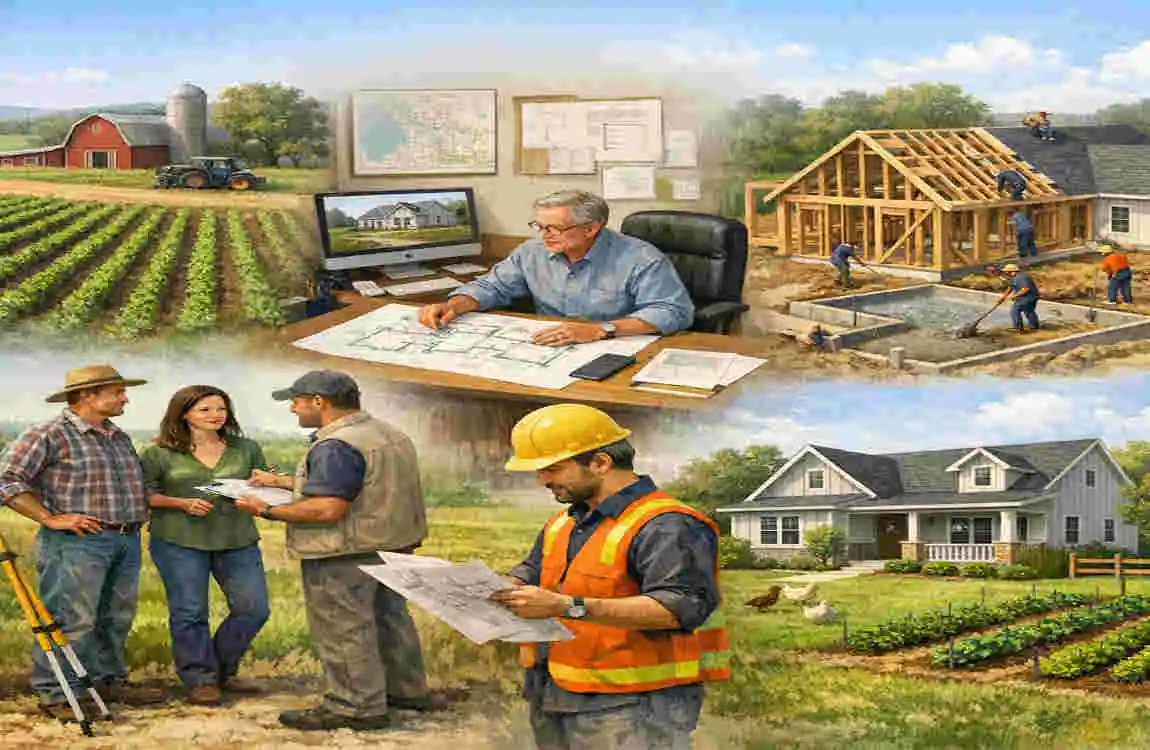
Building a home on agricultural land sounds like a smart idea for many people. The land may cost less, the setting may feel peaceful, and the property may offer more space than a normal residential lot. It can be very appealing if you want privacy, room to grow, or even a small farm life.
But the real question is simple: can you build a house on agricultural land? The answer is sometimes yes, but not always. It depends on local zoning rules, land-use laws, permits, and how the land is classified in your area.
What Is Agricultural Land?
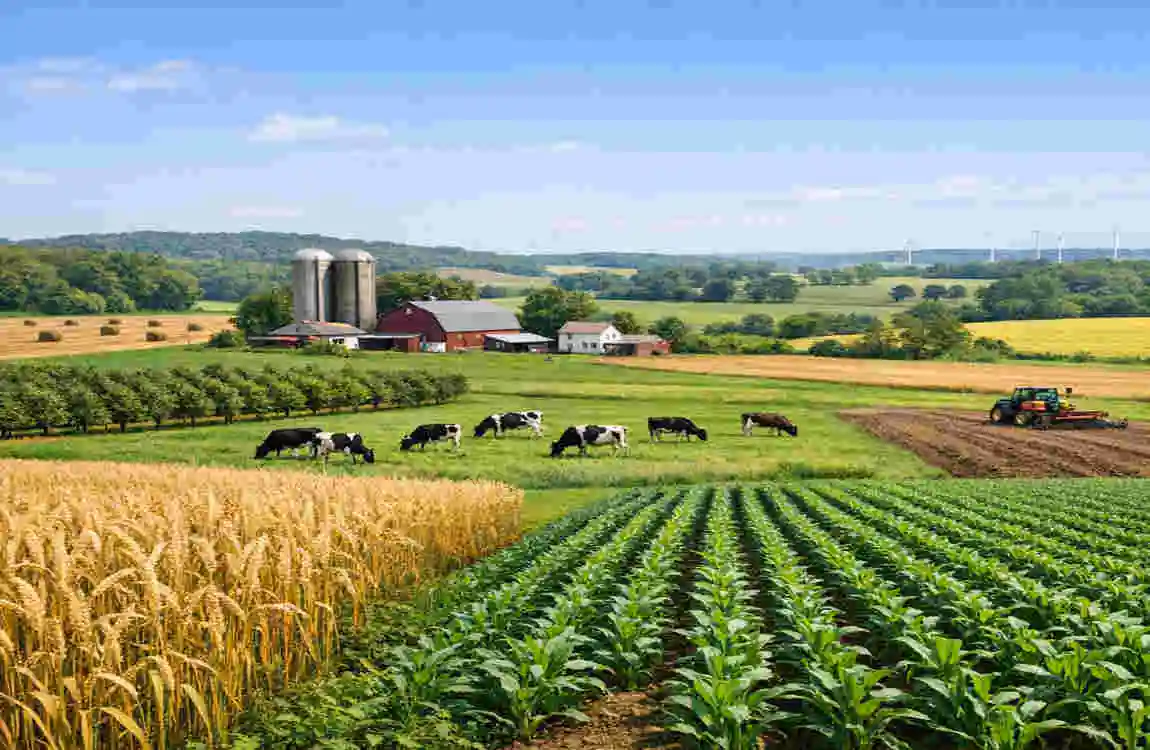
Definition of Agricultural Land
Agricultural land is land set aside mainly for farming and related use. It may be used for crops, animals, orchards, or other farm activities.
In many places, the government classifies this land differently from residential land. That classification matters because it affects what you can build and how you can use the property.
Common Uses of Agricultural Land
Agricultural land is usually used for things like:
- Crop production
- Animal farming
- Orchards
- Vineyards
- Mixed farm operations
Some land is fully active farmland, while other parcels may be partly used for farming and partly left open for future use. The exact use can affect your building rights.
Why Agricultural Land Has Different Rules
Governments often protect farmland because it helps with food production, environmental balance, and rural community life.
If too much farmland is converted to housing, it can reduce farm activity and increase pressure on roads, water systems, and nearby land. That is why agricultural land often comes with stricter rules.
Can You Build a House on Agricultural Land?
The Short Answer
Yes, you may be able to build a house on agricultural land, but it depends on where the land is located and what the local laws allow.
Some areas allow a farmhouse or worker housing. Others only allow homes after rezoning or special approval. The rules can change from one county, state, or country to another.
Factors That Determine Approval
Several things usually affect whether you can build:
- Land zoning
- Local planning rules
- Farm size
- Intended use of the land
- Environmental restrictions
If you want to build legally, you need to check all of these before starting. Assuming the land can be built on is one of the biggest mistakes buyers make.
Understanding Agricultural Zoning Laws
What Is Agricultural Zoning?
Agricultural zoning is a land-use rule that requires property to remain primarily in agricultural use. It controls what kind of buildings can be added and who can live there.
This zoning is meant to protect farmland and prevent large areas from becoming scattered residential development.
Residential vs Agricultural Zoning
Residential zoning is designed for houses, neighborhoods, and everyday living. Agricultural zoning is designed for farming, livestock, and open land use.
That means a lot that looks perfect for a home may still be off-limits if it is legally classified as farmland.
Why Governments Restrict Residential Development
Governments restrict house building on agricultural land for a few simple reasons.
They want to protect food-producing land. They also want to avoid building too many homes in areas without roads, sewer systems, or utility access.
How Zoning Protects Farming Communities
Zoning helps keep farms active and reduces conflicts between homeowners and farm operations.
For example, someone who moves next to a livestock farm may complain about noise, smells, or the sound of equipment. Zoning rules help prevent those problems by separating land uses.
When Is Building a House Allowed on Agricultural Land?
Farmhouses for Active Farmers
In many areas, a farmer can build a house on the land if the home is tied to farming activity.
This may be allowed because the house supports the farm operation and makes daily work easier.
Single Family Homes
Some agricultural parcels allow a single-family home, especially if the lot meets minimum size requirements or already has a house permit attached.
This is more common in places where the land is large and local planning laws are flexible.
Employee Housing
Some farms allow housing for workers. This is common on larger agricultural properties where employees need to live close to the work site.
This type of housing is often still linked to the farm’s purpose, rather than regular residential use.
Temporary Housing
In some cases, temporary housing may be allowed during farm work seasons or construction.
This does not always mean a full permanent home is approved, so it is important to check the rules carefully.
Replacement of Existing Farm Buildings
If a home or farmhouse already existed on the land, you may be allowed to rebuild or replace it.
This is often easier than trying to add a brand-new house where no dwelling was previously approved.
Permits Required Before Construction
Before building, you may need several approvals. The exact list depends on where the property is located.
Building Permit
A building permit permits you to construct the home. It confirms that your plan complies with safety and building codes.
Land Use Permit
This permit checks whether the home is allowed on that parcel of land. It focuses on how the land is classified and how it can be used.
Environmental Approval
If the site has wetlands, protected species, drainage issues, or other sensitive features, environmental review may be required.
Septic System Permit
Many rural and agricultural parcels do not connect to a public sewer system. If that is the case, you may need septic approval.
Water Well Approval
If public water is not available, a private well may be needed. That often requires separate approval and testing.
Utility Connection Permissions
You may also need permission to connect to electricity, gas, or other services, especially if the property is remote.
Can Agricultural Land Be Converted to Residential Land?
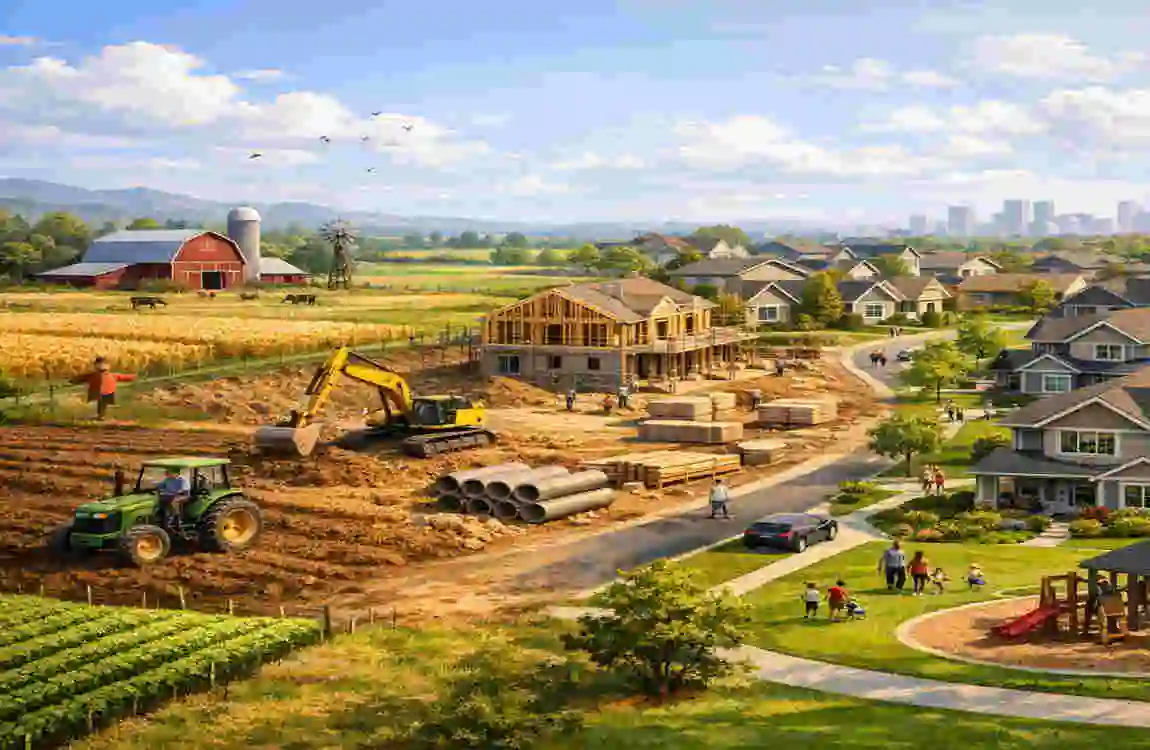
Land Conversion Process
Yes, agricultural land can sometimes be converted to residential land. This process is usually called rezoning or land-use conversion.
It is not automatic. You usually have to apply, explain your plan, and wait for government review.
Rezoning Application
A rezoning application requests that the local authority change the land’s legal use from agricultural to residential.
This process can take time and may include paperwork, maps, site plans, and public notice.
Public Hearings
In many places, neighbors and community members may be allowed to speak for or against the proposal.
This is one reason rezoning can take longer than people expect. It is not just a private decision.
Government Approval
Local officials decide whether the change fits the area’s long-term plan. They may approve it, deny it, or approve it with conditions.
Time Required for Conversion
The time frame varies a lot. Some conversions may take a few months. Others can take much longer if the area is sensitive or the proposal is complex.
Costs of Building on Agricultural Land
Building on agricultural land can look cheaper at first, but the extra costs can add up quickly.
Expense Estimated Cost
Rezoning Fees Varies by location
Building Permit Local authority
Septic System Depends on property
Water Well Varies
Utility Connections Depends on distance
Driveway Construction Project-specific
Land Conversion Fees
If you need to change the land use, there may be filing, review, and planning fees.
Permit Costs
Permits for building, septic, water, and utilities can all add to the total project cost.
Utility Installation
If the land is far from existing services, getting power, water, or gas may be expensive.
Road Access
If the property lacks easy road access, you may need to build a driveway or improve the entry points.
Site Preparation
Agricultural land may need clearing, leveling, drainage work, or soil testing before building begins.
Construction Costs
The house itself still has to be built. So even if the land is cheaper, the full project may still be expensive.
Challenges of Building on Agricultural Land
Utility Availability
One of the biggest issues is that farm land may not have easy access to water, sewer, electricity, or internet.
Limited Road Access
Some agricultural parcels are far from paved roads. That can make construction and daily living more difficult.
Soil Conditions
Farm soil is not always ideal for building. It may be too soft, too wet, or uneven.
Flood Risk
Many agricultural areas are near open fields, rivers, or low-lying land. That can raise flood concerns.
Environmental Restrictions
Some land may be protected because of wetlands, wildlife, or erosion concerns. These rules may limit what you can build.
Financing Challenges
Banks may be more careful when lending on agricultural land. They may want proof that the home is allowed and that the property has proper access.
Benefits of Building a Home on Agricultural Land
More Privacy
Agricultural land often comes with more space between you and your neighbors. That can mean more peace.
Larger Property
You may get much more land than you would in a normal housing area. That gives you room to breathe.
Peaceful Environment
Many people like the open views, less traffic, and slower pace of rural land.
Farming Opportunities
If you want to grow crops, keep animals, or start a small garden, agricultural land can be a strong fit.
Long-Term Investment Potential
If the area grows over time, the land may become more valuable. That can make it a useful long-term investment.
Things to Check Before Buying Agricultural Land
Before you buy, it is smart to do a full review of the property.
Verify Zoning
Make sure the land is actually zoned for the use you want. Do not rely on the seller’s word alone.
Confirm Building Rights
Ask clearly whether a home is allowed. Some agricultural land allows no dwelling at all.
Review Property Deed
The deed may contain restrictions that limit building or use.
Check Easements
An easement gives someone else the right to use part of the land, often for roads, utilities, or access.
Water Rights
In some areas, water rights matter a lot. This can affect wells, irrigation, and farming.
Utility Access
Check whether the land already has access to power, water, sewer, and internet.
Environmental Restrictions
Look for flood zones, wetland limits, or other protected areas that could affect building.
Steps to Build a House on Agricultural Land
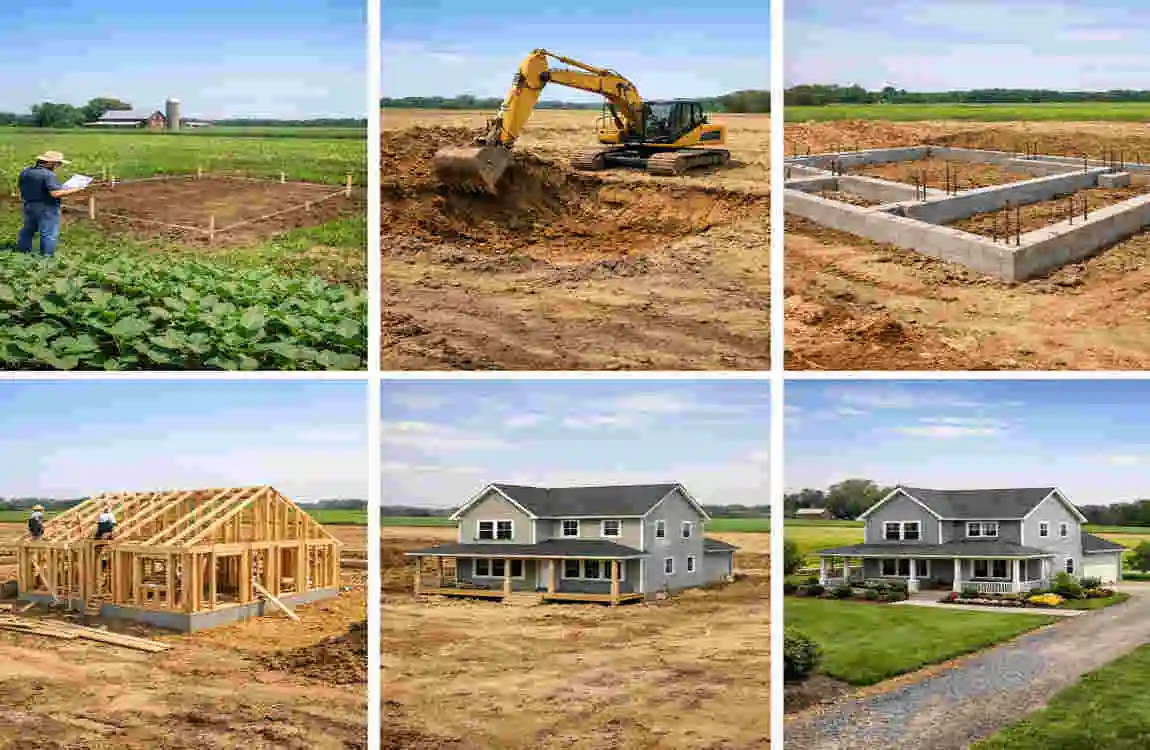
Research Local Regulations
Start by learning the local zoning and building rules. This is the most important step.
Hire a Land Surveyor
A surveyor can map the property, confirm boundaries, and help identify problem areas.
Consult the Planning Department
Your local planning office can tell you what is allowed and what is not.
Obtain Necessary Permits
Once the plan is approved, apply for the permits needed before construction begins.
Prepare the Site
This may include clearing land, grading, installing utilities, and setting up access.
Begin Construction
After everything is approved, building can begin according to the plan.
Common Mistakes to Avoid
Many problems can be prevented if you plan early.
- Buying land before checking zoning
- Ignoring permit requirements
- Assuming all farmland allows homes
- Skipping soil testing
- Forgetting utility costs
- Not consulting local authorities
These mistakes can lead to extra costs, delays, or even rejection of your building plans.
Can You Get a Mortgage for Agricultural Land?
Agricultural Loans
Some lenders offer loans designed for agricultural land. These may fit buyers who want to farm or use the land for rural purposes.
Construction Loans
If you already have approval to build, a construction loan may help cover the project’s costs.
Traditional Mortgage Options
In some cases, a normal mortgage may work if the land is approved for residential use.
Factors Lenders Consider
Banks often look at zoning, access, utilities, land value, and the strength of your building plan.
If the land has unclear rights or major restrictions, securing financing may be harder.
Frequently Asked Questions
Can you build a house on agricultural land?
Yes, in many areas you can, but approval depends on local zoning laws, permits, and planning rules.
Do you need planning permission?
In most cases, yes. Building without approval can lead to fines or removal orders.
Can agricultural land be rezoned?
Often yes, but the process varies by location and may require public review.
Is it cheaper to build on agricultural land?
The land itself may cost less, but rezoning, utility work, permits, and infrastructure can make the total project more expensive.
Can anyone buy agricultural land?
Usually yes, but some places limit ownership or require the land to stay in farm use.
Can I live permanently in a farmhouse?
That depends on local rules. Some areas allow it, while others require the home to support active farming.
| Topic | Details |
|---|---|
| Definition | Building a residential home on land that is legally zoned or designated for agricultural use. |
| Is It Allowed? | It depends on local zoning laws, land-use regulations, and government approval. |
| Planning Permission | Most areas require planning permission or a change of land use before construction. |
| Zoning Rules | Agricultural land is generally intended for farming, livestock, or related activities, not residential development. |
| Land Conversion | In many regions, agricultural land must be converted to residential or mixed-use zoning before building. |
| Utility Access | Water, electricity, sewage, gas, and internet connections may need to be installed, increasing costs. |
| Building Restrictions | There may be limits on house size, location, setbacks, and the number of structures allowed. |
