
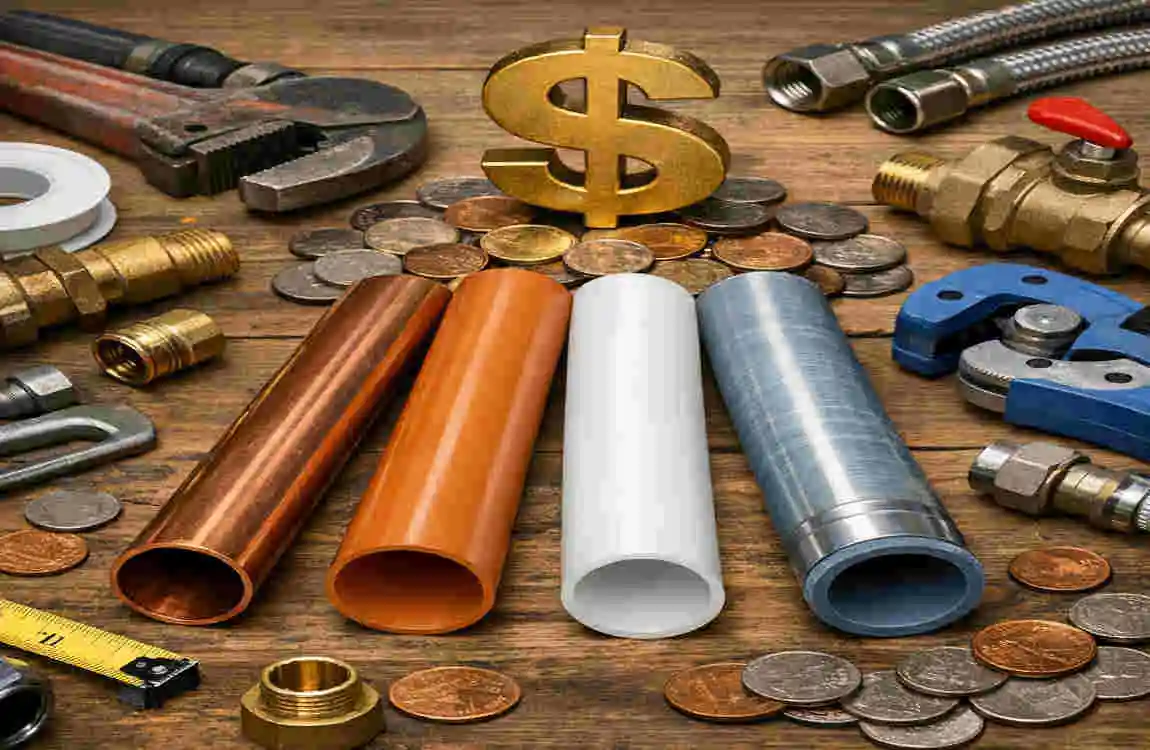
Choosing the right plumbing pipe is more important than many homeowners realize. It affects how much you spend now, how much you spend later, and how well your plumbing system works over time.
Some pipes are cheaper to install. Others last longer. A few are better for hot water, while others work best for drains or cold water lines. That is why the question of which pipe is best for home plumbing costs so much.
Why Plumbing Pipe Choice Matters
Impact on Installation Costs
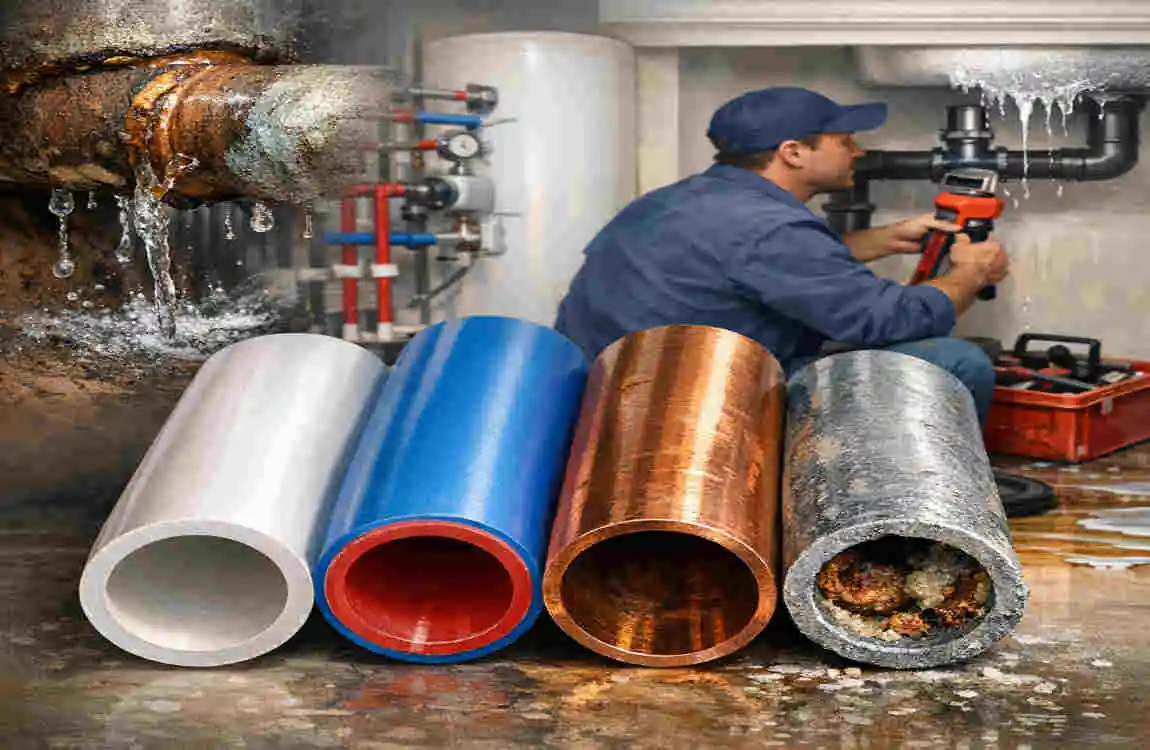
Different pipe materials have varying labor and material costs. Some are easier to install, which lowers the total price. Others take more time, more skill, or special tools.
For example, flexible pipes often cost less to install than rigid pipes. That can make a big difference in a full-home plumbing project.
Long-Term Maintenance Expenses
The cheapest pipe is not always the best deal. Some pipes cost less upfront but may require more repairs later.
If a pipe is prone to leaks, corrosion, or cracking, you may pay more over time. That is why long-term cost matters just as much as the first bill.
Water Quality and Safety
Your plumbing pipe can affect the quality of your water. Some materials are better for drinking water, while others are mainly used for drains and waste lines.
You want a pipe that supports safe, clean, reliable water flow in your home.
Lifespan and Reliability
A good pipe should last for many years without causing trouble. Lifespan is a big part of value because a pipe that lasts longer usually gives you better returns.
That means you should look beyond price and consider durability, too.
Types of Plumbing Pipes Used in Homes
PEX Pipes
PEX is one of the most popular choices in modern homes. It is flexible, lightweight, and easier to install than many older materials.
Features
PEX bends around corners, which means fewer joints and less cutting. That can save time and reduce leak points.
Advantages
- Affordable
- Fast to install
- Resists corrosion
- Works well for hot and cold water
Disadvantages
- Can be damaged by UV light
- Not ideal for outdoor exposure
- Some homeowners prefer more rigid materials
Average Lifespan
PEX often lasts 40 to 50 years when installed properly.
Copper Pipes
Copper has been trusted for a long time. It is strong, durable, and performs well in many homes.
Features
Copper is rigid and reliable. It handles heat well and has a long history in plumbing systems.
Benefits
- Long lifespan
- Strong and dependable
- Good for drinking water
- Resists bacterial growth
Drawbacks
- More expensive
- Higher labor cost
- Can be affected by certain water conditions
Ideal Applications
Copper is often used where durability and water quality are top priorities.
PVC Pipes
PVC is a very common plastic pipe, especially for drainage and venting.
Common Uses
PVC is often used for drain, waste, and vent lines, not usually for hot water supply.
Pros
- Very affordable
- Easy to handle
- Low maintenance
- Resists corrosion
Cons
- Not suitable for hot water
- Can become brittle with age or sunlight
- Not always used for drinking water lines
CPVC Pipes
CPVC is similar to PVC but can withstand higher temperatures, making it more suitable for water supply lines.
Hot and Cold Water Compatibility
CPVC is suitable for both hot and cold water, making it more versatile than standard PVC.
Advantages
- Moderate cost
- Good heat resistance
- Easy to install
- Resists corrosion
Limitations
- More brittle than PEX
- May crack under impact
- Not as flexible as PEX
Galvanized Steel Pipes
Galvanized steel is found mostly in older homes. It was once common, but many systems now replace it.
Older Homes
If your house is older, you may still have galvanized pipes.
Problems Associated with Aging
These pipes can rust on the inside, reduce water pressure, and cause discoloration in the water. Over time, they often become a maintenance problem.
ABS Pipes
ABS is another type of plastic pipe used primarily for drainage.
Drainage Applications
ABS is often used in waste and vent systems rather than in water supply systems.
Benefits and Limitations
It is lightweight and easy to install, but it is not used for every plumbing job. Local codes may also affect whether it is allowed.
Cost Comparison of Popular Plumbing Pipes
Pipe TypeInitial CostInstallation CostLifespanMaintenanceOverall Value
PEX Low Low 40–50 Years Low Excellent
Copper High High 50–70 Years Low Very Good
PVC Very Low Low 50+ Years Low Excellent
CPVC Moderate Moderate 40–50 Years Low Good
Galvanized Steel High High 20–50 Years High Fair
This table shows why the answer to which pipe is best for home plumbing cost depends on the job. A drain pipe has different needs from a hot water supply line. A new home may need a different solution than an older remodel.
Which Pipe Is Best for Home Plumbing Cost?
Best Budget Option
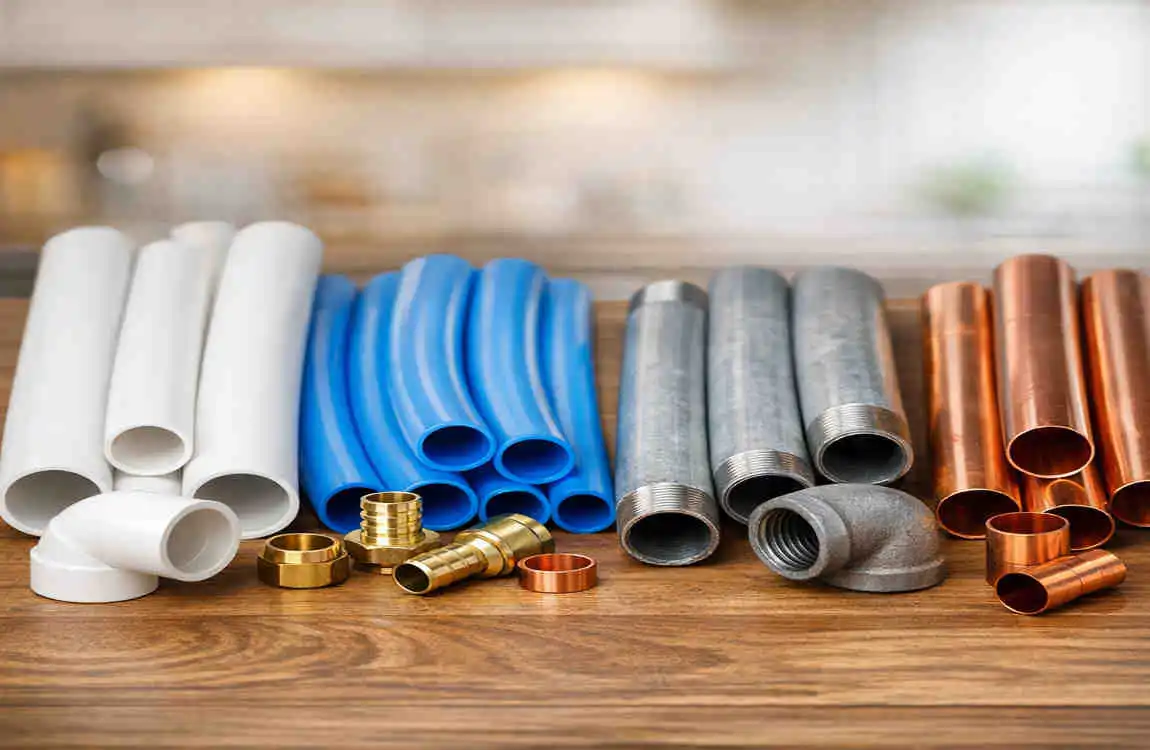
If your main goal is saving money, PEX is often the best budget option for water supply. It is affordable, quick to install, and works well in many homes.
For drainage, PVC is usually the cheapest and most practical choice.
Best Long-Term Investment
If you want a pipe with a strong reputation and long lifespan, copper is often the premium choice. It costs more, but many homeowners see it as a long-term investment.
Best for Drinking Water
Copper and PEX are both common for drinking water lines. Copper has a long track record, while PEX offers easier installation and lower cost.
Best for Hot Water Lines
PEX and CPVC are both good for hot water. PEX is often easier and more flexible, while CPVC can also work well in many homes.
Best for Cold Water Supply
PEX is usually a top choice for cold water because it is affordable, flexible, and efficient. Copper also performs very well if the budget allows it.
Best Choice for New Construction
For new homes, PEX is often the best mix of cost, speed, and performance. Builders like it because it is easier to install and can reduce labor time.
Best Choice for Remodeling Projects
For remodels, PEX is also very popular because it can run through tight spaces and around existing structures. That can reduce the amount of tearing into walls.
PEX vs Copper vs PVC: Which Offers Better Value?
Installation Cost Comparison
PEX is usually the easiest and cheapest to install. Copper takes more labor and skill. PVC is affordable but mostly used for drains, not supply lines.
Durability Comparison
Copper tends to last the longest in supply lines. PEX lasts a long time too and handles movement well. PVC is durable for drain systems but not for hot water.
Water Pressure Performance
All three can perform well when installed properly. Copper is known for steady performance. PEX handles pressure changes well because it flexes slightly.
Corrosion Resistance
PEX and PVC resist corrosion very well. Copper is also reliable, but water quality can affect it over time. Galvanized steel is the weakest here because it can rust.
Flexibility
PEX wins here by a wide margin. It bends easily, which helps reduce the number of fittings and simplifies installation.
Repair Costs
PEX is often cheaper to repair because parts are easier to access and replace. Copper repairs may cost more. PVC repairs are usually simple for drainage systems.
Overall Cost of Ownership
When you compare installation, maintenance, and lifespan, PEX often offers the best balance of value for water supply. Copper gives premium durability, but at a higher price. PVC remains a strong low-cost option for drain lines.
Factors to Consider Before Choosing Plumbing Pipes
Local Building Codes
Not every pipe is allowed everywhere. Local rules may limit what you can use for water supply, drains, or outdoor lines.
Always check code requirements before buying materials.
Climate Conditions
Cold climates can affect pipes differently than warm ones. Some materials handle freezing better than others.
Water Quality
If your water is hard, acidic, or treated in a certain way, some pipes may last longer than others.
Home Age
Older homes may need pipes that fit existing layouts. That can affect your choice and your budget.
Budget
Your budget matters, but do not choose only by price. The cheapest pipe may not be the cheapest solution over time.
Future Expansion Plans
If you plan to add bathrooms, a kitchen, or outdoor plumbing later, choose a pipe system that can grow with your home.
Common Plumbing Pipe Mistakes to Avoid
- Choosing based only on price
- Ignoring local plumbing codes
- Mixing incompatible materials
- Hiring inexperienced installers
- Overlooking maintenance costs
- Using indoor pipes outdoors
These mistakes can lead to leaks, costly repairs, or code problems later.
Expert Tips to Save Money on Home Plumbing
A few smart choices can help you keep costs under control.
- Compare multiple contractor quotes
- Choose durable materials
- Install quality fittings
- Schedule regular inspections
- Fix leaks early
- Invest in proper insulation
The goal is not just to spend less now. It is to avoid higher costs later.
Signs It’s Time to Replace Your Plumbing Pipes
Frequent Leaks
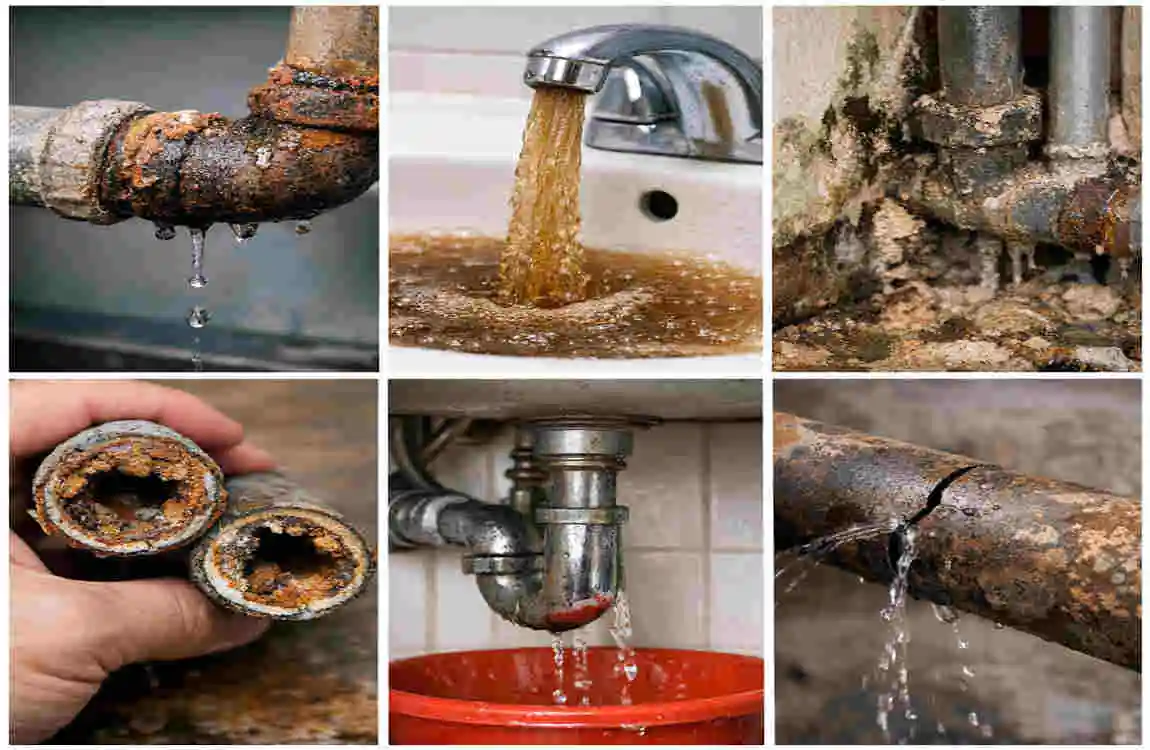
If leaks keep coming back, your pipes may be wearing out.
Rust-Colored Water
This is often a sign of corrosion inside the system, especially in older metal pipes.
Low Water Pressure
Low pressure can mean buildup, blockage, or damage inside the pipes.
Pipe Corrosion
Visible rust or corrosion is a strong warning sign.
Water Discoloration
If the water looks cloudy, brown, or strange, the plumbing may need attention.
Aging Plumbing System
If your home still has old galvanized pipes or another outdated system, replacement may be the better choice.
Recommended Plumbing Pipe Based on Home Type
New Homes
PEX is often the best choice for new homes because it is affordable, fast to install, and durable.
Older Homes
Older homes may need a mix of materials, especially if the layout is complicated or the system needs upgrades.
Apartments
PVC and PEX are both common depending on whether the pipes are for supply or drainage.
Rental Properties
Landlords often prefer materials that balance cost, durability, and easy maintenance. PEX and PVC are often strong choices.
Large Family Homes
For larger homes, durability and long-term cost matter a lot. PEX is a practical choice, while copper may be worth it in some premium builds.
Frequently Asked Questions
Is PEX cheaper than copper plumbing?
Yes. PEX is usually much cheaper to buy and install than copper.
Which pipe is best for home plumbing in terms of cost?
For most water supply jobs, PEX is often the best value. For drains, PVC is usually the cheapest practical choice.
What plumbing pipe lasts the longest?
Copper often has the longest lifespan in water supply systems, though PEX also lasts a long time.
Is PVC safe for home water supply?
PVC is generally used for drains and vents, not hot water supply lines. Always check local codes and product use ratings.
Can PEX be used for hot and cold water?
Yes, PEX is commonly used for both hot and cold water lines.
Which plumbing pipe requires the least maintenance?
PEX, PVC, and copper all need relatively little maintenance when installed correctly, but galvanized steel usually needs the most.
What is the average cost to replumb a house?
It depends on the size of the home, pipe material, and labor rates. A full replumb can range widely.
| Plumbing Pipe Type | Best For | Average Lifespan | Pros | Cons | Overall Value |
|---|---|---|---|---|---|
| PEX (Cross-Linked Polyethylene) | Most residential plumbing | 40–50 years | Affordable, flexible, easy to install, corrosion-resistant | Can be damaged by prolonged UV exposure | Best Overall Value |
| Copper | Long-term, high-quality water supply | 50–70+ years | Extremely durable, heat-resistant, recyclable | Higher material and installation costs | Excellent but Expensive |
| CPVC | Hot and cold water supply | 40–50 years | Budget-friendly, corrosion-resistant, handles hot water well | Can become brittle over time | Good Value |
| PVC | Drain, waste, and vent (DWV) systems | 50–100 years | Low cost, lightweight, easy to install | Not suitable for hot water supply | Great for Drainage |
| Galvanized Steel | Older homes and replacement projects | 40–50 years | Strong and durable | Prone to rust, mineral buildup, and difficult installation | Limited Value Today |
