
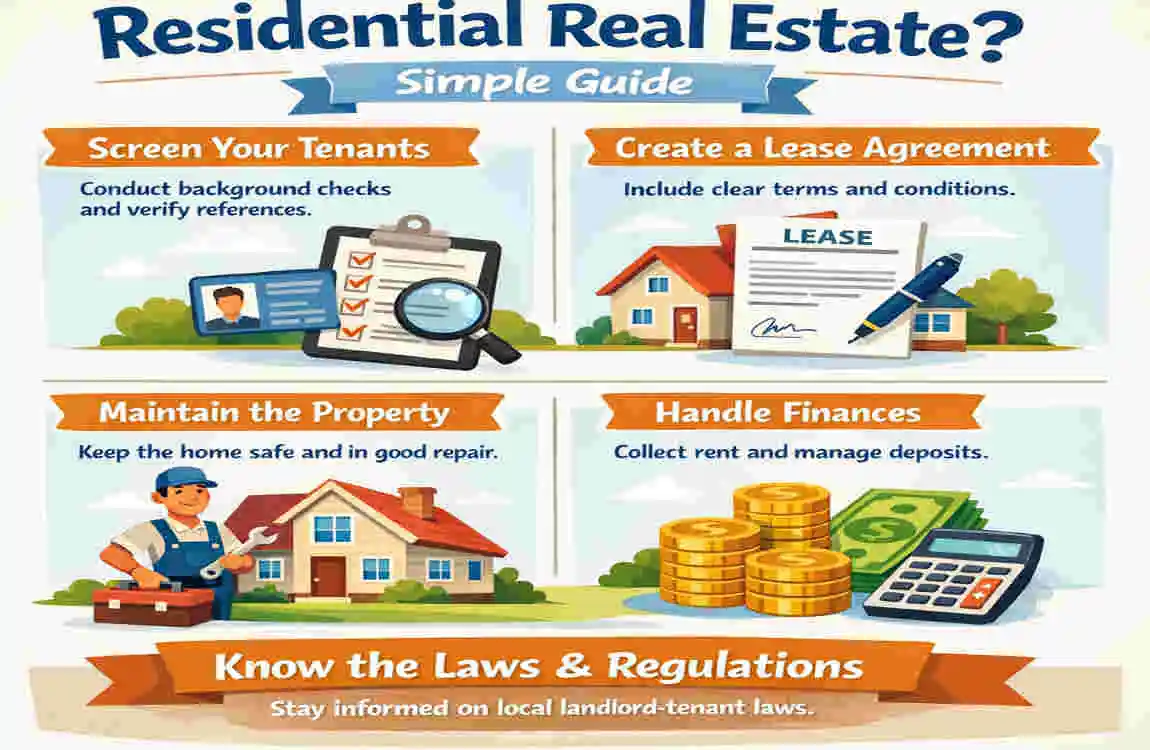
If you rent out a home, apartment, condo, or any other place where someone lives, you may be asking yourself: are you a lessor of residential real estate?
The short answer is simple. If you own a residential property or have legal authority to rent it out and allow another person to live there under a rental agreement, you are usually acting as a lessor.
This matters because being a lessor is not just about collecting rent. It also means handling repairs, complying with rental laws, protecting tenants’ rights, and maintaining proper records. In other words, it is a role with both rights and responsibilities.
What Does “Lessor of Residential Real Estate” Mean?
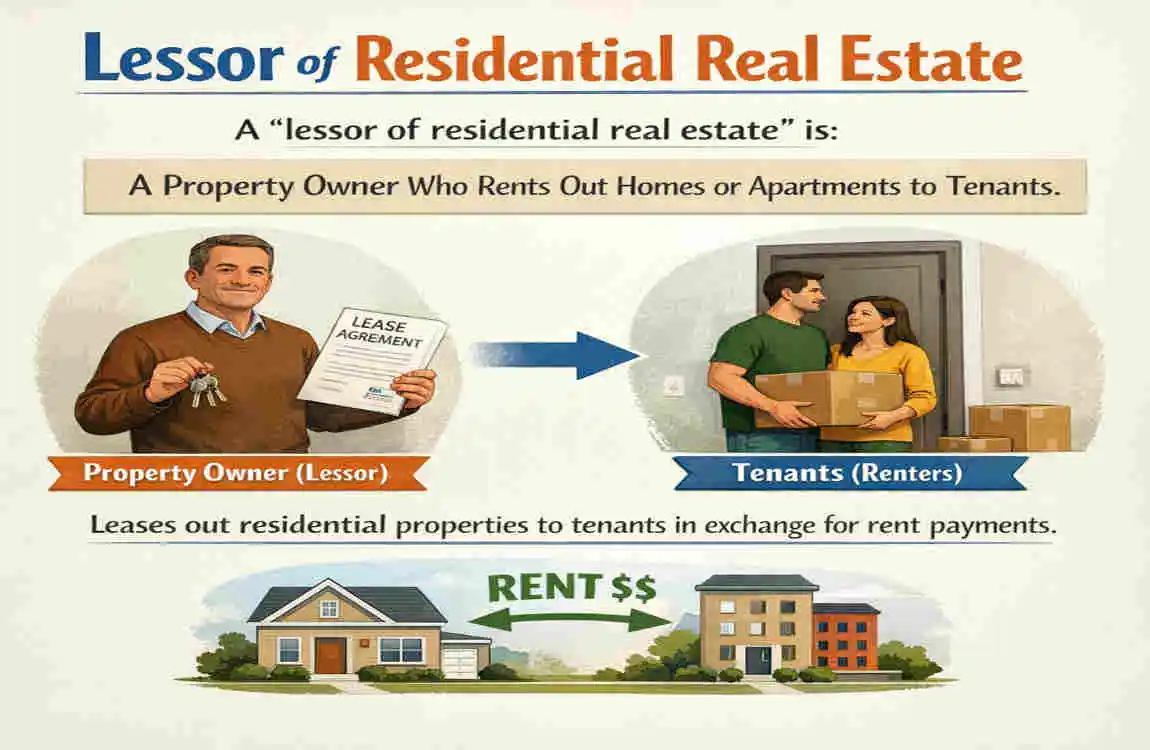
A lessor is the person who gives another person the right to use a property under a lease or rental agreement. In simple terms, the lessor is usually the property provider.
When we say residential real estate, we mean property used for living, not for business. That includes places like:
- Houses
- Apartments
- Condos
- Townhomes
- Duplexes
- Basement suites
- Other rental homes or living spaces
So, if you rent out one of these properties, you may be a residential lessor.
Who Is Considered a Lessor?
A lessor is not always just a classic “landlord.” Depending on the situation, the lessor may be:
- The property owner
- A landlord
- A real estate investor
- A property manager or authorised representative
What matters most is legal authority. If a person has the right to lease the property, they may be treated as the lessor.
Lessor vs. Lessee
These two words are often used in rental agreements, and they mean different things.
Term Meaning Role in the Lease
Lessor: The person or party who provides the property and gives the tenant the right to live there.
Lessee: The person who rents or occupies the property; pays rent and uses the property.
The easiest way to remember it is this: the lessor provides the home, and the lessee lives in it.
If you are wondering what a lessor is in real estate, this is the simplest answer: the person on the giving side of the lease.
How Do You Know If You Are a Lessor?
Not everyone who owns a property is actively acting as a lessor. You become a lessor when you enter into a rental arrangement and allow someone else to live in your property.
Common Situations Where You Are Likely a Lessor
You may be a lessor if you:
- Rent out an entire house
- Lease out a single apartment unit
- Allow someone to live in a condo you own
- Rent part of your home, like a basement suite
- Inherit a property and begin renting it out
- Co-own a property and agree to lease it to a tenant
- Use a property manager to rent the property on your behalf
In all of these cases, the key issue is control and permission. If you have the legal right to let someone stay there in exchange for rent or another agreed payment, then you are acting as a lessor.
Ownership Alone Is Not Always the Full Story
It is important to understand that owning a property does not always mean you are actively functioning as a lessor.
For example, if you own a second home but do not rent it out, you are not acting as a lessor. But once you start leasing it to a tenant, the lessor role begins.
The same idea applies to inherited property or joint ownership. If the property is available for rent and you have legal authority to lease it, then your role becomes clearer.
Quick Lessor Checklist
Use this simple checklist to see whether you are likely acting as a lessor:
- Do you own or legally control the property?
- Do you allow another person to live there?
- Do they pay rent or other agreed consideration?
- Is there a rental or lease agreement in place?
If you answer yes to most of these, then you are probably a lessor of residential real estate.
What Are the Main Responsibilities of a Residential Lessor?
Being a residential lessor comes with important duties. Tenants are not just paying for a place to sleep. They are paying for the right to live in a property that should be safe, usable, and managed properly.
Keeping the Property Safe and Habitable
One of the biggest responsibilities of a lessor is ensuring the home is in a reasonably safe and livable condition.
That usually means the property should have:
- Working doors and locks
- Safe electrical and plumbing systems
- Proper heating or cooling where required
- Reasonable protection from leaks, mould, pests, or dangerous damage
If a property becomes unsafe, the lessor is usually expected to address the issue promptly.
Handling Repairs and Maintenance
A residential lessor usually needs to take care of repairs that are the lessor’s responsibility under the lease or local law.
This may include:
- Fixing broken appliances if included in the rental
- Repairing water leaks
- Maintaining the roof, windows, and structure
- Addressing major wear and tear
- Arranging routine upkeep
Some small issues may be the tenant’s responsibility, but larger structural or safety-related problems usually fall on the lessor.
Following Rental Laws
Every location has its own landlord-tenant rules. These rules may cover:
- Rent collection
- Security deposits
- Notice before entering the home
- Eviction steps
- Repairs and habitability standards
- Anti-discrimination laws
This is why legal compliance matters so much. A rule that is normal in one place may be illegal in another. You should never assume all rental laws work the same way everywhere.
Respecting Privacy and Lawful Possession
Once a tenant moves in, they have the right to quiet enjoyment of the property. That means they should be able to live there without unnecessary interruption.
As a lessor, you generally should not enter the home without proper notice, unless there is an emergency or the law allows it. Respecting tenant privacy helps avoid conflict and builds trust.
Handling Security Deposits Properly
If you collect a security deposit, you need to handle it carefully. In many places, there are rules about:
- How much you can collect
- Where the deposit is kept
- When and how it is returned
- What deductions are allowed
Deposit-related mistakes are among the most common sources of disputes between lessors and tenants.
Communicating Notices Correctly
A lessor must often give written notice for things like:
- Rent increases
- Entry into the unit
- Lease termination
- Repair schedules
- Rule changes where allowed
Good communication is part of good property management. Clear notices help avoid confusion and legal trouble.
What Should Be Included in a Residential Lease Agreement?
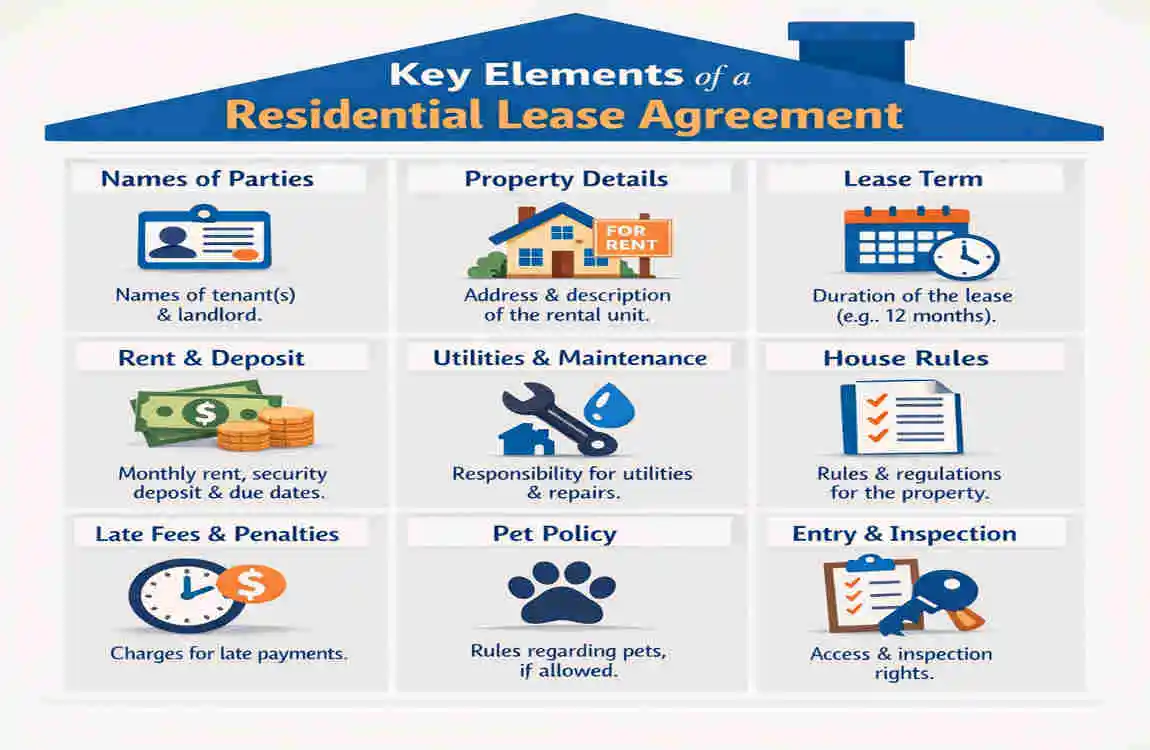
A residential lease agreement is one of the most important documents in the rental process. It sets the rules for both sides and helps prevent disagreements.
A written lease protects both the lessor and the tenant by clarifying expectations from the start.
Important Terms to Include
A strong lease agreement should usually explain:
- Monthly rent amount
- Due date for rent
- Lease length or rental period
- Security deposit terms
- Who handles repairs
- Who pays utilities
- Property rules
- Renewal terms
- Termination notice requirements
- How disputes will be handled
The more clearly these points are written, the easier it is to avoid confusion later.
Why Written Terms Matter
Verbal promises are easy to forget or misunderstand. A written lease gives both sides something to refer back to if questions come up.
For example, if the tenant thinks the landlord will pay the water bills, but the landlord thinks the tenant will, that can quickly become a problem. A clear lease prevents that kind of confusion.
Lessor and Tenant Rights
A lease is not only about the lessor’s rights. It also protects the tenant.
A good lease should make sure both sides understand:
- What the lessor will provide
- What the tenant must pay
- What the tenant may or may not do
- What happens if the lease is broken
When the lease language is vague, arguments are more likely to arise. When it is clear, both sides usually have a smoother experience.
Financial and Property Management Duties for Lessors
Being a residential lessor is also a financial responsibility. You are not only managing a property; you are managing income, expenses, and records.
Collecting and Recording Rent
Rent collection should be handled in an organised way. You should know:
- How rent is paid
- When it is due
- What counts as a late payment
- How you will record each payment
Keeping records is important because it helps you track income and resolve disputes if they happen.
Tracking Expenses
Every rental property has costs. Even if the property brings in income, it also comes with regular spending.
You should keep track of:
- Repairs
- Maintenance
- Insurance
- Property taxes
- Utility costs, if you pay them
- Management fees, if applicable
This helps you understand whether the property is truly profitable.
Planning for Taxes and Records
Rental income may be taxable, depending on where the property is located. In many cases, you may also be able to deduct certain expenses, but tax rules can be complicated.
That is why good records matter. Keep copies of:
- Lease agreements
- Rent receipts
- Repair bills
- Deposit records
- Communication logs
- Maintenance invoices
Strong records make tax time easier and help you stay organised.
Common Costs Lessors Should Plan For
Here are some of the most common expenses a residential lessor should expect:
- Repairs
- Maintenance
- Property taxes
- Insurance
- Utilities, when applicable
- Property management fees
- Vacancy periods
Vacancy periods are especially important. If the unit is empty, you may still have bills to pay, but no rent coming in.
Common Mistakes Residential Lessors Should Avoid
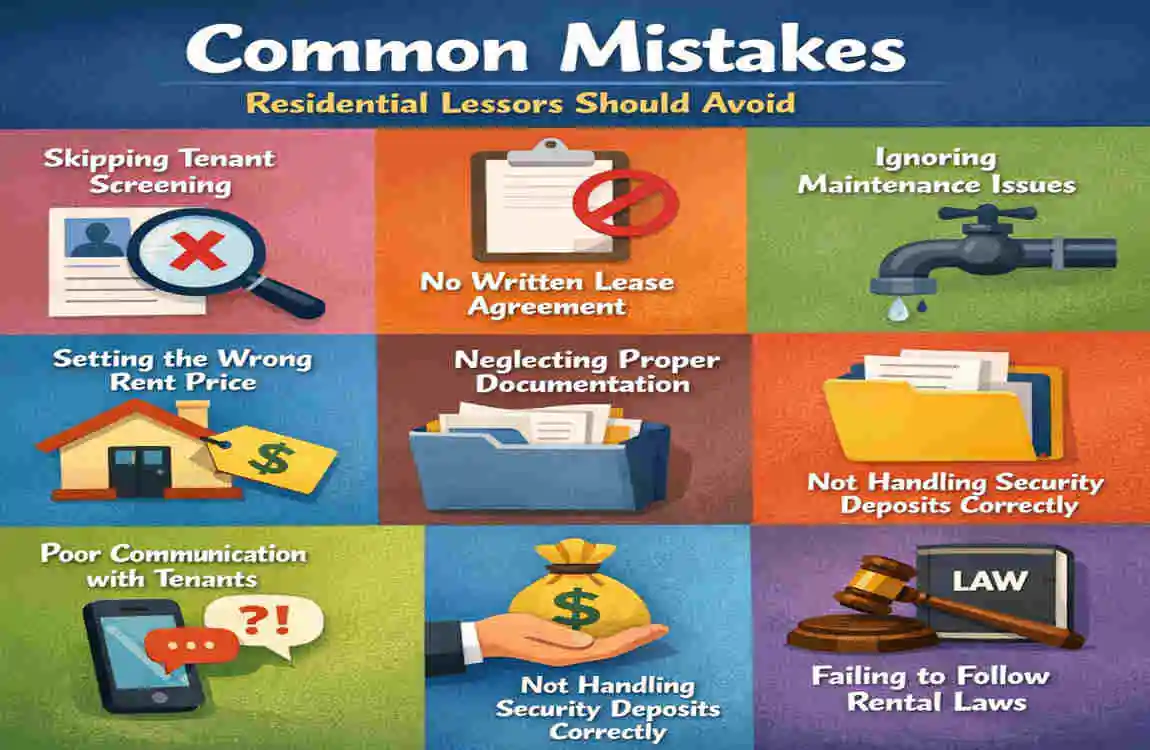
Even experienced property owners make mistakes. Some are small, but others can lead to legal trouble or financial loss.
Mistakes That Can Cause Problems
Here are some of the most common errors lessors make:
- Renting without learning the local laws
- Using an unclear or outdated lease
- Failing to document the condition of the property
- Ignoring repair requests
- Entering a tenant’s home without proper notice
- Mishandling a security deposit
- Discriminating against tenants
- Failing to keep payment records
- Assuming ownership gives unlimited control over an occupied home
Each of these mistakes can create stress, conflict, or even legal claims.
Tips for Becoming a Better Lessor
If you want to manage your rental property well, keep these simple habits in mind:
- Use clear written agreements
- Keep organised records
- Communicate professionally
- Schedule regular maintenance
- Learn the rental laws that apply to your property
- Get legal or tax advice when needed
Good lessors are usually neither strict nor passive. They are clear, fair, and organised.
Frequently Asked Questions About Being a Residential Lessor
What does lessor mean in residential real estate?
A lessor is the person or party that provides a residential property for someone else to live in under a lease or rental agreement.
Are you a lessor of residential real estate if you rent out your house?
Yes, in most cases. If you legally rent out your house to a tenant, you are generally acting as the lessor, or landlord.
Is a lessor the same as a landlord?
The terms are often used similarly. Lessor is the more formal legal term, while landlord is the more common everyday word.
What is the difference between a lessor and a lessee?
The lessor provides the property. The lessee rents it and lives in it. One gives the right to occupy, and the other receives that right.
Does a lessor have to own the property?
Ownership is common, but the key issue is usually legal authority. A person may not own the property outright but can still act as the lessor if they are allowed to lease it.
What responsibilities does a residential lessor have?
A residential lessor usually has duties related to maintenance, safety, legal compliance, privacy, deposits, and lease enforcement.
Can a lessor increase rent?
Usually yes, but only if the lease and local laws allow it. Some places require notice or place limits on how and when rent can be raised.
Do residential lessors need a written lease?
A written lease is strongly recommended. It helps prevent misunderstandings and makes the terms easier to enforce. Legal requirements can vary by location.
| Term | Simple Meaning |
|---|---|
| Lessor | The property owner who rents out residential real estate. |
| Residential Real Estate | Property used for living, such as a house, apartment, or condo. |
| Lessee | The person who rents the property from the lessor. |
| Lessor’s Role | Provides the property, follows the lease agreement, and handles required maintenance. |
| Rental Income | Money the lessor receives from the tenant in exchange for using the property. |
| Lease Agreement | A legal contract that explains rent, rules, responsibilities, and lease duration. |
| Simple Example | If you own a house and rent it to a tenant, you are the lessor and the tenant is the lessee. |
