
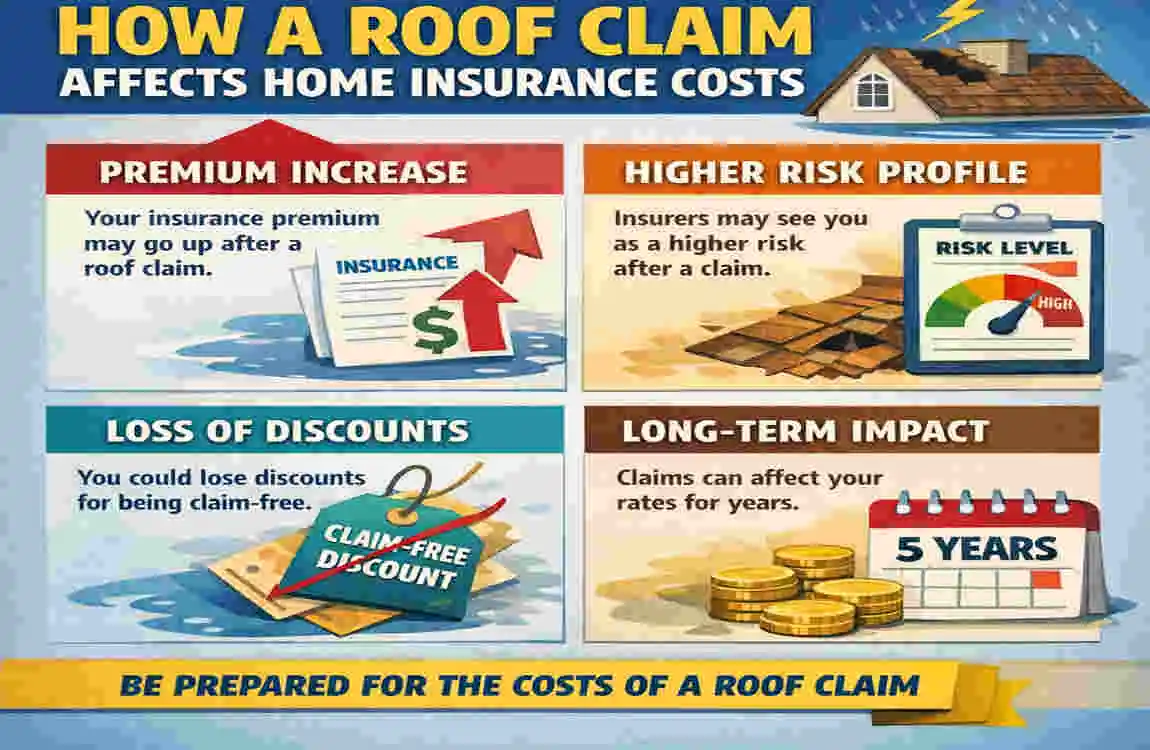
If your roof gets damaged, one of the first things you may worry about is your insurance bill. That is a very common concern. A roof repair can already be expensive, so the idea of paying more for home insurance afterward can feel stressful.
The good news is that there are ways to manage the cost. If you understand how roof claims affect premiums, you can make smarter choices before you file a claim and after the repair is done.
Does Home Insurance Go Up After a Roof Claim?
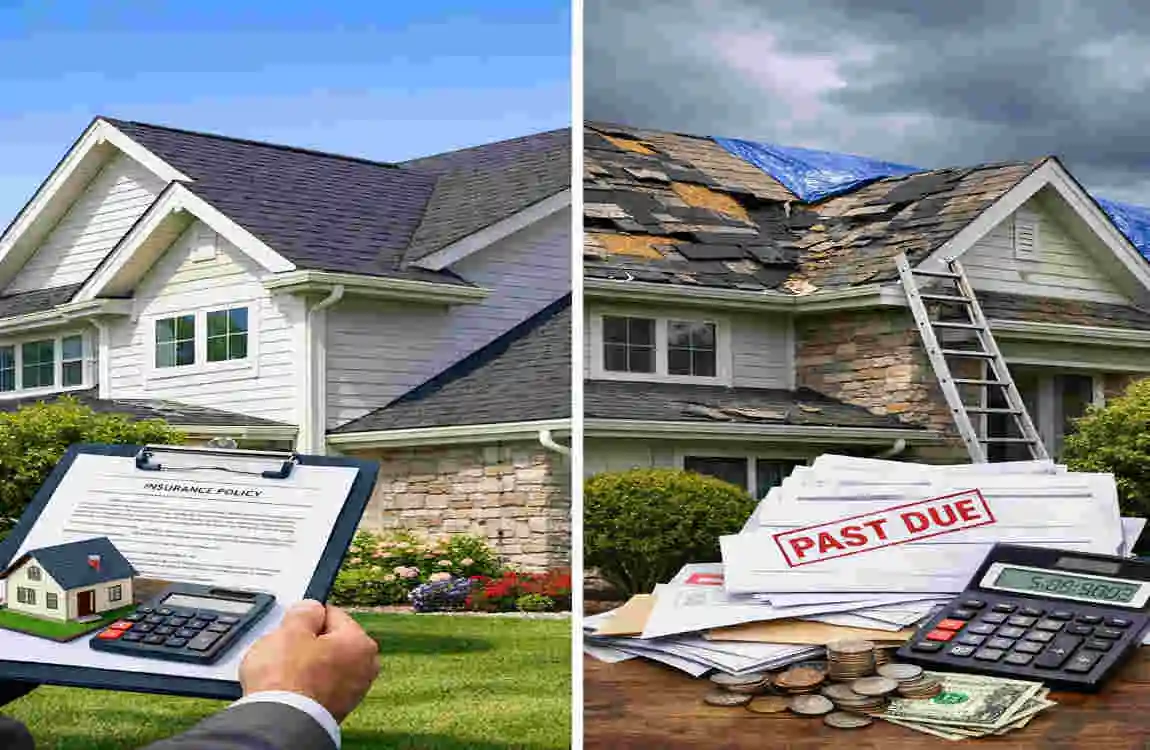
The Short Answer
Yes, home insurance may go up after a roof claim, but not always by a lot. Some claims lead to a small increase, while others may not affect your rate much at all.
If the damage came from a major weather event, your insurer may treat it differently than a claim caused by neglect or repeated roof problems.
Why Insurance Companies Raise Premiums
Insurance companies set prices based on risk. When you file a roof claim, the insurer may see your home as more likely to cause another payout in the future.
That does not mean you did anything wrong. It simply means the company is assessing the likelihood of another claim.
When Your Rates May Stay the Same
Your rate may stay the same if:
- the claim is your first one in a long time
- the damage came from a widespread storm
- your insurer offers claim forgiveness
- the repair cost is low compared to your overall policy
In other words, one roof claim does not always lead to a big jump.
Factors That Determine Premium Increases
Several factors affect whether your premium increases after a claim.
Type of Roof Damage
Damage from a sudden storm is usually treated more favorably than damage from poor upkeep. Insurance companies prefer losses that are sudden and accidental.
Cost of the Claim
A larger claim often has a bigger effect on your premium. If the repair cost is high, the insurer may see more future risk.
Claim History
If you have filed other claims recently, your premium is more likely to rise. A single claim may have a small effect, but repeated claims can add up.
Age and Condition of the Roof
Older roofs often lead to more concern. If your roof is near the end of its life, the insurer may charge more or limit coverage.
Local Weather Risks
If you live in a place with strong storms, hail, wind, or heavy snow, insurers may already price your policy higher. A roof claim in these areas can sometimes have a stronger impact.
Common Roof Claims Covered by Home Insurance
Many roof claims are covered if the damage happens suddenly and is caused by a covered event.
Storm Damage
Strong storms can lift shingles, break roof parts, or cause leaks. This is one of the most common reasons homeowners file claims.
Hail Damage
Hail can dent shingles and weaken the roof surface. Even if the damage looks small, it may still cause future problems.
Wind Damage
High winds can tear off shingles or loosen roofing materials. If the storm was severe, this may be covered.
Fallen Trees
If a tree falls on your roof during a storm, the damage is often covered by insurance. The key issue is usually whether the event was sudden and accidental.
Fire Damage
Fire damage is commonly covered under standard home insurance policies. Roof repairs after a fire may be part of the claim.
Roof Damage Usually Not Covered
Not every roof problem qualifies for a claim. Some issues are considered preventable.
Wear and Tear
Roofs age over time. Normal aging is usually not covered because it is expected.
Poor Maintenance
If the roof was already in bad shape and you did not fix known issues, the insurer may deny the claim.
Installation Defects
If the roof was installed incorrectly, the problem may be due to artistry rather than an insured event.
Neglected Repairs
Small leaks or missing shingles can lead to greater damage. If the insurer believes you ignored the problem, coverage may be limited.
How Much Can Home Insurance Increase After a Roof Claim?
There is no single answer, but many homeowners see a small-to-moderate increase after a roof claim.
A few things matter here:
- one claim may cause only a small change
- multiple claims usually raise rates more
- severe weather claims may have less impact if many homes in the area were affected
- older roofs can lead to higher costs overall
Some homeowners may not see a big increase right away, but their policy renewal may reflect the claim later.
Tips to Reduce Insurance Costs After a Roof Claim

You cannot control everything, but you can take steps that may help keep your costs down.
Maintain Your Roof Regularly
A well-kept roof is less likely to cause future claims. Keep up with inspections, cleaning, and small repairs.
File Claims Only When Necessary
If the damage is minor and close to your deductible, paying out of pocket may be better than filing a claim.
Compare Insurance Quotes
If your premium goes up a lot, it may help to shop around. Different companies treat roof claims differently.
Increase Your Deductible
A higher deductible can lower your premium, but it also means you pay more if you file a future claim.
Install Impact-Resistant Roofing
Some insurers offer discounts for stronger roofing materials. This can help reduce long-term costs.
Should You File a Roof Claim?
This is one of the biggest decisions after roof damage.
When Filing Makes Sense
Filing a claim may make sense if:
- the damage is major
- the repair cost is much higher than your deductible
- the roof leak or damage affects the safety of your home
When Paying Out of Pocket Is Better
You may want to pay yourself if:
- the repair is small
- the cost is close to your deductible
- you do not want another claim on your record
Estimating Repair Costs
Before you decide, get a repair estimate. That gives you a clearer idea of whether a claim is worth it.
Roof Claim Process Explained
The process is usually simple, but it helps to move quickly and stay organized.
- Inspect the damage
- Document the damage
- Contact your insurer
- Meet the insurance adjuster
- Receive claim approval
- Complete roof repairs
Take photos, keep receipts, and write down dates. This can make the process smoother.
Roof Claims and Insurance Costs at a Glance
Factor Effect on Insurance Premium
One roof claim Small to moderate increase
Multiple claims Higher premium increase
Severe storm damage Often lower impact if widespread
Old roof Greater chance of higher rates
New impact-resistant roof May qualify for discounts
Mistakes to Avoid After Roof Damage
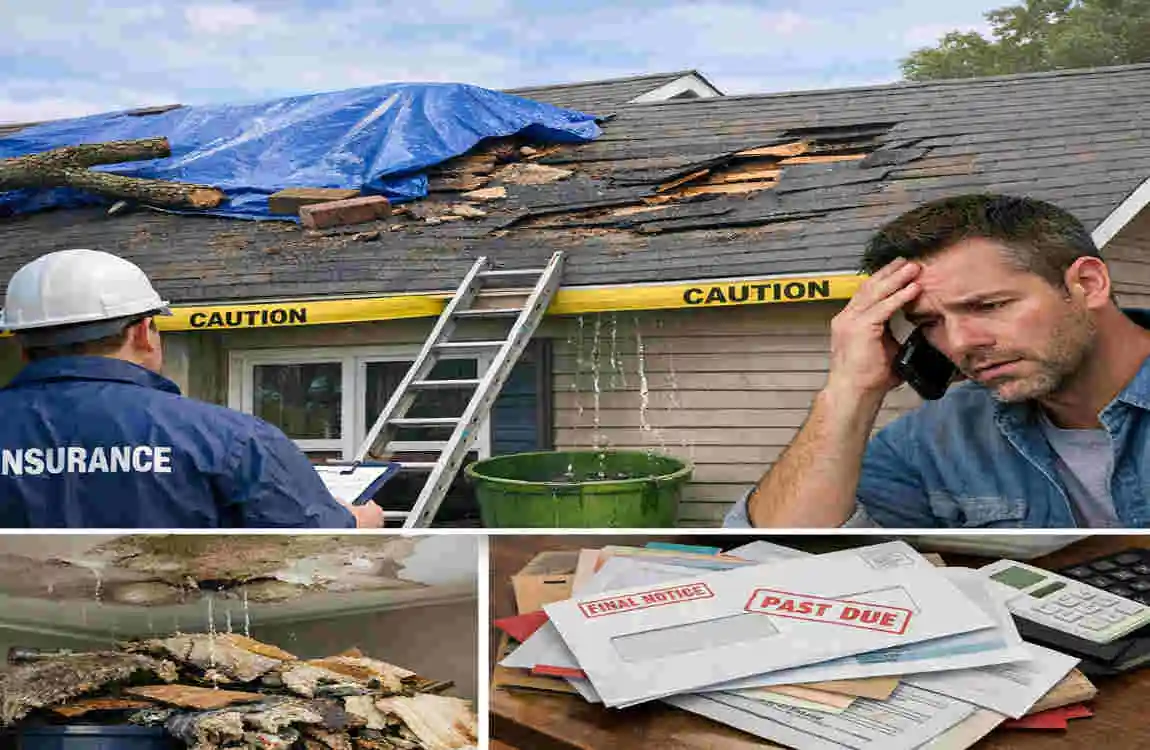
A few common mistakes can make things harder.
- Waiting too long to report damage
- Filing unnecessary claims
- Ignoring temporary roof repairs
- Hiring unlicensed contractors
- Not reviewing your insurance policy
These mistakes can lead to delays, denied claims, or higher costs later.
Frequently Asked Questions
Does home insurance go up after a roof claim?
In many cases, yes, but the increase depends on your insurer, claim history, and the cause of the damage.
Will one roof claim affect my insurance?
A single claim may have little impact, especially if it comes from a major weather event.
How long does a roof claim stay on my insurance record?
Most insurers review claims for about 3 to 7 years, depending on their rules and local regulations.
Is roof damage from storms covered?
Most standard homeowners insurance policies cover sudden storm-related roof damage.
Should I pay for small roof repairs myself?
If the repair cost is close to your deductible, paying out of pocket may help you avoid a future premium increase.
Can a new roof lower my insurance premium?
Yes. Many insurers offer discounts for newer or impact-resistant roofs because they reduce risk.
| Factor | Information |
|---|---|
| Premium Increase | A roof claim may increase your home insurance premium at renewal, depending on the claim amount and insurer. |
| Claim History | Multiple roof claims within a few years can lead to higher rates or reduced coverage options. |
| Cause of Damage | Weather-related damage is often treated more favorably than damage caused by poor maintenance. |
| Deductible | You must pay your policy deductible before insurance covers the remaining repair costs. |
| Insurance Risk | Insurers may view frequent claims as a higher risk, which can increase future premiums. |
| Roof Age | Older roofs may result in higher premiums or limited coverage after a claim. |
| Location | Homes in areas prone to storms or hail may experience larger premium increases after a roof claim. |
