
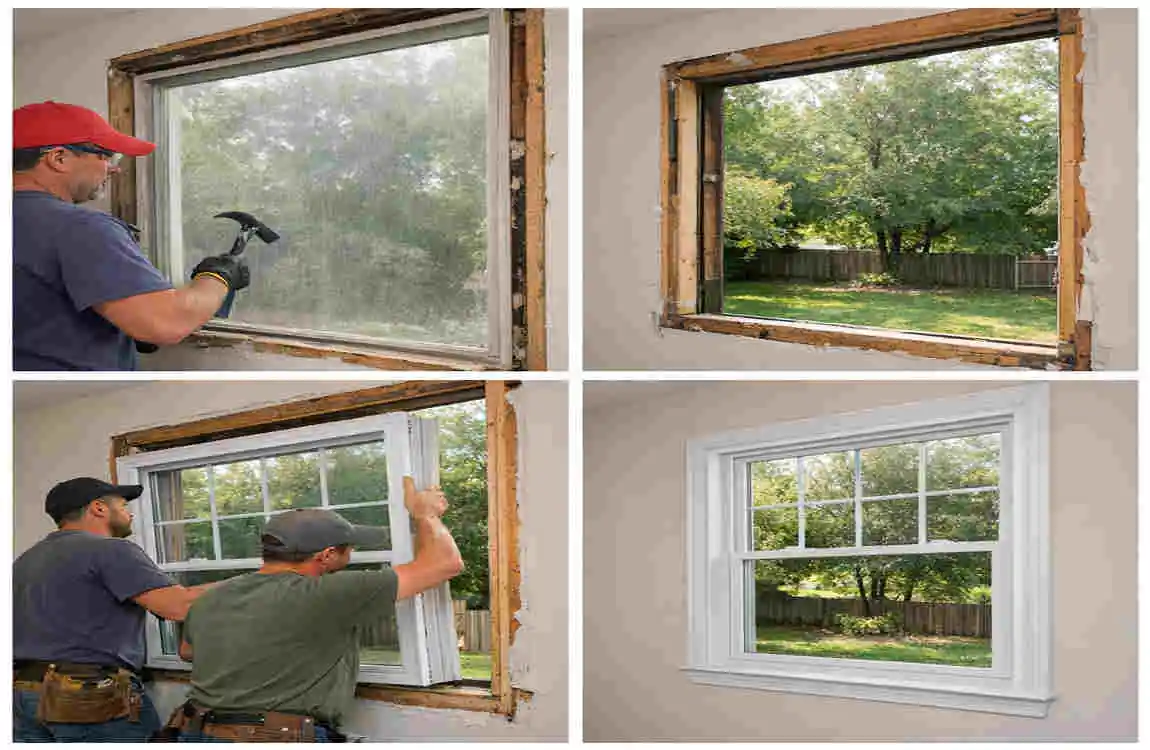
Homeowners replace windows for many reasons. Some want a fresh look. Others want better comfort, lower energy bills, or a quick fix for old, damaged frames. In many cases, people also want a more affordable option and start wondering, can you replace home windows with regular windows?
The short answer is yes, in many homes, you can. But the real answer depends on the size of the opening, the condition of the frame, the window style, and local building rules. If the new window fits well and the structure is sound, the swap is often straightforward.
What Are Regular Windows?
Definition of Regular Windows
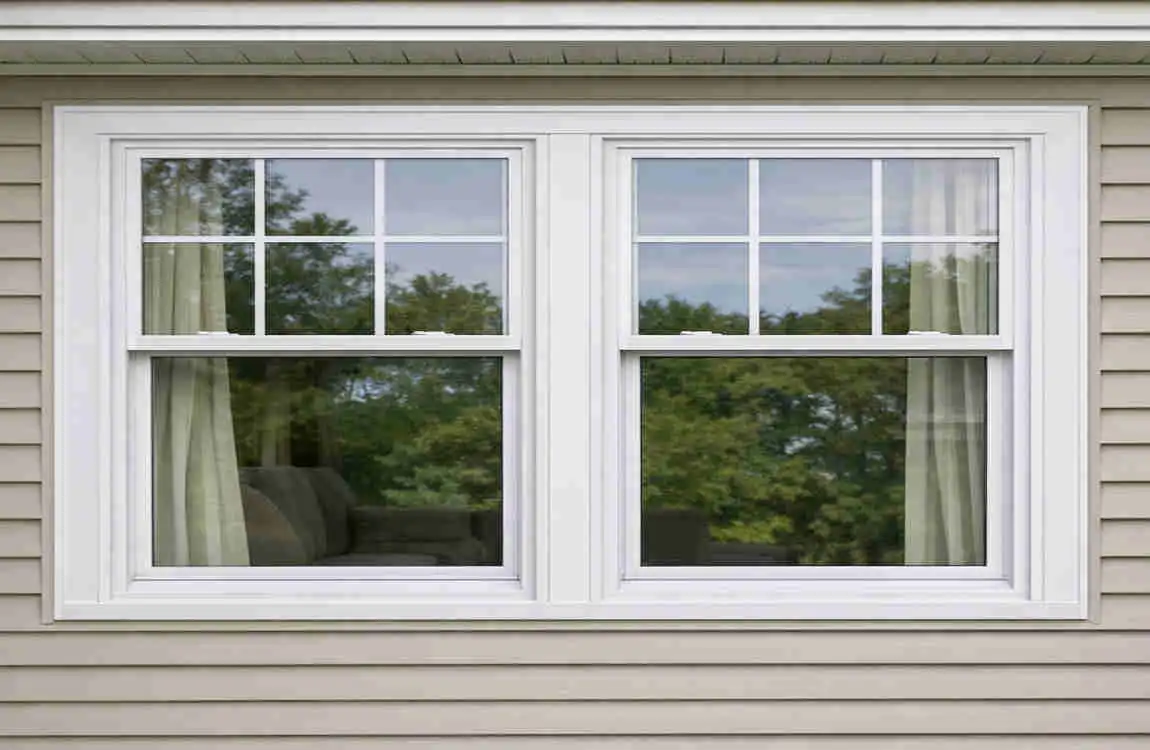
Regular windows are standard residential windows that come in common sizes and styles. They are made for typical homes and are usually easier to find than custom windows.
These windows are popular because they are widely available, often more affordable, and easier to install. You will often see them in vinyl, wood, fiberglass, or aluminum frames.
Types of Regular Windows
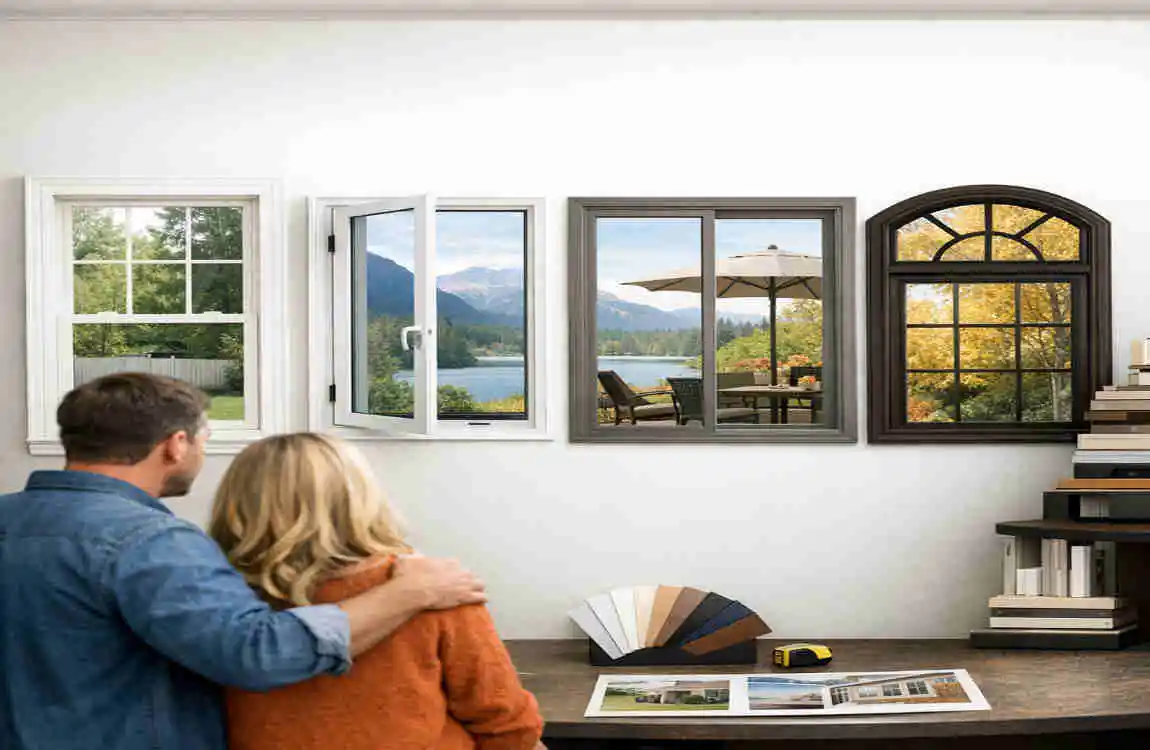
There are several common types of regular windows. Each one works a little differently and suits different parts of the home.
- Single-hung windows: The bottom sash moves, while the top stays fixed.
- Double-hung windows: Both sashes move, making cleaning and ventilation easier.
- Sliding windows: These move sideways and are often used in wider openings.
- Casement windows: These open outward with a crank.
- Picture windows: These do not open, but they let in a lot of light.
Each type has benefits. The best choice depends on your space, your budget, and how you want the room to feel.
Can You Replace Home Windows with Regular Windows?
The Short Answer
Yes, you often can replace home windows with regular windows if the opening matches the new window size and the frame is in good condition.
This works best when the old window is a standard size and the surrounding structure is stable. If that is the case, the job is usually much easier and cheaper than a custom replacement.
When Replacement Is Possible
Window replacement is usually possible when:
- The existing opening is close to a standard size
- The frame is still strong and level
- There is no major water damage or rot
- The new window style works with the opening
If the house was built with standard windows, the replacement process is usually simple. Many modern homes fall into this category.
When Replacement May Not Work
Sometimes regular windows are not the right choice. This happens when:
- The window opening is an unusual size
- The home is historic and needs special design rules
- The frame has major damage
- The wall structure needs repair first
In these cases, a custom window may be better. It may cost more, but it can solve fit and safety problems.
Things to Consider Before Replacing Windows
Measure the Existing Window
The first step is to measure carefully. Even a small mistake can cause problems later.
Measure the width and height in more than one place because older openings are not always perfectly square. It is better to check twice than to buy a window that does not fit.
Frame Condition
Look at the frame around the old window. If it is soft, cracked, warped, or rotting, the frame may need repair before the new window goes in.
A bad frame can lead to leaks, drafts, and poor support. A new window should always sit in a solid opening.
Local Building Codes
Building codes matter. Some areas require certain safety glass, insulation levels, or installation methods.
If you ignore local rules, you may face delays or extra costs. It is always smart to check before buying.
Energy Efficiency Requirements
Modern windows can help reduce heat loss and improve comfort. But not every regular window is equally efficient.
Look for options that fit your climate and your energy goals. A good window should help keep the home warmer in winter and cooler in summer.
Budget Planning
Window projects can add up quickly. You need to consider the window price, installation costs, trim work, sealant, and any possible repairs to the opening.
A clear budget helps you avoid surprises and choose the right product from the start.
Benefits of Replacing Home Windows with Regular Windows
Lower Cost
One big advantage is price. Regular windows usually cost less than custom-made ones.
That makes them a smart option for homeowners who want to improve the house without overspending.
Easier Installation
Standard windows are easier to install because they are made for common openings. This can save time and labor.
If the fit is close and the frame is solid, the project often moves faster.
Improved Energy Efficiency
Modern replacement windows often perform better than old ones. They can help reduce drafts, improve indoor comfort, and lower energy use.
This is especially helpful if your current windows are old, loose, or damaged.
Better Home Appearance
New windows can freshen up the look of your house. They make the home feel cleaner, brighter, and more up to date.
Even a simple window change can improve curb appeal.
Increased Property Value
Good windows can make a home more attractive to buyers. People notice windows because they affect comfort, appearance, and upkeep.
A home with modern windows often feels better maintained.
Potential Drawbacks
Incorrect Fit
The biggest problem is fit. If the new window is even slightly off, you may have gaps, drafts, or installation issues.
That is why accurate measuring matters so much.
Reduced Insulation
If the window is installed poorly, it may not seal properly. That can reduce insulation and cancel out the energy benefits.
A good product still needs a good installation.
Water Leaks
Water can enter through poor sealing, bad flashing, or damaged framing. Once that happens, the repair may become much more expensive.
Warranty Issues
Some window warranties require professional installation or specific methods. If you ignore the rules, you may lose coverage.
Always read the warranty details before starting.
Choosing the Right Replacement Window
Best Frame Materials
The frame material affects price, appearance, and maintenance.
- Vinyl: Affordable, low maintenance, and popular in many homes
- Wood: Classic look, but needs more care
- Fiberglass: Strong, durable, and energy efficient
- Aluminum: Lightweight and modern, but may not insulate as well
If you want a simple, budget-friendly option, vinyl is often a favorite. If you want strength and long life, fiberglass is worth considering.
Glass Options
The glass matters as much as the frame.
- Double-pane: Common and energy efficient
- Triple-pane: Better insulation, but usually more expensive
- Low-E glass: Helps control heat and sunlight
- Tempered glass: Stronger and safer in certain areas
The right glass depends on your climate and your comfort goals.
Window Style Selection
Pick a style that fits both the room and the opening. Some windows work better in narrow spaces, while others are ideal for wide walls.
Think about ventilation, cleaning, privacy, and how the window will look from outside.
Step-by-Step Window Replacement Process
Gather Tools
Before starting, make sure you have the right tools. This may include a tape measure, level, screwdriver, caulk, insulation, and safety gear.
Good preparation saves time and reduces mistakes.
Remove the Old Window
Carefully take out the old unit. Work slowly so you do not damage the surrounding wall or frame.
If the old window is stuck, do not force it too hard. That can cause unnecessary damage.
Inspect the Opening
Once the old window is out, check the opening. Look for rot, cracks, mold, or other damage.
This is the best time to fix hidden problems before installing the new window.
Install the New Window
Set the new window into the opening, make sure it is level, and secure it in place. The window should sit straight and snug.
A poorly aligned window can cause future problems with opening, closing, and sealing.
Seal and Insulate
Use sealant and insulation around the frame to stop air and water from getting in. This step helps improve comfort and energy performance.
Final Inspection
Check that the window opens and closes properly, sits evenly, and has no visible gaps. A final inspection helps catch small issues before they become bigger ones.
DIY vs Professional Installation
DIYProfessional
Lower cost Expert installation
Time-consuming Faster completion
Risk of mistakes Warranty protection
Requires tools Higher upfront cost
If you are experienced with home projects, DIY may work for one or two simple windows. But for larger jobs, unusual openings, or damaged frames, hiring a professional is often the safer choice.
Common Mistakes to Avoid
Some mistakes can turn a simple project into a costly repair.
- Measuring incorrectly
- Buying the wrong size
- Ignoring insulation
- Skipping flashing
- Not checking local codes
- Over-tightening screws
These may sound small, but they can lead to drafts, leaks, and poor performance. Take your time and double-check each step.
Cost of Replacing Home Windows
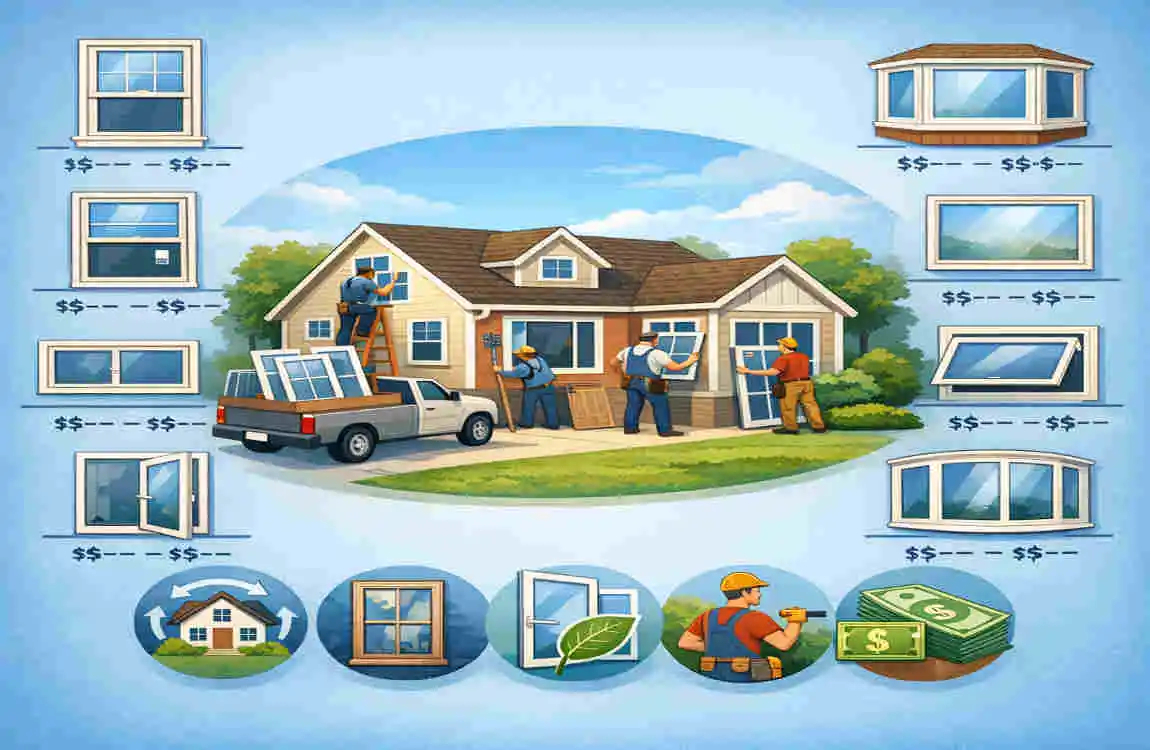
Expense Estimated Cost
Basic window $150–$500
Mid-range window $500–$900
Premium window $900–$2,000+
Professional installation $150–$400 per window
Costs can vary based on size, material, glass type, and labor. If the opening needs repair first, the total price will rise.
Still, a quality window can be a good long-term investment because it may improve comfort and reduce energy waste.
Tips to Make Your New Windows Last Longer
Clean Regularly
Keep the glass, frame, and tracks clean. Dirt can build up and affect how the window moves.
Inspect Seals Annually
Check for cracks or worn sealant once a year. Catching problems early can prevent leaks.
Lubricate Moving Parts
If the window opens and closes, keep the moving parts working smoothly. A little care can prevent sticking.
Repair Damaged Caulking
Old caulk can crack over time. Replace it before moisture gets in.
Keep Drainage Holes Clear
Some windows have small drainage paths. If they get blocked, water can back up and cause damage.
Frequently Asked Questions
Can you replace home windows with regular windows?
Yes, as long as the new windows match the opening and meet local building code requirements.
Are regular windows cheaper than custom windows?
Yes. Standard-sized windows are usually more affordable and easier to find.
Can I replace my windows myself?
Yes, if you have the right tools and experience. For larger or more complex jobs, professional help is recommended.
How long does window replacement take?
Most standard window replacements take about 1–3 hours per window, depending on the condition of the opening.
Do replacement windows improve energy efficiency?
Yes. Modern energy-efficient windows can reduce heat loss and help lower utility bills.
What is the best material for replacement windows?
Vinyl is a popular low-cost choice, while fiberglass is known for strength and energy efficiency.
| Topic | Details |
|---|---|
| Guide Title | Replacing Home Windows with Regular Windows: A Guide |
| Purpose | Explain whether regular windows can replace home windows and what to consider before installation. |
| Can You Replace Them? | Yes, but only if the replacement windows match the home’s size, style, structural requirements, and local building codes. |
| Best Window Types | Double-hung, casement, sliding, awning, picture, and single-hung windows. |
| Common Frame Materials | Vinyl, wood, fiberglass, aluminum, and composite. |
| Key Benefits | Improved energy efficiency, better insulation, enhanced curb appeal, increased home value, and lower maintenance. |
