

If your home has old, damaged, or unsafe wiring, one of the first questions you may ask is, will insurance pay to rewire my house? That is a smart question, because whole-house rewiring can be expensive and disruptive.
In some cases, homeowners insurance may help cover the cost of rewiring. But in many cases, it will not cover it. The answer depends on why the wiring needs replacement, what your policy says, and whether the damage resulted from a covered event such as fire, lightning, or storm damage.
What Does Electrical Rewiring Mean?
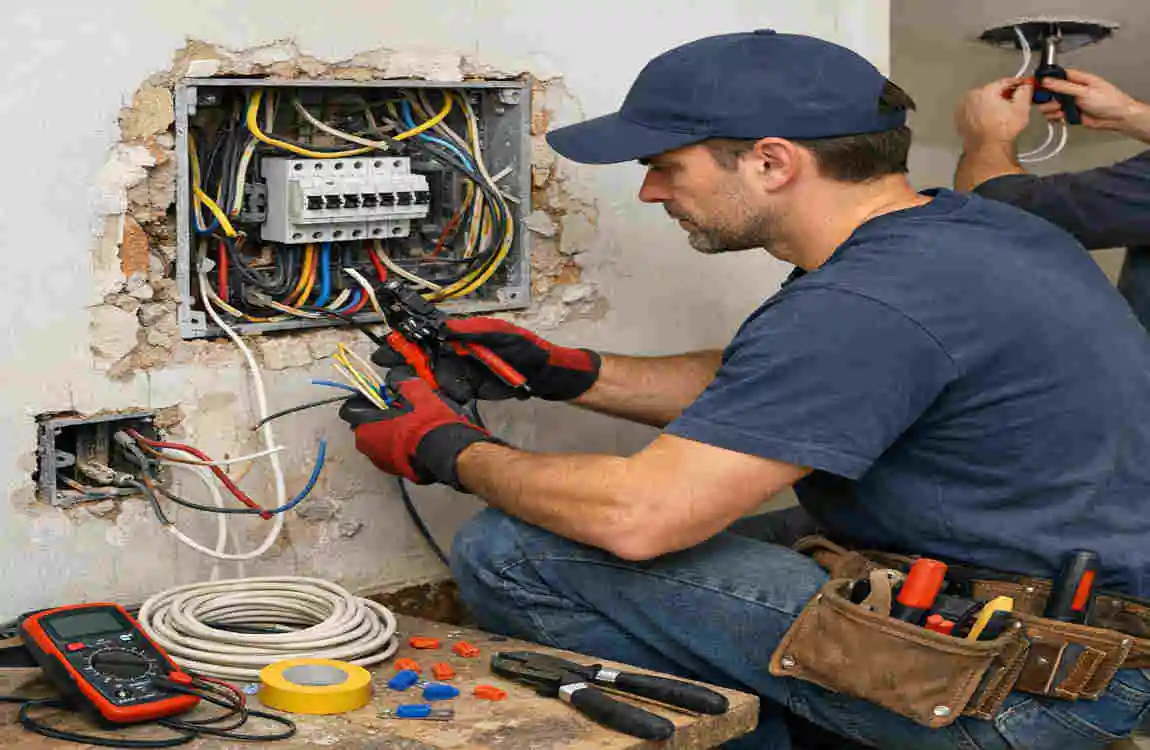
What Is Whole-House Rewiring?
Whole-house rewiring means replacing some or all of the electrical wires in a home. It often includes outlets, switches, circuits, and sometimes the electrical panel too.
This is more than a small repair. A simple fix might involve replacing a single outlet or a damaged wire. Rewiring usually means updating a large part of the system because the old wiring is unsafe, outdated, or no longer able to handle today’s power needs.
Signs Your Home Needs Rewiring
Your home may need rewiring if you notice any of these warning signs:
- Flickering lights
- Frequent breaker trips
- Burning smell
- Warm outlets
- Outdated wiring
- Two-prong outlets
These signs do not always mean the whole home must be rewired, but they should never be ignored. Electrical problems can become dangerous quickly if you wait too long.
Why Rewiring Is Important
Rewiring matters because it protects your home and your family. Old or damaged wiring can increase the risk of electrical fires, electric shock, and equipment damage.
It can also improve home value. Buyers often feel more confident when a house has safe, updated wiring. In some cases, insurance companies also prefer homes with modern electrical systems because they lower the risk of claims.
Will Insurance Pay to Rewire My House?
The Short Answer
The short answer is: sometimes, but not usually for age alone.
If the rewiring is needed because of a covered event, such as a fire, lightning strike, or sudden storm damage, your insurance may help pay for it. If the wiring is old, worn out, or badly maintained, most policies will not cover the cost.
That is because homeowners insurance is meant to cover sudden and accidental damage, not normal wear and tear.
Situations Insurance May Cover
Insurance may cover rewiring if the damage resulted from a covered loss. Common examples include:
- Fire damage
- Storm damage
- Lightning strikes
- Covered water damage affecting wiring
- Damage caused by a covered event
If a tree falls during a storm and damages electrical lines inside the house, that may be covered. If lightning hits the home and damages wiring, that may also be covered.
Situations Insurance Usually Doesn’t Cover
Most insurance policies do not cover rewiring due to normal wear and tear or poor care.
Examples include:
- Old wiring
- Wear and tear
- Poor maintenance
- Code upgrades
- Renovation projects
If your wiring is simply outdated, insurance usually sees that as a maintenance issue. In that case, the cost normally falls on the homeowner.
How Homeowners Insurance Covers Electrical Damage
Covered Perils Explained
A covered peril is an event your policy protects against. These are usually sudden accidents, not slow damage that happens over many years.
For wiring, covered perils may include fire, lightning, wind, hail, burst pipes, or other events listed in your policy. If one of these events damages the electrical system, you may have a valid claim.
Accidental Damage
Accidental damage can sometimes trigger coverage if it is tied to a covered event. For example, if a sudden power surge from a storm damages the wiring, your insurer may review the claim.
The key detail is whether the event was sudden and unexpected. Insurance usually does not pay for gradual damage.
Fire-Related Electrical Repairs
Fire is one of the most common situations where insurance may help with rewiring. If a fire damages the electrical system, the policy may cover both the fire damage and the wiring work needed to restore the home.
This often includes not just the wires, but also drywall, insulation, and other materials damaged in the fire.
Lightning Damage
Lightning can cause major electrical damage in a very short time. It may damage wiring, outlets, appliances, and even the electrical panel.
If lightning is covered under your policy, rewiring related to that strike may also be covered.
Electrical Damage After Storms
Storms can cause sudden power surges, fallen trees, water intrusion, or other damage that affects wiring. If a covered storm event caused the damage, the insurance company may help pay for repairs.
Types of Wiring That May Need Replacement
Knob-and-Tube Wiring
Knob-and-tube wiring is very old and is found in many older homes. It is usually not designed for modern power needs and may not meet current safety standards.
Some insurers may refuse coverage or require updates if a home still has this type of wiring.
Aluminum Wiring
Aluminum wiring was used in some homes, especially during certain periods of construction. It can create connection issues and may need special attention.
Insurance companies sometimes view aluminum wiring as a higher risk, especially if it has not been inspected or maintained.
Cloth Wiring
Cloth-covered wiring is another older system. Over time, the outer layer can break down, leaving the wiring exposed and unsafe.
This type of wiring often needs replacement if it is still in use.
Outdated Fuse Boxes
Old fuse boxes are not the same as modern breaker panels. They may not handle today’s electrical load well and can become a safety concern.
While the fuse box itself may not always be covered by insurance, damage caused by a covered event could still be part of a claim.
Unsafe Electrical Panels
If the electrical panel is damaged by fire, flooding, or another covered event, insurance may help cover the cost of replacement. But if the panel is simply outdated, the insurer will usually not pay.
How Much Does It Cost to Rewire a House?
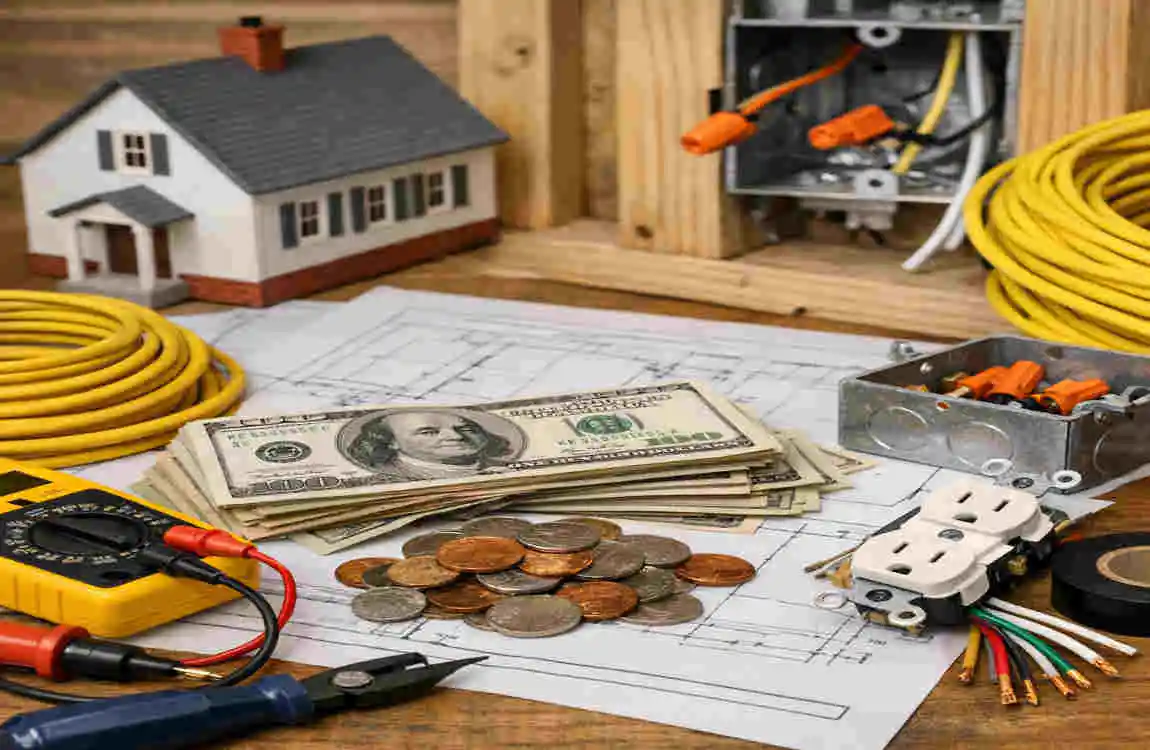
Average Cost Factors
The cost of rewiring depends on several things:
- Home size
- Labor
- Materials
- Accessibility
- Local rates
A small house may cost much less than a large one. A house with easy wall access may also cost less than one with finished walls, tight spaces, or complicated layouts.
Estimated Rewiring Costs
Home Size Estimated Cost
Small Home $3,000–$8,000
Medium Home $6,000–$12,000
Large Home $10,000–$20,000+
These are only general estimates. The final price depends on your home’s condition, your location, and whether the job includes panel replacement or other upgrades.
How to File an Insurance Claim for Electrical Rewiring
Document the Damage
Before making repairs, take photos and videos of the damage. Write down what happened, when it happened, and what areas were affected.
Good records make your claim easier to support.
Contact Your Insurance Company
Tell your insurance company about the damage as soon as possible. Share the details clearly and honestly.
Ask what your policy may cover and what information they need from you.
Schedule an Inspection
The insurance company may send someone to inspect the damage. They may also ask for a report from an electrician.
This inspection helps them decide whether the damage came from a covered event.
Obtain Repair Estimates
Get written estimates from licensed electricians. These estimates help show how much the repair will cost and what work must be done.
A clear estimate can also help if the insurance company questions the scope of the damage.
Complete Approved Repairs
Wait for approval before starting major work, unless the damage is an emergency and temporary repairs are needed for safety.
Keep all receipts and records in case the insurer asks for them later.
Why Insurance Companies May Deny a Rewiring Claim
Aging Electrical Systems
If the wiring failed simply because it is old, the insurer will usually classify it as a maintenance issue rather than a covered loss.
Lack of Maintenance
If the wiring was not inspected, repaired, or updated when needed, the claim may be denied.
Gradual Deterioration
Insurance usually does not cover damage that happens slowly over time. That includes rust, wear, loosening connections, or long-term breakdown.
DIY Electrical Work
Poor or unsafe DIY electrical work can cause problems with claims. If unlicensed work led to the damage, the insurance company may deny coverage.
Policy Exclusions
Every policy has exclusions. Some policies limit coverage for older wiring, code upgrades, or certain electrical hazards.
Can You Upgrade Your Electrical System Through Insurance?
Code Upgrade Coverage
Sometimes, insurance may pay for repairs to restore the home, but not for upgrades required by current building codes.
Ordinance or Law Coverage
Some policies include ordinance or law coverage. This can help pay for code-required upgrades after a covered loss.
Optional Policy Endorsements
You may be able to add extra coverage through an endorsement. This can help in situations where a basic policy would not pay enough.
Ways to Reduce Electrical Rewiring Costs
If insurance does not cover the full cost of the job, there are still ways to manage the cost.
Compare Licensed Electricians
Get more than one estimate. Prices can vary widely, and getting a few quotes can help you avoid overpaying.
Bundle Electrical Projects
If you need several electrical repairs, doing them together may save money on labor and inspection costs.
Check Utility Rebates
Some utility companies offer rebates for electrical upgrades or energy-efficient improvements.
Home Improvement Financing
If you need help paying for the work, look into financing options that fit your budget.
Preventive Maintenance
Regular inspections can help catch small problems before they become large, expensive ones.
Tips to Keep Your Home Electrically Safe
Here are a few simple steps you can take to protect your home:
- Schedule inspections
- Avoid overloaded outlets
- Replace damaged cords
- Install AFCI and GFCI protection
- Upgrade outdated panels
- Test smoke detectors regularly
These actions do not just prevent damage. They also make your home safer every day.
Common Mistakes Homeowners Make
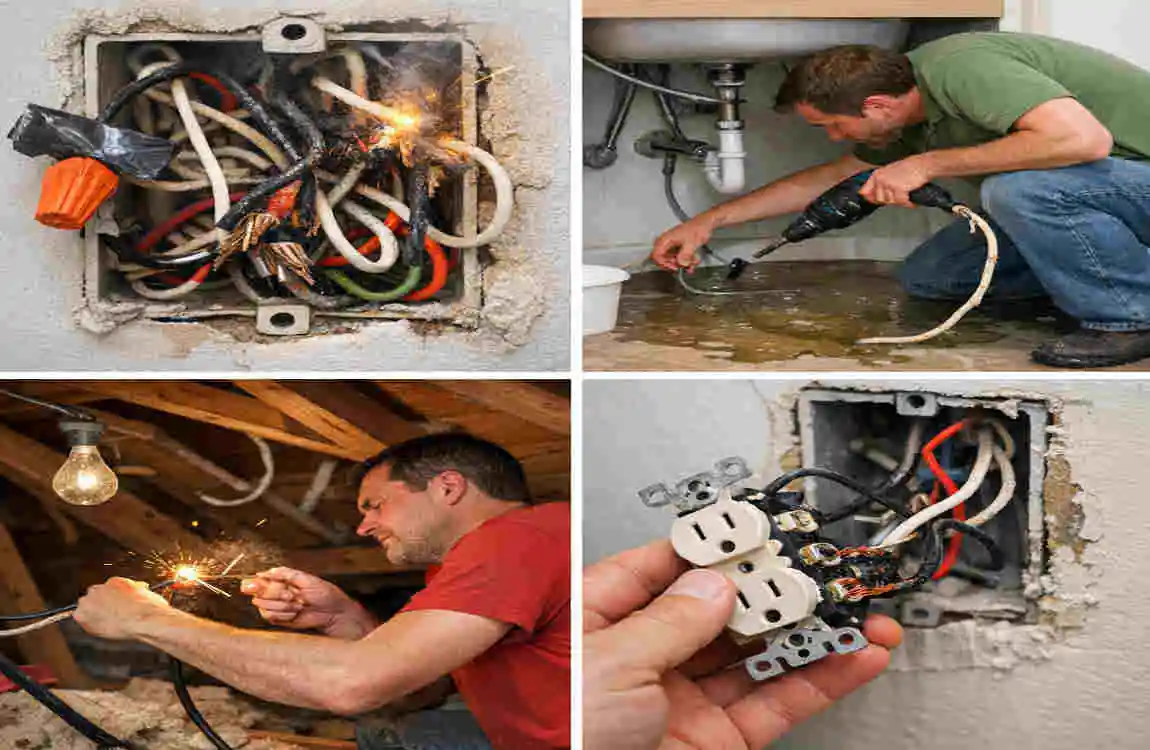
Assuming Insurance Covers All Rewiring
This is one of the biggest mistakes. Many homeowners think that any wiring issue must be covered, but that is usually not the case.
Ignoring Warning Signs
If lights flicker, outlets feel warm, or breakers trip often, do not wait. Small warning signs often lead to bigger problems.
Hiring Unlicensed Electricians
Cheap electrical work can become very expensive later if it causes damage or fails inspection.
Delaying Necessary Repairs
Waiting too long can worsen the damage and increase the risk of fire or other hazards.
Not Reviewing Insurance Policies
Many people never read the details of their policy until they need it. That can lead to surprises during a claim.
When Should You Contact an Electrician?
Immediate Warning Signs
Call an electrician right away if you notice burning smells, sparking outlets, repeated breaker trips, or warm electrical panels.
Before Buying an Older Home
If you are buying an older property, have the wiring inspected before closing. That can save you from major surprise costs later.
During Home Renovations
Renovation projects are a good time to check the electrical system. It is easier to upgrade wiring while walls are already open.
After Storm or Fire Damage
If a storm or fire damaged your electrical system, have it inspected before using the power again.
Frequently Asked Questions
Will insurance cover the cost of rewiring my house because the wiring is old?
Usually no. Old wiring is typically treated as a maintenance issue rather than a covered claim.
Does homeowners insurance cover the replacement of knob-and-tube wiring?
Not usually, unless a covered event damaged the wiring. Some insurers may also require updates for safety reasons.
Will insurance cover rewiring after a house fire?
Often yes, if the fire is a covered loss and the rewiring is part of the damage repair.
Is lightning damage to electrical wiring covered?
Usually yes, if lightning is covered under your policy.
How can I tell if my home needs rewiring?
Look for flickering lights, warm outlets, frequent breaker trips, burning smells, or outdated wiring.
How much does it cost to rewire an entire house?
It can range from a few thousand dollars to over $20,000, depending on the home’s size and condition.
| Topic | Information |
|---|---|
| Does home insurance cover rewiring? | Usually No. Standard home insurance does not pay for replacing old or outdated wiring. |
| When is rewiring covered? | Insurance may cover rewiring if electrical damage is caused by a covered event, such as a fire, lightning strike, or storm damage. |
| Wear and tear | Damage from aging, corrosion, or lack of maintenance is generally not covered. |
| Accidental damage | Some policies may cover accidental electrical damage if you have optional coverage. |
| Code upgrades | Bringing your home’s wiring up to current electrical codes is usually not included unless you have ordinance or law coverage. |
| Older homes | Homes with outdated wiring (such as knob-and-tube or aluminum wiring) may have higher premiums or require upgrades before coverage. |
| Inspection requirement | Insurers may request an electrical inspection before issuing or renewing a policy for older homes. |
