
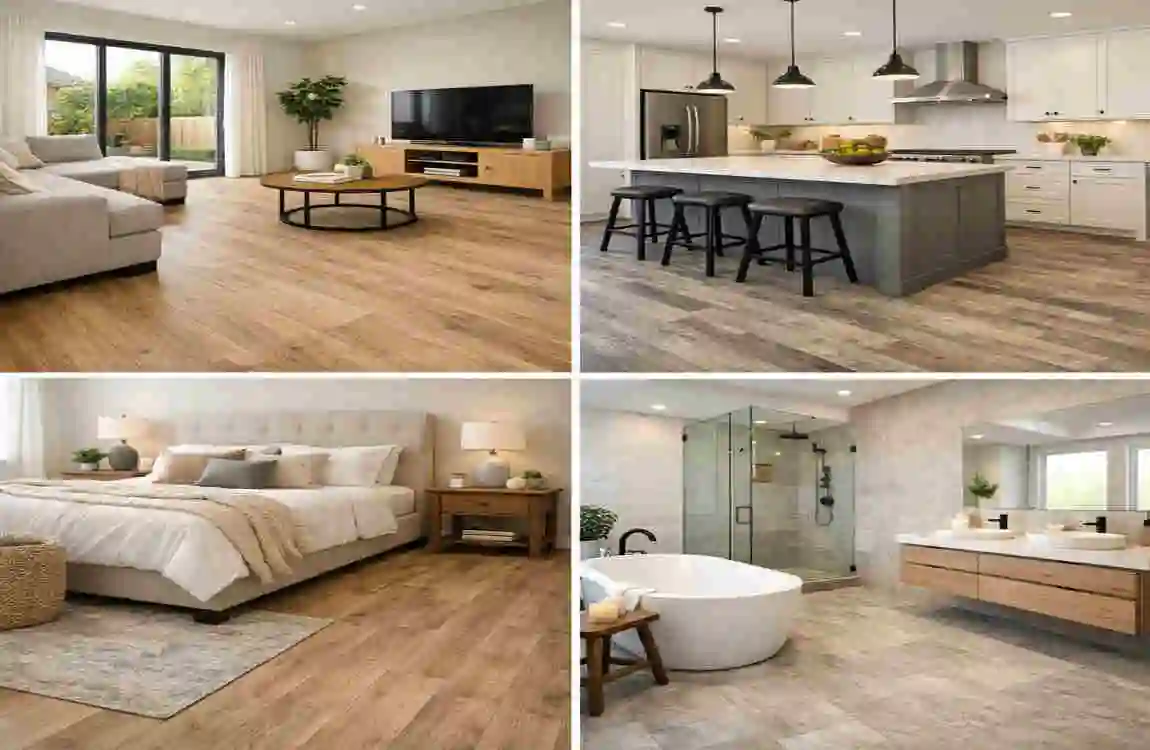
Imagine this scenario: you are standing in the middle of your house, looking down at scratched, stained, or outdated floors. You are probably considering new flooring for your kitchen, living room, or kids’ play area. You want something that looks gorgeous but can actually survive the chaos of daily life.
If you start researching your options, you will quickly stumble upon a popular acronym. You might find yourself typing, “What is LVF flooring?” into your search bar. Do not worry—you are exactly where you need to be.
LVF has become the ultimate go-to choice for modern homes. Why? It delivers a winning combination of incredible durability, high-end style, and budget-friendly affordability. It gives you the stunning look of real wood or natural stone without the headache of constant upkeep.
What Is LVF Flooring? Breaking Down the Basics
Let us start with the most important question: what is LVF flooring?
In simple terms, LVF stands for Luxury Vinyl Flooring. It is a Premium vinyl flooring category designed to perfectly mimic the look and texture of natural materials such as wood, stone, and ceramic tile.
Now, erase any memories of that thin, peeling, yellowed sheet vinyl from your grandmother’s kitchen. Luxury vinyl is a completely different beast. It is highly engineered, thick, and incredibly tough. It is not just a cheap plastic sheet rolled out over a subfloor; it is a highly advanced, multi-layered product built for modern living.
When people ask, “What is LVF flooring?” they are usually looking for a broad term that covers two main formats: LVP (Luxury Vinyl Plank) and LVT (Luxury Vinyl Tile). We will dive deeper into those later, but know that whether you want the look of long oak planks or sleek slate tiles, LVF has you covered.
LVF is ideal for everyday homes because it brings the beauty of nature indoors while being far more practical. Real wood scratches. Real stone cracks and feels cold. Luxury vinyl flooring avoids all these issues. It is tough, water-resistant, and comfortable to walk on, making it the smartest choice for busy, modern families.
What Is LVF Flooring Made of? A Layer‑by‑Layer Look
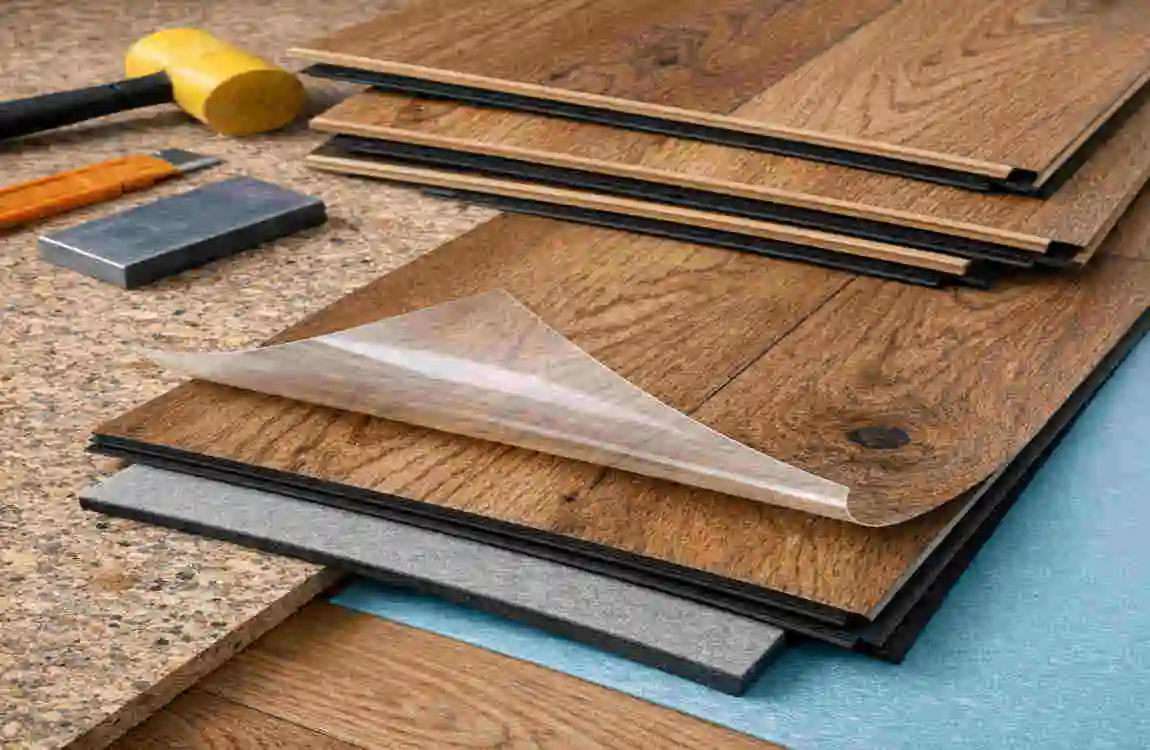
To truly understand the magic of this material, you have to look inside it. Think of LVF like a high-tech sandwich built specifically for durability. Each layer has a specific job.
The Backing Layer
This is the foundational base of the floor. Often made of cork or thick foam, the backing layer provides stability. It also acts as a built-in sound barrier, giving the floor a softer, warmer feel under your feet. It naturally resists moisture from the subfloor, keeping your home safe from hidden mold.
The Solid Core Layer
Right above the backing sits the core. This is the muscle of the floor. You will usually see two types of cores: WPC (Wood-Plastic Composite) or SPC (Stone-Plastic Composite). SPC is rigid and highly impact-resistant, meaning if you drop a heavy pan, it will not dent easily. WPC is slightly softer and incredibly comfortable for rooms where you spend a lot of time standing.
The Printed Design Layer
This is where the beauty happens. Using high-definition 3D printing technology, this layer features a photorealistic image of wood grain, natural stone, or intricate tile patterns. The printing is so advanced today that you often cannot tell it apart from the real thing until you touch it.
The Protective Wear Layer
This is the invisible superhero of your floor. The wear layer is a clear, protective cap that sits over the design. It is completely scratch-resistant and stain-resistant. The thicker this layer is, the more abuse your floor can take from dog claws, dragging furniture, and dropped toys.
The Topcoat Finish
Many high-quality LVF options feature an extra UV-protective and anti-microbial topcoat. This prevents the sun from fading your beautiful wood over time and prevents germs from multiplying on the surface.
So, when you ask what LVF flooring is, you are really asking about a high‑performance engineered product designed to outlast almost anything your family throws at it.
What Is LVF Flooring? How It Stacks Up Against Standard Vinyl, Tile, and Hardwood
You might be wondering why you should choose LVF over other traditional flooring types. Let us break down how luxury vinyl compares to the classics.
LVF vs. Traditional Sheet Vinyl
Standard sheet vinyl is exactly what it sounds like—a large, thin sheet of flexible material. It tears easily, lacks depth, and does not look realistic. LVF, on the other hand, comes in individual, thick, rigid pieces. It looks more authentic and lasts significantly longer.
LVF vs. Laminate Flooring
Laminate is a very popular, budget-friendly option. However, laminate is primarily made from wood byproducts. This means if it gets wet, it swells and ruins the floor. LVF is made from waterproof materials, making it a much safer choice for kitchens, bathrooms, and busy homes. LVF also sounds quieter when you walk on it, whereas laminate can have a hollow “click-clack” sound.
LVF vs. Solid Hardwood
We all love the look of real hardwood. It is gorgeous. But it is also incredibly expensive, scratches easily, and cannot handle moisture. Hardwood requires refinishing and deep maintenance. LVF gives you the same visual warmth without the stress. If a dog runs across LVF, you do not have to panic about scratch marks.
LVF vs. Ceramic Tile or Stone
Tile is great for bathrooms, but it is heavy, cold underfoot, and unforgiving if you drop a glass. Plus, you have to clean the grout lines constantly. LVF tiles give you that elegant stone aesthetic but remain warm to the touch and totally grout-free.
Quick Comparison Table
Flooring Material, Water Resistance, Comfort Underfoot, Cost Range, Best Use in a House
LVF (Luxury Vinyl) High / 100% Waterproof High (warm & soft) Moderate Everywhere (Kitchens, Baths, Living Areas)
Hardwood Low (warps easily) Moderate (hard but warm) High Living Rooms, Bedrooms (Dry areas only)
Laminate Low to Medium Low (can feel hard/loud) Low Bedrooms, Hallways
Tile / Stone High / 100% Waterproof Low (cold & very hard) Moderate to High Bathrooms, Entryways
Sheet Vinyl High Moderate Very Low Utility Rooms, Temporary Fixes
As you can see, LVF offers a “best of both worlds” solution that bridges the gap between high-end aesthetics and everyday practicality.
What Is LVF Flooring Really? Understanding LVP and LVT
When you start shopping, you will notice that LVF is an umbrella term. Underneath that umbrella, you have two primary styles: LVP and LVT. Choosing between them lets you customize the vibe of every room in your modern house.
LVP: Luxury Vinyl Plank
LVP (Luxury Vinyl Plank) is designed specifically to replicate natural hardwood. It comes in long, narrow planks just like real wood boards. You can find LVP in every wood species imaginable—from rich, dark mahogany to light, airy Scandinavian oak.
LVP even features textured surfaces that match the grain pattern printed on the plank. It is the ultimate choice for creating a warm, inviting atmosphere in living rooms, bedrooms, and long hallways.
LVT: Luxury Vinyl Tile
LVT (Luxury Vinyl Tile) is engineered to mimic natural stone, concrete, slate, or ceramic tiles. Instead of long planks, it comes in square or rectangular shapes. LVT captures the natural variations and colors of stone without the heavy weight or the cold surface.
LVT is brilliant for kitchens, bathrooms, laundry rooms, and grand entryways where you want a sleek, clean, and modern aesthetic.
Cores and Installation Styles
Whether you pick LVP or LVT, you can choose between different core types. As mentioned earlier, WPC (wood-plastic composite) adds a bit of cushion, making it great for bedrooms. SPC (stone-plastic composite) is ultra-rigid and perfect for high-traffic zones.
You also have a few installation styles to consider. Click-lock planks snap together tightly without glue. Glue-down options stick directly to the subfloor for maximum stability. Loose-lay planks have a heavy, grippy backing that holds them in place naturally.
Why ‘What Is LVF Flooring’ Matters for Homeowners
Why are millions of homeowners making the switch to luxury vinyl? Because it solves everyday household problems. Here are the core benefits that make LVF a smart upgrade for modern house designs.
100% Waterproof Capabilities
This is the big one. Most high-quality LVF options are completely waterproof. Whether your kids leave wet towels on the bathroom floor, the dishwasher leaks, or the dog spills its water bowl, the water will not penetrate or warp the flooring.
Unmatched Scratch and Stain Resistance
Families are tough on floors. Between moving furniture, dropping toys, and pets scurrying to the front door, you need a floor with armor. The thick wear layer on LVF acts as a shield, repelling scratches, scuffs, and stubborn stains like wine or coffee spills.
Warmer and Quieter
If you hate stepping onto an icy floor in the morning, LVF is your friend. It naturally retains room temperature much better than tile or real stone. Plus, the layered construction absorbs sound. You will not hear loud echoes every time someone walks across the room in hard shoes.
Incredibly Easy to Clean
No sanding. No waxing. No special chemical treatments. To keep LVF looking brand new, all you need is a quick sweep and a damp mop. It gives you back your weekend so you can spend less time cleaning and more time relaxing.
Infinite Design Flexibility
Thanks to advanced printing technology, your design options are limitless. You can achieve a rustic farmhouse look, an ultra-modern minimalist vibe, or a classic traditional aesthetic.
Underfloor Heating Compatibility
Modern homes often feature radiant underfloor heating systems. Fortunately, most LVF products are perfectly compatible with these systems, allowing the warmth to safely pass through the planks, keeping your toes extra toasty in the winter.
Where to install LVF in Your House: A Room‑by‑Room Breakdown
When you ask, “What is LVF flooring?” many homeowners quickly realize it is one of the few materials ideal for almost every room. Let us take a walking tour through your house.
The Living Room and Family Room
Your living room is the heart of the home. It sees heavy foot traffic, family gatherings, and movie nights. LVP is perfect here. It provides the luxurious look of hardwood that pairs beautifully with open-plan designs, all while standing up to the daily hustle and bustle.
The Kitchen
The kitchen is a spill zone. Dropped pots, splattering grease, and dropped ice cubes are daily occurrences. Both LVT (for a stone look) and LVP (for a wood look) work brilliantly here. The waterproof nature means you can cook and entertain without constantly stressing about ruining the floor.
The Bathroom and Powder Room
Bathrooms are incredibly moisture-prone areas. Historically, only ceramic tile was safe here. But today, you can use LVT to get a luxurious marble or slate look without the slippery, freezing surface of real stone. It handles steamy showers and splashing bathtubs with ease.
The Basement, Man-Cave, or Playroom
Basements are notorious for holding moisture and feeling damp. Because LVF is inorganic (meaning it contains no real wood fibers to feed mold), it is entirely mold-resistant. It is also impact-resistant, making it a safe, tough choice for a kids’ playroom or a home gym.
Bedrooms and Hallways
Bedrooms are meant to be cozy sanctuaries. Wood-look LVP with a thick, foam-backed core provides a soft, warm surface for bare feet. In hallways, where foot traffic is heavy, the scratch-resistant wear layer prevents the dreaded “worn path” look from forming over time.
Running a consistent LVF style across multiple rooms is a fantastic way to create a seamless, unified, and modern flow throughout your entire house.
How LVF Is Installed: Can You Do It Yourself?
One of the most appealing aspects of luxury vinyl is its versatility during installation. But a common question arises: can you do it yourself, or do you need a professional? Let us look at your options.
Click‑Lock Floating Floors
This is the ultimate DIY-friendly method. The planks or tiles have specially designed edges that click and lock together like puzzle pieces. They “float” over your existing subfloor without the need for messy glues or nails. If you have a free weekend, some basic tools, and a little patience, you can absolutely install a click-lock floor yourself.
Glue‑Down Installation
As the name implies, this method requires spreading a strong adhesive over the subfloor and pressing the LVF down into it. This creates the most stable, permanent floor possible. It is fantastic for large, open-concept areas or homes with heavy rolling loads (such as wheelchairs). Because working with flooring adhesive can be tricky and messy, this is usually best left to the professionals.
Loose‑Lay Installation
Loose-lay planks have a specialized friction backing. You lay them tight against each other, and the friction holds them in place against the subfloor. It is incredibly fast and easy, making it perfect for temporary spaces, rental homes, or rooms where you can lift a plank to access the wiring underneath.
The Importance of Subfloor Prep
Whether you hire a pro or do it yourself, the secret to a perfect LVF floor is what lies beneath it. Your subfloor must be thoroughly cleaned, completely dry, and perfectly level. Any bumps or dips in the subfloor will eventually show through the vinyl.
When to Hire a Pro: If you have an exceptionally large house, highly uneven floors that need leveling compound, complicated stairs, or tricky transitions to other flooring materials, hiring an installation expert will save you time and frustration.
Keeping Your LVF Floors Looking New: Simple Maintenance
You finally have your gorgeous new floors installed. Now, how do you protect your investment? The good news is that LVF is famous for being incredibly low-maintenance compared to almost any other flooring type.
Daily and Weekly Cleaning
For daily care, use a soft-bristle broom or a dry dust mop to sweep up loose dirt, pet hair, and crumbs. Dirt can act like sandpaper over time, so keeping the floor swept is your best defense.
For a deeper weekly clean, use a damp mop. You do not need expensive chemicals. Warm water mixed with a very mild, pH-neutral floor cleaner is perfect.
The Do’s of LVF Care
- Place high-quality felt pads under all the legs of your furniture. This prevents deep gouges when someone pushes a dining chair back.
- Do keep your pets’ nails trimmed. While LVF is scratch-resistant, it is not entirely scratch-proof against razor-sharp claws.
- Do use doormats at all exterior entrances to catch grit and small rocks before they reach your floor.
The Don’ts of LVF Care
- Do not use harsh chemicals, bleach, or ammonia. These will strip the protective wear layer and dull the beautiful finish.
- Do not use abrasive scrubbers, such as steel wool.
- Do not use steam mops. The extreme heat from a steam mop can warp the vinyl layers and force moisture into the seams, eventually destroying the floor.
- Do not leave standing puddles of water for days. While the planks are waterproof, water can eventually seep into the subfloor if left ignored for long periods.
Proper care takes only a few minutes a week, but it preserves your floor’s vibrant look and extends its life by decades.
Picking the Right LVF Style for Your Modern House
Choosing the perfect flooring is a big design decision. You want to pick a style that complements your home’s architecture while meeting your family’s practical needs. Here is how to navigate the choices.
Match Your Home’s Aesthetic
Are you building an ultra-modern, minimalist space? Look for wide-plank LVP in cool, ashy grays or pale blond oaks. Are you styling a classic modern farmhouse? Choose a rich, warm LVP in a deep, hand-scraped texture with rustic knots. If you want a sleek, industrial kitchen, large-format LVT that mimics dark concrete or slate will look spectacular.
Understand the Wear Layer (Mil Rating)
When you shop for LVF, you will hear the term “mil rating.” A “mil” is a thousandth of an inch, and it measures the thickness of the clear protective top layer.
- 12 mil: Great for light residential use, like a guest bedroom.
- 20 mil: The sweet spot for busy homes with kids, pets, and heavy traffic.
- 30+ mil: Commercial-grade toughness, meant for extreme abuse. Always ask yourself: “What is LVF flooring going to endure in this space?”
Consider the Underlayment
Some LVFs come with a pre-attached pad on the back. If it does not, you will need to choose a separate underlayment roll. A good underlayment acts as a shock absorber, makes the floor softer to walk on, and drastically reduces noise transmission—crucial if you are installing it in a second-story bedroom.
We know these choices can feel overwhelming. That is why our business acts as a helpful advisor. We can guide you through the mil ratings and color palettes to find the absolute perfect match for your space.
Debunking Myths About ‘What Is LVF Flooring’
Because vinyl flooring has been around for decades in various forms, there is a lot of outdated information out there. Let us bust some of the most common myths surrounding luxury vinyl.
LVF looks cheap and fake.
This might have been true in the 1980s, but not today. Modern LVF uses high-definition photography and embossed-in-register (EIR) technology. This means the plank’s physical texture perfectly aligns with the printed wood grain. It looks and feels incredibly high-end. Guests will genuinely think you installed real hardwood or stone.
Vinyl flooring doesn’t last.
Many people assume vinyl is a temporary fix. In reality, a high-quality, properly installed LVF with a strong wear layer can last anywhere from 15 to 25 years or more. It is built to outlast the daily abuse of a busy household.
It feels cold and plasticky.
Unlike ceramic tile that freezes your feet in the winter, LVF naturally warms to room temperature. If you choose a thick WPC core with an attached cork or foam pad, it actually feels surprisingly soft, cushioned, and organic underfoot.
It is terrible for the environment.
While LVF is a synthetic product, the industry has made massive strides in sustainability. Many Premium LVF brands use recycled materials in their core layers. Furthermore, because LVF is so durable, it rarely needs to be ripped up and replaced, which keeps millions of tons of flooring out of landfills compared to cheaper alternatives.
Do not let old misconceptions fool you. Luxury vinyl is a serious, Premium flooring option respected by interior designers and custom home builders alike.
Trending LVF Looks for Modern Houses
The current time is 2026, and interior design trends have evolved beautifully. Homeowners are leaning into nature-inspired, airy, and highly customized spaces. Here is what is trending in luxury vinyl right now.
Extra-Wide and Extra-Long Planks
The days of narrow, busy-looking wood strips are over. Modern homes look best with wide-plank LVP—often 7 to 9 inches wide and up to 5 feet long. These massive planks make small rooms feel significantly larger and less cluttered, perfect for open-concept living.
Matte Finishes Overtake High Gloss
Forget the shiny, bowling-alley floors of the past. Today’s homeowner demands ultra-matte finishes. Matte floors look far more natural and authentic. As a bonus, matte finishes are incredible at hiding dust, smudges, and pet footprints.
Light, Warm Woods and Bleached Oaks
While dark espresso floors had their moment, 2026 is all about bringing the light inside. Warm blondes, honey oaks, and light taupe grays are dominating the market. These colors bounce natural sunlight around the room, making your house feel bright, clean, and incredibly welcoming.
Bold Stone Looks and Patterned Layouts
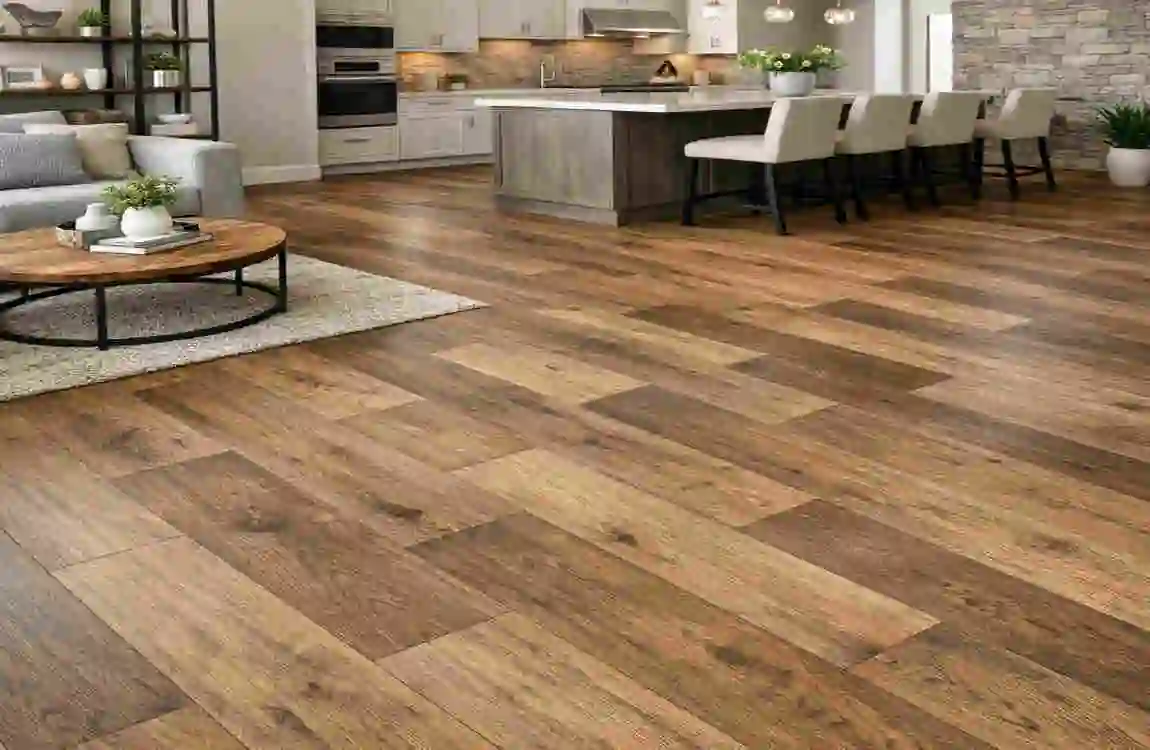
In the LVT space, large-scale stone looks are replacing traditional kitchen tile. We are also seeing a massive resurgence in patterned layouts. Installing LVP in a classic herringbone or chevron pattern in a grand entryway or formal dining room adds instant architectural elegance to any modern house.
When you start choosing LVF flooring that fits your modern home, keeping these 2026 trends in mind will ensure your space feels fresh, updated, and highly valuable.
What Is LVF Flooring Going to Cost You?
Budget is always a primary concern for any homeowner. The great news is that LVF offers arguably the best return on investment of any flooring material on the market. Let us look at the numbers.
The Upfront Cost Range
On average, luxury vinyl flooring materials will run you anywhere from $3.00 to $8.00 per square foot. Compare this to the alternatives:
- Solid Hardwood: $8.00 to $15.00+ per square foot.
- Ceramic/Porcelain Tile: $5.00 to $10.00+ per square foot.
- Laminate: $2.00 to $5.00 per square foot.
LVF sits right in the middle. It is more expensive than basic laminate, but vastly more affordable than real wood or Premium stone.
Installation Costs
If you are handy and take the DIY route with a click-lock floor, your installation cost is practically zero. If you hire a professional, installation labor typically adds about $2.00 to $4.00 per square foot, depending on the complexity of your room and the amount of subfloor prep required.
The Long-Term Value
While you might pay a little more for a Premium, thick-wear-layer LVF upfront, you will save a fortune over the life of the home. You will never have to pay a crew to come in and sand, stain, and refinish your floors (a process that costs thousands of dollars for hardwood). You will never have to pay for professional grout cleaning.
When you factor in the massive savings on maintenance, repairs, and premature replacement, LVF is a highly cost-effective investment for long-term homeowners.
Is LVF Flooring Safe and Sustainable for Homes?
As a homeowner, protecting your family’s health is your top priority. You might wonder if engineered, synthetic floors are safe to live with day in and day out.
Air Quality and VOCs
Volatile Organic Compounds (VOCs) are chemicals that can off-gas from new building materials, creating that “new house smell” that can sometimes cause headaches. In the past, vinyl floors were heavy in VOCs. Today, that has completely changed.
The vast majority of reputable LVF brands manufacture low-VOC or zero-VOC products. When shopping, look for safety certifications such as FloorScore® or GREENGUARD Gold. These labels guarantee that the flooring has been strictly tested and is perfectly safe for your indoor air quality.
Phthalate-Free and Family Friendly
Modern luxury vinyl is also overwhelmingly phthalate-free, meaning it contains no harmful plasticizers.
Furthermore, the physical safety benefits of LVF are fantastic. The slightly cushioned nature of foam-backed LVF makes it much safer and more comfortable for toddlers who are just learning to walk, and far gentler on the joints of elderly family members or large dogs.
High-quality LVF is incredibly safe, highly regulated, and designed with your family’s health in mind.
Ready to Try LVF? How We Help You Choose and install It
By now, you are probably realizing just how transformative this flooring can be. But taking a project from an online search to a finished living room can feel daunting. That is exactly where our business steps in.
We are not just here to sell you boxes of planks; we are here to partner with you to upgrade your home.
- Expert Consultations: Still have questions? We are here to provide a deep answer to “what is LVF flooring” for your specific home layout. We will help you navigate the sea of colors, textures, and mil ratings.
- Measurements and Design: We offer completely free in-home or virtual measurements. We can even provide design ideas to show you exactly how a specific LVP or LVT will look with your wall colors and furniture.
- Professional Installation: If you want a flawless, stress-free experience, our team of expert installers will handle everything—from tearing up your old carpet to perfectly leveling the subfloor and installing your new LVF.
- Support for DIYers: If you want to tackle a click-lock installation yourself, we will supply you with the best materials and pro tips to ensure your weekend project is a massive success.
Do not live with floors you hate for one more day. Contact us today to discuss the perfect LVF flooring options for your modern house.
FAQs about LVF (Luxury Vinyl Flooring):
What is LVF flooring?
LVF (Luxury Vinyl Flooring) is a durable, synthetic flooring material designed to look like natural wood or stone while offering better water resistance and affordability.
Is LVF flooring waterproof?
Yes, most LVF options are 100% waterproof, making them ideal for kitchens, bathrooms, and basements.
What is the difference between LVP and LVT?
- LVP (Luxury Vinyl Plank): Looks like hardwood
- LVT (Luxury Vinyl Tile): Looks like stone or ceramic tile
How long does LVF last?
LVF flooring typically lasts 10–25 years, depending on quality, usage, and maintenance.
Is LVF good for homes with pets?
Yes, it is scratch-resistant, water-resistant, and easy to clean, making it pet-friendly.
Can LVF be installed over existing flooring?
Yes, LVF can often be installed over tile, concrete, or wood, as long as the surface is clean and level.
Does LVF require a lot of maintenance?
No, it needs minimal maintenance—just regular sweeping and occasional mopping.
Is LVF better than laminate flooring?
LVF is generally better for moisture-prone areas, while laminate may feel slightly more like real wood.
