
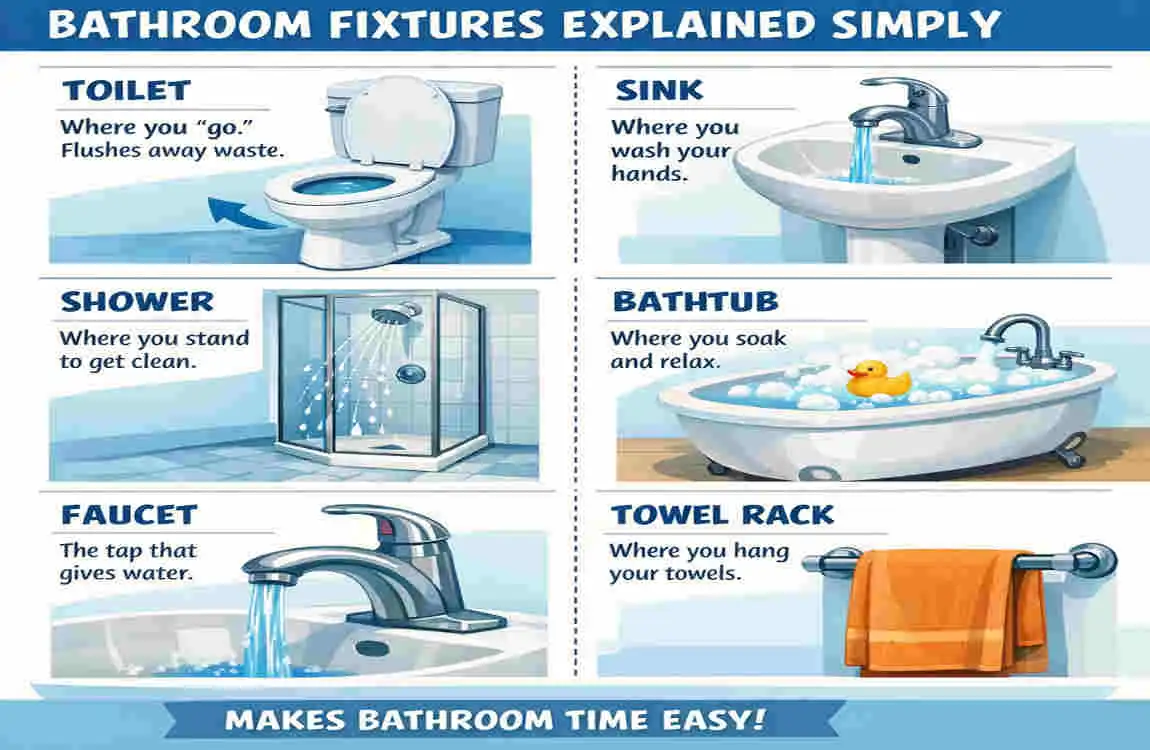
If you are planning a bathroom update, one of the first questions you may ask is which fixtures you need. The answer is simple: you need the basic pieces that make the room work every day.
Bathroom fixtures are the built-in or fixed items you use for washing, cleaning, and comfort. They shape how your bathroom looks, how it feels, and how well it functions.
The essential bathroom fixtures are usually a toilet, sink, faucet, and a shower or bathtub. Some bathrooms also include extras like a vanity, bidet, or towel warmer. The right mix depends on your space, budget, and lifestyle.
What Fixtures Are Needed for a Bathroom?
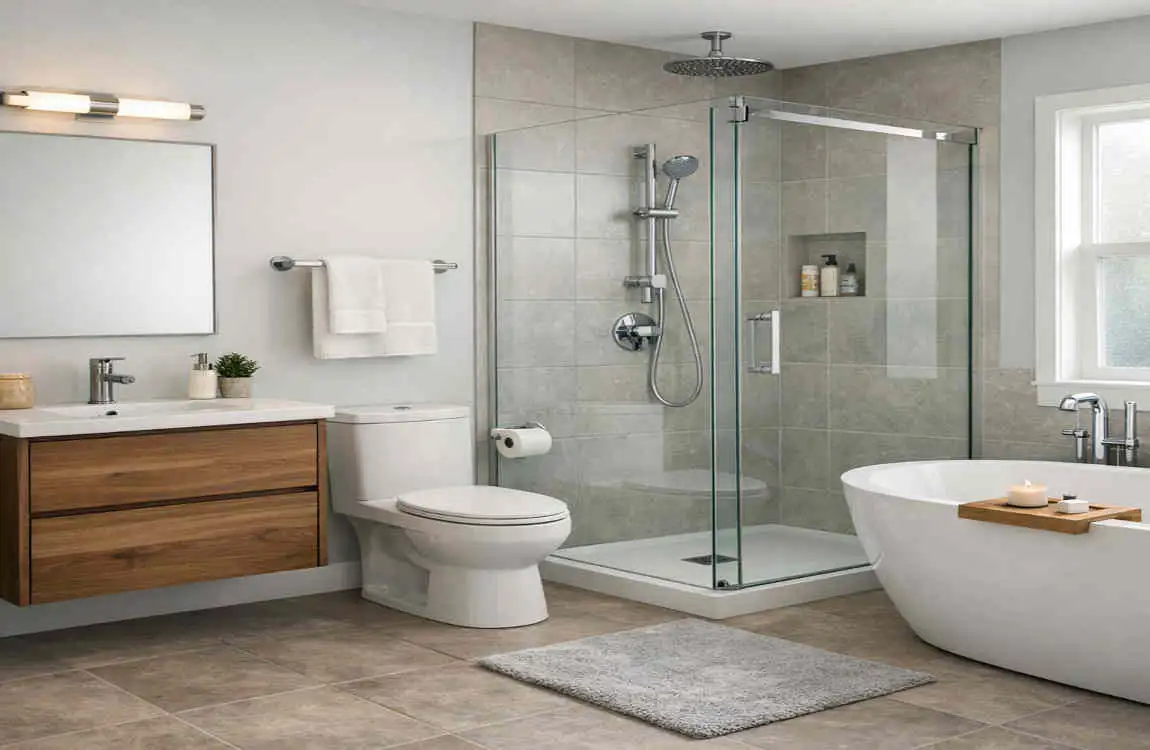
When people ask what fixtures are needed for a bathroom, they usually mean the items that are necessary for daily use. These are the core fixtures most bathrooms should have.
Toilet
The toilet is one of the most important fixtures in any bathroom. It is usually the first thing people think about because no bathroom feels complete without one.
There are a few common types:
- Two-piece toilets are the most common and often more affordable.
- One-piece toilets look cleaner and are easier to wipe down.
- Wall-mounted toilets save space and create a modern look.
When choosing a toilet, think about height, flushing power, and space. In a small bathroom, a compact model can make the room feel less crowded.
Bathroom Sink
The sink is used every day for handwashing, brushing teeth, and other quick tasks. It also affects the style of the room.
Common sink types include:
- Pedestal sink: Simple and good for small bathrooms
- Vanity sink: Great for storage and everyday use
- Wall-mounted sink: Saves floor space
- Vessel sink: Sits on top of the counter and adds a stylish look
If you want a practical bathroom, a vanity sink is often the best choice because it offers both functionality and storage.
Faucet
A faucet may seem small, but it plays a big role in how your sink works. It also affects water use and the overall look of the bathroom.
Main faucet styles include:
- Single-handle faucets: Easy to use and simple in design
- Double-handle faucets: Give more control over hot and cold water
- Touchless faucets: More hygienic and water-efficient
For most homeowners, the best choice depends on ease of use, style, and budget.
Shower
A shower is one of the most-used bathroom fixtures. It is especially important in modern homes where people often prefer quick, efficient routines.
Popular shower options include:
- Walk-in shower: Open and easy to enter
- Shower enclosure: Helps contain water and works well in most bathrooms
- Showerhead options: Fixed, handheld, rainfall, or adjustable
If your bathroom is small, a walk-in shower can help save space. If you want comfort, a rainfall showerhead can make the experience feel more relaxing.
Bathtub
Not every bathroom needs a bathtub, but many homes still include one for comfort, kids, or resale value.
Common bathtub types include:
- Alcove tubs: Fit between three walls and save space
- Freestanding tubs: Stylish and often used in larger bathrooms
- Corner tubs: Designed to fit into a corner and make good use of space
If you have a family, a bathtub can be very useful. If your bathroom is small, you may choose a shower instead.
Optional Bathroom Fixtures
Some bathroom fixtures are not essential, but they can improve comfort, storage, and convenience.
Bidet
A bidet supports personal hygiene and can reduce toilet paper use. Some people prefer a standalone bidet, while others choose an integrated bidet seat that attaches to the toilet.
This is a smart upgrade if comfort and cleanliness matter to you.
Bathroom Vanity
A bathroom vanity combines the sink and storage in one unit. It is a very practical choice for most bathrooms.
You can choose:
- Single vanity for smaller bathrooms
- Double vanity for shared bathrooms
If you want less clutter, a vanity is one of the most helpful additions you can make.
Exhaust Fan
A bathroom exhaust fan is important because it removes moisture, steam, and odors. Without good ventilation, bathrooms can develop mold and damage over time.
Energy-efficient fans are a good choice because they use less power while still keeping the room dry.
Heated Towel Rack
A heated towel rack is a comfort feature that keeps towels warm and dry. It is not required, but many homeowners enjoy the extra convenience.
Medicine Cabinet
A medicine cabinet gives you hidden storage right above the sink. It is useful for small items like toothpaste, medicine, and grooming products.
Bathroom Fixture Materials
The material of a fixture affects durability, cleaning, and price. Some materials last longer, while others are chosen mostly for style.
Ceramic
Ceramic is common in sinks and toilets. It is smooth, easy to clean, and affordable.
Porcelain
Porcelain looks similar to ceramic but is often more durable and polished. It is a strong option for long-term use.
Stainless Steel
Stainless steel is mostly used in sinks and some accessories. It is strong, modern, and rust-resistant.
Brass
Brass is often used in faucets and shower parts. It is durable and works well for fixtures that need long life.
Glass
Glass is usually used in vessel sinks or decorative pieces. It looks stylish but may need more careful cleaning.
Natural Stone
Natural stone gives a high-end look. It is beautiful, but it can be more expensive and may need sealing.
How to Choose Bathroom Fixtures
Choosing the right fixtures becomes easier when you focus on a few simple things.
Measure Available Space
Before buying anything, measure your bathroom carefully. A fixture that looks perfect in a store may feel too large at home.
This is especially important in small bathrooms where every inch matters.
Match Bathroom Style
Your fixtures should fit the style of the room. A modern bathroom may look best with clean lines and matte finishes, while a classic bathroom may suit chrome or brass better.
Consider Water Efficiency
Water-saving fixtures can lower your bills and help the environment. Look for low-flow toilets, efficient faucets, and water-smart showerheads.
Focus on Durability
It is better to buy a strong fixture once than replace a cheap one later. Durable materials often cost more at first, but they save money over time.
Set Your Budget
Bathroom fixtures come in a wide price range. Decide what matters most to you: style, comfort, or long-term value. This helps you spend wisely.
Common Bathroom Fixture Finishes
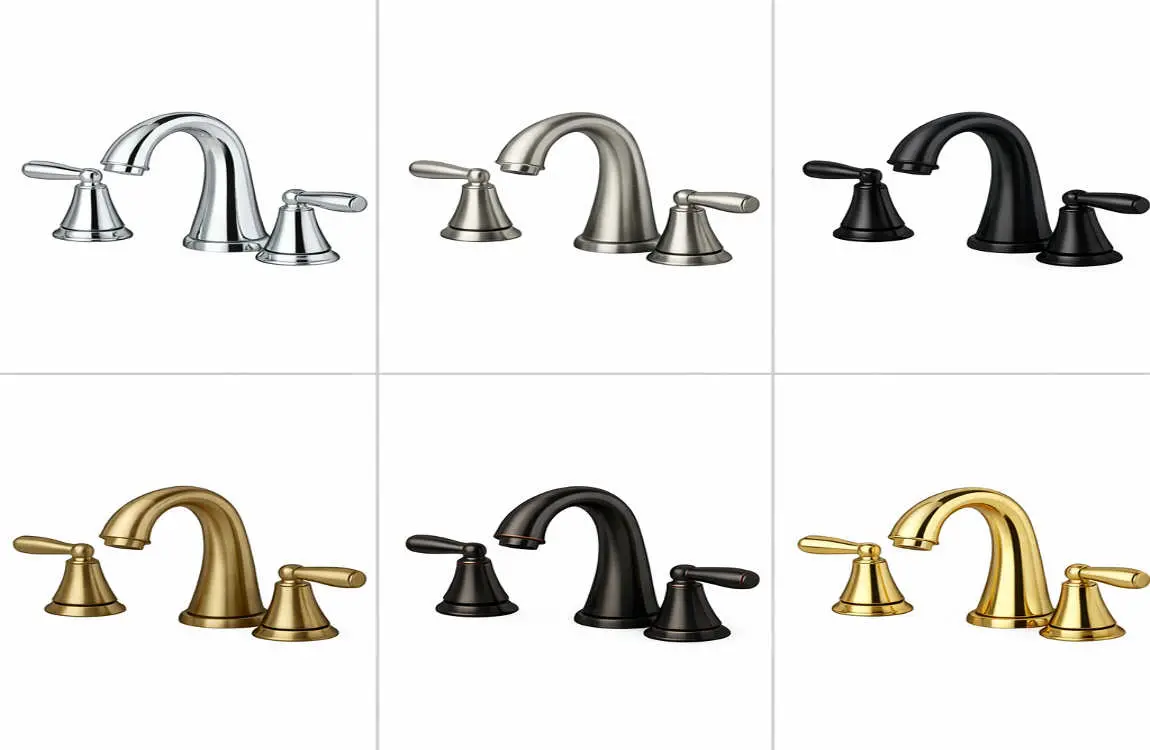
The finish changes the look of your bathroom more than many people expect. Here are some popular choices:
- Chrome: Bright, clean, and easy to match
- Brushed Nickel: Soft, modern, and good at hiding fingerprints
- Matte Black: Bold and stylish
- Oil-Rubbed Bronze: Warm and classic
- Polished Brass: Traditional and elegant
If you want a smooth, unified look, it is best to keep the finishes consistent.
Estimated Bathroom Fixture Costs
Here is a simple cost guide to help you plan better:
Fixture Average Cost
Toilet $150–$800
Sink $100–$700
Faucet $60–$500
Shower System $200–$2,000
Bathtub $300–$3,500
Vanity $250–$2,500
Exhaust Fan $80–$500
These prices can change based on brand, material, and design. Installation costs may also add to the total.
Tips for Maintaining Bathroom Fixtures
Good care helps your fixtures last longer and look better.
Clean Weekly
A quick weekly cleaning stops dirt and soap buildup from becoming a bigger problem.
Prevent Hard Water Stains
Wipe fixtures dry after use if your home has hard water. This helps reduce spots and buildup.
Check for Leaks
Small leaks can waste water and cause damage over time. Check under sinks and around toilets often.
Replace Worn Seals
Old seals can lead to drips and moisture problems. Replacing them early is a smart move.
Use Non-Abrasive Cleaners
Harsh scrubbers can scratch surfaces. Gentle cleaners are safer for most bathroom materials.
Common Bathroom Fixture Mistakes
Many homeowners make the same mistakes when shopping for bathroom fixtures. Try to avoid these:
- Buying before measuring
- Ignoring plumbing compatibility
- Choosing style over function
- Forgetting ventilation
- Mixing finishes that clash
A little planning can save you time, money, and stress.
Eco-Friendly Bathroom Fixture Options
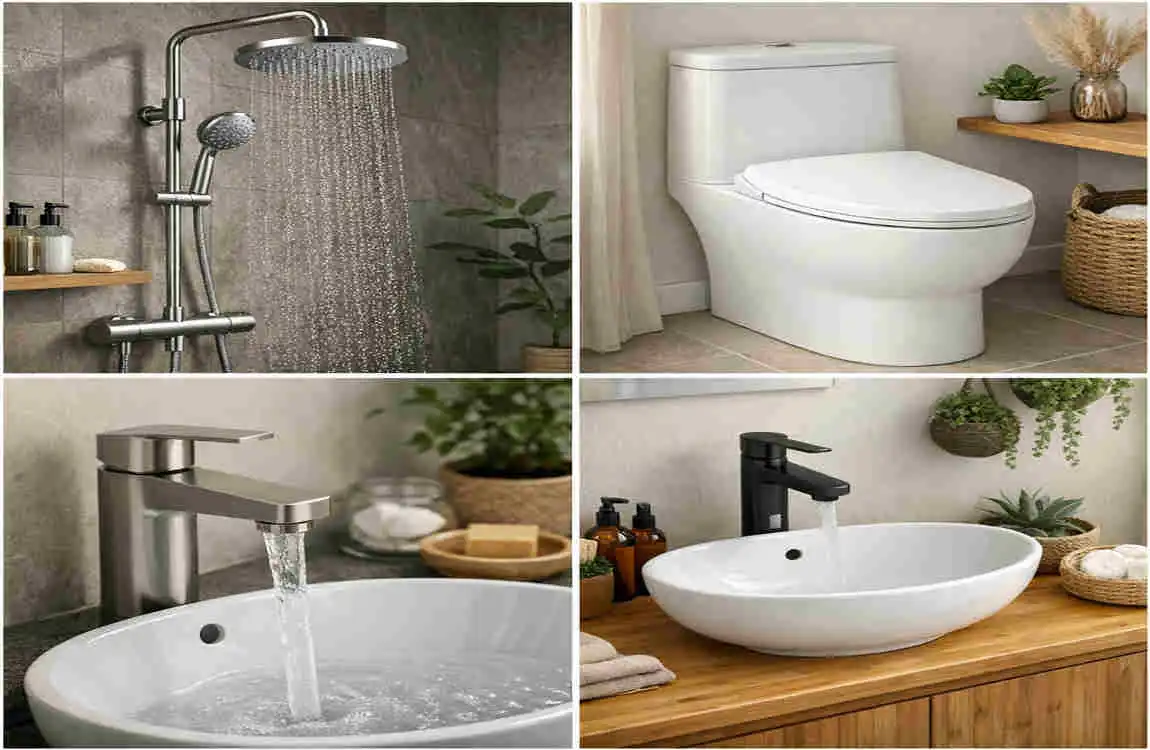
If you want a greener bathroom, there are many simple upgrades to consider.
- Low-flow toilets use less water
- Water-saving faucets reduce waste
- Efficient showerheads help lower water use
- LED vanity lighting saves energy
- Sustainable materials reduce environmental impact
These choices can lower utility bills while still giving you a stylish bathroom.
Frequently Asked Questions
What fixtures are needed for a bathroom?
The essential fixtures include a toilet, sink, faucet, and shower or bathtub, along with proper ventilation.
Which bathroom fixture should I install first?
The toilet, shower or tub, and sink are usually installed first during construction or remodeling.
Do all bathrooms need a bathtub?
No. Many bathrooms use a walk-in shower instead of a bathtub, especially in smaller spaces.
What is the most durable material for bathroom fixtures?
Porcelain, ceramic, stainless steel, and solid brass are among the most durable options.
How much do basic bathroom fixtures cost?
A complete set of basic bathroom fixtures usually costs between $1,000 and $5,000, depending on quality and brand.
How can I save water with bathroom fixtures?
Use low-flow toilets, water-saving faucets, and efficient showerheads to reduce water use.
| Fixture | Simple Explanation | Main Purpose | Common Materials |
|---|---|---|---|
| Toilet | A fixture used for flushing waste safely into the plumbing system. | Sanitation | Porcelain, Ceramic |
| Sink (Wash Basin) | A basin with a faucet for washing hands, face, and brushing teeth. | Personal hygiene | Porcelain, Ceramic, Glass, Stone |
| Bathtub | A large tub designed for soaking and bathing. | Bathing | Acrylic, Fiberglass, Cast Iron |
| Shower | A fixture that sprays water for quick bathing. | Daily bathing | Stainless Steel, Chrome, Plastic |
| Faucet | A valve that controls the flow of hot and cold water. | Water control | Brass, Stainless Steel, Chrome |
| Showerhead | The part that distributes water during a shower. | Water distribution | Stainless Steel, Plastic, Brass |
| Bidet | A fixture used for personal cleaning after using the toilet. | Personal hygiene | Porcelain, Ceramic |
| Vanity | A cabinet that supports the sink and provides storage. | Storage & sink support | Wood, MDF, Plywood |
| Mirror | Installed above the sink for grooming and daily use. | Grooming | Glass |
| Towel Bar/Ring | Holds towels within easy reach. | Organization | Stainless Steel, Chrome, Brass |
