
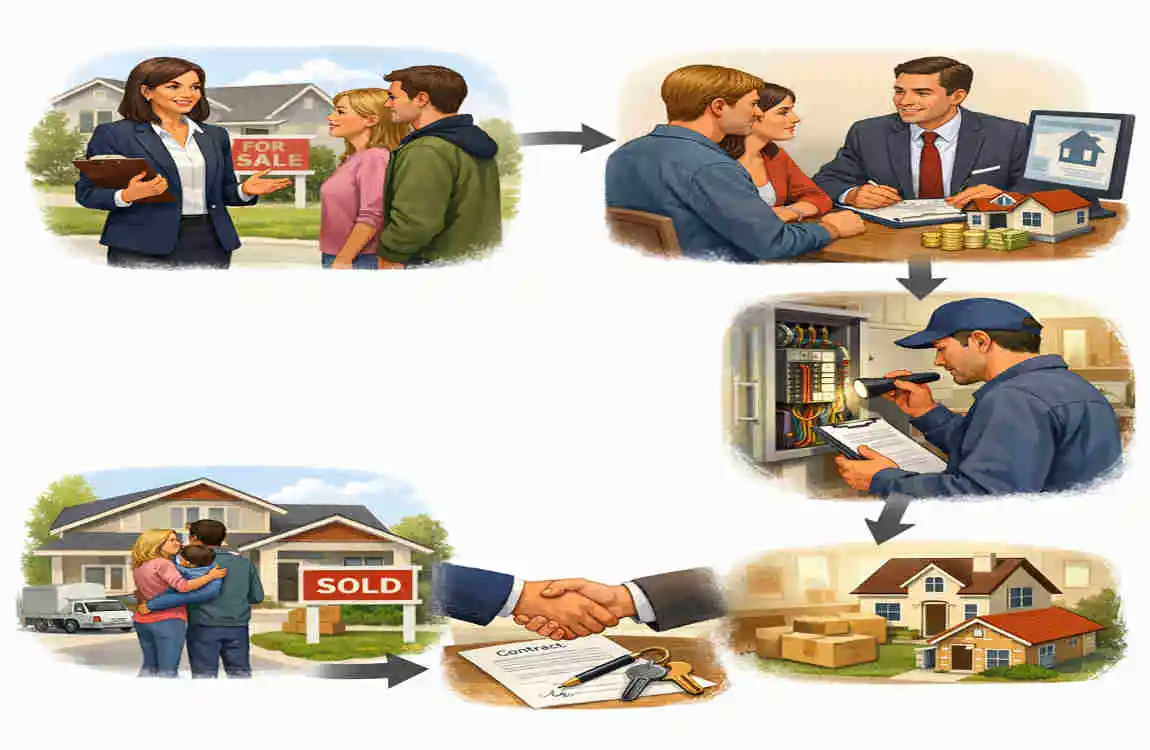
A home is a house or other residential property that is part of the real estate market. In simple words, it is a place you can buy, sell, rent, or own as part of a legal property transaction.
If you have ever asked, “What is real estate home and how does it work?”, you are not alone. Many people want to understand how homes fit into the bigger real estate picture before they make a decision.
Learning the basics matters because a home is usually one of the biggest purchases a person makes. You need to understand the process, the costs, and the responsibilities that come with ownership. That way, you can make a smarter choice and avoid surprises later.
What Is a Real Estate Home?
Simple Definition of a Real Estate Home
A real estate home is a residential property tied to land and owned or used for living purposes. It can be a house, condo, townhouse, apartment, or another place designed for people to live in.
A home is different from other types of real estate, such as land used for business, factories, or office buildings. Residential real estate is mainly for living, while other property types are used for work, storage, or investment.
Common Types of Real Estate Homes
There are several common types of residential properties:
- Single-family homes
- Condos and apartments
- Townhouses
- Multi-family properties
- Manufactured and mobile homes
Each type works a little differently. Some are owned outright, some are part of a shared community, and some may sit on leased land.
Why Homes Are Considered Real Estate
Homes are considered real estate because they include land and permanent structures. Ownership is legal and tied to the property itself.
That means the value of a home depends on more than just the building. It also depends on the land, the location, the neighborhood, and market demand.
How Does Real Estate Home Ownership Work?
Buying a Home
Buying a home usually starts with finding the right property. Once you find one you like, you make an offer based on the asking price, condition, and market value.
After that, several important steps usually follow:
- Home inspection
- Appraisal
- Mortgage approval
- Closing documents
- Transfer of ownership
The inspection checks for problems in the home. The appraisal helps confirm the property’s value. The mortgage is the loan used to pay for the home if you are not buying with cash.
Selling a Home
Selling a home means preparing it for buyers, pricing it correctly, and finding interested people.
A seller usually:
- Cleans and stages the property
- Sets an asking price
- Lists the home
- Reviews offers
- Negotiates terms
- Completes closing paperwork
Good pricing and presentation matter a lot. A well-kept home often sells more easily than one that looks neglected.
Renting a Home
Renting is different from buying. In a rental, the tenant pays monthly rent to the landlord in exchange for the right to live there.
A rental agreement usually covers:
- Monthly rent amount
- Security deposit
- Lease length
- Maintenance rules
- Property use terms
The landlord usually handles major repairs, while the tenant is expected to keep the home in good condition and comply with the lease.
How Does the Real Estate Market Work?
Supply and Demand
The real estate market works a lot like other markets. If there are many homes for sale but fewer buyers, prices may stay lower. If many buyers want homes and there are not enough properties, prices may rise.
This is why location and timing matter so much.
Factors That Affect Home Prices
Several things can change a home’s price:
- Location
- Property size
- Condition
- Interest rates
- Local economy
- Neighborhood development
A home in a growing neighborhood may become more valuable over time. A home in poor condition may need repairs before it can sell for a strong price.
Role of Real Estate Agents
Real estate agents help buyers and sellers through the process. They can:
- Find homes for buyers
- List homes for sellers
- Negotiate deals
- Handle paperwork
- Keep communication organized
For many people, agents make the process easier and less confusing.
What Are the Main Costs of Owning a Real Estate Home?
Buying the home is only the first step. Ownership comes with several ongoing costs.
Cost What It Covers
Mortgage Home financing payments
Property Taxes Local government taxes
Insurance Protection against covered risks
Maintenance Repairs and upkeep
Utilities Electricity, water, gas, etc.
HOA Fees Community services where applicable
It is important to remember that the purchase price is not the only cost of owning a home. Monthly payments and repairs can add up over time.
How Does a Real Estate Home Transaction Work?
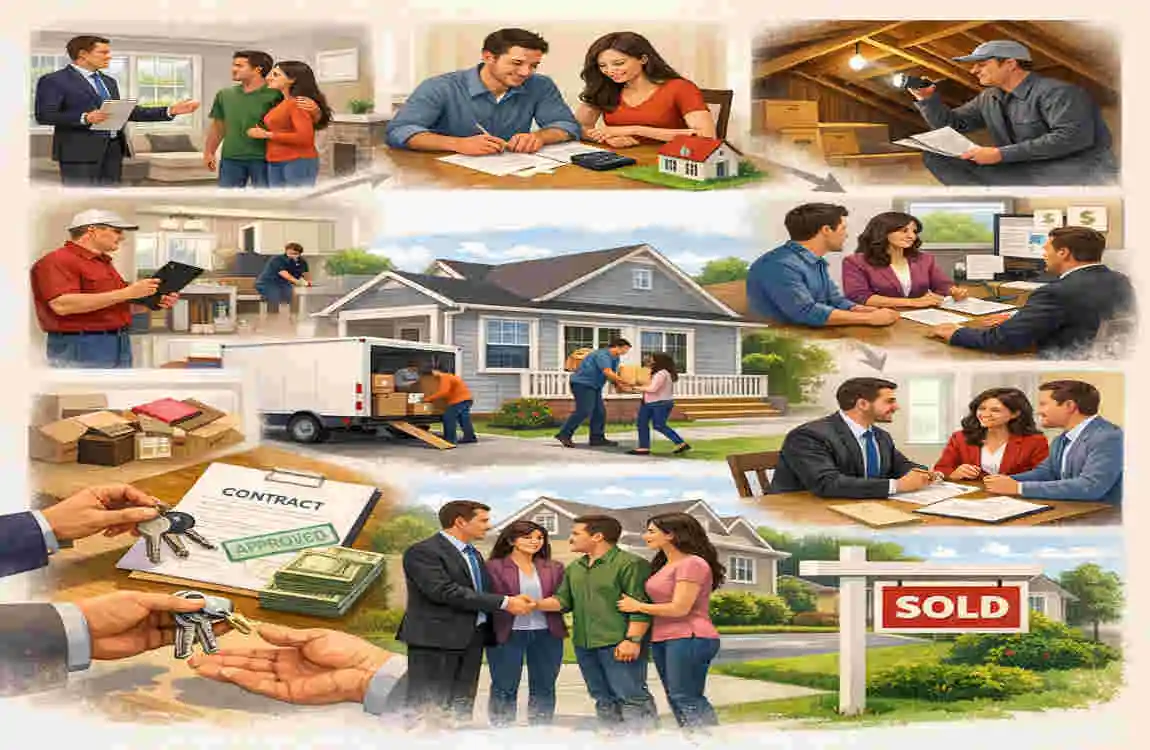
Determine Your Budget
Start by looking at your income, savings, and what you can afford each month. This helps you avoid choosing a home that is too expensive.
Find a Property
You can search through listings, work with agents, or research neighborhoods on your own. A good property should fit your needs, not just your wish list.
Make an Offer
If you like a home, you can make an offer. The offer includes the price you are willing to pay and may include conditions, called contingencies.
Complete Inspection and Appraisal
The inspection checks for hidden issues. The appraisal helps confirm the home’s value. Both steps protect the buyer and lender.
Secure Financing
If you need a mortgage, the lender reviews your finances, credit, and loan request. Once approved, you move closer to buying the home.
Close the Deal
Closing is the final step. You sign the documents, pay closing costs, and officially receive ownership of the property.
What Makes a Real Estate Home a Good Investment?
A home may be a good investment if it is in a strong location, in good condition, and likely to stay in demand.
Things that can help include:
- A desirable neighborhood
- Long-term population growth
- Good schools and services
- Low repair needs
- Rental income potential
Still, real estate values can rise or fall. A home is not a guaranteed profit. That is why careful research matters.
Real Estate Home vs. Other Real Estate
Property Type Main Purpose
Residential Home Living
Apartment Building Housing multiple tenants
Commercial Property Business use
Industrial Property Manufacturing/storage
Vacant Land Future development or investment
Residential homes are mainly for people to live in. Other property types serve different goals, such as business, storage, or future development.
Benefits and Challenges of Real Estate Homes
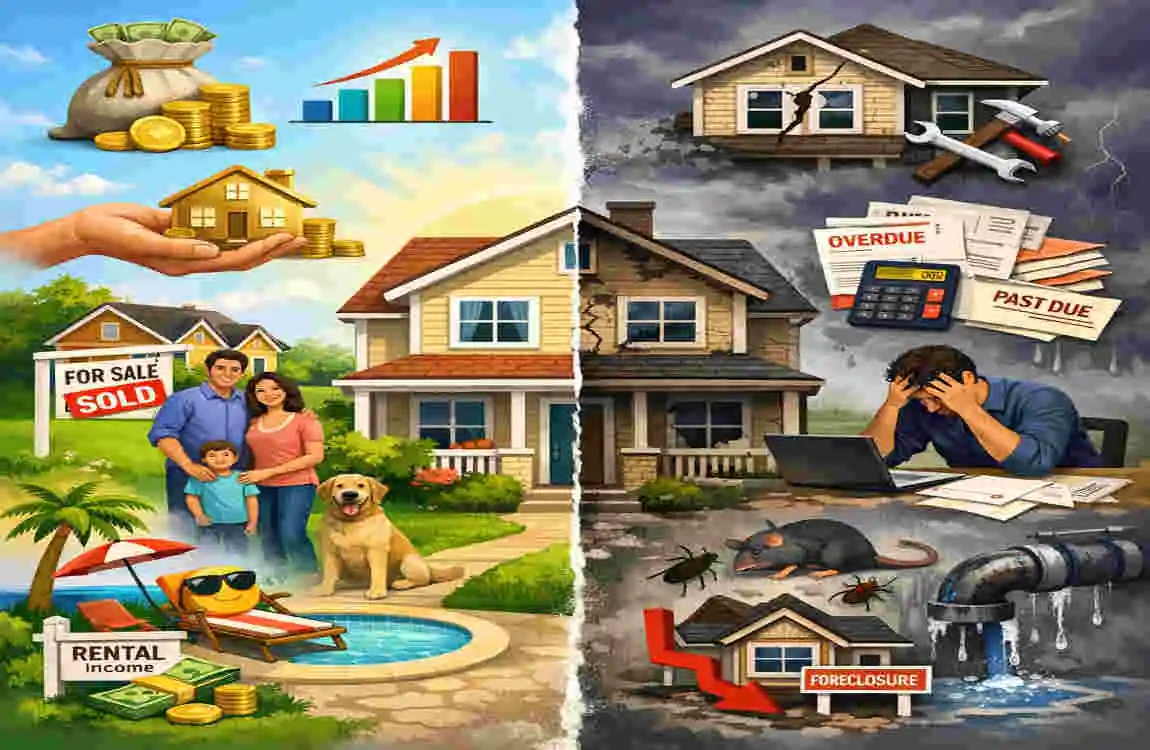
Benefits
Owning a home can offer several advantages:
- Long-term value
- Stability
- Personal control
- Possible rental income
- Potential tax benefits, depending on location
It can also give you a sense of pride and security.
Challenges
But homeownership also comes with responsibilities:
- Large upfront costs
- Mortgage payments
- Repairs and maintenance
- Property taxes and insurance
- Market changes
This is why buying a home should be a thoughtful decision, not an emotional one.
Tips for Buying a Real Estate Home
If you are thinking about buying, keep these tips in mind:
- Set a realistic budget.
- Research the neighborhood.
- Compare several properties.
- Get a professional inspection.
- Understand your mortgage terms.
- Plan for closing and ongoing costs.
- Do not buy based only on appearance.
A home may look perfect on the surface, but the details underneath matter even more.
Frequently Asked Questions
What is real estate home and how does it work?
A real estate home is a residential property used for living and legally tied to land. It works through buying, selling, renting, and owning under property laws and market rules.
Is a house considered real estate?
Yes. A house and the land attached to it generally count as residential real estate.
How does buying a home work?
You set a budget, search for a home, make an offer, complete inspection and appraisal, secure financing, and then close the deal.
Is owning a home a good investment?
It can be, but it depends on location, market conditions, costs, and how long you plan to keep the home.
| Topic | Simple Explanation |
|---|---|
| What Is Real Estate? | Real estate includes land, houses, apartments, and other properties that can be bought, sold, or rented. |
| Buying a Home | Buyers search for a suitable property, make an offer, arrange financing, complete inspections, and close the purchase. |
| Selling a Home | Sellers prepare the property, set a price, market it, negotiate with buyers, and complete the closing process. |
| Home Financing | Many buyers use a mortgage or home loan to pay for a property over time. |
| Property Value | Location, size, condition, demand, and nearby amenities can affect a home’s market value. |
| Real Estate Agents | Agents help buyers and sellers with property searches, pricing, negotiations, paperwork, and transactions. |
| Closing Process | Closing is the final stage when documents are signed, funds are transferred, and ownership officially changes. |
