
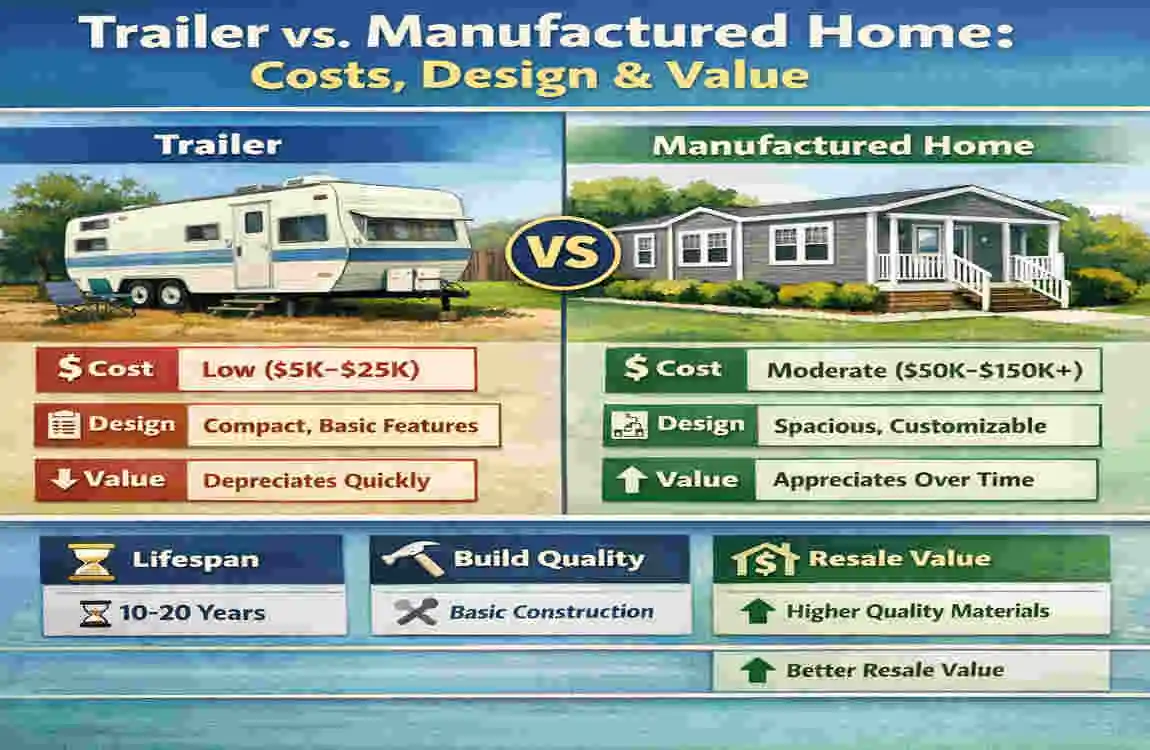
If you are comparing affordable housing options, you may be asking what the difference is between a trailer and a manufactured home. That is a very common question.
People often use the words “trailer,” “mobile home,” and “manufactured home” as if they mean the same thing. But they do not always mean the same thing. Trailer is an older, informal term. Manufactured home is the modern term for factory-built housing made to federal standards.
This matters because the differences can affect cost, design, financing, maintenance, and resale value. If you are thinking about buying, renting, or upgrading, it helps to know what you are really comparing.
What Is a Manufactured Home?
Manufactured Home Definition
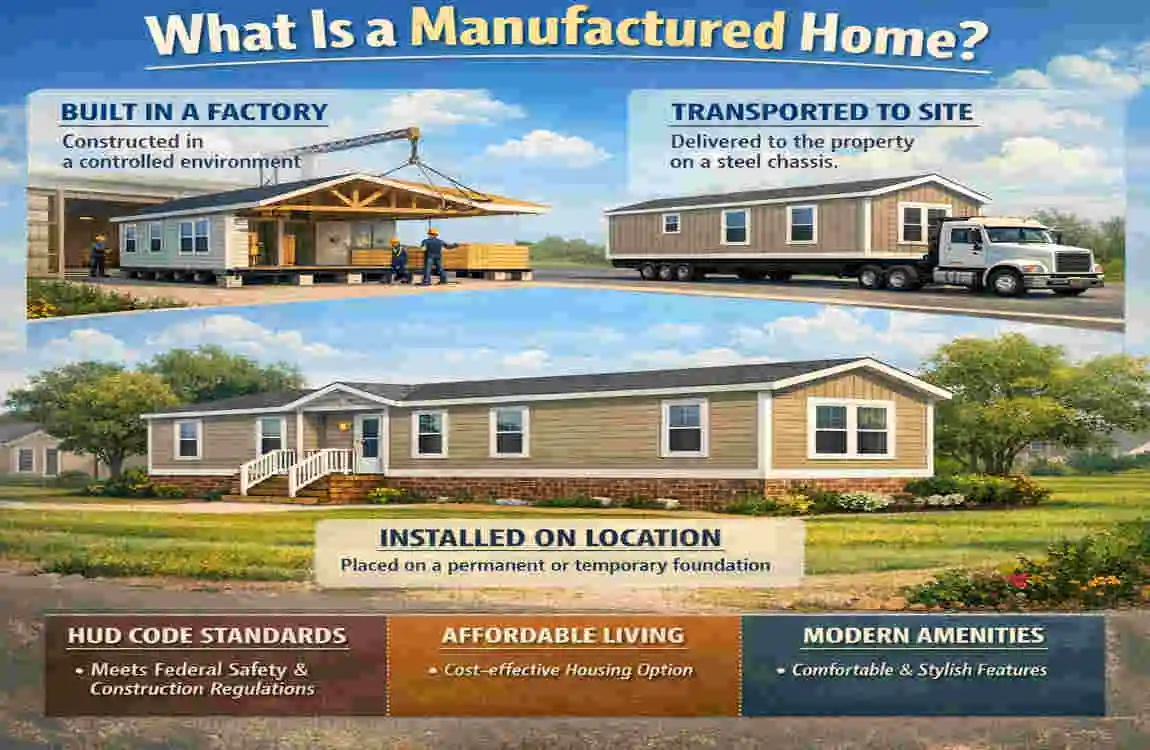
A manufactured home is a factory-built home made under federal construction standards. It is built in a factory, transported to the property, and installed on site.
This is what makes it different from many older trailers. Manufactured homes follow clearer rules for safety, structure, and quality.
Manufactured Home Features
Modern manufactured homes can include:
- Full kitchens and bathrooms
- Multiple bedroom layouts
- Energy-efficient options
- Modern finishes
- Single-wide and double-wide designs
Some even look very close to site-built houses from the outside.
Manufactured Home vs. Mobile Home
A mobile home usually refers to homes built before modern manufactured-home standards were introduced. A manufactured home is the newer term.
So when people compare a mobile home vs manufactured home, they are often comparing older housing to newer factory-built housing.
What’s the Difference Between a Trailer and a Manufactured Home?
Simple Answer
The short answer to what’s the difference between a trailer and a manufactured home is this:
A trailer is usually an older, more informal term for a mobile-style home, while a manufactured home is a newer home built under federal standards.
Main Differences at a Glance
Feature Traditional Trailer/Mobile Home Manufactured Home
Terminology Older common term Modern industry term
Construction Often older standards Built to manufactured-home standards
Design Usually simpler More modern and customizable
Floor Plans Often smaller Single-wide and larger multi-section options
Customization Limited on older units More options available
Cost Often lower depending on age Usually affordable compared with site-built homes
Resale Value Depends heavily on age and condition Depends on land, location, condition, and market
Financing Can be harder Varies by land ownership and setup
Trailer vs. Manufactured Home Cost
Purchase Price
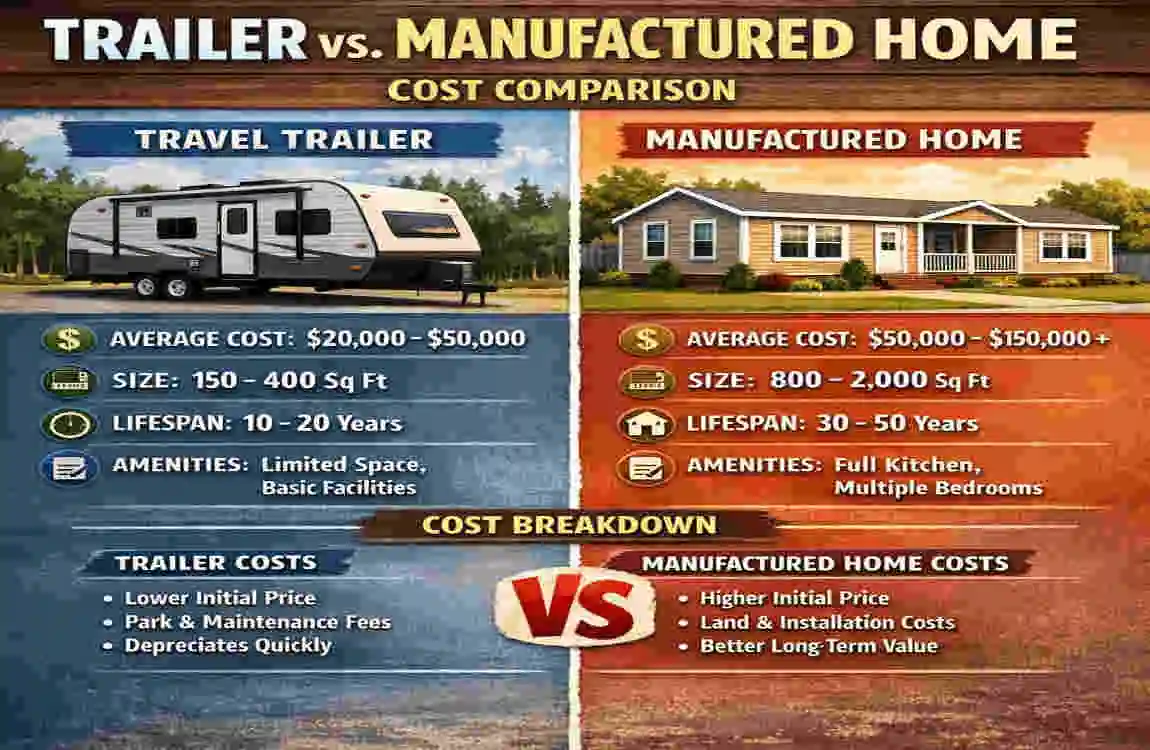
The price can change a lot. Age, size, location, condition, and features all affect the cost.
An older trailer may cost less up front, but it may also need more repairs. A newer manufactured home may cost more, but it often gives you better design and fewer early problems.
Land and Site Preparation
The home price is only part of the story. You may also need to pay for:
- Land
- Foundation
- Utility hookups
- Transportation
- Installation
- Permits
- Landscaping
These extra costs can make a big difference in the total budget.
Long-Term Costs
You should also think about:
- Maintenance
- Repairs
- Insurance
- Utilities
- Property taxes
- Lot or community fees
A lower purchase price does not always mean a lower total cost over time.
Which Is More Affordable?
Many manufactured homes are more affordable than site-built houses. That is one reason they are popular with first-time buyers and budget-conscious families.
Still, always compare the full cost of ownership, not just the sticker price.
Design and Construction Differences
Floor Plans
Older trailers often had very basic layouts. Manufactured homes usually offer better floor plans with more open living space, larger kitchens, and more comfortable bedrooms and bathrooms.
This makes a big difference in daily life. Good design can make a smaller home feel much more livable.
Materials and Finishes
Manufactured homes can include:
- Better flooring
- Modern cabinets
- Updated countertops
- Improved windows
- Attractive siding
- Different roofing options
Older trailers often used simpler materials and had fewer design choices.
Customization
Manufactured homes often allow more customization. Buyers may choose finishes, fixtures, appliances, and floor plan features.
That gives you more control over how the home looks and feels.
Single-Wide vs. Double-Wide
A single-wide home is built in one section and usually has a narrower layout.
A double-wide home is built in two sections and joined on-site. It usually offers more space and a more house-like layout.
If you want more room for a family, a double-wide may be a better fit. If you want a smaller, lower-cost option, a single-wide may work well.
Durability, Maintenance, and Lifespan
What Affects Durability?
A home’s durability depends on more than its label. It also depends on:
- Construction quality
- Foundation and installation
- Weather exposure
- Routine maintenance
- Roof and siding condition
- Plumbing and electrical systems
A well-kept manufactured home can hold up well for many years.
Maintenance Requirements
Regular maintenance matters a lot. Check the:
- Roof
- Moisture levels
- HVAC system
- Plumbing
- Exterior
- Supports or foundation
Small problems can grow fast if ignored.
Can a Manufactured Home Last a Long Time?
Yes, it can. But lifespan depends on how the home is built, installed, and maintained. A well-cared-for manufactured home can be a solid long-term option.
Financing and Ownership Considerations
Financing a Manufactured Home
Financing depends on whether you own the land and how the home is classified. Some loans are easier to obtain when the home and land are included in the purchase.
If the home sits on leased land, financing may be more limited.
Owning the Home vs. Renting the Lot
There are a few common setups:
- Owning both the land and the home
- Owning the home but leasing the land
- Living in a manufactured-home community
Each setup affects cost, loan options, and resale value.
Why Ownership Structure Matters
Your ownership setup affects your:
- Monthly payments
- Taxes
- Insurance
- Resale potential
- Long-term flexibility
This is one reason two similar homes can have very different value.
Resale Value: Trailer vs. Manufactured Home
What Determines Resale Value?
Resale value depends on:
- Location
- Condition
- Age
- Size
- Land ownership
- Foundation
- Local demand
- Upgrades
A newer manufactured home on owned land usually has stronger value than an older trailer on leased land.
Does Land Ownership Increase Value?
Yes, often it does. Land can make a huge difference in overall property value.
The home itself may wear out over time, but land can hold value much more steadily.
How to Protect Resale Value
To help protect value:
- Keep the home clean and maintained
- Make practical upgrades
- Save repair records
- Improve curb appeal
- Follow local property rules
Pros and Cons of Trailers and Manufactured Homes
Advantages of Older Trailers
- Lower purchase price
- Smaller footprint
- Lower upfront housing cost
- Simple basic accommodation
Disadvantages of Older Trailers
- Older systems may need repairs
- Financing can be harder
- Resale value may be weaker
- Some communities may restrict them
Advantages of Manufactured Homes
- Modern layouts
- Better factory-controlled construction
- More size options
- More customization
- Often lower cost than site-built homes
Disadvantages of Manufactured Homes
- Land and installation add cost
- Financing depends on setup
- Transport and installation need planning
- Local rules may affect placement
How to Choose the Right Option
Choose Based on Your Budget
Do not just look at the home price. Add in land, installation, taxes, insurance, and maintenance.
Consider Your Long-Term Plans
Ask yourself if you want:
- Short-term housing
- Long-term ownership
- Retirement housing
- Family housing
- An investment property
Check Local Regulations
Before buying, check:
- Zoning
- Building rules
- Foundation rules
- Utility requirements
- Community restrictions
Inspect Before Buying
Look closely at the:
- Roof
- Floors
- Plumbing
- Electrical system
- HVAC
- Windows
- Support structure
- Signs of moisture
Common Mistakes to Avoid
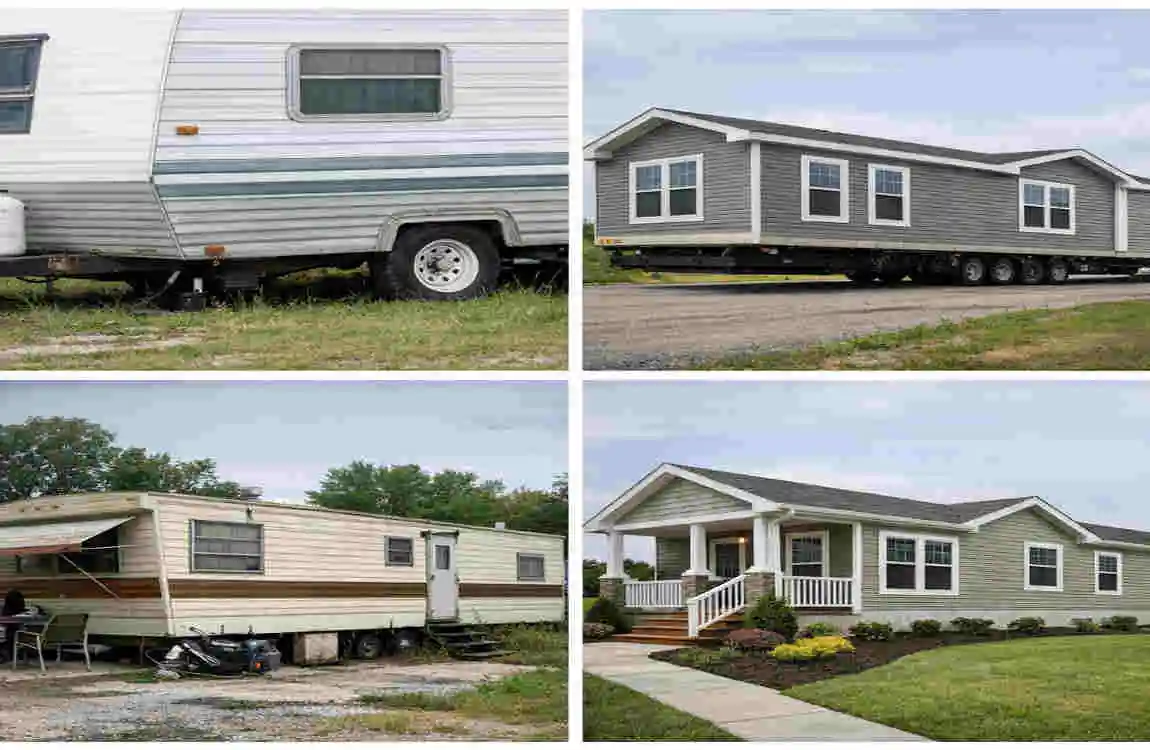
Many buyers make the same mistakes. Try not to:
- Compare only sticker prices
- Assume every trailer and manufactured home is the same
- Forget land costs
- Skip the inspection
- Ignore transportation and installation expenses
- Overlook zoning rules
- Buy upgrades without thinking about value
- Assume resale value without checking the local market
FAQ
What’s the difference between a trailer and a manufactured home?
A trailer is usually an older or informal term for mobile housing, while a manufactured home is the modern term for factory-built housing made under federal standards.
Is a manufactured home the same as a mobile home?
Not exactly. The terms are related, but manufactured home usually refers to newer homes built to modern standards.
Are manufactured homes cheaper than traditional houses?
Often yes, but you still need to include land, transport, installation, utilities, and maintenance in the total cost.
Do manufactured homes hold their value?
They can, but value depends on location, condition, land ownership, installation, and local demand.
Is a trailer a good investment?
It depends on the property, condition, and market. Always compare the full cost and resale potential before buying.
Can you customize a manufactured home?
Yes. Many offer choices in floor plans, cabinets, flooring, appliances, and more.
Which is better: a trailer or manufactured home?
For many buyers, a newer manufactured home is the better choice because it usually offers better design, comfort, and value. But the right answer depends on your budget and goals.
| Feature | Trailer | Manufactured Home |
|---|---|---|
| Cost | Usually lower upfront cost | Generally higher, depending on size and features |
| Design | Basic, compact layouts | More modern layouts and customization options |
| Construction | Often refers to older mobile homes | Built to modern manufactured-home standards |
| Size | Typically smaller | Available in single-, double-, and multi-section designs |
| Durability | Varies greatly by age and condition | Generally designed for long-term residential use |
| Resale Value | Can be limited, especially for older units | May offer better value when properly maintained and sited |
| Best For | Budget-friendly temporary or simple housing | Affordable long-term homeownership |
| Key Difference | “Trailer” is often an older/common term | “Manufactured home” is the modern industry term |
