
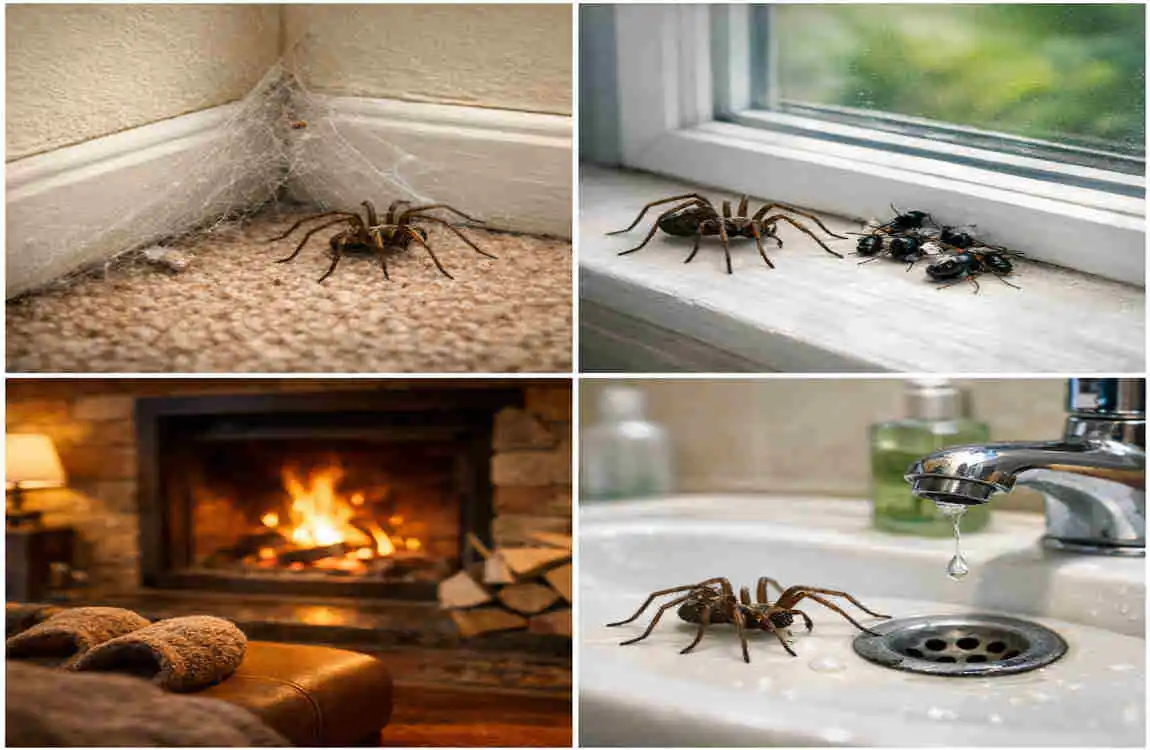
Spiders are among the home visitors most people would rather not see. You may spot one in a corner, on the ceiling, or near a window and immediately wonder why spiders come inside the house in the first place.
The short answer is simple: spiders come indoors because they find something useful there. That may be food, shelter, warmth, moisture, or a safe hiding place. Most of the time, they are not coming after people. They usually follow insects or look for a better place to stay.
The good news is that most house spiders are harmless. In many cases, they help control other bugs. Still, if spiders keep appearing, it makes sense to understand what is bringing them in and what you can do about it.
Why Do Spiders Come Inside the House?
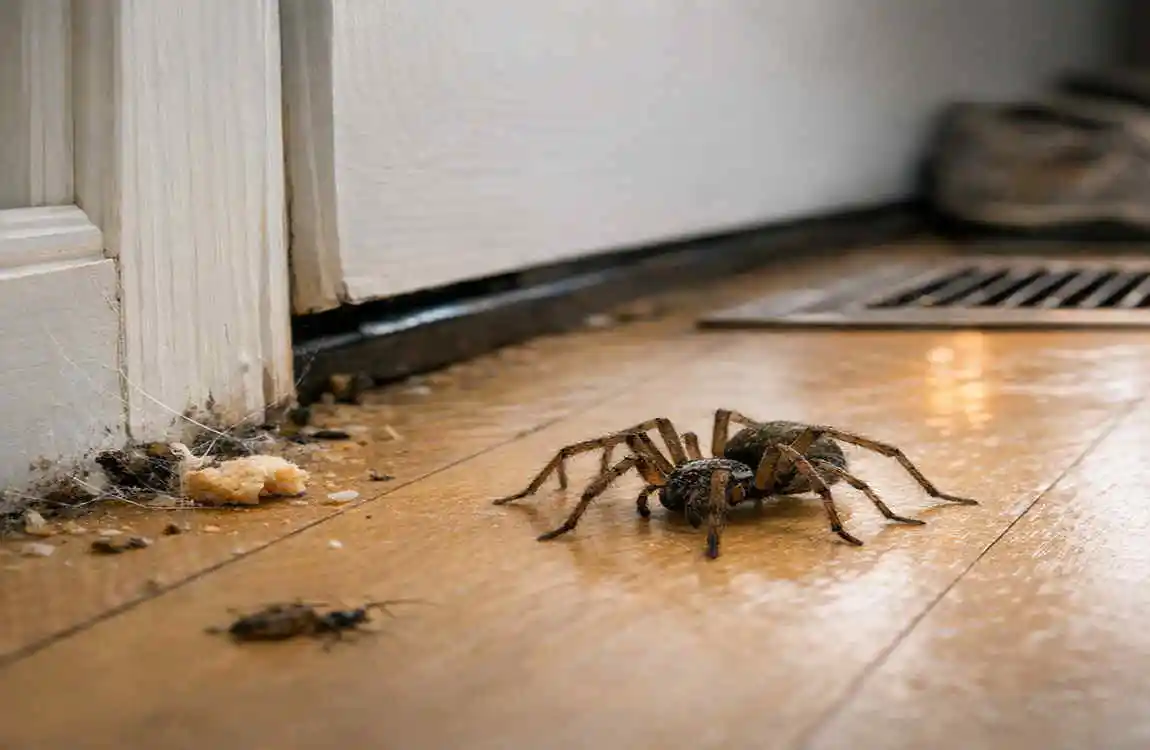
They are looking for basic needs.
Spiders do not enter clean homes to bother you. They enter because the house offers something they need. That usually means a place to stay, a source of food, or protection from outdoor conditions.
When the weather changes, spiders often move to more comfortable spaces. Your home can feel warmer, quieter, and safer than the outside world.
They follow insects
A spider will often go where its food goes. If your home has flies, mosquitoes, ants, moths, or other small insects, spiders may appear too.
This is why people sometimes notice spiders near lights, windows, kitchens, or bathrooms. These places often attract bugs, which in turn attract spiders.
They want shelter
Outdoor conditions can be harsh. Heavy rain, cold temperatures, wind, and heat can drive spiders to look for cover.
Homes offer shelter in places like basements, garages, attics, closets, and storage rooms. These quiet spaces give spiders a chance to hide without being disturbed.
They are drawn to moisture.
Some spiders and their prey prefer damp places. Bathrooms, kitchens, laundry rooms, crawl spaces, and poorly ventilated areas can be appealing because they are moist and often have more insect activity.
If you have been asking why spiders come inside the house, moisture is often part of the answer.
What Attracts Spiders to Your Home?
Food and insects
Spiders are hunters. They eat insects, so any clean homes with a steady supply of insects may attract them.
Common spider food includes:
- Flies
- Mosquitoes
- Ants
- Moths
- Small crawling bugs
If your home has even a few of these pests, spiders may follow. In other words, the spider is often a sign that other insects are present too.
Warmth and shelter
Homes stay more stable than outdoor spaces. That matters to spiders, especially when temperatures drop or become extreme.
Warm indoor areas can help spiders survive. Quiet spots like closets, attics, storage rooms, garages, and basements are especially attractive because they are dark and undisturbed.
Moisture and water
Water can attract both insects and spiders. Damp areas often support the bugs that spiders eat, making those places more appealing.
Bathrooms, sinks, laundry areas, crawl spaces, and basements can become spider-friendly if they stay humid or poorly ventilated.
How Do Spiders Get Inside the House?
Small openings are enough.
Spiders do not need a big gap to get inside. Even tiny cracks can be enough for them to squeeze through.
Common entry points include:
- Cracks around windows and doors
- Gaps under doors
- Wall cracks
- Vents and openings
- Utility pipe gaps
- Cable entry points
- Open windows
They may enter by accident.
Sometimes a spider wanders in while searching for food or shelter. It may not even be targeting your house directly.
Outdoor spiders can be carried inside on firewood, boxes, plants, furniture, or bags. Once inside, they may stay if the conditions feel right.
Simple maintenance can help.
A few small repairs can make a big difference. Sealing gaps, fixing screens, and closing openings around pipes and doors can reduce the number of spiders getting in.
If you want fewer spiders, start by making the house harder to enter.
Where Do Spiders Usually Hide Indoors?
Common hiding places
Spiders like places where they can stay out of sight. They are usually found in quiet, low-traffic spots.
Some of the most common hiding places are:
- Attics
- Basements
- Garages
- Storage rooms
- Behind curtains
- Under furniture
- Around windows
- Dark corners
- Closets
Why these places work for them
These areas are attractive because they are dark, calm, and often full of hiding spots. They also tend to collect dust, clutter, or insects.
A messy or rarely cleaned area can give spiders everything they need in one place. That is why regular cleaning matters.
Clutter helps spiders stay hidden.
Boxes, piles of clothes, stacked bins, and forgotten items create cover. Spiders can hide in these areas without being disturbed.
If you clean those spaces regularly, spiders have fewer places to settle.
Are Spiders in the House Dangerous?
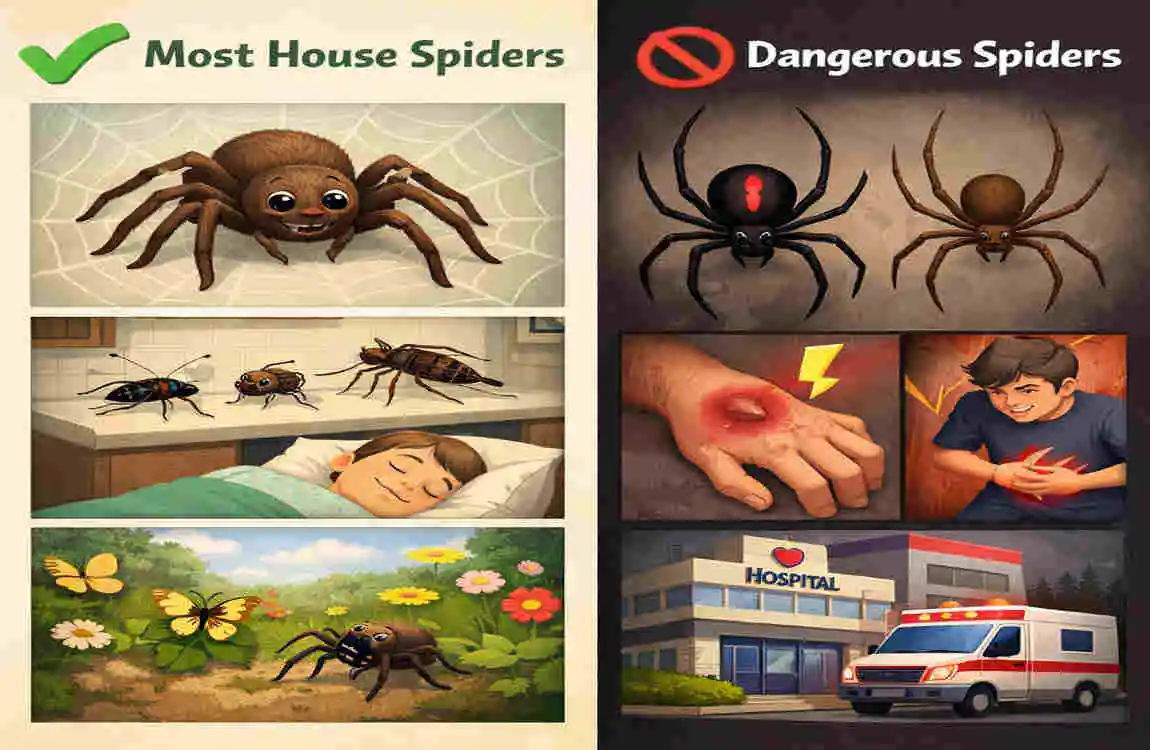
Most house spiders are not dangerous.
The most common clean homes spiders are harmless to people. They may look unsettling, but they usually do not pose a real threat.
In many cases, they are actually helping by catching other insects. So while they may not be welcome guests, they are not always a serious problem.
Some spiders should be handled with caution.
Not every spider is the same. Some species can bite if handled, and a few may be more concerning than others.
If you see a spider you do not recognize, it is best not to touch it. Take a careful look from a distance and, if needed, get help identifying it.
When to call a professional
If spiders keep showing up in large numbers, or if you are seeing an unusual type of spider, professional pest control may be the safest choice.
A pest expert can help identify the source and decide whether the issue is a simple entry problem or a larger infestation.
How to Keep Spiders Out of Your House
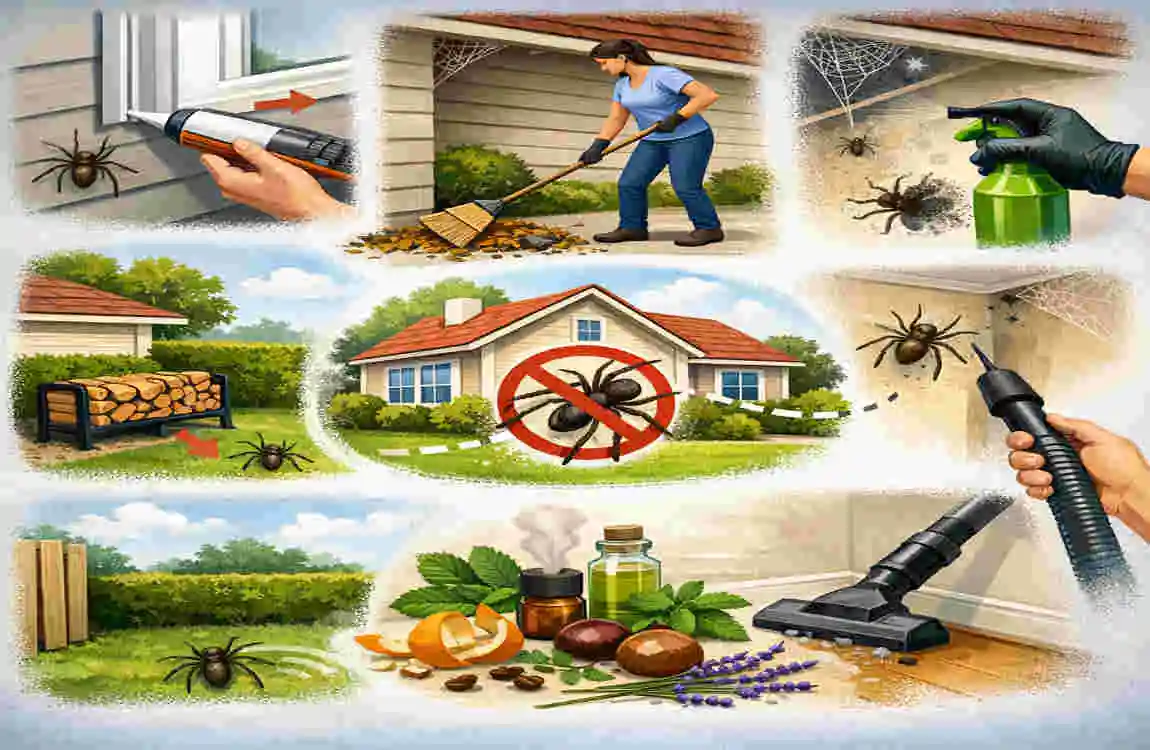
Seal cracks and gaps.
This is one of the most important steps. Check around windows, doors, vents, pipes, and foundations for openings.
Use caulk, weatherstripping, or other suitable materials to close gaps where spiders may enter.
Repair damaged screens
Torn window or door screens give spiders and other insects an easy way inside. Replace damaged screens as soon as you notice them.
A small tear can create a much bigger pest problem over time.
Keep the house clean and less cluttered.
Spiders like undisturbed areas. Cleaning regularly helps remove webs, insect food sources, and hiding spots.
Focus on:
- Corners
- Under furniture
- Closet floors
- Behind appliances
- Storage spaces
Remove webs often
If you see webs, remove them right away. This does not just make the house look cleaner. It also tells spiders the area is not a good place to stay.
Reduce outdoor lighting near entrances.
Bright lights can attract insects, and insects can attract spiders. If possible, use less intense lighting near doors and windows.
This simple change can make the area less appealing to pests.
Control insects inside and outside.
Since spiders follow their food, reducing insect activity is a smart long-term step.
Keep food sealed, clean spills quickly, and check for bug problems near doors, windows, and outdoor lights.
Ventilate damp areas
Bathrooms, clean basements, and crawl spaces should not stay damp for long periods. Use fans, vents, or dehumidifiers if needed.
Dryer spaces are less attractive to both spiders and the insects they eat.
Keep outdoor clutter away from walls.
Firewood, boxes, debris, and stacked items near the house can provide spiders with places to live before they move indoors.
Try to keep these items away from exterior walls whenever practical.
FAQs About Spiders Entering Homes
Why do spiders come inside the house?
They usually enter because they are looking for food, shelter, warmth, moisture, or a protected place to live.
Why am I suddenly seeing more spiders in my house?
Seasonal changes, increased insect activity, weather shifts, or new entry points can cause a sudden increase.
Does a messy house attract spiders?
Clutter itself does not feed spiders, but it gives them more places to hide. It can also make it easier for insects to stay around.
How can I stop spiders from entering my house?
Seal cracks, repair screens, reduce clutter, remove webs, control insects, and keep damp areas dry.
Are house spiders harmful?
Most are not harmful. Still, if you are unsure what kind of spider it is, avoid handling it.
Why are spiders common in bathrooms?
Bathrooms often provide moisture, quiet corners, and insects, which make them appealing.
Should I kill spiders in my house?
Not always. Many spiders are harmless and can help reduce other bugs. If they become numerous or hard to identify, it may be better to get professional advice.
| Reason | What It Means |
|---|---|
| Food | Spiders enter homes where insects such as flies, mosquitoes, and ants are available. |
| Warmth & Shelter | Indoor spaces provide protection from cold, heat, rain, and predators. |
| Moisture | Damp areas like bathrooms, basements, and kitchens can attract certain spiders. |
| Light | Outdoor lights attract insects, which can indirectly attract spiders. |
| Small Openings | Spiders can enter through cracks, gaps around doors, windows, and vents. |
| Mating Season | Some spiders wander indoors while searching for mates, especially during certain seasons. |
| Easy Hiding Places | Clutter, dark corners, garages, and storage areas provide safe places to hide. |
