
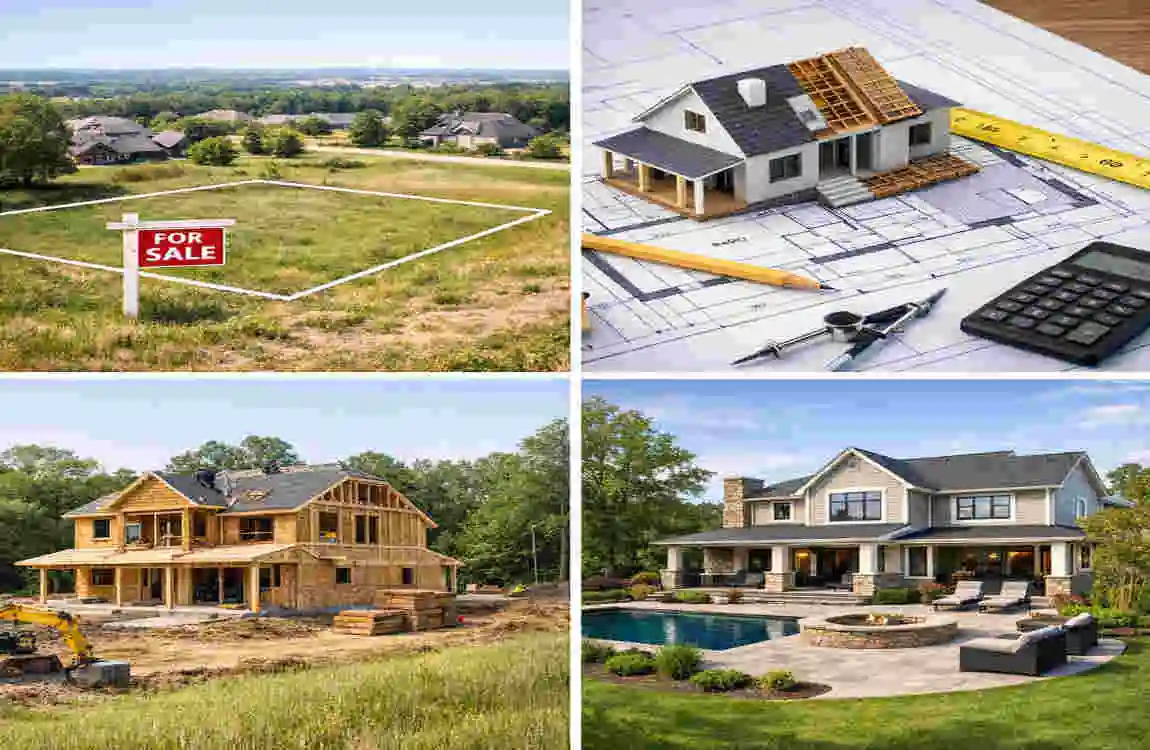
Choosing land is one of the most important parts of building a home. If the lot is too small, you may struggle with setbacks, parking, outdoor space, or future expansion. If it is too large, you may pay more than you need and take on extra maintenance.
So, how much land is needed to build a house? The answer depends on your home size, local rules, lifestyle, and plans. A small house may fit on a compact lot, while a larger family home or custom build usually needs more room.
The best way to think about it is simple: your land should fit the house and the life you want to live around it. That means space for the building itself, plus room for a driveway, yard, garden, patio, or anything else you want now or later.
Average Land Size Needed to Build a House
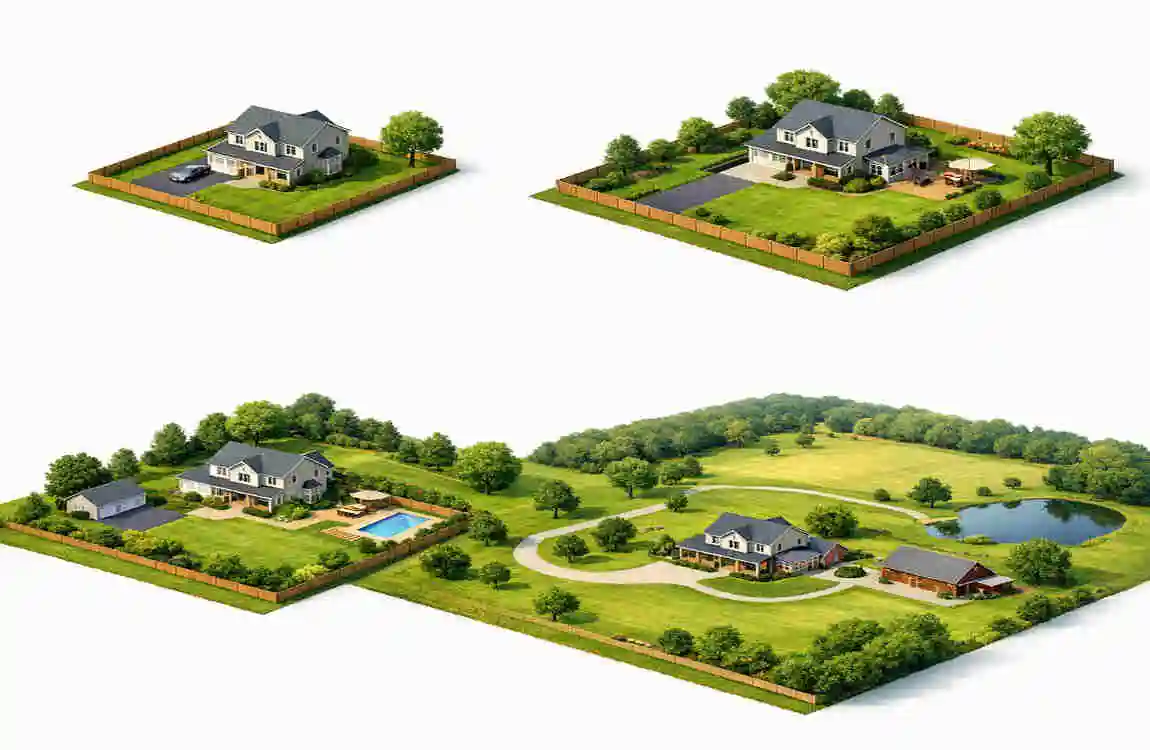
Most homes do not need large plots, but they do need enough space to comply with local building codes and provide a comfortable layout.
House Type Recommended Land Size
Small house / tiny home 1,000–3,000 sq. ft.
Average family home 5,000–10,000 sq. ft.
Large custom home 10,000+ sq. ft.
House with garden/yard ¼ acre or more
Rural property 1 acre or more
A small home can fit on a very modest lot if zoning allows it. An average family home usually works well on a standard suburban plot. A large custom house often needs more land for privacy, parking, and outdoor features.
It also helps to understand land measurements. Square feet are used for smaller lots, while acres are common for bigger properties. One acre equals 43,560 square feet. In some countries, people also use hectares, which are much larger units.
Factors That Determine How Much Land You Need
Size and Design of the House
The bigger the house footprint, the more land you need. A home with a wide base uses more ground space than a narrow, taller home.
A single-story house usually needs a larger lot because everything spreads out on one level. A multi-story house can often sit on a smaller plot since the living space goes upward instead of outward.
You also need to think about the garage, storage, and any side access you want. A house with a large garage or workshop will need more room than a simple compact home.
Local Building Codes and Zoning Rules
Even if a lot looks big enough, local rules may limit what you can build. Zoning laws often control:
- Minimum lot size
- Setback distances
- Building height
- How much of the land can be covered by the house
Setbacks are especially important. These rules say how far your home must sit from the road, property lines, or neighboring buildings. If you ignore them, you may not get approval to build.
Outdoor Space Requirements
Think about how you want to use the land around your home. Some people want only enough space for a driveway and small lawn. Others want a big backyard, a garden, a play area, or a pool.
Common outdoor needs include:
- Backyard
- Patio
- Driveway
- Playground
- Swimming pool
- Landscaping
If outdoor living matters to you, plan for it early. It is much easier to choose the right lot from the start than to wish for more space later.
Future Expansion Plans
A lot that feels “just right” today may feel too small later. If you think you may add a room, build a garage, or create a rental unit in the future, extra land can help.
Buying a little more land than you need now can give you flexibility. That extra space may protect your plans from feeling cramped later.
How Much Land Is Needed for Different House Sizes?
Land Needed for a Small House
Small homes and tiny homes can work on compact lots. These homes are often designed to use space wisely, so they do not need a huge footprint.
If your goal is a starter home or a minimal lifestyle, a small plot may be enough. Just make sure the land still allows for access, parking, and required setbacks.
Land Needed for a 1,500 Square Foot House
A 1,500-sq.-ft. home is a very common size. In many cases, this home works well on a standard residential lot around 5,000 to 8,000 square feet.
That gives enough room for:
- The house foundation
- A driveway or parking area
- A small front yard
- Some backyard space
If you want more privacy or outdoor features, a larger lot may be better.
Land Needed for a 2,000 Square Foot House
A 2,000 sq. ft. house usually needs a little more land, especially if you want a comfortable layout and outdoor space.
A lot between 7,500 and 12,000 square feet often works well, depending on the lot’s shape and local rules. This is a practical size for many family homes.
Land Needed for a 3,000+ Square Foot Luxury Home
A large luxury home typically requires more land because it occupies more space, and buyers often want privacy, landscaping, and entertainment areas.
You may need room for:
- A larger driveway
- A bigger yard
- Outdoor seating or entertaining areas
- Extra parking
- Landscaping for privacy
For a home this size, a larger plot is usually the better choice.
Understanding Acreage When Building a House
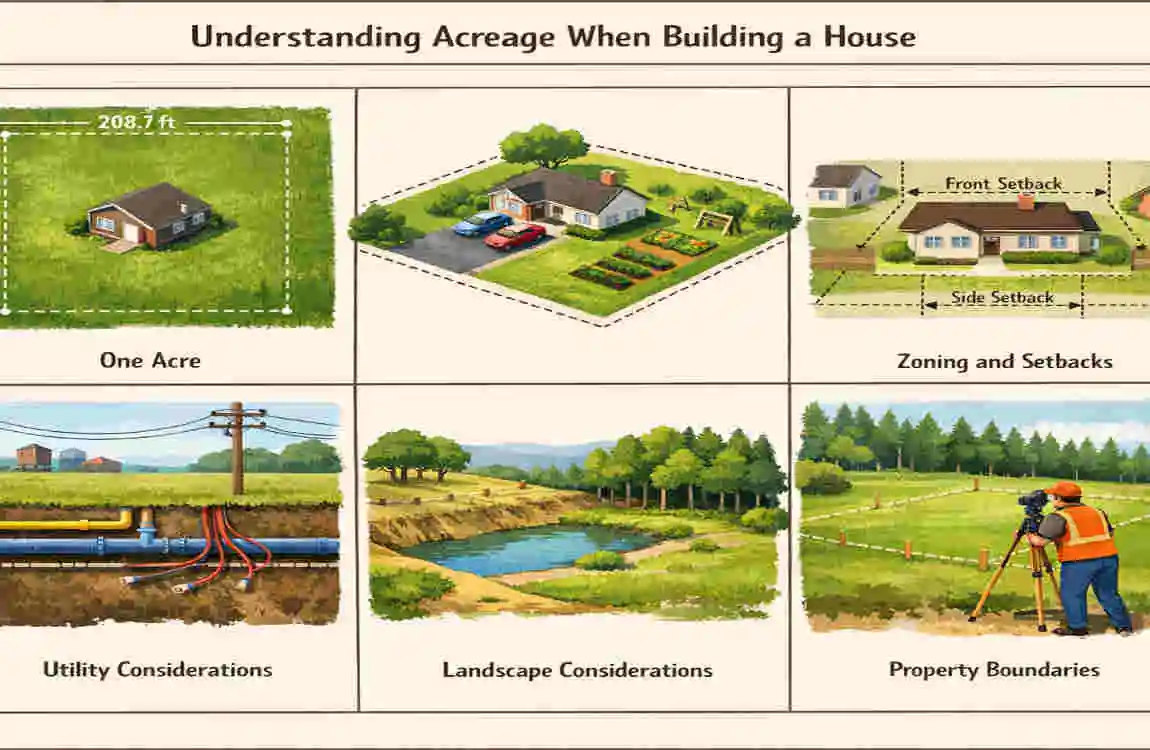
How Big Is an Acre of Land?
One acre equals 43,560 square feet. That is a useful number to remember because it helps you compare house size to land size.
An acre can hold a large house, a wide yard, a driveway, and still leave space for outdoor features. It is a very common size for people who want more breathing room.
Is Half an Acre Enough to Build a House?
Yes, half an acre is often enough for many homes. It usually gives you a good balance between space and manageability.
It can work well for a medium or large home, depending on the layout. It may not be ideal if you want a very large garden, a pool, or a wide-open yard.
Is One Acre Enough for a Large House?
Yes, one acre is usually enough for a large custom home and several outdoor features. It gives you more freedom with design and privacy.
This size is especially helpful in rural areas or for buyers who want a more open feel. It can also make future expansion easier.
Minimum Land Requirements for Building a House
Small Urban Lots
Urban areas often have the smallest lots. Builders here must work in tight spaces and under strict rules.
That means the house may be built closer to neighbors, with less yard space and limited parking. The upside is that urban land is usually close to stores, schools, and work.
Suburban Lots
Suburban properties usually offer a nice middle ground. They are often large enough for a yard, driveway, and comfortable house layout.
For many families, this is the most practical choice. You get more space without taking on the full cost or upkeep of rural land.
Rural Land
Rural land usually gives you the most space. But it can also require extra planning.
You may need to think about:
- Septic systems
- Wells
- Long driveways
- Utility access
Rural lots can be ideal if you want privacy, land for farming, or room to expand.
How to Calculate the Right Land Size for Your Home
Determine Your Home Size
Start by deciding how large your home should be. Think about the number of bedrooms, bathrooms, and living areas you need.
Once you know the square footage, you can estimate how much of the lot the house will use.
Add Required Outdoor Space
Now think about the areas around the house. Do you want a lawn, garden, patio, or parking space?
This step matters because the house is only part of the total land use.
Check Local Regulations
Before you buy land, review zoning rules, setbacks, and building restrictions. These rules can change everything.
A lot may look perfect, but if it does not meet local requirements, you may not be able to build the way you want.
Consider Future Needs
Think ahead. Ask yourself whether you might want a garage, a guest room, or a bigger yard later.
A little extra land can save you from feeling limited in the future.
Land Size Requirements for Different Property Features
House With Garage
A garage takes up extra space, especially if you want a two-car or detached garage. A workshop will need even more room.
If the garage is attached, it affects the house’s overall footprint. If it is separate, it needs its own space and access.
House With Pool
A pool needs much more than the pool itself. You also need space for safety, movement around the pool, and possibly fencing or a deck.
This is why a larger lot is often better for homes with swimming pools.
House With Garden
A garden can be simple or large, depending on what you want to grow. Vegetable gardens, flower beds, and trees all need room.
If you want a true outdoor living space, buy land with extra flexibility.
House With Driveway
Driveways are easy to overlook, but they need space too. A long driveway may be needed on rural land, while a shorter one may work in a city or suburb.
Common Mistakes When Choosing Land
Buying Too Small a Lot
A lot that is too small can limit your outdoor space and plans. It may also make the home feel crowded.
Ignoring Local Building Rules
If you do not check the rules first, you may face delays or permit problems later. Always confirm what is allowed before you buy.
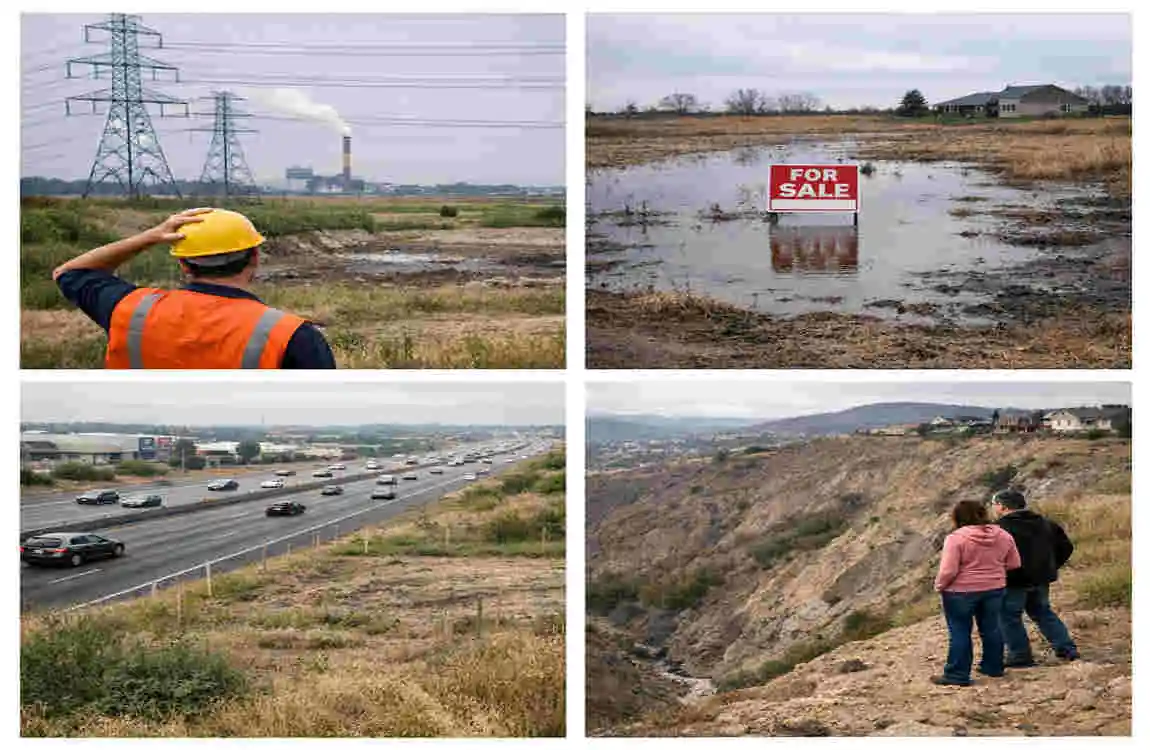
Not Considering Land Conditions
Land is not just about size. You also need to look at:
- Soil quality
- Drainage
- Slope
- Flood risk
Poor land conditions can quickly raise building costs.
Forgetting Utility Access
A plot may be large enough, but if it lacks water, electricity, sewage, or internet access, it may become difficult or expensive to develop.
Urban vs Rural Land: Which Requires More Space?
Location Type Typical Land Need Advantages
Urban Small lots Close to services
Suburban Medium lots More privacy
Rural Large lots More space and flexibility
Urban land usually needs less space because homes are built closer together. Suburban lots offer a balance. Rural land needs more room, but it gives you the most freedom.
Tips for Choosing the Right Plot Size
Here are a few practical tips to help you choose well:
- Match the lot to your lifestyle
- Think about resale value
- Check nearby development plans
- Factor in maintenance costs
- Ask professionals to review the land
A good plot is not just about size. It should fit your budget, your home plans, and the way you want to live.
Cost Considerations When Buying Land
Buying more land sounds good, but bigger is not always better. A larger plot can cost more to buy, prepare, and maintain.
You may also pay for:
- Survey costs
- Site preparation
- Utility installation
- Landscaping
- Permit fees
Sometimes a smaller, well-located lot is smarter than a large plot that is hard to develop.
Benefits of Buying More Land Than You Need
Extra land can be a smart investment when it fits your budget. It can give you:
- More privacy
- Better property value
- Future expansion options
- More outdoor living space
- Greater design flexibility
If you can afford it, a little extra land often gives you more freedom later.
Frequently Asked Questions
How much land is needed to build an average house?
Most average homes can be built on 5,000 to 10,000 square feet of land, depending on local rules and the home design.
Can you build a house on a small piece of land?
Yes, you can build on a small lot if zoning laws allow it and the design fits the space.
Is one acre enough land to build a house?
Yes, one acre is usually enough for a large home, yard, driveway, and extra outdoor features.
What is the minimum land size required to build a house?
The minimum depends on local zoning laws, building codes, and the type of home you want to build.
Does a bigger house require more land?
Usually yes. Bigger homes need more space for foundations, parking, setbacks, and outdoor areas.
| Factor | Details |
|---|---|
| Minimum Land Size | The minimum land needed depends on local building rules, zoning laws, and house design. Small homes can often fit on 1,000–2,500 sq. ft. lots in urban areas. |
| Average Land Size for a House | Many single-family homes are built on plots between 5,000–10,000 sq. ft. to allow space for yards, parking, and outdoor areas. |
| Small House Requirement | A compact home may need around 1,000–2,000 sq. ft. of land, depending on layout and local regulations. |
| Medium Family Home Requirement | A typical 3–4 bedroom house usually needs around 3,000–8,000 sq. ft. of land for comfortable living space. |
| Large Luxury Home Requirement | Luxury homes often require 10,000+ sq. ft. of land for gardens, pools, garages, and additional features. |
| Important Considerations | Check zoning rules, setbacks, soil quality, utilities, drainage, and access roads before buying land. |
