
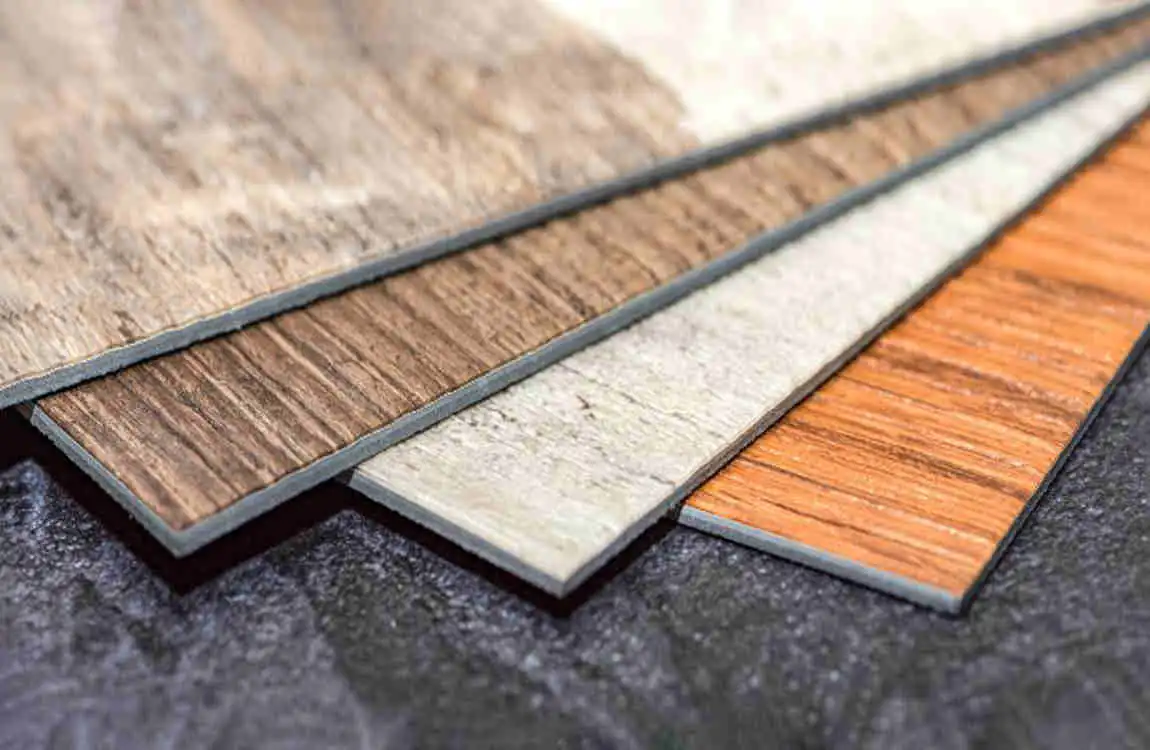
If you are considering vinyl plank flooring for your home, one of the first questions you may have is, how long does vinyl plank flooring last? The good news is that quality vinyl plank flooring can provide many years of reliable service.
In general, vinyl plank flooring can last 10 to 25 years or more, depending on product quality, installation, traffic, moisture exposure, and maintenance. Premium luxury vinyl plank (LVP) often performs especially well when installed correctly and properly cared for.
Vinyl plank flooring is popular because it offers the look of wood while being relatively easy to clean and maintain. It is also available in water-resistant and waterproof options, making it suitable for many areas of the home.
How Long Does Vinyl Plank Flooring Last?
Average Lifespan of Vinyl Plank Flooring
The typical lifespan of vinyl plank flooring is about 10–25 years, although some high-quality products may last longer under favorable conditions.
Lower-cost flooring may show wear sooner, particularly in busy areas. Mid-range and premium products usually offer better construction and stronger wear protection.
The actual lifespan also depends on where the flooring is installed. A bedroom with little foot traffic may keep its appearance much longer than a busy hallway or entryway.
How Long Does Luxury Vinyl Plank Flooring Last?
Luxury vinyl plank flooring, commonly called LVP, is designed to offer a realistic wood appearance with several layers of construction.
A quality LVP product may last 15–25 years or more in a residential setting when properly installed and maintained. Its wear layer plays an important role by protecting the decorative surface from everyday scratches and scuffs.
Does Vinyl Plank Flooring Last Longer Than Laminate?
Vinyl and laminate can both be durable choices, but they perform differently.
Vinyl generally has an advantage in areas where moisture is a concern. Laminate can offer excellent scratch resistance, but its moisture performance varies by product.
For kitchens, bathrooms, and other moisture-prone spaces, a suitable vinyl plank product can be a practical choice.
What Affects the Lifespan of Vinyl Plank Flooring?
Several factors determine how long vinyl plank flooring lasts.
Quality of the Flooring
Product quality matters. Cheap flooring may have less durable construction, while premium flooring may feature a thicker wear layer and higher-quality materials overall.
When comparing products, don’t focus only on appearance. Look at the construction, wear layer, installation requirements, and warranty information.
Vinyl Plank Flooring Wear Layer
The wear layer is the protective top surface of the plank. It helps protect the printed design from everyday wear, scratches, and scuffs.
A thicker, properly designed wear layer can be beneficial in high-traffic areas such as hallways, kitchens, and entryways.
Installation Quality
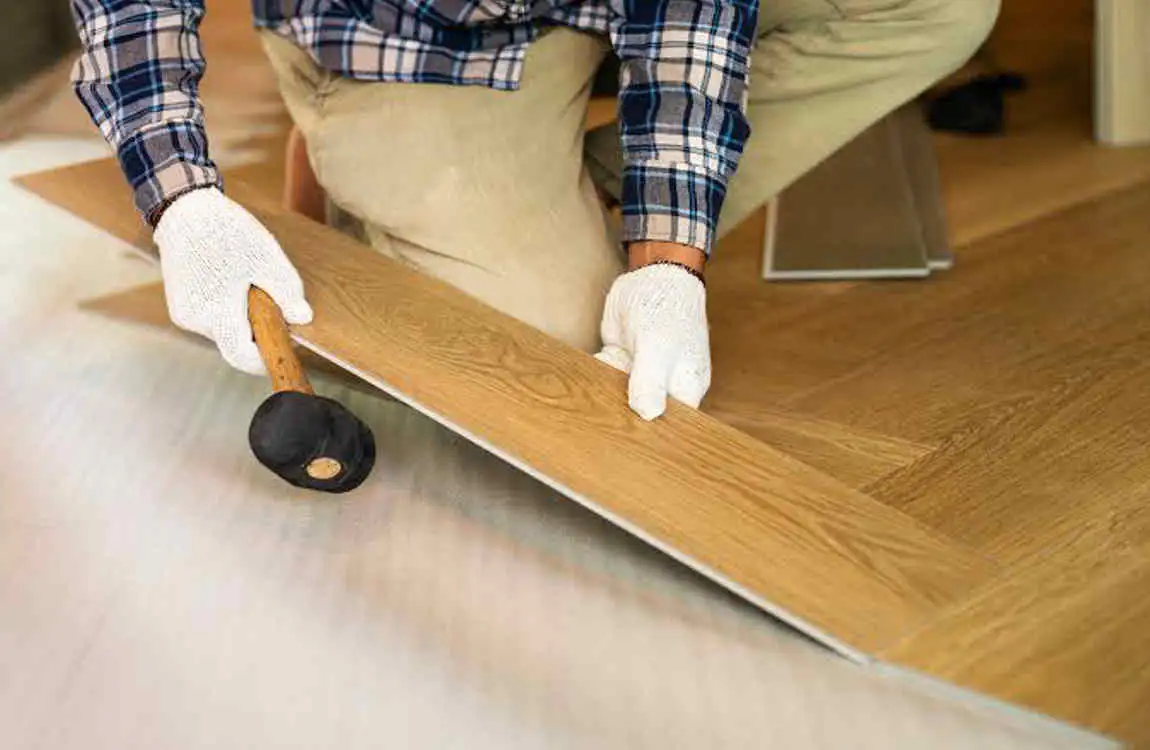
Even high-quality flooring can perform poorly if it is installed incorrectly.
The subfloor should be clean, stable, and appropriately prepared. Uneven areas can cause movement, gaps, or other problems over time.
Proper installation provides your flooring with a better foundation and can help extend its service life.
Foot Traffic
Traffic has a major effect on flooring.
A bedroom may experience relatively little wear, while an entryway may receive hundreds of footsteps every week. Pets, children, shoes, and moving furniture can also increase surface wear.
Moisture Exposure
Many vinyl products are water-resistant, and some are designed to be waterproof. However, that does not mean you should allow water to remain on the floor indefinitely.
Clean spills quickly and address moisture problems underneath or around the flooring.
Pets and Furniture
Pet claws can create scratches, while heavy furniture can cause dents if it remains in one position for a long time.
Use furniture pads under heavy items and avoid dragging furniture across the floor.
Is Vinyl Plank Flooring Durable?
Scratch and Scuff Resistance
Vinyl plank flooring can handle everyday activity well, particularly when you choose a quality product with an appropriate wear layer.
However, it is not completely scratch-proof. Dirt and grit can act like tiny abrasives when walked across the floor.
Dent Resistance
Heavy furniture and appliances can put considerable pressure on vinyl planks. Over time, this pressure may cause dents.
Furniture pads can help distribute weight and reduce this risk.
Water Resistance
One reason homeowners choose vinyl flooring is its ability to withstand moisture.
Still, installation quality matters. Water that gets beneath flooring can create problems even when the surface itself is water-resistant or waterproof.
Heat and Sunlight
Long-term exposure to strong sunlight may cause some vinyl floors to fade or change appearance.
Curtains, blinds, or other methods of controlling direct sunlight can help protect flooring in very sunny rooms.
How to Make Vinyl Plank Flooring Last Longer
Good maintenance can significantly improve your vinyl flooring maintenance routine and help your floor look better for longer.
Here are some simple habits to follow:
- Sweep or vacuum regularly to remove dirt and grit.
- Clean up spills quickly rather than allowing moisture to sit.
- Use furniture pads under chairs, tables, sofas, and heavy furniture.
- Place suitable mats near entrances to reduce dirt and debris.
- Avoid dragging furniture across the floor.
- Trim pet nails regularly to reduce accidental scratches.
- Follow the manufacturer’s cleaning instructions for your specific flooring.
Small maintenance habits can prevent minor problems from becoming expensive repairs.
How to Clean Vinyl Plank Flooring
Daily and Weekly Cleaning
Regular sweeping, dusting, or vacuuming is one of the easiest ways to maintain vinyl plank flooring.
Pay particular attention to entrances, kitchens, hallways, and other high-traffic areas.
Deep Cleaning
When deeper cleaning is needed, use a suitable damp mop rather than flooding the floor with water.
Always follow the cleaning instructions provided for your flooring product.
What Not to Use on Vinyl Plank Flooring
Avoid using:
- Abrasive scrubbers
- Harsh chemicals
- Excessive water
- Steam cleaners unless approved for your flooring
- Wax or polish not designed for vinyl flooring
Using the wrong cleaning method can damage the protective surface.
Signs Your Vinyl Plank Flooring Needs Replacement
Not every scratch means you need a new floor. Minor surface marks can often be managed through proper care.
However, replacement may be worth considering when you notice serious damage.
Severe Scratches and Wear
Deep scratches that expose lower layers or widespread surface deterioration can indicate that the flooring has reached the end of its useful life.
Peeling, Lifting, or Separating Planks
Planks that repeatedly lift, separate, or move may have installation or moisture-related problems.
The underlying cause should be addressed before simply installing replacement planks.
Water Damage
Persistent moisture, damaged subflooring, or other signs of water problems should be taken seriously.
Fix the moisture source before replacing the flooring.
Fading and Discoloration
Some fading is a normal part of aging. Strong sunlight can also contribute to discoloration.
If the appearance has become unacceptable, replacement may be a practical choice.
Loose or Damaged Planks
If only a few planks are damaged, you may not need to replace the entire floor. Individual plank replacement may be possible.
Can You Repair Vinyl Plank Flooring Instead of Replacing It?
In many situations, repairing vinyl plank flooring is better than replacing the entire floor.
Floating vinyl floors can sometimes allow individual damaged planks to be removed and replaced. This can be useful when damage is limited to one small area.
However, finding an exact match can be difficult if the flooring is several years old. Colors, patterns, and product designs may have been discontinued.
If damage is widespread, complete replacement may be more practical.
Vinyl Plank Flooring Lifespan by Room
The same flooring can have different lifespans depending on where you install it.
Room/AreaExpected WearCare Tips
Bedroom Low Regular cleaning
Living Room Moderate Use furniture pads
Kitchen High Clean spills quickly
Hallway High Consider runners
Bathroom Moderate–High Control moisture
Entryway Very High Use quality mats
High-traffic areas generally require more frequent cleaning and protection.
Is Vinyl Plank Flooring Worth It?
For many homeowners, vinyl plank flooring offers a good balance between appearance, durability, maintenance, and cost.
Main Benefits
Vinyl plank flooring is:
- Durable for everyday residential use
- Easy to maintain
- Available in many wood-look designs
- Comfortable underfoot
- Available in water-resistant and waterproof options
- Relatively easy to install
- Often more affordable than some natural flooring choices
Potential Drawbacks
There are also some disadvantages. Vinyl can scratch or dent, and product quality varies considerably.
Replacement planks may also be difficult to match several years after installation. Strong sunlight can also affect some products.
Who Should Consider Vinyl Plank Flooring?
Vinyl plank can be a practical choice for families, pet owners, busy households, and homeowners who want low-maintenance flooring.
It can also be useful if you want the appearance of wood without some of the maintenance associated with natural hardwood.
Vinyl Plank Flooring vs. Other Flooring Types
Flooring TypeTypical LifespanMaintenanceWater Resistance
Vinyl Plank 10–25+ years Low High, depending on product
Laminate 10–25 years Low Varies
Hardwood 20–100+ years Moderate Usually lower
Tile 30–50+ years Low–Moderate High
Carpet 5–15 years Moderate–High Low
These figures are general estimates rather than guarantees. Product quality, installation, traffic, and maintenance can make a significant difference.
Frequently Asked Questions
How long does vinyl plank flooring last on average?
Most quality vinyl plank flooring can last 10–25 years or more in residential use. Proper installation, regular cleaning, and protection from excessive wear can help extend its lifespan.
Can vinyl plank flooring last 20 years?
Yes. A quality product that is properly installed and maintained can potentially last 20 years or longer.
Does vinyl plank flooring wear out?
Yes. Like all flooring materials, vinyl plank flooring can eventually develop scratches, fading, dents, and surface wear.
Is vinyl plank flooring good for high-traffic areas?
Yes. Quality vinyl plank with a suitable wear layer can perform well in busy areas such as hallways, kitchens, and living rooms.
How often should vinyl plank flooring be replaced?
There is no fixed replacement schedule. Replace it when significant damage, moisture problems, widespread wear, or appearance issues make repair impractical.
Can you mop vinyl plank flooring every day?
Regular cleaning is generally fine when performed correctly. However, avoid excessive water and follow the flooring manufacturer’s cleaning recommendations.
Does furniture damage vinyl plank flooring?
Heavy furniture can potentially cause dents or scratches. Furniture pads and careful movement can reduce the risk.
Is vinyl plank flooring better than laminate?
Neither is automatically better. Vinyl often has an advantage in moisture resistance, while laminate can offer excellent scratch resistance, depending on the product.
Can damaged vinyl planks be replaced?
Yes, individual planks can sometimes be replaced, particularly with certain floating-floor installations. Matching older flooring can be challenging, however.
| Factor | Information |
|---|---|
| Average Lifespan | Vinyl plank flooring typically lasts 10–25 years with proper care. |
| High-Quality Flooring | Premium vinyl planks can often last 20–30 years or more when well maintained. |
| Daily Maintenance | Sweep or vacuum regularly and clean spills quickly to prevent stains and surface damage. |
| Water Resistance | Most vinyl planks are highly water-resistant, making them suitable for kitchens, bathrooms, and laundry areas. |
| Sunlight Exposure | Prolonged direct sunlight may cause fading, so use curtains or blinds when needed. |
| Heavy Traffic | High-traffic areas may show wear sooner, especially with low-quality or thin planks. |
| Furniture Protection | Use felt pads under furniture legs to reduce scratches, dents, and scuffs. |
