
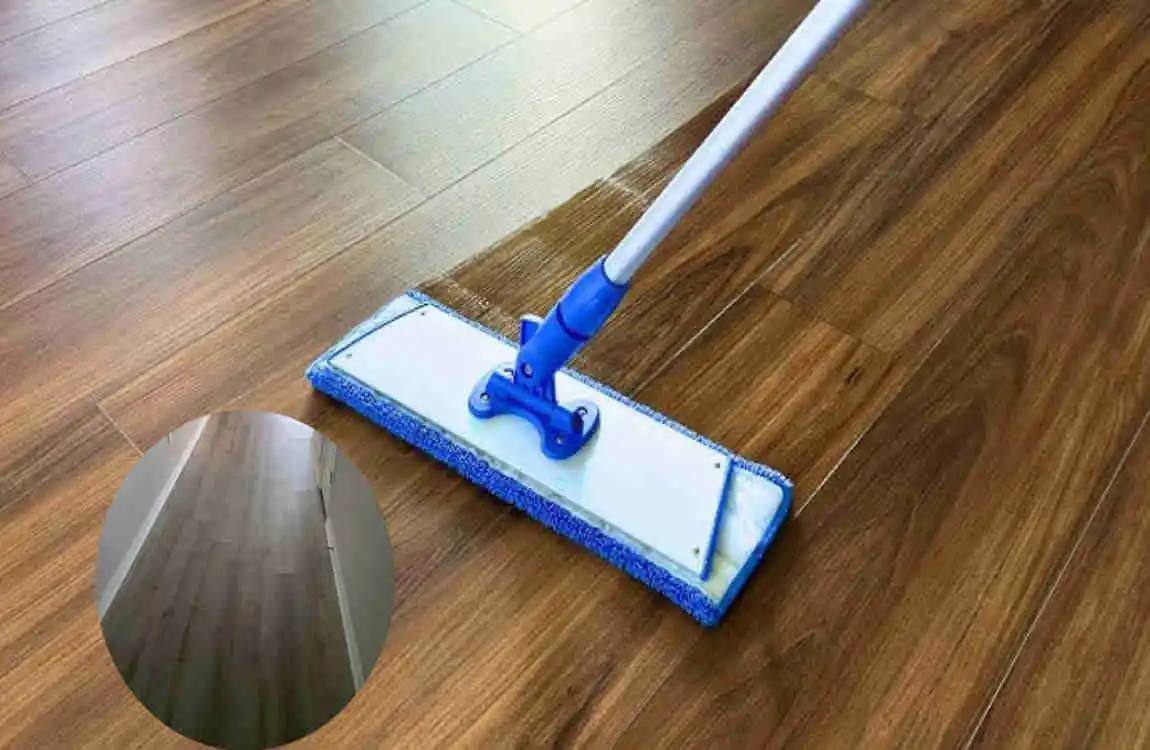
Luxury vinyl plank (LVP) flooring is popular because it looks attractive, feels comfortable underfoot, and is relatively easy to maintain. However, cleaning it properly is important to protect its appearance and extend its useful life.
One common question homeowners ask is: can you steam mop vinyl plank flooring? Steam mops are convenient because they use heat and moisture to loosen dirt and grime. But that same heat and moisture may not be suitable for every type of vinyl flooring.
Can You Steam Mop Vinyl Plank Flooring?
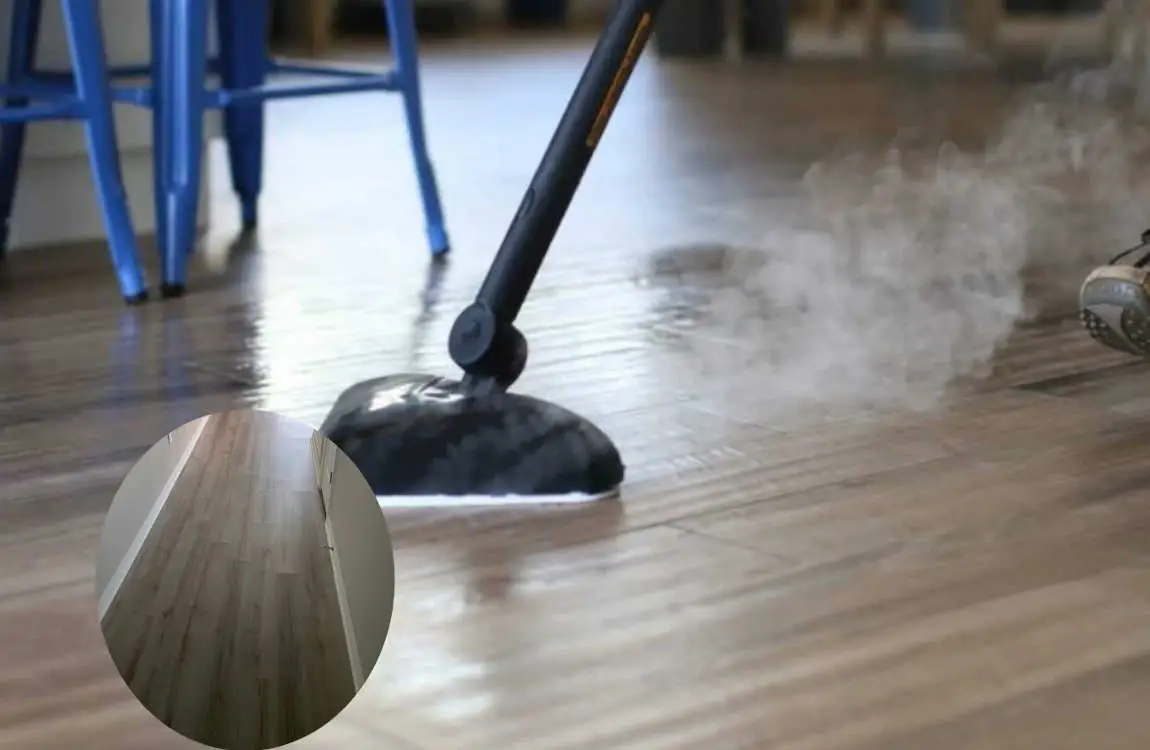
So, can you steam mop vinyl plank flooring? In most cases, it is better not to.
Vinyl plank flooring is designed to handle normal household moisture, but a steam mop introduces high-temperature vapor directly onto the surface. Depending on the product, this can potentially affect the flooring, seams, finish, or adhesive.
The safest approach is to check the care instructions that came with your flooring. If the manufacturer does not specifically approve steam cleaning, choose a low-moisture cleaning method instead.
Why Steam Can Be a Problem
Steam mops can create several potential concerns:
- High heat may affect vinyl materials or their finish.
- Excess moisture can enter seams and edges.
- Certain adhesives may be affected by heat and moisture.
- Repeated exposure could contribute to lifting, bubbling, or other problems.
- Using an unapproved cleaning method may create warranty concerns.
Not every LVP product has the same construction. That’s why a cleaning method that works on one floor may not be suitable for another.
Check the Manufacturer’s Instructions
Before using a steam mop, consult the flooring care guide or product instructions.
Pay particular attention to recommendations concerning steam cleaning, hot water, moisture, cleaning solutions, and mopping. If the manufacturer says to avoid steam, follow that instruction even if your floor is advertised as waterproof.
What Happens When You Steam Clean Vinyl Plank Flooring?
Heat Exposure
Steam cleaners operate at high temperatures. While the heat can help loosen dirt, vinyl flooring isn’t necessarily designed to receive concentrated high-temperature steam.
Repeated exposure to heat may affect the surface or underlying components of some products. The exact risk depends on the flooring‘s construction and installation.
Moisture Getting Into Seams
Vinyl planks often connect through joints. Although many products resist water, that doesn’t mean you should force moisture into these areas.
Steam and condensed water can potentially reach seams, edges, or spaces beneath floating planks. This is one reason controlled moisture is generally preferable.
Damage to the Wear Layer
Most luxury vinyl flooring has a protective wear layer over its decorative surface. This layer helps protect the flooring from everyday wear, stains, and scratches.
Using unsuitable cleaning methods may gradually affect the appearance of this protective surface. A floor that is cleaned correctly is more likely to maintain its original look.
Potential Warranty Issues
Flooring warranties often include specific care and maintenance requirements. If a manufacturer specifically prohibits steam cleaning, using a steam mop could potentially create a warranty issue.
Always treat the manufacturer’s maintenance instructions as the final authority for your particular product.
Is Steam Cleaning Safe for All Types of Vinyl Flooring?
No. Different vinyl products can have different construction and care requirements.
Flooring Type Steam Mop Recommendation Main Concern
Luxury Vinyl Plank Usually avoid unless approved Heat and moisture
Luxury Vinyl Tile Usually avoid unless approved Seams and heat
Sheet Vinyl Depends on manufacturer Heat and moisture
Waterproof Vinyl Not automatically steam-safe High temperature
Glue-Down Vinyl Use caution Adhesive damage
Floating Vinyl Plank Generally avoid steam Moisture beneath planks
The important point is that waterproof does not mean steam-proof.
A waterproof floor may resist water under normal conditions, but steam cleaning exposes it to both high heat and moisture. Those are different stresses.
Best Cleaning Tools for Luxury Vinyl Plank Flooring
A few basic tools are usually enough for everyday LVP maintenance.
Useful choices include:
- Microfiber mop
- Soft-bristle broom
- Hard-floor vacuum
- Spray mop
- Soft cleaning cloth
- Manufacturer-approved vinyl floor cleaner
These tools allow you to remove dirt while keeping moisture under control.
Tools to Avoid
Be careful with products that can scratch, damage, or expose the floor to unnecessary moisture.
Avoid steam mops without manufacturer approval, steel wool, abrasive scrubbers, excessively wet mops, harsh solvents, and unsuitable waxes or polishes.
The goal is gentle cleaning rather than aggressive treatment.
How Often Should You Clean Vinyl Plank Flooring?
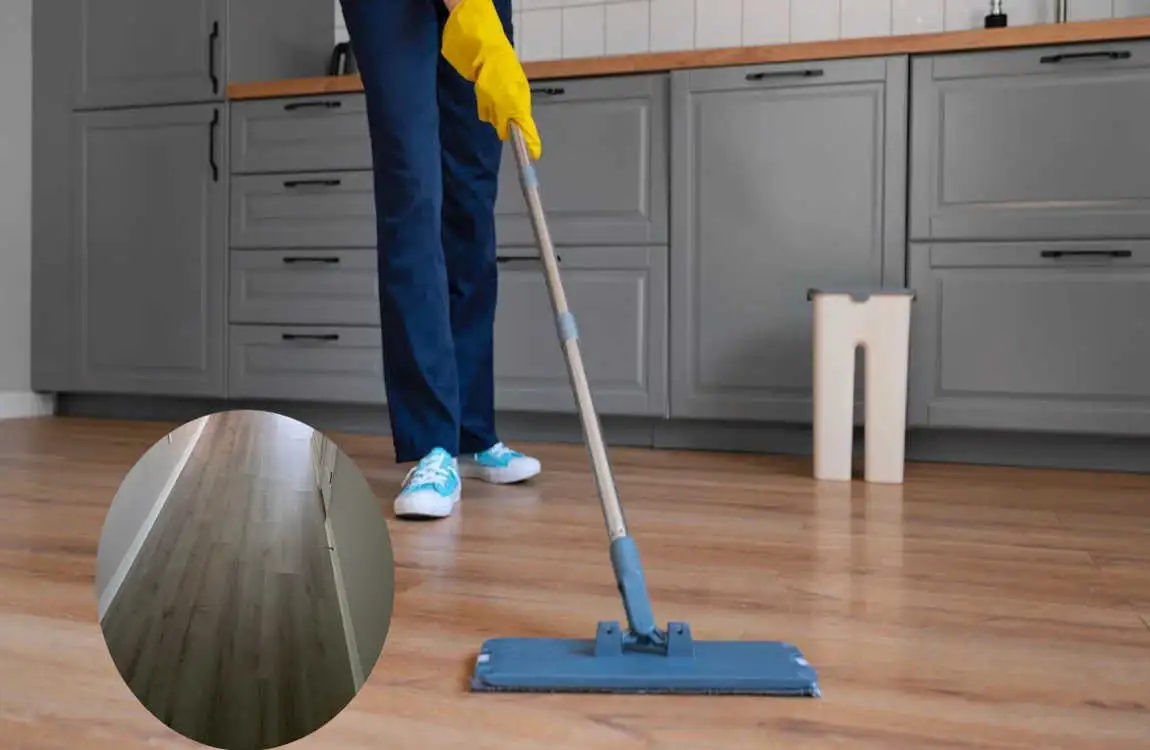
Cleaning frequency depends on how much activity your home receives.
Daily or Frequent Cleaning
High-traffic areas may benefit from frequent sweeping or vacuuming. Entryways, kitchens, and hallways often collect dirt faster than bedrooms or less-used rooms.
Regularly removing grit helps protect the surface from unnecessary scratching.
Weekly Cleaning
For many households, weekly vacuuming followed by damp mopping is a practical routine.
If you have children, pets, or heavy foot traffic, you may need to clean more frequently.
Deep Cleaning
Deep cleaning should be performed when the floor actually needs it rather than automatically relying on steam.
Deal with stains individually and use cleaning methods recommended for your particular flooring.
Common Mistakes When Cleaning Vinyl Plank Flooring
Even durable flooring can suffer when incorrect cleaning methods are used.
- Using steam without checking the manufacturer’s instructions can expose the floor to unnecessary heat.
- Soaking the floor with water can allow moisture to reach seams and edges.
- Using abrasive products can scratch or dull the surface.
- Scrubbing aggressively can create unnecessary wear.
- Leaving spills for too long can make stains harder to remove.
- Using unsuitable wax or polish can leave residue or affect the floor‘s appearance.
- Dragging heavy furniture can cause scratches or damage.
- Ignoring dirt and grit allows abrasive particles to remain underfoot.
Simple cleaning habits can prevent many of these problems.
Can You Use a Steam Mop on Waterproof Vinyl Plank Flooring?
This is where many homeowners get confused.
Waterproof vinyl flooring is not automatically resistant to steam.
Waterproof construction generally means the product is designed to resist water penetration under specified conditions. Steam cleaning introduces heat and moisture together, which is a different situation.
Installation also matters. Floating planks and glue-down products can have different vulnerabilities.
Therefore, don’t assume that a waterproof LVP floor can safely handle a steam mop. Check the manufacturer’s specific instructions before using one.
What Is the Best Alternative to Steam Cleaning Vinyl Plank Flooring?
Microfiber Damp Mopping
A damp microfiber mop is one of the simplest alternatives. It removes everyday dirt while allowing you to keep moisture under control.
Regular Vacuuming
Vacuuming helps remove grit before it can be walked across the floor repeatedly.
This is especially useful in entryways and other busy areas.
Spot Cleaning
Small stains don’t usually require a whole-floor deep cleaning. Treating them promptly with an appropriate cleaner can prevent the need for aggressive scrubbing.
Manufacturer-Approved Cleaning Products
When in doubt, follow the flooring manufacturer’s recommendations. Using products designed or approved for your flooring gives you a safer starting point.
How to Remove Tough Stains From Vinyl Plank Flooring
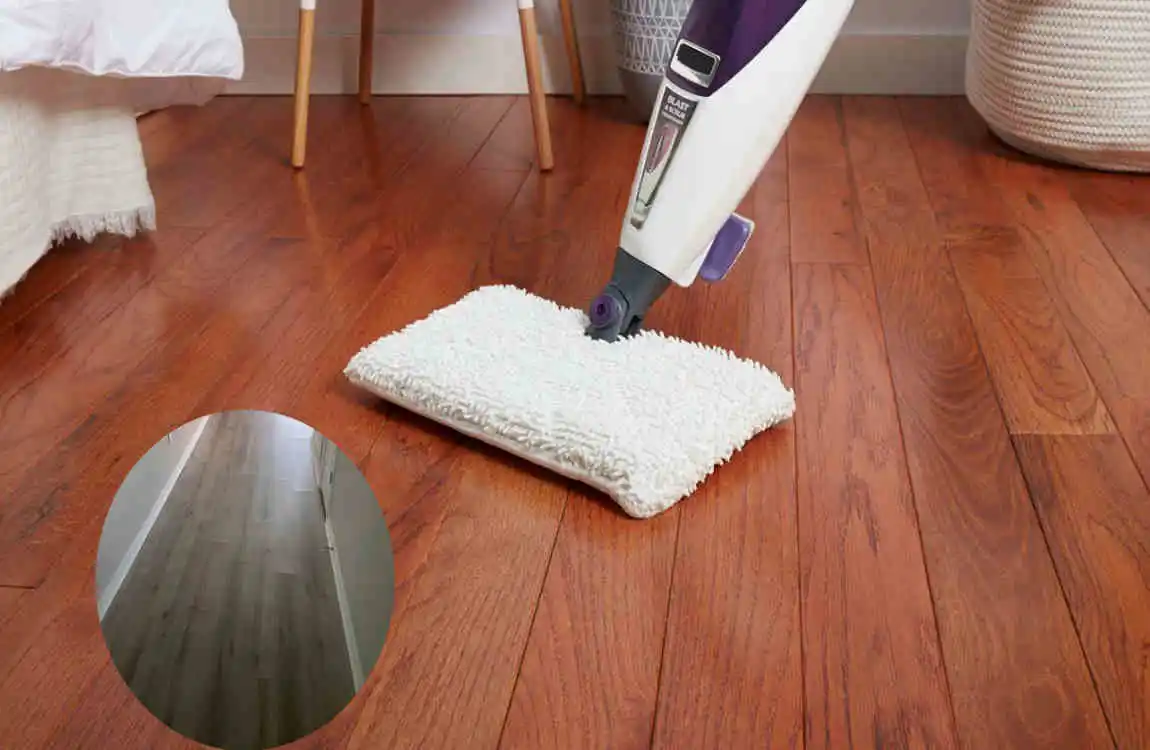
Different stains may require slightly different approaches, but always start with the gentlest method.
For food stains and mud, remove the material and wipe the area with a damp microfiber cloth.
For grease, use an appropriate vinyl-floor cleaner according to its instructions.
For pet accidents, clean the affected area promptly and avoid leaving moisture around the seams.
For scuff marks, try gentle wiping rather than aggressive scrubbing.
For sticky residue, use a cleaner approved for your flooring instead of harsh solvents.
If a stain doesn’t come off easily, don’t immediately reach for an abrasive pad or strong chemical. Check the flooring care instructions first.
Frequently Asked Questions About Steam Mopping Vinyl Plank Flooring
Can you steam mop vinyl plank flooring?
Generally, you should avoid steam mopping vinyl plank flooring unless the manufacturer specifically says it is safe to do so. Heat and moisture may affect some products.
Can steam damage luxury vinyl plank flooring?
It can potentially cause problems depending on the product. High heat and moisture may affect certain vinyl materials, seams, adhesives, or installation systems.
Can you use a steam mop on waterproof vinyl flooring?
Not automatically. Waterproof does not mean steam-safe. Always check the manufacturer’s cleaning instructions before using steam.
What is the best way to clean vinyl plank flooring?
Regularly sweep or vacuum the floor, then use a slightly damp microfiber mop with an appropriate cleaner as needed.
How often should you mop vinyl plank flooring?
There is no single schedule for every home. High-traffic households may need more frequent cleaning, while lightly used rooms may require less frequent mopping.
Can you use hot water on vinyl plank flooring?
Avoid excessive heat unless the manufacturer specifically approves it. Lukewarm or controlled moisture-based cleaning is generally a safer approach for routine maintenance.
Can you use vinegar on vinyl plank flooring?
Check your flooring manufacturer’s recommendations first. Vinegar is acidic, and not all vinyl flooring products have the same cleaning requirements.
| Question | Short Answer |
|---|---|
| Can you steam clean LVP flooring? | Generally, no. Steam can damage luxury vinyl plank flooring. |
| Why avoid steam? | High heat and moisture may weaken adhesive, cause warping, or damage seams. |
| What should you use instead? | Use a microfiber mop with a small amount of manufacturer-approved floor cleaner. |
| How often should you clean LVP? | Sweep or vacuum regularly and damp-mop when needed. |
| Best cleaning method | Use minimal water, gentle cleaning products, and no excessive heat. |
| Important tip | Always check the flooring manufacturer’s care instructions before using a steam mop. |
