
Imagine waking up to the sound of birds chirping, surrounded by lush greenery, rather than the hustle and bustle of city streets. For many people, building a home on agricultural land represents the ultimate dream—a chance to escape urban congestion and reconnect with nature.
But as appealing as this idea may sound, one key question often arises: “Can you build a house on agricultural land?” The answer isn’t as straightforward as you might hope. While agricultural land is usually more affordable and spacious than residential plots, it is subject to strict zoning laws and regulations that can complicate construction.
Understanding Agricultural Land Zoning Basics
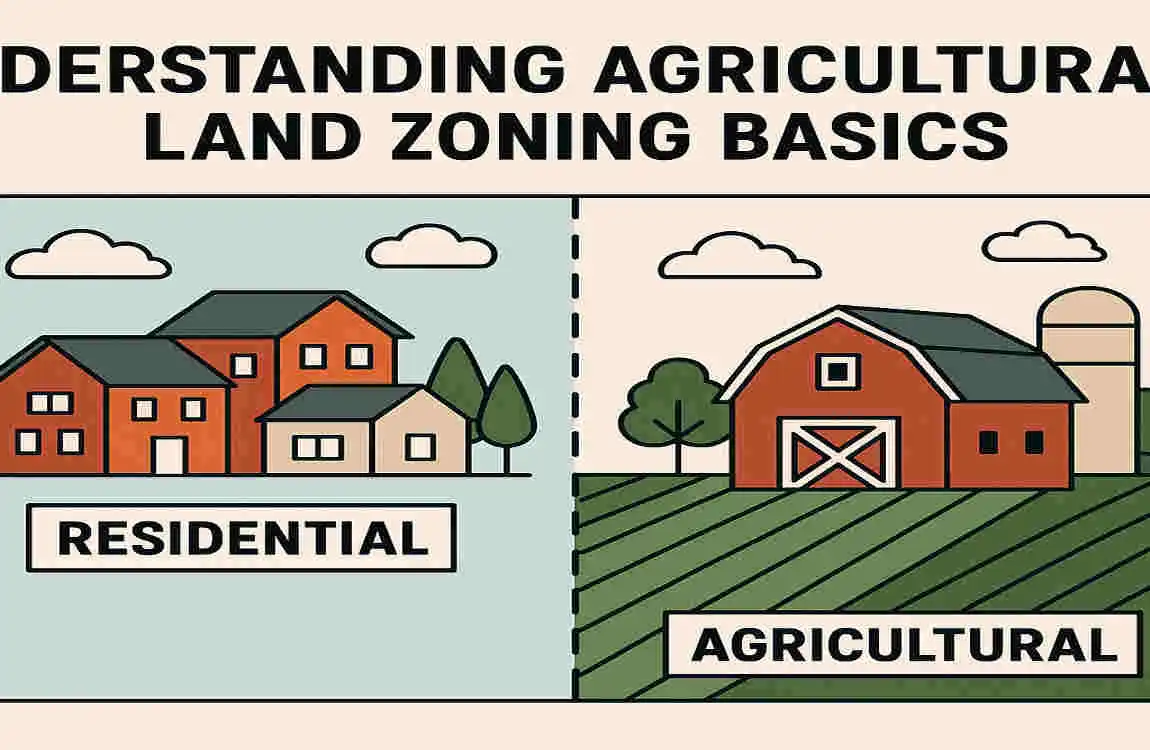
When building on agricultural land, understanding zoning laws is essential. Zoning regulations determine what you can and cannot do with a specific piece of land, and agricultural zoning is particularly restrictive.
What Is Agricultural Land and Its Primary Purpose?
Agricultural land is zoned explicitly for farming, livestock, and other agricultural activities. Its primary purpose is to preserve farmland for food production and prevent urban sprawl. Local governments enforce these zoning laws to protect the environment and maintain a balance between urban and rural areas.
Some of the key advantages of agricultural land include:
- Lower cost per acre: Agricultural land is often cheaper than residential land.
- Larger plots: These lands typically offer more space for your home, farming, or recreational activities.
However, these benefits come with restrictions, making it essential to understand how zoning laws affect your ability to build a home.
Key Zoning Categories: Agricultural vs. Residential
Zoning laws vary widely by location, but agricultural land generally falls under “AG” (Agricultural) zoning, while residential land is zoned “RU” or “R-1” (Residential). Below is a quick comparison:
Zoning Type: Primary Use. Can You Build a House? Example Areas
Agricultural (AG) Farming, livestock rarely without variance, Midwest crop fields
Rural Residential Homes with limited ag Yes, with some limits, Texas homestead zones
Mixed-Use Farming + homes are often allowed in California ag-res areas
In general, residential zoning will enable homes to be built with few restrictions. However, agricultural zoning often prohibits residential structures or requires special permits to build.
Why Zoning Laws Restrict Homes on Farmland
Zoning restrictions on agricultural land exist for several reasons:
- Preservation of farmland: These laws ensure that land remains available for food production.
- Prevention of urban sprawl: Local governments aim to limit unplanned development that could strain infrastructure.
- Environmental protection: Agricultural land often contains sensitive ecosystems that require conservation.
By understanding these laws, you can better navigate the challenges of building on agricultural land.
Can You Build a House on Agricultural Land? State-by-State Breakdown
The short answer to the question, “Can you build a house on agricultural land?” is yes, but only under certain conditions. These conditions vary by state, so it’s essential to understand the specific rules in your area.
General Rule: No, But Exceptions Exist
Nationwide, most agricultural land is zoned to prohibit primary residences unless the homeowner meets specific requirements or obtains a zoning variance. According to the American Planning Association (APA), approximately 80% of U.S. agricultural land is designated for nonresidential use.
However, there are exceptions. Some states and counties allow homes on agricultural land through variances, homestead exemptions, or accessory dwelling units.
Top States Where It’s Easiest to Build
In some states, building a house on agricultural land is relatively straightforward. For example:
- Texas: Many counties allow homes on agricultural land if the plot meets a minimum size (e.g., 10 acres).
- Florida: Agricultural homestead exemptions make it easier to build, especially if you’re actively farming.
- Oregon and Washington: Both states allow farmworker housing on agricultural land, which can serve as a workaround.
Strict States and Common Pitfalls
On the other hand, some states make it much harder to build on farmland. For example:
- California: The Williamson Act restricts agricultural land use to farming for tax benefits. Building a house is often prohibited without rezoning.
- New York: Strict zoning laws require substantial proof that residential construction will not disrupt farming operations.
Interactive Map for State-Specific Zoning Rules
To simplify your research, you can use tools like county GIS maps or zoning lookup tools (e.g., PolicyMap) to determine the zoning regulations in your area. These tools provide detailed insights into what’s allowed on your land and where to start the permitting process.
Navigating Permits and Legal Requirements
Building on agricultural land requires careful navigation of zoning permits, variances, and other legal hurdles. Here’s a step-by-step guide to help you through the process:
Verify Your Land’s Zoning
The first step is to confirm your land’s zoning. Most counties have online GIS maps or zoning offices where you can check. If your land is zoned as agricultural, review local ordinances to understand what’s allowed.
Apply for Rezoning or Variances
If residential construction is not permitted, you may need to apply for a zoning variance or request rezoning.
- Timeline: The process can take 6-18 months.
- Costs: Rezoning fees range from $1,000 to $10,000, depending on the location.
- Pro Tip: To improve your chances of approval, demonstrate that your home won’t disrupt agricultural operations.
Essential Permits Needed
Before construction begins, you’ll need the following permits:
- Building permit: Approves your construction plans.
- Septic and well permits: Required for rural properties without access to municipal utilities.
- Environmental impact permits: Ensure compliance with federal laws, including NEPA.
Environmental and Utility Hurdles
Agricultural land often presents environmental challenges, such as wetlands or habitats for endangered species. These require additional permits or mitigation efforts to proceed.
Clever Workarounds: Legal Ways to Build on Ag Land
If rezoning feels too daunting, consider these clever workarounds to build on agricultural land legally:
Accessory Dwelling Units (ADUs)
In many states, you can build a small, secondary dwelling (like a guest house) on agricultural land if it’s designated as farmworker housing.
Agricultural Homestead Exemptions
Some states allow homeowners to live on agricultural land if it’s actively being farmed. For example, in Texas, owning livestock or planting crops can qualify you for a homestead exemption.
Lease or Subdivide the Land
If your plot is large enough, you may be able to subdivide the land and rezone a smaller portion as residential while keeping the rest for agricultural use.
Tiny Homes or Modular Builds
Building a tiny home or modular structure can sometimes bypass stricter zoning requirements. These structures are often classified differently from traditional homes.
Costs, Risks, and Real-Life Case Studies
Building on agricultural land can be cost-effective, but it comes with risks. Here’s a breakdown:
Budget Breakdown: From $50K to $500K+
Factor Low-End High-End
Rezoning Fees $2,000 $15,000
Construction Costs $100/sq ft $250/sq ft
Legal Consultation $5,000 $20,000
Risks: Fines, Demolition, and Tax Hikes
Failing to follow zoning laws can result in hefty fines (up to $100,000), forced demolition, or increased property taxes after rezoning.
Success Stories
- Case 1: A Texas family used a homestead exemption to build a farmhouse while maintaining a small cattle operation.
- Case 2: In California, a homeowner added an ADU to their farmland, qualifying it as farmworker housing.
Pros and Cons of Building on Agricultural Land
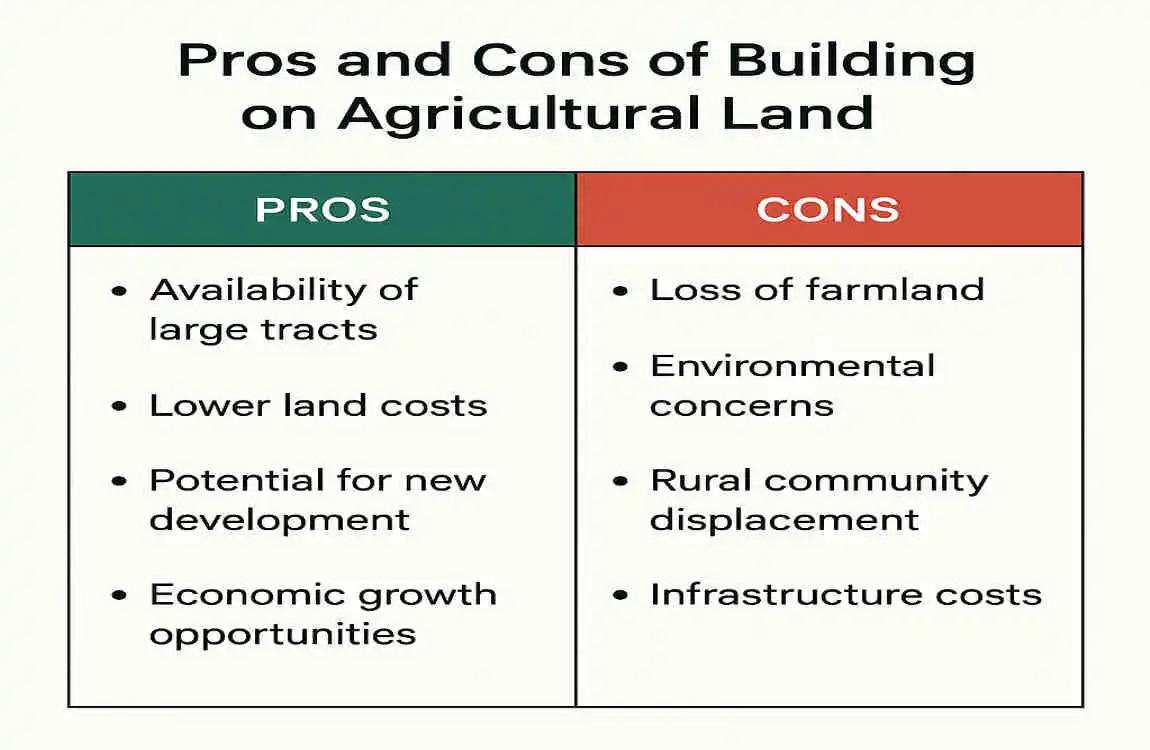
Let’s weigh the pros and cons to help you decide:
Pros:
- More affordable land (up to 30% cheaper than residential plots).
- Spacious lots for farming, gardening, or recreation.
- Potential for self-sufficiency.
Cons:
- Strict zoning restrictions.
- Limited access to utilities like water and electricity.
- Higher costs for rezoning and legal permits.
