
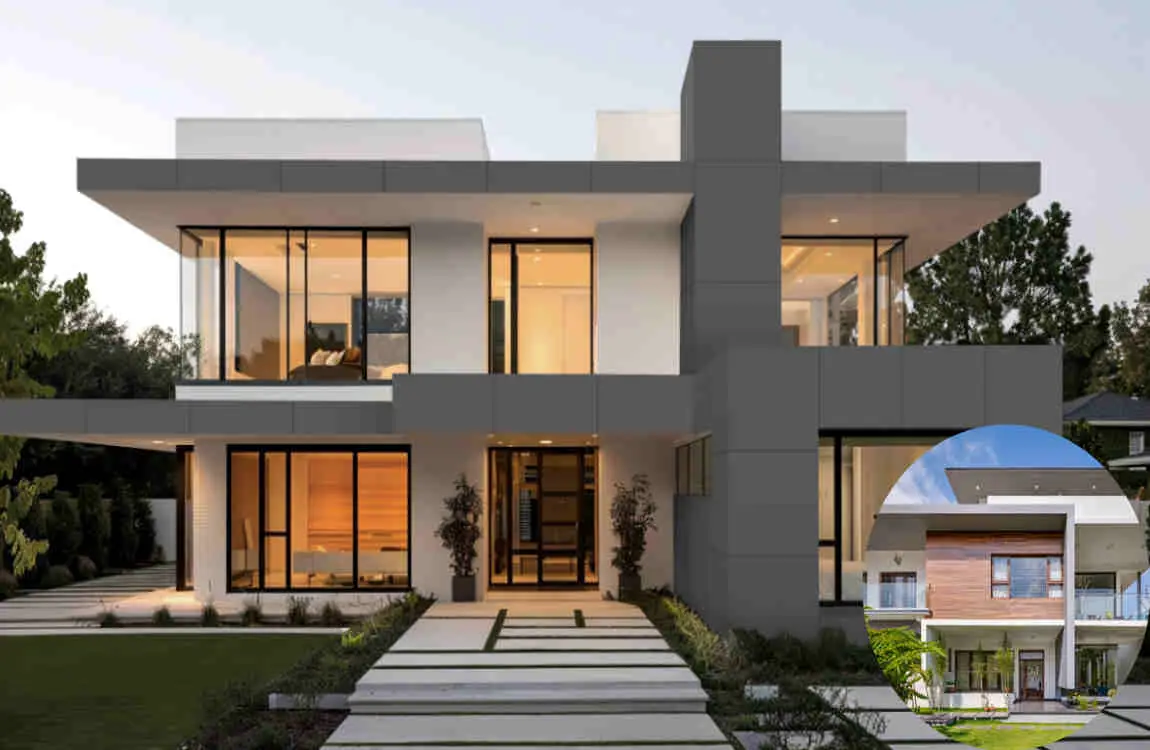
Indian modern home design is the marriage of clean, contemporary architecture with the warmth of traditional Indian aesthetics. More families across the country are choosing these homes because they offer flexible living spaces, energy‑saving features, and a look that feels both fresh and familiar.
What Is Indian Modern Home Design?
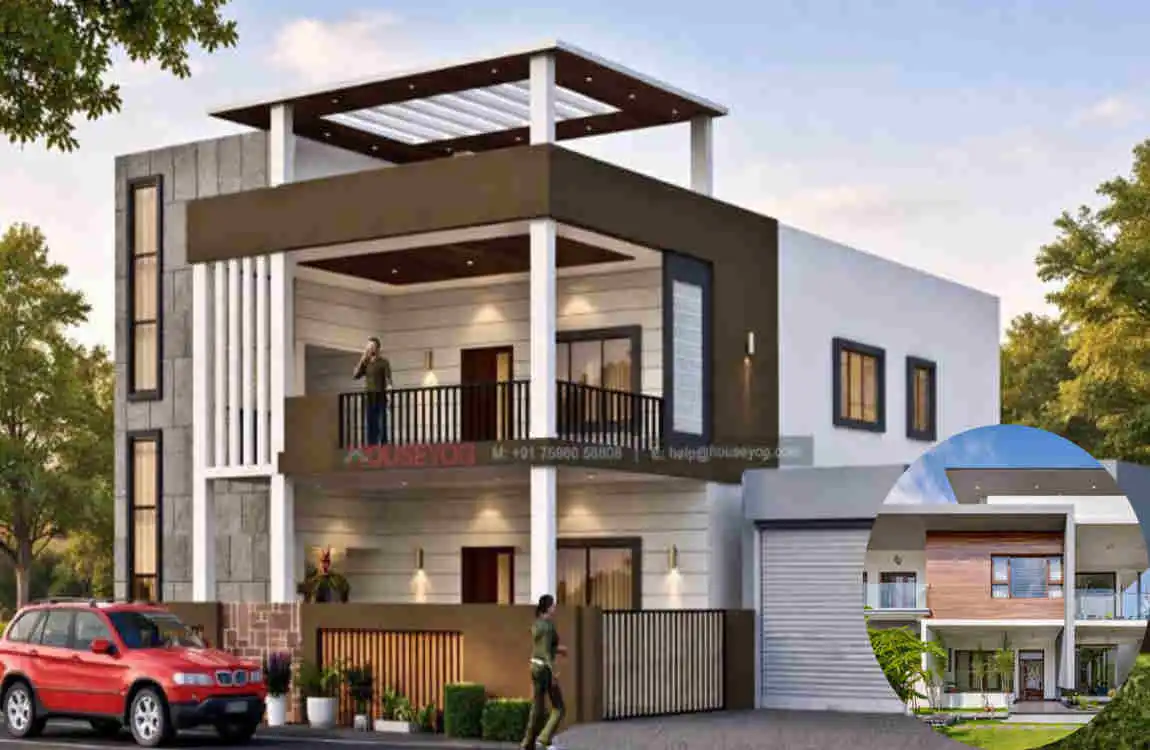
Definition of Modern Indian Homes
- Clean lines – Straight, uncluttered edges give a sleek appearance.
- Functional layouts – Rooms flow logically, minimizing wasted space.
- Open spaces – Large living areas that blend indoor and outdoor zones.
How It Differs from Traditional Indian Homes
- Minimal decoration – Instead of heavy carvings, you’ll find subtle textures.
- Better space utilization – Built‑ins and modular furniture keep rooms airy.
- Modern materials – Concrete, glass, steel, and engineered wood replace only‑brick walls.
Why It Is Popular Today
- Urban lifestyle – Fast‑paced city living demands compact yet comfortable homes.
- Energy efficiency – Smart insulation, LED lighting, and solar options reduce bills.
- Smart living – Integrated technology makes daily tasks easier and safer.
Key Features of Indian Modern Home Design
Open Floor Plans
Open layouts connect the living, dining, and kitchen areas, fostering family interaction and allowing natural light to travel deeper into the house.
Large Windows for Natural Light
Floor‑to‑ceiling windows and skylights flood interiors with daylight, reducing the need for artificial lighting and creating a healthier environment.
Minimalist Exterior Design
Simple façades with subtle textures—think smooth plaster, stone cladding, or metal panels—project a contemporary vibe while staying low‑maintenance.
Neutral Color Palettes
Soft whites, warm beiges, cool greys, and earthy tones dominate walls, floors, and ceilings, providing a calm backdrop for accent pieces.
Indoor‑Outdoor Connection
Terraces, balconies, and glass walls blur the line between inside and outside, encouraging fresh air circulation and extending living space.
Sustainable Building Materials
Recycled steel, bamboo, reclaimed wood, and low‑VOC paints minimize environmental impact and contribute to a healthier home.
Popular Indian Modern House Styles
Style Key Traits
Contemporary Homes Bold geometry, mixed materials, large glass panels.
Minimalist Homes Mono‑color schemes, hidden storage, uncluttered spaces.
Luxury Modern Villas High‑end finishes, private pools, expansive gardens.
Duplex Modern Homes Two‑level living with separate zones for privacy.
Small Modern Indian Homes Compact footprints, multifunctional furniture.
Farmhouse‑Inspired Modern Homes Rustic wood accents, open verandas, earthy colors.
Exterior Design Ideas
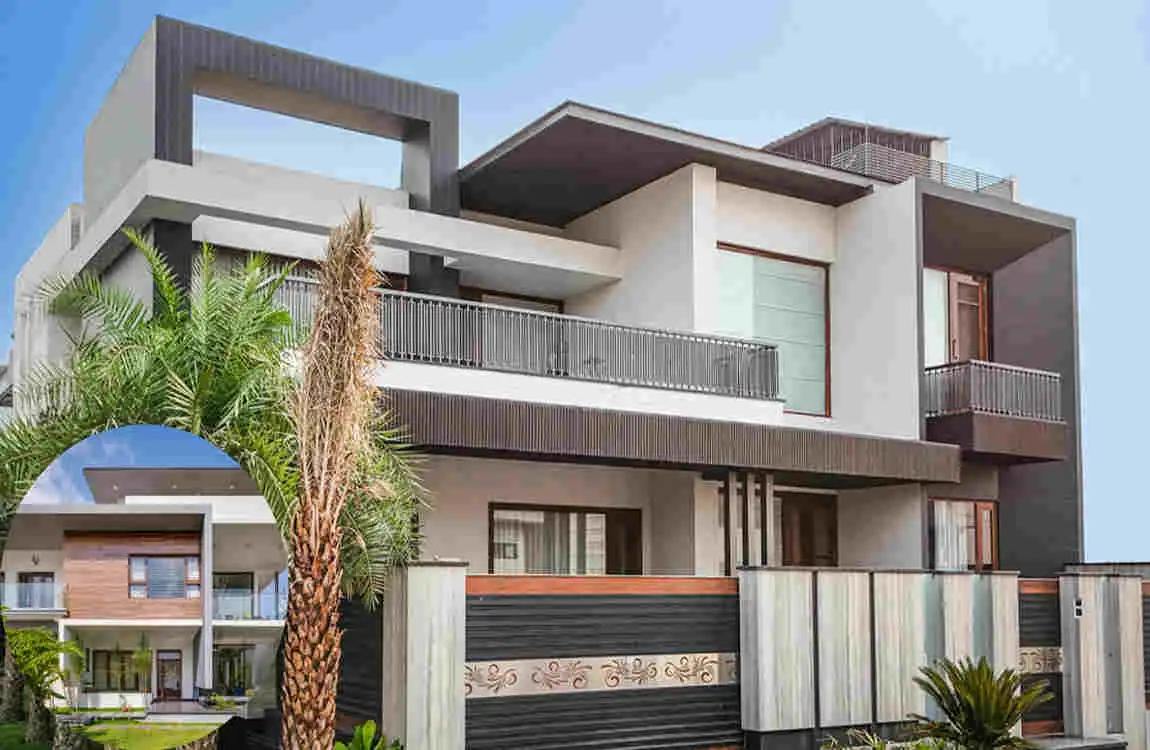
Modern Facades
- Use a combination of smooth plaster, metal panels, or RCC cladding for a sleek look.
Stone and Wood Cladding
- Natural stone adds texture, while timber creates warmth and a touch of tradition.
Glass Balconies
- Cantilevered glass railings give a floating appearance and maximize views.
Flat Roof Designs
- Flat roofs can host rooftop gardens, solar panels, or lounge areas.
Landscape and Garden Ideas
- Incorporate vertical gardens, water features, and native plants to keep maintenance low and add greenery.
Interior Design Features
Modern Living Room
- Large, sectional sofas in neutral tones, a statement coffee table, and ambient lighting.
Stylish Kitchen Design
- Modular cabinets, quartz or marble countertops, and a walk‑in pantry for organization.
Contemporary Bedrooms
- Platform beds with built‑in storage, soft textiles, and accent walls in muted hues.
Luxury Bathrooms
- Walk‑in showers with rain‑heads, floating vanities, and natural stone tiles.
Home Office Spaces
- Built‑in desks, ergonomic chairs, and ample natural light for productivity.
Modular Furniture
- Pieces that can be rearranged or expanded as family needs change.
Smart Home Features
Smart Lighting
- LED bulbs controlled via app or voice for mood setting and energy savings.
Security Systems
- Integrated cameras, motion sensors, and smart locks for peace of mind.
Smart Appliances
- Refrigerators, ovens, and washing machines that can be programmed remotely.
Voice‑Controlled Devices
- Assistants like Google Assistant or Alexa manage lights, music, and climate.
Energy Management Systems
- Real‑time monitoring of electricity usage, solar generation, and battery storage.
Best Materials Used in Modern Indian Homes
Concrete
- Provides structural strength and a clean, industrial aesthetic.
Glass
- Expands visual space and allows daylight penetration.
Steel
- Strong, durable, and enables slender column designs.
Wood
- Offers warmth; engineered wood resists humidity common in many Indian regions.
Natural Stone
- Adds elegance and durability for flooring and cladding.
Eco‑Friendly Materials
- Bamboo, recycled composites, and low‑VOC paints reduce carbon footprints.
Vastu Tips for Modern Indian Homes
Main Entrance
- Place the main door in the north‑east or east to invite positive energy.
Kitchen Placement
- Ideally located in the south‑east (Agni corner) for fire element harmony.
Bedroom Direction
- Master bedroom positioned in the south‑west for stability; children’s rooms can be west or north‑west.
Living Room Layout
- Arrange seating toward the north or east to enhance social interaction.
Natural Ventilation
- Ensure windows and vents face north‑east to allow fresh breezes without harsh heat.
Budget Planning for Indian Modern Home Design
Home Type Estimated Budget
Small Modern Home ₹20 – 40 Lakhs
Medium Family Home ₹40 – 80 Lakhs
Luxury Modern Villa ₹1 Crore +
Tip: Allocate 10‑15 % of the total budget for contingencies and smart‑tech upgrades.
Common Mistakes to Avoid
Ignoring Natural Lighting
- Small windows or heavy curtains make interiors feel cramped and increase electricity use.
Poor Space Planning
- Over‑crowded rooms hinder movement; always map traffic flow before finalizing layouts.
Choosing Low‑Quality Materials
- Cheap finishes may look attractive initially but can deteriorate quickly, raising long‑term costs.
Overcrowding the Interior
- Resist the urge to fill every surface; let open spaces breathe.
Ignoring Future Expansion
- Plan for potential additions—like a home office or extra bedroom—to avoid costly remodels later.
Benefits of Indian Modern Home Design
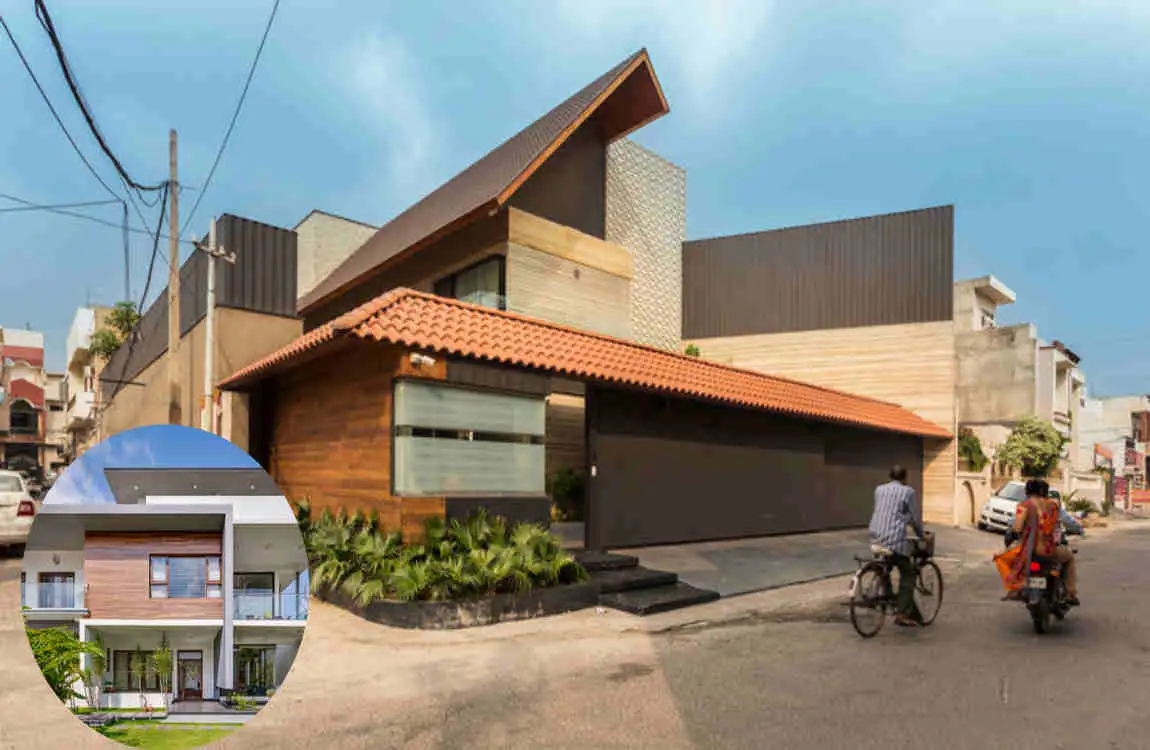
- Better functionality – Streamlined layouts for everyday living.
- Energy efficiency – Reduced bills through smart design and technology.
- Higher property value – Contemporary homes attract modern buyers.
- Easier maintenance – Minimalist exteriors and durable materials require less upkeep.
- Improved comfort – Natural light, ventilation, and smart climate control.
- Elegant appearance – A sophisticated look that blends the old with the new.
Tips for Designing Your Dream Modern Indian Home
- Hire an experienced architect who understands both modern trends and Indian cultural nuances.
- Plan your budget early; include costs for land, construction, finishes, and technology.
- Prioritize ventilation and natural light—they improve health and cut energy use.
- Invest in quality materials; they pay off in durability and resale value.
- Include smart home technology from the start to avoid retro‑fitting hassles.
- Blend modern style with Indian culture—use traditional motifs, handcrafted tiles, or local art as accent pieces.
Frequently Asked Questions (FAQ)
What is Indian modern home design?
It blends contemporary architecture—clean lines, open spaces, and modern materials—with subtle Indian cultural touches.
What are the main features of a modern Indian home?
Minimalist exteriors, open floor plans, large windows, smart tech, sustainable materials, and stylish interiors.
Is Indian modern home design Vastu‑friendly?
Yes. Modern layouts can easily incorporate Vastu principles for the entrance. Which colors are best for modern Indian homes?
Neutral shades like white, beige, grey, cream, and earthy tones, complemented by natural wood or stone accents.
How much does an Indian modern home cost?
Small homes start around ₹20 Lakhs, medium families around ₹40 – 80 Lakhs, and luxury villas can exceed ₹1 Crore.
Are modern Indian homes energy efficient?
Absolutely—features such as large windows, LED lighting, solar panels, proper insulation, and eco‑friendly materials reduce energy consumption.
| Feature | Details |
|---|---|
| Design Style | A blend of contemporary architecture with traditional Indian elements. |
| Popular Exterior | Clean lines, flat roofs, large windows, natural stone, wood, and textured finishes. |
| Interior Style | Open floor plans, minimal décor, neutral colors, and multifunctional spaces. |
| Common Materials | Concrete, glass, steel, wood, marble, granite, and brick. |
| Color Palette | White, beige, grey, earthy tones with warm wood accents. |
| Key Features | Smart home technology, energy-efficient lighting, modular kitchens, and spacious balconies. |
| Roof Types | Flat terraces, rooftop gardens, and solar panel-ready roofs. |
| Flooring Options | Vitrified tiles, marble, granite, engineered wood, and polished concrete. |
| Landscaping | Courtyards, vertical gardens, indoor plants, and compact outdoor seating areas. |
| Ideal For | Urban families, luxury villas, duplex homes, and compact city houses. |
| Estimated Cost (India) | Approximately ₹2,000–₹4,500+ per sq. ft., depending on location, materials, and finishes. |
| Latest Trends (2026) | Sustainable design, biophilic interiors, smart automation, minimalist aesthetics, and eco-friendly building materials. |
