
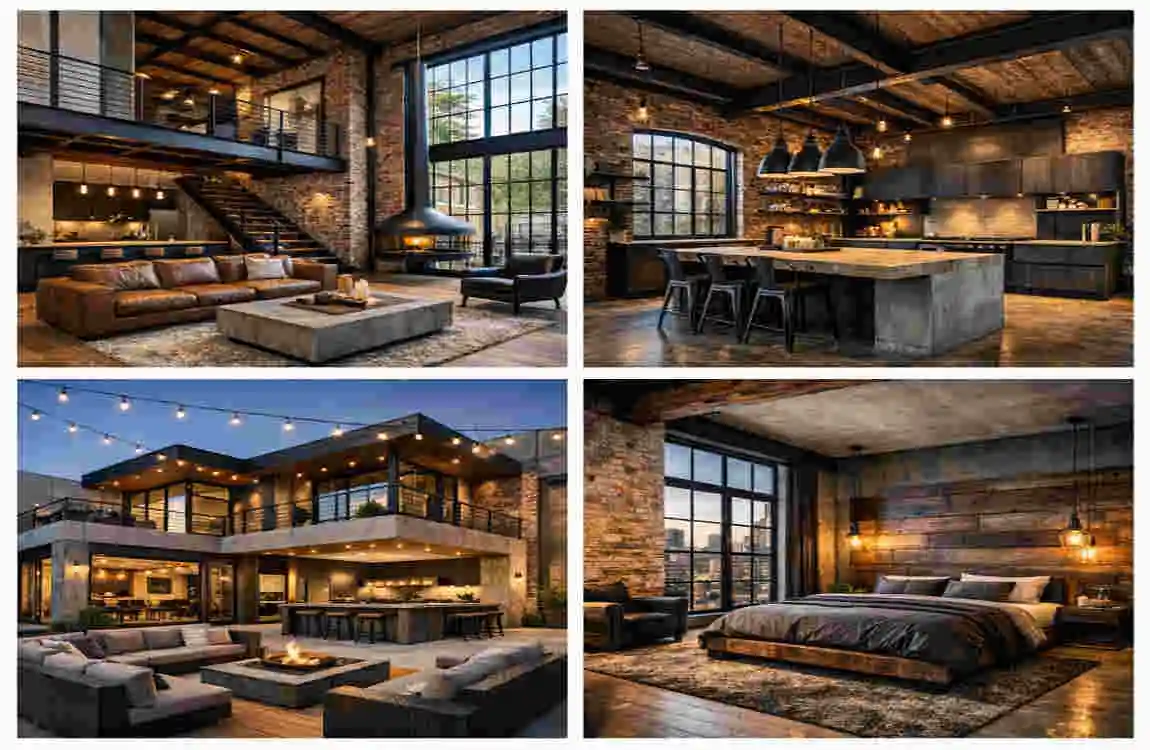
Industrial-modern homes combine raw materials, open spaces, and a clean, modern style. This look feels bold, practical, and stylish at the same time. It takes inspiration from old factories and warehouses, then softens the design with comfortable furniture and simple décor.
This style is becoming more popular because it feels fresh without being too fancy. Many people like the mix of character and comfort. You get exposed brick, metal details, and concrete surfaces, but you also get warm lighting, clean layouts, and everyday livability.
What Are Industrial Modern Homes?
Definition of Industrial Modern Design
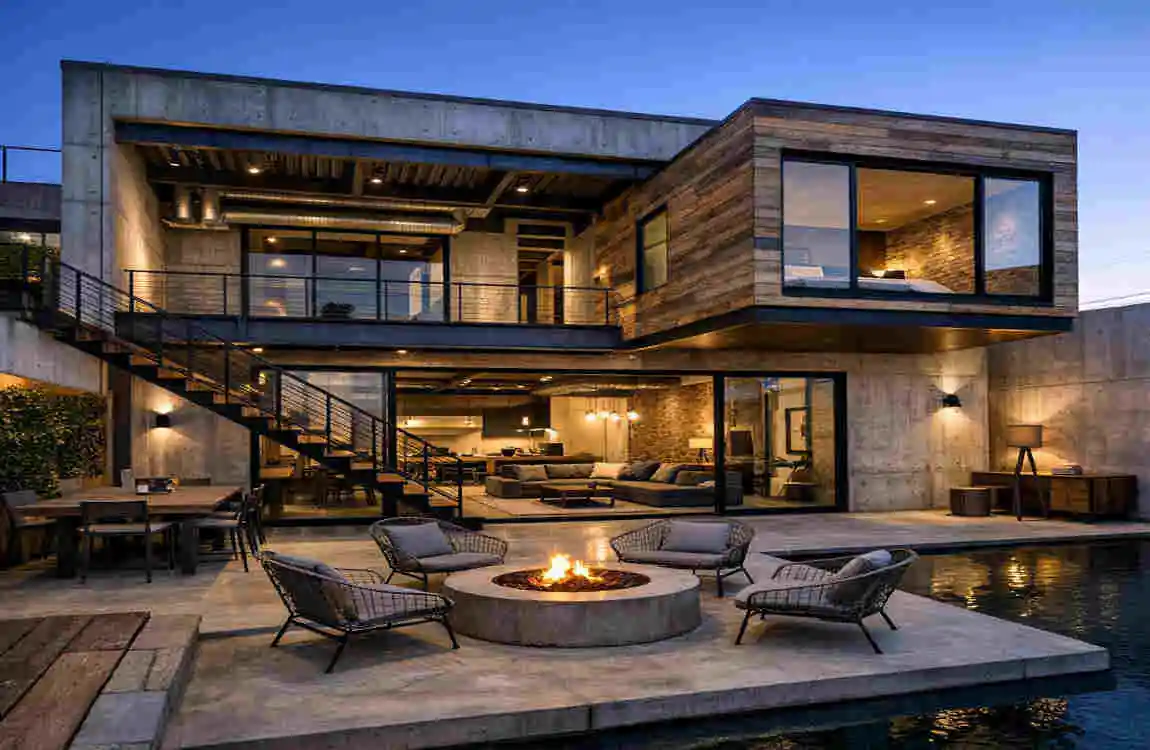
Industrial modern design is a style that combines raw building materials with simple modern shapes. It often showcases the home’s structure rather than hiding it.
This design first became popular in converted warehouses and loft spaces. Over time, homeowners started using the same look in new homes because it feels unique and timeless.
Key Features
Industrial modern homes usually include:
- Open floor plans
- High ceilings
- Exposed brick and concrete
- Steel and metal accents
- Large windows
- Neutral colour palettes
These features help the home feel open, strong, and uncluttered.
Benefits of Industrial Modern Homes
Timeless Appearance
This style does not follow short-lived trends. It stays attractive because it uses simple shapes and natural-looking materials.
Durable Materials
Industrial homes often use brick, steel, and concrete. These materials last a long time and hold up well in daily use.
Low Maintenance
Many industrial finishes are easy to clean and care for. That makes the style practical for busy households.
Spacious Living Areas
Open layouts and fewer walls help rooms feel larger. Even smaller homes can feel roomy with the right design.
Energy-Efficient Design Options
With good windows, insulation, and modern systems, industrial homes can also be energy efficient. That gives you style and comfort together.
Essential Elements of Industrial Modern Homes
Exposed Structural Features
Visible beams, pipes, and brick walls give the home its industrial character. Instead of covering them up, this style celebrates them.
Concrete Flooring
Concrete floors are strong, simple, and easy to maintain. They also match the clean and urban feel of the design.
Metal Fixtures
Metal details show up in light fixtures, table legs, stair rails, and cabinet handles. Matte black, steel, and iron are common choices.
Reclaimed Wood
Wood adds warmth to the harder materials. Reclaimed wood is especially popular because it brings texture and a natural feel.
Glass Walls and Large Windows
Big windows and glass walls let in more light. They also help the home feel open and connected to the outside.
Minimalist Furniture
Furniture should be functional and simple. Clean lines and solid shapes work best in this style.
Best Exterior Design Ideas
Steel and Glass Facades
A steel-and-glass front gives the home a bold, modern look. It also makes the structure feel light and open.
Brick and Stone Finishes
Brick and stone create texture and add a sense of strength. These materials fit well with the industrial theme.
Flat or Shed Roof Designs
Simple roof shapes work best for this style. Flat or shed roofs keep the design clean and modern.
Modern Outdoor Lighting
Use black or metal outdoor lights with a simple shape. This adds style while keeping the exterior practical.
Industrial Landscaping Ideas
Keep the landscaping neat and understated. Gravel paths, concrete planters, and low-maintenance plants all work well.
Interior Design Inspiration
Living Room Ideas
An industrial living room should feel open and comfortable. Use a large sofa, a strong coffee table, and a few simple pieces instead of too much décor.
Expose brick or concrete if possible. Then soften the space with rugs, cushions, and warm lighting.
Industrial Kitchen Designs
Kitchens in this style often use metal stools, open shelving, and dark cabinets. A concrete or stone countertop can also fit beautifully.
If you want a softer look, mix in wood shelves or warm-toned cabinets. That helps balance the harder surfaces.
Bedroom Styling
Bedrooms should still feel calm and restful. Use simple bedding, muted colours, and minimal furniture.
A wooden bed frame or a metal bedside table can maintain the industrial feel without making the room look cold.
Modern Bathroom Features
Industrial bathrooms often include black fixtures, concrete sinks, and large mirrors. White tile can help brighten the space.
Keep the design clean and simple. Too many finishes can make the bathroom feel busy.
Home Office Inspiration
A home office in this style works well with a wood desk, metal shelving, and strong task lighting. Keep the space uncluttered, so it stays focused and productive.
Popular Colour Schemes
Industrial modern homes often use grounded, simple colours. Good options include:
- Charcoal gray
- Black and white
- Warm wood tones
- Matte black accents
- Concrete grey with natural textures
These colours work well because they support a raw, modern feel without overpowering the space.
Materials Commonly Used
MaterialPurposeBenefits
Brick Walls Rustic appeal
Concrete Floors Durable
Steel Frames Strong and modern
Glass Windows Natural light
Reclaimed Wood Furniture Eco-friendly
These materials are the backbone of industrial modern design. Together, they create a home that feels solid, stylish, and practical.
Industrial Modern Home Decorating Tips
Choose Functional Furniture
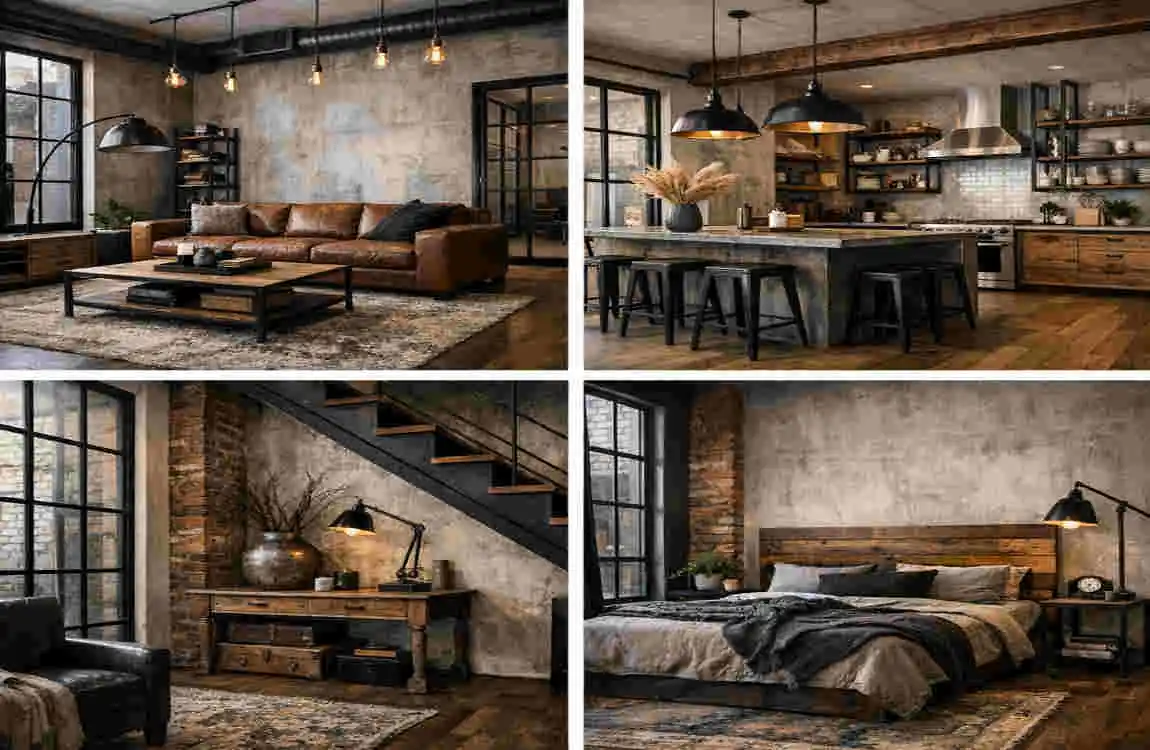
Pick pieces that look good and serve a purpose. In this style, every item should feel useful, not just decorative.
Add Vintage Lighting
Pendant lights, factory-style lamps, and metal sconces can help bring in an authentic industrial feel.
Mix Metal and Wood
This is one of the easiest ways to create balance. Metal gives structure, while wood adds warmth.
Use Large Artwork
One big piece of art often works better than many small pieces. It keeps the room feeling open and uncluttered.
Keep Décor Minimal
Choose only a few décor items you really like. Industrial modern homes look best when they feel simple and intentional.
Common Mistakes to Avoid
A few small mistakes can make the style feel off. Try to avoid these:
- Overdecorating
- Using too many colours
- Poor lighting
- Ignoring comfort
- Mixing conflicting styles
Industrial design should feel strong, but not harsh. Always keep balance in mind.
Cost of Building Industrial Modern Homes
Factors Affecting Cost
The cost depends on size, location, materials, and how much custom work is needed. Bigger homes and premium finishes will cost more.
Material Costs
Brick, concrete, and steel can be more expensive than basic materials. However, they often last longer, which makes them a smart long-term choice.
Labor Expenses
Special finishes and custom details may require skilled labour. That can raise the total cost of the project.
Budget-Friendly Ideas
You can still get the look without overspending. Try using:
- Reclaimed materials
- Simple layouts
- Painted brick
- Open shelving
- Affordable industrial-style lighting
Industrial Modern Homes vs Contemporary Homes
Feature: Industrial Modern Homes vs Contemporary Homes
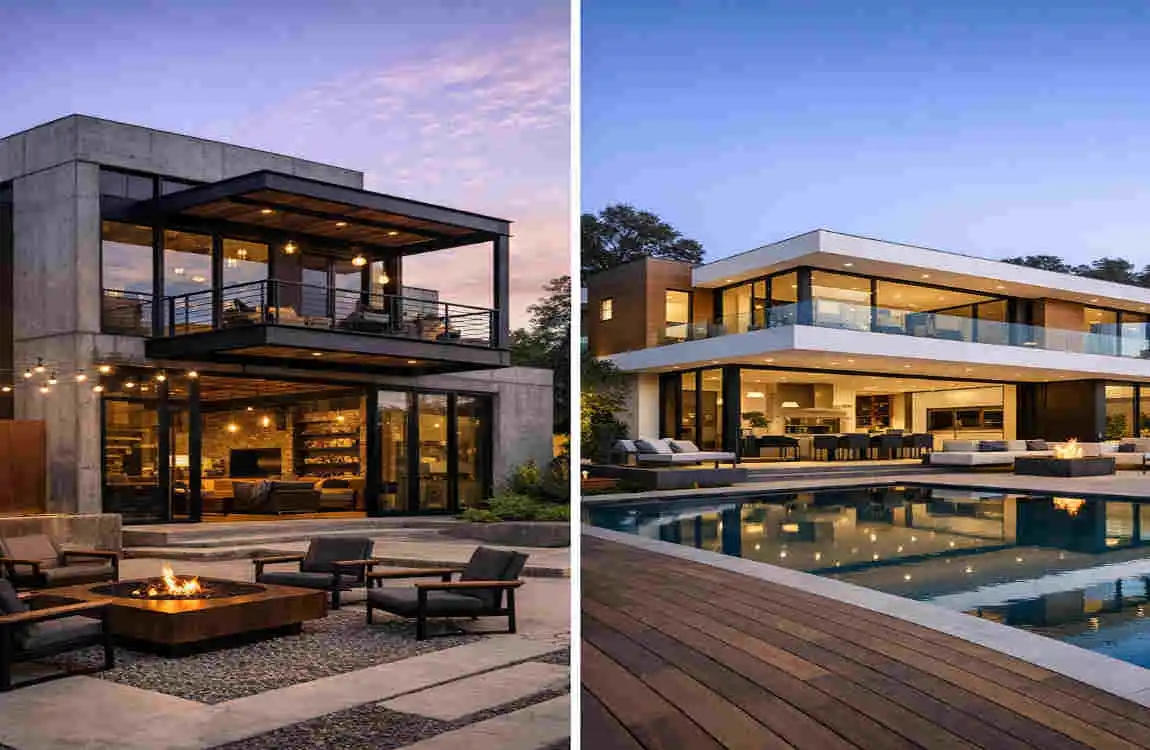
Materials Brick, steel, concrete Glass, wood, stone
Style Raw and urban Clean and sleek
Colours Neutral and dark Light and neutral
Décor Minimal industrial Modern minimalist
Both styles are stylish, but industrial modern homes feel more textured and grounded. Contemporary homes often feel smoother and lighter.
Maintenance Tips
To keep the look strong over time, properly care for the main materials.
- Clean concrete floors regularly
- Protect exposed metal from rust
- Seal brick walls
- Maintain wooden surfaces
- Inspect windows annually
A little care goes a long way, especially in modern homes with natural, exposed finishes.
Frequently Asked Questions
What are industrial modern homes?
Industrial modern homes combine raw materials like brick, concrete, steel, and exposed beams with clean modern layouts and minimal décor.
Are industrial modern homes expensive?
Costs vary by size, materials, and location. Using reclaimed materials and simple design choices can help lower the cost.
What colours work best in industrial-modern homes?
Grey, black, white, beige, and warm wood tones are the most common choices.
Are industrial modern homes energy efficient?
Yes, they can be. Good windows, insulation, and modern systems can make them very efficient.
What flooring is best for industrial modern homes?
Polished concrete, engineered hardwood, and large porcelain tiles are popular choices.
Can small homes use industrial modern design?
Absolutely. Open layouts, large windows, and multifunctional furniture help small homes make the most of this style.
| Feature | Details |
|---|---|
| Style | A blend of industrial architecture and modern minimalist design. |
| Key Materials | Exposed brick, concrete, steel, glass, reclaimed wood, and black metal accents. |
| Color Palette | Neutral shades like gray, black, white, charcoal, and warm wood tones. |
| Exterior Design | Flat or low-pitched roofs, large windows, metal cladding, and clean geometric lines. |
| Interior Features | Open floor plans, high ceilings, exposed beams, ductwork, and polished concrete floors. |
| Lighting | Pendant lights, Edison bulbs, track lighting, and oversized industrial fixtures. |
| Furniture Style | Minimalist furniture with metal frames, leather seating, and reclaimed wood pieces. |
| Popular Décor | Metal shelving, abstract artwork, indoor plants, and textured fabrics for warmth. |
| Best For | Urban homes, loft apartments, new builds, and renovated warehouses. |
| Advantages | Durable materials, timeless appearance, spacious layouts, abundant natural light, and low maintenance. |
| Potential Drawbacks | Hard surfaces may feel cold, large windows can reduce privacy, and heating/cooling costs may be higher. |
| Estimated Cost | Typically $180–$400+ per sq. ft., depending on location, materials, and customization. |
| Design Tip | Balance raw industrial finishes with warm wood, soft textiles, and greenery to create a comfortable living space. |
